
Navigating the winter months requires a specific strategy. Traditional car waxes and soaps often contain petroleum distillates that become sluggish in the cold or fail to break down safely when washed into storm drains. In 2026, the focus is on bio-compatibility—products that work with the freeze-thaw cycle rather than fighting it with heavy chemicals.
How we picked these seasonal essentials
To determine the best automotive gear for January, we evaluated products based on their cold-weather performance and their environmental footprint during the most vulnerable season for local ecosystems.
- Salt Neutralization Capacity: Can the surfactant lift heavy road brine without stripping protective coatings?
- Cold-Climate Durability: Do the materials (like recycled fishing nets or bio-rubbers) remain flexible in freezing temperatures?
- Third-Party Certification: We prioritized B Corp, Climate Neutral, and 1% for the Planet members.
- Microplastic Reduction: Evaluated tire tread wear particles and hardware composition.
At a glance: The 2026 Winter Automotive Lineup
| Product | Best For | Ethics Score | Price |
|---|---|---|---|
| Nokian WR G4 | Icy Commutes | 92/100 | $$$ |
| Dr. Bronner’s Sal Suds | Salt/Brine Removal | 96/100 | $ |
| EcoTouch Car Wash | Waterless Winter Cleaning | 92/100 | $ |
| Bureo Ahi Commuter | Low-Impact Transit | 94/100 | $$$ |
1. The Heavy-Duty Winter Tire: Nokian WR G4
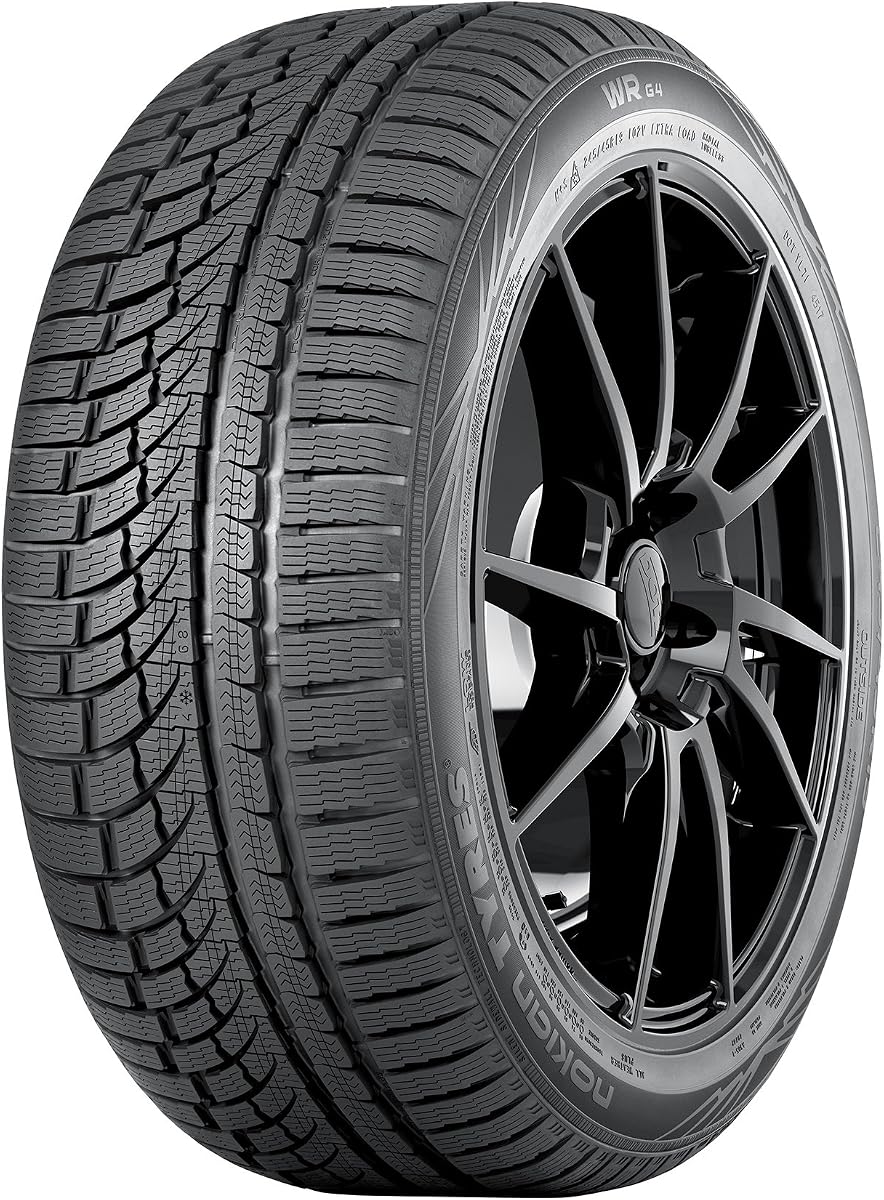
The Nokian WR G4 All-Weather Tire is a masterclass in Scandinavian engineering. Unlike traditional winter tires that you must swap out in spring, the WR G4 utilizes a unique rubber compound that remains pliable in January freezes but won't degrade rapidly on warm asphalt. Nokian has lead the industry in removing high-aromatic oils from their production process, making this a win for both road safety and soil health.
- Regenerative production focus with Climate Neutral certification.
- Severe Service Emblem (3PMSF) for reliable snow traction.
- Low rolling resistance improves winter EV range and fuel economy.
- Higher upfront investment compared to budget seasonal tires.
- Harder to find in stock during peak January demand.
Pro Tip: Salt isn't just a paint problem
Road salt is highly corrosive to your vehicle’s undercarriage and braking components. In January, aim for an undercarriage rinse every two weeks using a biodegradable soap to prevent long-term structural oxidation without poisoning local groundwater.
2. The Salt Destroyer: Dr. Bronner’s Sal Suds
While often marketed for home use, Dr. Bronner’s Sal Suds Biodegradable Cleaner is an automotive secret weapon. Its concentrated formula is incredibly effective at breaking the ionic bond of road salt and grime. Because it is biodegradable and contains no synthetic dyes or fragrances, it’s the most ethical choice for driveway washes where runoff enters the storm drain.
- Exceptional value; high concentration requires only a few drops.
- Cruelty-free and PETA approved.
- Effective even in cold water.
- Strong surfactant; must be properly diluted to avoid stripping wax.
- Requires a bucket/water source (unlike waterless sprays).
3. The Freeze-Proof Detailer: EcoTouch Car Wash & Wax
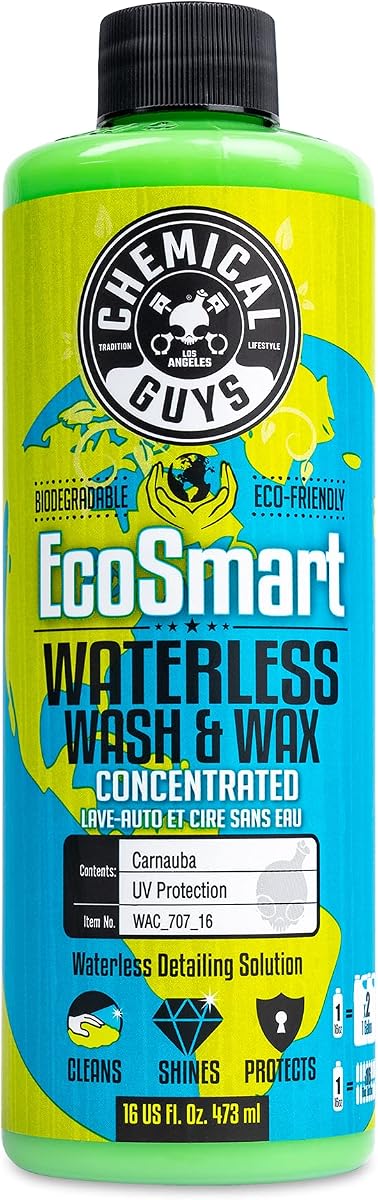
For those living in apartments or areas where outdoor hoses are winterized, the Eco-Friendly Car Wash & Wax by EcoTouch is essential. This waterless formula allows you to lift dust and light salt spray in a heated garage or on a dry day, saving gallons of water and utilizing plant-based polymers to protect the clear coat.
- Zero water waste—ideal for drought-prone or freezing regions.
- 1% for the Planet member.
- Leaves a protective carnauba-style finish.
- Not suitable for heavy, caked-on mud or thick slush.
- Requires multiple clean microfiber cloths for a safe finish.
How to choose your winter automotive kit
Selecting the right gear for the January season requires balancing vehicle longevity with environmental impact. Look for these specific features:
- ♻️ End-of-Life Planning: Choose tires and accessories from brands that participate in recycling buy-back programs.
- 💧 Water-Base Technology: Avoid aerosol sprays containing VOCs which are more harmful in dense, stagnant winter air.
- ⚖️ Concentration Levels: In winter, you use more product. Buying concentrates like Dr. Bronner's reduces shipping emissions and packaging waste.
- 🐇 Cruelty-Free Status: Ensure cleaners aren't tested on animals, as these chemicals often end up in wildlife habitats.
Frequently Asked Questions
Can I use Peppermint Castile soap on my car?
Yes, Dr. Bronner’s Peppermint Castile Soap is safe for car exteriors if diluted, but Sal Suds is generally better for the oily grime found on winter roads.
Are all-weather tires really better than winter tires?
For the eco-conscious driver, all-weather tires like the Nokian WR G4 are often superior because they eliminate the carbon footprint of owning/shipping two sets of tires and provide high performance in both slush and dry cold.
Is skateboarding viable in January?
On dry, salted days, a Bureo Ahi Cruiser is a great way to handle the "last mile" of a commute without a car, and its recycled net construction is waterproof and salt-resistant.
Why does 'biodegradable' matter for car soap?
Most storm drains lead directly to local waterways without treatment. Using biodegradable soaps ensures that the surfactants break down before they can harm aquatic life.
Final verdict
Preparing your car for January 2026 doesn't have to mean compromising your values. By swapping harsh degreasers for Sal Suds, opting for the waterless efficiency of EcoTouch, and ensuring your safety with Nokian's climate-neutral tires, you can enjoy the winter season while minimizing your footprint. The clear winner for versatility this month is the Nokian WR G4—a tire that proves sustainability and extreme winter performance are no longer mutually exclusive.