The Best FSC Certified Travel & Luggage in 2026
Every product on this page carries the FSC Certified certification and ranks among the highest for ethics in travel & luggage. Independently scored on certifications, sourcing, packaging and brand practices.
- 1
 ExcellentPETA ApprovedGlobal Recycled StandardFSC Certified1% for the Planet4.6 (89)
A vegan, sustainable travel duffel made from Portuguese cork by a Spanish-Portuguese worker cooperative, ideal for light travel during parental leave.
- 2
 ExcellentBluesignGlobal Recycled StandardFSC Certified4.7 (12,400)
A versatile daypack that utilizes 100% recycled fabrics and Bluesign-approved chemistry, backed by a world-class 'All Mighty Guarantee' for lifetime repairs.
- 3
 ExcellentCertified B CorpGlobal Recycled StandardFSC Certified4.8 (1,240)
A premium hardshell suitcase crafted from 100% recycled polycarbonate, combining Away's iconic minimalist design with a significant reduction in virgin plastic use.
- 4
 ExcellentOEKO-TEXPETA ApprovedFSC Certified4.7 (89)
A sophisticated, female-founded Belgian brand offering high-end canvas luggage designed for the organized traveler who refuses to compromise on elegance or ethical sourcing.
- 5ExcellentFSC CertifiedMade in USAVegan4.5 (145)
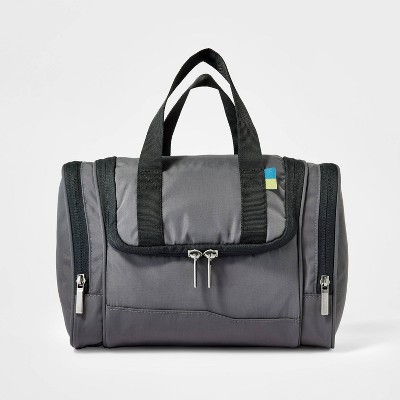
A minimalist, vegan-friendly wash bag designed with American craftsmanship and sustainable materials for the aesthetically-minded traveler.
- 6
 ExcellentB CorpFSC Certified4.8 (12,450)
A high-performance polycarbonate suitcase from a certified B Corp known for durable construction and a lifetime warranty that reduces landfill waste.
- 7
 ExcellentGlobal Recycled StandardB CorpFSC Certified4.6 (18,500)
A sophisticated hardshell suitcase tailored for the frequent flyer, now updated with a recycled polycarbonate shell and lining to minimize environmental impact.
- 8
 ExcellentFSC CertifiedGlobal Recycled Standard4.8 (4,200)
A premium, long-lasting hard-shell suitcase built from recyclable aluminum with a focus on durability over disposability.
- 9
 GoodPETA ApprovedFSC Certified4.8 (312)
An iconic Canadian brand's take on travel organization, utilizing high-quality vegan leather and FSC-certified packaging for the organized raw-food traveler.
TL;DR
The best FSC Certified travel & luggage in 2026 is The Wayfarer Cork Duffel by Arturo (Coop. De Trabalho), scoring 91/100 on our ethics index while holding FSC Certified certification — followed by Daylite Plus, The Carry-On Eco, The Eco-Canvas Weekender.
What FSC Certified certification means for travel & luggage
FSC Certified is a third-party standard, so it cannot be self-awarded. We only apply it here when the certification is verifiable at brand or product level. On top of that mark, each product carries our composite 0–100 score across ingredient or material safety, supply-chain transparency, packaging sustainability and brand-level conduct — so a certified product with a poor parent-company record still ranks below a cleaner one. We never accept payment for placement.
How to actually choose ethical travel & luggage — beyond this top 9
Picking a ethical travel & luggage product looks simple until you flip the pack over and stare at a paragraph of INCI names, three sustainability logos of unclear provenance, and a marketing story that gestures at recyclability without specifying which parts, in which country, under which scheme. What follows is our attempt to translate that fog into practical shorthand.
The ethical travel & luggage market has professionalised sharply over the last five years — a good thing when it means audited certifications and traceable supply chains, a bad thing when it means large conglomerates buying up indie brands whose ethical reputation predates their new ownership. Our brand-ownership map flags those cases directly on the product page. Where a ranking is close, the deciding factor is usually the parent company's broader record.
Green flags to look for
- Leaping Bunny + Vegan Society double-mark.
- COSMOS Organic or NATRUE for organic beauty.
- Refill or aluminium packaging over virgin plastic.
- Publicly disclosed full-ingredient list (INCI + concentrations if you're lucky).
Red flags to reject
- 'Natural' claims with no certification.
- Palm-derived surfactants (sodium palmate, glyceryl stearate) unless disclosed.
- Micas without a supplier-verified child-labour-free clause.
- Fragrance parfum blends with no allergen disclosure.
Certifications worth learning for travel & luggage
Marks that regularly hold up in this category, cross-checked against public audit trails.
EthiCompare scores every travel & luggage product across five pillars: (1) independently verified certifications, (2) ingredient- or material-level analysis against a running list of known animal-derived, palm-derived, and hazardous inputs, (3) supply-chain transparency and worker-welfare disclosures, (4) packaging and end-of-life design, and (5) parent-brand behaviour including animal-testing policy and lobbying history. Each pillar is scored 0-100 and combined into the composite ethics score you see on every card. We publicly document the methodology and never accept payment for placement.
Other certifications in travel & luggage
FSC Certified in other categories
Frequently asked about FSC Certified travel & luggage
What is the best FSC Certified travel & luggage in 2026?+
The Wayfarer Cork Duffel by Arturo (Coop. De Trabalho) leads our FSC Certified travel & luggage ranking with an ethics score of 91/100, verified against the FSC Certified standard plus our sourcing, packaging and transparency checks.
What does the FSC Certified certification actually guarantee?+
FSC Certified is a third-party standard, so a brand cannot self-declare it. We only apply the FSC Certified label to a product when the certification is verifiable at brand or product level — marketing language that merely echoes the standard does not qualify.
Is FSC Certified enough on its own when buying travel & luggage?+
No single mark covers every ethical dimension. FSC Certified addresses part of the picture, which is why each product here also carries a composite 0–100 score across ingredients or materials, supply-chain disclosure, packaging and brand-level conduct.
How often is this FSC Certified travel & luggage ranking updated?+
Positions recalculate whenever a score changes — a certification lapses, a controversy is documented, a formula changes, or a brand is acquired by a parent with a different ethics record.