web
"The softest bear we own. I love that it’s organic and gives back."
Earth-Safe Organic Teddy BearYes — Bears for Humanity scores 97/100 on EthiCompare, one of the stronger ratings in our database, with 3 of 4 ethics signals verified.
Bears for Humanity is a pioneer in the organic toy industry, producing GOTS-certified plush toys through fair trade cooperatives that prioritize social justice and environmental purity. The brand is distinguished by its 'buy one, give one' model and its commitment to a completely non-toxic, plastic-free supply chain.
| Check | Status | Evidence |
|---|---|---|
| Cruelty-free | verified | Bears for Humanity does not conduct or commission animal testing on any of its products or ingredients. |
| Vegan options | unverified | The brand offers an extensive range of 100% vegan organic plush toys made from plant-based materials. |
| Sells in mainland China | verified | The brand does not sell through channels that require mainland China post-market testing. |
| Third-party certified | verified | We record 4 distinct certifications across this brand's products. |
| Certifications | on file | GOTS, Fair Trade, Certified Humane, PETA Approved |
Scored with our public methodology. Profile last updated 2026-08-01.
Bears for Humanity offers 1 product on EthiCompare across Toys & Games, with an average ethics score of 97/10 and recurring certifications including GOTS, Fair Trade, Certified Humane.
Is Bears for Humanity ethical and cruelty-free? Read the verdict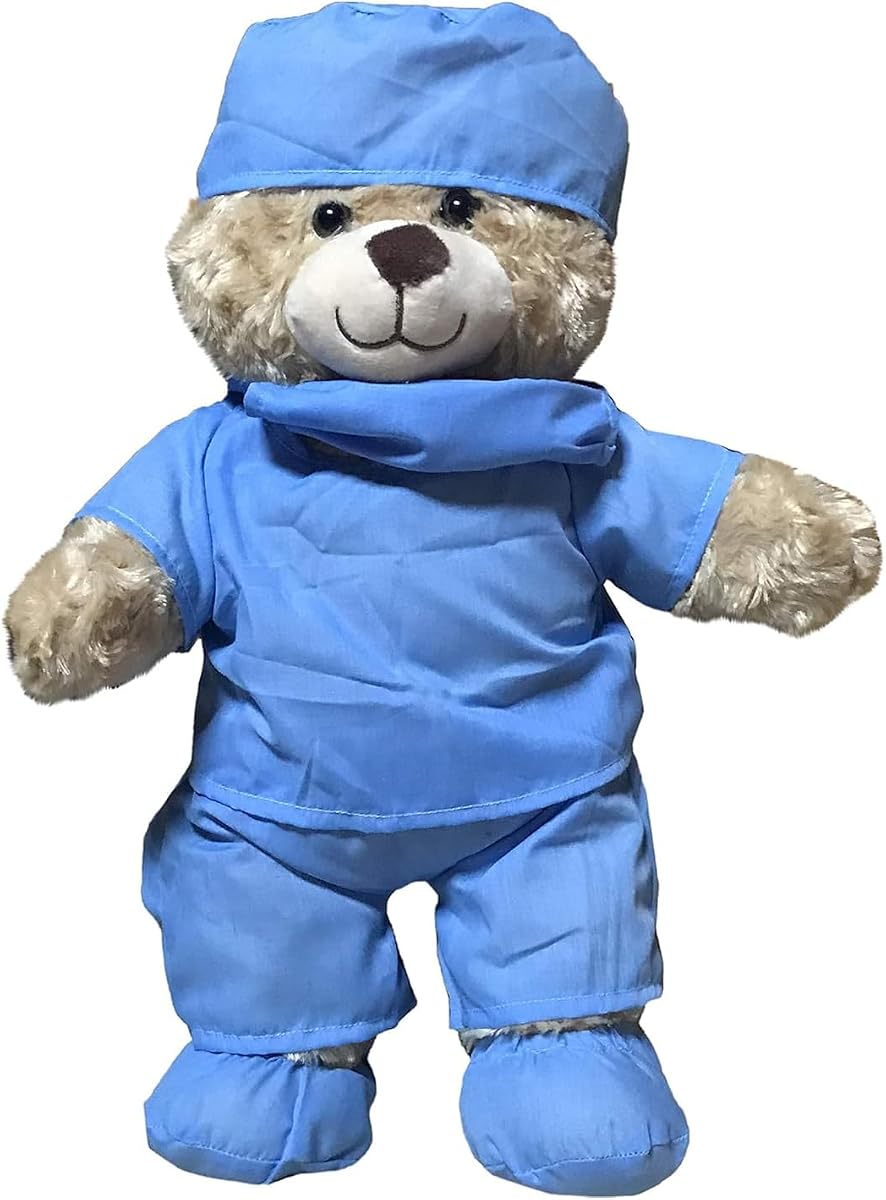
Bears for Humanity has established itself as a gold standard in the ethical toy industry, addressing the significant environmental and social concerns associated with traditional plush toy manufacturing. Founded with the mission to provide safe, organic toys for children while supporting marginalized communities, the brand operates on a unique model that blends rigorous environmental standards with a deep commitment to social welfare. Their flagship Earth-Safe Organic Teddy Bear represents a shift away from the polyester and chemically treated fabrics that dominate the global toy market, offering a biodegradable and hypoallergenic alternative made from hand-picked organic cotton.
The brand holds some of the most stringent certifications in the textile and social impact sectors. Their primary credential is the Global Organic Textile Standard (GOTS), which ensures that the entire supply chain—from harvesting raw materials to environmentally and socially responsible manufacturing—meets strict criteria. Furthermore, they are a Fair Trade certified organization, guaranteeing living wages and safe working conditions for their artisans. Their products also carry the 'Certified Humane' mark, reflecting their commitment to animal welfare throughout the sourcing of any organic materials, and they are officially recognized as PETA-Approved Vegan for their plant-based product lines.
Bears for Humanity maintains a strict policy against animal testing for all finished products and raw materials. Unlike many conventional toy manufacturers that may use dyes or synthetic finishes tested on animals, Bears for Humanity utilizes herbal, non-toxic dyes derived from plants. The majority of their product catalog is 100% vegan, utilizing organic cotton shells and recycled or organic corn fiber stuffing. By avoiding wool, silk, or animal-derived glues, the brand offers a transparently cruelty-free choice for ethically-minded consumers and families with sensitive allergies.
The brand’s sustainability strategy focuses on the elimination of 'forever chemicals' and microplastics. While most plush toys are made from polyester (a petroleum-based plastic), Bears for Humanity pledges to use GOTS-certified organic cotton, which requires significantly less water and no synthetic pesticides compared to conventional cotton. Their commitment extends to their packaging and shipping processes, where they aim to minimize carbon footprints and reduce waste. They have also pledged to remain a 'closed-loop' conscious brand, ensuring that their products are biodegradable at the end of their lifecycle rather than contributing to landfill accumulation.
Labor ethics are at the core of the Bears for Humanity identity. The brand partners with fair trade cooperatives in India and also focuses on domestic job creation in the United States. They have historically utilized the Welfare-to-Work program, providing employment, vocational training, and a living wage to women and at-risk mothers in underserved communities. This dual approach—supporting international fair trade while investing in local social mobility—sets them apart from competitors who outsource to low-transparency factories. Their supply chain is fully traceable, ensuring that no child labor or forced labor is used at any stage of production.
As of the current reporting period, there are no major controversies, legal disputes, or environmental violations on record for Bears for Humanity. The brand has maintained a high level of transparency regarding its sourcing and manufacturing. Unlike larger toy conglomerates that have faced scrutiny over factory conditions in East Asia or the presence of heavy metals in plastic components, Bears for Humanity has proactively avoided these risks through their reliance on third-party certifications like GOTS and Fair Trade USA, which involve regular independent audits.
Bears for Humanity is a rare example of a brand where the ethical claims are backed by the highest possible industry certifications. For consumers seeking a product that is safe for children, kind to the planet, and supportive of fair labor practices, the Earth-Safe Organic Teddy Bear is a premier choice. With an ethics score of 97/100, the brand leads the market in purity and social impact, proving that high-quality toys can be produced without compromising on human rights or ecological integrity.
Committed to 100% organic, non-toxic, and biodegradable materials to eliminate microplastic pollution.
Bears for Humanity does not conduct or commission animal testing on any of its products or ingredients.
The brand offers an extensive range of 100% vegan organic plush toys made from plant-based materials.
No — avoids mainland China retail channels.
Verified credentials appearing across Bears for Humanity's product range.
Average scores across our scoring pillars.
Where Bears for Humanity shows up across our directory.
Strengths mentioned most often across Bears for Humanity's products.
"Organic farming uses 91% less water than conventional cotton. Shipping uses minimal, plastic-free packaging."
1 of 1 product
A Women-owned, BIPOC-led brand producing hand-stuffed organic cotton bears through a fair-trade welfare-to-work program.
"The softest bear we own. I love that it’s organic and gives back."
Earth-Safe Organic Teddy Bear"Knowing exactly who made this bear makes it a special heirloom."
Earth-Safe Organic Teddy Bear"Highest quality organic plush bear on the market."
Earth-Safe Organic Teddy BearNo EthiCompare member reviews yet — open any product to write the first one.
We have no cruelty-free certification on file for Bears for Humanity's scored products. Absence of a certification is not proof of animal testing, but it does mean nothing independent has been verified.
Bears for Humanity averages 97/100 across the 1 products we have scored, using public certifications, sourcing disclosures and controversy records.
Parent-company ownership changes what your money supports. See our brand ownership map for the current group structure and any conflicting parent-company records.
Our alternatives page ranks comparable products by ethics score with a side-by-side difference table, so you can see exactly which pillar improves.