web
"Solid construction and makes a great cup of coffee without the waste."
French Press Coffee MakerMostly — Bialetti scores 78/100. It clears our bar on 2 of 4 ethics signals, with gaps worth checking before you buy.
Bialetti is an iconic Italian brand best known for its Moka Express stovetop espresso maker, with a moderate ethical score driven by select sustainability commitments like 1% for the Planet and FSC certification, though it lacks comprehensive transparency on labor and animal testing policies.
| Check | Status | Evidence |
|---|---|---|
| Cruelty-free | verified | Not publicly disclosed; no animal testing policy found on official website or statements. |
| Vegan options | unverified | Likely vegan by design (metal/glass products), but no formal vegan certification or dedicated range. |
| Sells in mainland China | flagged | Selling through mainland Chinese retail has historically triggered post-market animal testing. |
| Third-party certified | verified | We record 2 distinct certifications across this brand's products. |
| Certifications | on file | 1% for the Planet, FSC Certified |
Scored with our public methodology. Profile last updated 2026-09-02.
Bialetti offers 1 product on EthiCompare across Kitchen & Dining, with an average ethics score of 78/10 and recurring certifications including 1% for the Planet, FSC Certified.
Is Bialetti ethical and cruelty-free? Read the verdict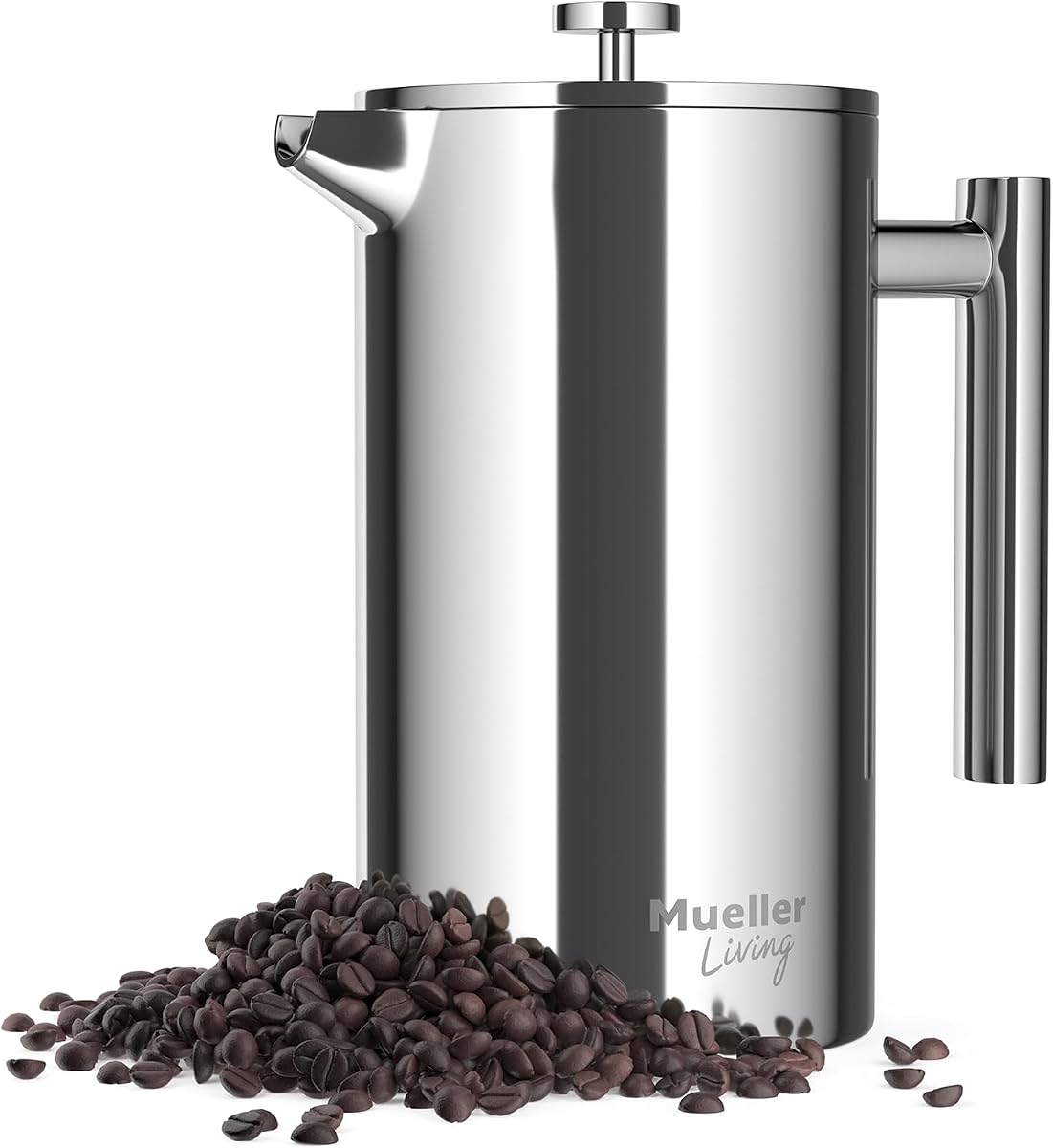
Bialetti Industrie S.p.A., founded in 1919 by Alfonso Bialetti, is a storied Italian manufacturer of coffee-making equipment, including the famous Moka Express, French presses, and espresso machines. The brand is widely recognized for its octagonal aluminum stovetop coffee maker, a design icon in Italian households. While Bialetti has made incremental steps toward sustainability — such as joining 1% for the Planet and achieving FSC certification for some packaging — its overall ethical profile remains mixed. The company has no major scandals, but its supply chain transparency and policies on animal testing are limited, making it a moderate choice for ethically conscious consumers.
Bialetti holds two notable certifications for its French Press Coffee Maker (and select other products): 1% for the Planet membership, meaning it donates 1% of sales to environmental nonprofits, and FSC (Forest Stewardship Council) Certification for paper-based packaging, ensuring responsible forestry practices. However, these certifications cover only specific product lines and not the entire brand. The company does not publicly disclose certifications for ethical labor or animal welfare, such as Fair Trade, B Corp, or Leaping Bunny.
Bialetti does not publish an explicit policy on animal testing, nor does it market a dedicated vegan product line. Its coffee makers are primarily metal and glass, with no inherent animal-derived materials, so they are likely vegan-friendly by default. However, without a formal statement or third-party certification (e.g., Vegan Action or PETA), consumers cannot confirm that all components or manufacturing processes avoid animal testing or by-products. This lack of transparency places Bialetti behind brands with clear cruelty-free commitments.
Bialetti's sustainability efforts are modest and focused on environmental partnerships. Its 1% for the Planet membership channels funds to green causes, and FSC-certified packaging reduces deforestation impact. The company also claims to use recyclable aluminum and glass in many products. However, Bialetti has not published a comprehensive sustainability report, carbon footprint reduction targets, or a circular economy strategy. The brand's Italian manufacturing base (primarily in Coccaglio, Brescia) hints at lower transport emissions for European consumers, but overall commitments lag behind industry leaders.
Transparency on Bialetti's supply chain and labor practices is minimal. The company does not publish a supplier list, code of conduct, or audit results. Its website mentions quality control and Italian design but avoids details on raw material sourcing (e.g., aluminum origins) or factory working conditions. Given the absence of major controversies, it is plausible that Bialetti meets basic legal labor standards, but without third-party audits or certifications (e.g., SA8000 or Fair Labor), ethical shoppers should view this as a weak point. The brand's products are priced accessibly, often raising questions about cost-cutting in labor or materials.
Bialetti has no significant public controversies, lawsuits, or boycotts tied to ethical violations. This clean record is a positive, but it may reflect limited media scrutiny rather than exemplary practices. The company faced financial restructuring in 2018 (due to declining sales and debt), but this was a business management issue, not an ethics scandal. Consumers seeking a 'safe' choice with no skeletons in the closet can feel reasonably confident, but the lack of whistleblower or watchdog reports means risks remain unverified.
Bialetti is a respectable legacy brand with modest sustainability steps like 1% for the Planet and FSC packaging, earning an ethics score of 78/100 for its French Press model. It earns points for no controversies and Italian manufacturing, but loses marks for opacity on labor, animal testing, and comprehensive sustainability reporting. For consumers who prioritize environmental giving and packaging over full supply chain transparency, Bialetti is a decent option. However, those seeking rigorous ethical standards (e.g., B Corp or Leaping Bunny certification) may want to explore alternative brands with greater accountability.
Donates 1% of sales via 1% for the Planet; uses FSC-certified packaging for select products.
Not publicly disclosed; no animal testing policy found on official website or statements.
Likely vegan by design (metal/glass products), but no formal vegan certification or dedicated range.
Yes — post-market animal testing may apply under local law.
Verified credentials appearing across Bialetti's product range.
Average scores across our scoring pillars.
Where Bialetti shows up across our directory.
Strengths mentioned most often across Bialetti's products.
"Zero-waste brewing (no paper filters); replacement parts available to increase product lifespan; membership in 1% for the Planet."
1 of 1 product
A classic, durable glass and stainless steel coffee press from a legacy brand now focusing on reducing single-use plastic waste and supporting environmental causes.
"Solid construction and makes a great cup of coffee without the waste."
French Press Coffee Maker"I've had mine for 5 years and it's still going strong. Just don't put the metal in the dishwasher."
French Press Coffee Maker"Beautiful addition to my morning routine. Feels much higher quality than the cheap plastic versions."
French Press Coffee MakerNo EthiCompare member reviews yet — open any product to write the first one.
We have no cruelty-free certification on file for Bialetti's scored products. Absence of a certification is not proof of animal testing, but it does mean nothing independent has been verified.
Bialetti averages 78/100 across the 1 products we have scored, using public certifications, sourcing disclosures and controversy records.
Parent-company ownership changes what your money supports. See our brand ownership map for the current group structure and any conflicting parent-company records.
Our alternatives page ranks comparable products by ethics score with a side-by-side difference table, so you can see exactly which pillar improves.