Is Everlane ethical?
Good with caveatsMostly — Everlane scores 78.1/100. It clears our bar on 1 of 3 ethics signals, with gaps worth checking before you buy.
Everlane is a US-based apparel brand known for its 'Radical Transparency' model, offering a mix of organic, recycled, and conventional products. While it holds strong third-party certifications (B Corp, GRS, Bluesign) and avoids animal testing, its ethics score is tempered by multiple controversies around workplace culture, alleged union-busting, and concerns about greenwashing its recycled collections.
| Check | Status | Evidence |
|---|---|---|
| Cruelty-free | unverified | Everlane does not test on animals and does not sell animal-tested products. |
| Vegan options | unverified | Yes, a dedicated vegan range is available (ReNew, ReCotton, ReForm lines). |
| Third-party certified | verified | We record 9 distinct certifications across this brand's products. |
| Certifications | on file | Global Recycled Standard, OEKO-TEX, Bluesign, 1% for the Planet, Climate Neutral |
Scored with our public methodology. Profile last updated 2026-11-11.
Everlane at a glance
Everlane offers 15 products on EthiCompare across Fashion & Apparel, Jewelry & Accessories, with an average ethics score of 78.1/10 and recurring certifications including Global Recycled Standard, OEKO-TEX, Bluesign.
Is Everlane ethical and cruelty-free? Read the verdict
Our editorial read on Everlane
Written from this brand's own listings, recorded certifications and ownership records in our database — never from generated or marketing copy. How we research brands
What our catalogue shows
We currently track 15 Everlane products across Jewelry & Accessories, Fashion & Apparel. Each one is scored 0–100 on ethics using the certifications, ingredient and material disclosures, packaging claims and sourcing information attached to its listing.
Across the scored range, Everlane averages 78.1/100, with individual products between 72 and 84. The average describes only the products we have scored — it is not a verdict on every product the company sells.
The highest-scoring Everlane listing in our catalogue is The ReNew Transit Backpack at 84/100, shown in the range table below with the rest of the line-up.
Certifications on file
The following credentials appear on Everlane's listings or brand profile in our database: Global Recycled Standard, OEKO-TEX, Bluesign, 1% for the Planet, Climate Neutral, GOTS, B Corp, Global Recycled Standard (GRS), BCI Cotton, OEKO-TEX Standard 100, and 1 more. A certification is recorded when it appears on a product listing or the brand's published materials; we do not independently audit certificate scope, so confirm current status in the scheme's own directory before relying on it.
Recorded policies
Our records describe Everlane's animal-testing position as follows: "Everlane does not test on animals and does not sell animal-tested products."
Everlane is recorded as selling in mainland China, where post-market animal testing can be required by local law. Shoppers who avoid any animal-testing exposure should weigh this alongside the certifications above.
On vegan suitability, our records note: "Yes, a dedicated vegan range is available (ReNew, ReCotton, ReForm lines)."
Everlane's stated sustainability commitments, as recorded in our database: "Aims for 100% preferred materials by 2025 and net-zero emissions by 2050 under the Fashion Industry Charter for Climate Action."
Policy statements above are the brand's own words as recorded in our database, shown so you can weigh them against the third-party credentials. Where a statement and a certification disagree, the certification is the stronger evidence.
Everlane ethics profile
Updated 11/11/2026Overview
Everlane launched in 2010 with a mission to disrupt the fashion industry through 'Radical Transparency'—publishing factory costs and markup breakdowns. The brand has since expanded into sustainable materials, including organic cotton, recycled polyester (ReNew), recycled down (Re-Down), and recycled wool (ReWool). It holds B Corporation certification and uses several rigorous eco-labels. However, its ethical reputation has been challenged by reports of toxic workplace culture, alleged union busting, and critiques that its marketing overstates the environmental benefits of recycled synthetics. On our comparison site, Everlane products score between 72 and 84 out of 100, reflecting a mix of strong certifications and unresolved social controversies.
Certifications
Everlane’s product range carries some of the most respected third-party certifications in sustainable fashion. Global Recycled Standard (GRS) is present on most items, verifying that materials are recycled and processed with social and environmental criteria. Bluesign® certification appears on many items, indicating that the entire supply chain meets strict standards for chemical safety, water use, and worker safety. OEKO-TEX® Standard 100 is common, ensuring the finished product is free from harmful substances. GOTS (Global Organic Textile Standard) is used on organic cotton items, guaranteeing organic fiber content and social responsibility. The brand itself is a Certified B Corporation (since 2022), meeting verified standards for environmental performance, accountability, and transparency. A few items also carry Climate Neutral and 1% for the Planet certifications.
Animal testing & vegan range
Everlane does not conduct animal testing, nor does it sell fur or exotic skins. However, it does use animal-derived materials such as down (certified recycled) and wool. The brand offers a clear vegan product line—notably the ReNew (recycled polyester) items, ReCotton tees, and ReForm leggings—all of which are labeled vegan on its website.
Sustainability pledges
Everlane pledges to use 100% preferred materials by 2025 (including organic, recycled, or regenerative fibers). It is a signatory to the Fashion Industry Charter for Climate Action, aiming for net-zero emissions by 2050. The brand also commits to zero deforestation for its leather and paper packaging, and it has eliminated single-use plastic from its supply chain.
Sourcing & labor
Everlane publishes a full list of its partner factories on its website, showing country, type of product, and basic wage differences. It claims to audit factories for safety and fair labor practices, though it does not publicly disclose full audit results. The brand requires its suppliers to follow its Code of Conduct, which prohibits forced labor, child labor, and discrimination. However, the brand has faced serious criticism for its internal treatment of employees (see Controversies below), leading some ethical watchdogs to question its labor practices beyond Tier 1 factories.
Controversies context
In 2020, former employees published a manifesto alleging systemic racism and a toxic 'bro culture' at Everlane, with Black employees reportedly excluded from meetings and professional growth. An internal law firm investigation confirmed that the company’s leadership failed to create a diverse and inclusive environment, though no illegal harassment was found. Separately, in the same year, Everlane laid off nearly 300 employees, including most of its customer experience team. The Communications Workers of America filed an NLRB complaint alleging the layoffs were designed to crush unionization efforts—charges the brand denied. Additionally, sustainability watchdogs like Good On You criticized the ReNew recycled polyester collection for promoting a false solution to plastic pollution, as recycled synthetics still shed microplastics. The brand was also sued in 2022 by shareholders for misleading investors about its 'Radical Transparency' claims.
Bottom line
Everlane is a good choice for shoppers who prioritize third-party certifications (B Corp, GRS, Bluesign) and want a broad range of recycled and organic products. It scores decently but is not a top-tier ethical leader due to persistent labor issues and greenwashing concerns. We recommend it for basics like the ReDown puffer (84/100) or the ReCotton Tee (78/100), but caution that the brand’s social ethics record lags behind its environmental certifications.
Certifications
Sustainability pledges
Aims for 100% preferred materials by 2025 and net-zero emissions by 2050 under the Fashion Industry Charter for Climate Action.
Animal testing policy
Everlane does not test on animals and does not sell animal-tested products.
Vegan range
Yes, a dedicated vegan range is available (ReNew, ReCotton, ReForm lines).
Sold in mainland China
Yes — post-market animal testing may apply under local law.
Standards & certifications
Verified credentials appearing across Everlane's product range.
Ethics breakdown
Average scores across our scoring pillars.
- Animal Welfare94.7/10
- Transparency90.3/10
- Sourcing85.9/10
- Environment83.2/10
- Labor73.2/10
Categories covered
Where Everlane shows up across our directory.
- Fashion & Apparel10
- Jewelry & Accessories5
What reviewers highlight
Strengths mentioned most often across Everlane's products.
- ✓Excellent high-capacity organization
- ✓Genuinely transparent manufacturing data
- ✓Water-resistant and very durable
- ✓Exceptionally warm using high-fill-power recycled down
- ✓Minimalist, timeless design that doesn't go out of style
- ✓Transparent supply chain disclosure for the manufacturing facility
Range at a glance
How consistent Everlane is across everything we have scored.
15
products scored
72–84
ethics score range
100%
carry a certification
$$ / $$$
price tiers
| Product | Category | Price | Ethics |
|---|---|---|---|
| The ReNew Transit Backpack | Jewelry & Accessories | $$ | 84 |
| The Re-Down® Recycled Puffer | Fashion & Apparel | $$$ | 84 |
| The Re-Down Puffy Wrap Jacket | Fashion & Apparel | $$$ | 82 |
| The ReForm High-Rise Legging | Fashion & Apparel | $$ | 79 |
| The Organic Cotton Box-Cut Tee | Fashion & Apparel | $$ | 78 |
| The Re-Down Scarf | Jewelry & Accessories | $$ | 78 |
| ReNew Lightweight Puffer | Fashion & Apparel | $$$ | 78 |
| The ReCotton Tee | Fashion & Apparel | $$ | 78 |
Brand ethics profile
Everlane is a US-based apparel brand known for its 'Radical Transparency' model, offering a mix of organic, recycled, and conventional products. While it holds strong third-party certifications (B Corp, GRS, Bluesign) and avoids animal testing, its ethics score is tempered by multiple controversies around workplace culture, alleged union-busting, and concerns about greenwashing its recycled collections.
- Animal-testing policy
- Everlane does not test on animals and does not sell animal-tested products.
- Sold in mainland China
- Yes — post-market testing may apply under local law.
- Vegan range
- Yes, a dedicated vegan range is available (ReNew, ReCotton, ReForm lines).
- Sustainability pledges
- Aims for 100% preferred materials by 2025 and net-zero emissions by 2050 under the Fashion Industry Charter for Climate Action.
Controversy timeline
(4 recorded)Greenwashing Allegations regarding 'The ReNew Collection'
The watchdog group Good On You and various sustainability experts criticized Everlane for marketing its 'ReNew' recycled plastic collection as a total solution without addressing microplastic shedding. Critics argued the brand's focus on recycled content served as greenwashing while they continued to increase overall production volumes.
Source- Medium
CPA Investigation into Worker Rights and Corporate Culture
Following public outcry over worker treatment, Everlane hired an outside law firm to investigate its internal culture. The investigation concluded that while there was no illegal harassment, the company leadership failed to create a diverse and inclusive environment and had inconsistent management practices that harmed employee well-being.
Source - Medium
Anti-Black Racism and Toxic Culture Allegations
Former employees under the group 'Ex-Everlane' published a manifesto alleging a culture of systemic racism and professional gaslighting at the company. The document detailed instances where Black employees were excluded from meetings and lacked growth opportunities, contradicting the brand's 'Radical Transparency' marketing.
Source - Medium
Union Busting Allegations and 'Everlane Exits' Campaign
In 2020, Everlane laid off nearly 300 employees, including a significant portion of its customer experience team that was in the process of unionizing. The Communications Workers of America (CWA) filed a complaint with the National Labor Relations Board, alleging the company used the COVID-19 pandemic as a cover to illegally target pro-union workers.
Source
Sustainability commitments
"Everlane has moved 97% of its apparel materials to recycled fibers as of 2023."
"The jacket uses GRS-certified recycled materials and is produced in a facility that undergoes third-party social audits. The circular down process saves an estimated 70% in energy compared to virgin down production."
"Uses 100% recycled materials; fluorocarbon-free water repellent; shipped in recycled polybags."
All Everlane products
15 of 15 products
A highly functional commuter bag made from 100% recycled polyester (derived from 27 plastic bottles) with full factory transparency.
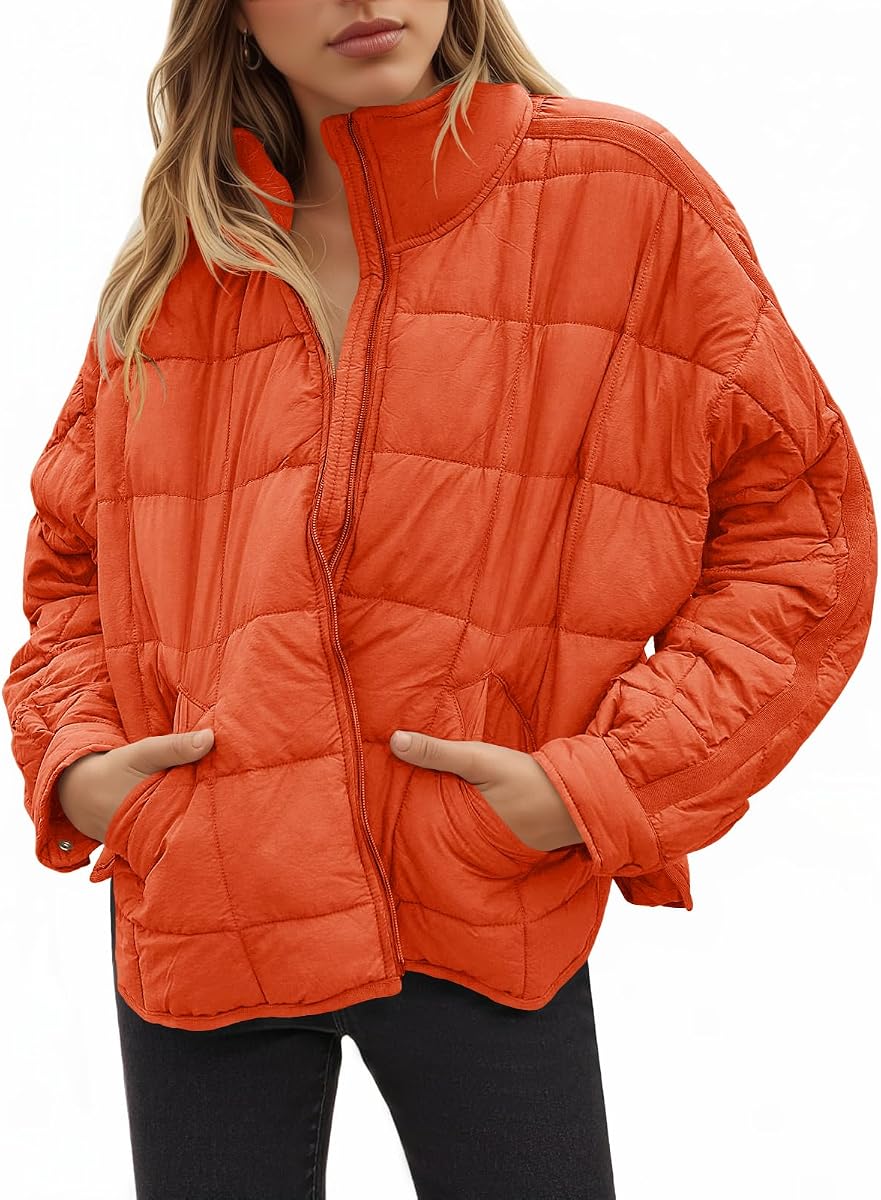
A high-performance winter staple crafted from 100% recycled technical fabrics and reclaimed down insulation. This jacket balances modern aesthetics with a circular manufacturing model that diverts waste from landfills.

A high-performance winter coat made from 100% recycled down and 100% recycled polyester shell, merging modern aesthetics with circular fashion principles.

A high-performance legging made from 82% recycled Italian nylon, offering superior stretch, compression, and sweat-wicking properties.

A staple heavy-weight organic cotton tee produced in high-compliance factories with full cost transparency.

A high-performance winter accessory made from 100% recycled down and 100% recycled polyester. Everlane’s focus on radical transparency provides a detailed look at factory conditions.

A versatile, packable puffer jacket made from 100% recycled polyester (including the insulation), diverting plastic waste from landfills.

A staple basic prioritized for material circularity, utilizing 60% recycled cotton to reduce water consumption and textile waste.

A timeless wardrobe staple made from 100% organic cotton, produced in ethical factories with transparent pricing structures.

A sophisticated, sustainably-sourced knit made from recycled Italian wool and nylon, balancing timeless style with a reduced environmental footprint.

A sophisticated oversized tote made from recycled leather scraps, reducing waste while maintaining a high-end aesthetic.

A heavy-duty winter parka made from 64 recycled plastic bottles, featuring a fluorocarbon-free water-resistant finish.
Common questions about Everlane
Is Everlane cruelty-free?+
We have no cruelty-free certification on file for Everlane's scored products. Absence of a certification is not proof of animal testing, but it does mean nothing independent has been verified.
How does Everlane score overall?+
Everlane averages 78.1/100 across the 15 products we have scored, using public certifications, sourcing disclosures and controversy records.
Who owns Everlane?+
Parent-company ownership changes what your money supports. See our brand ownership map for the current group structure and any conflicting parent-company records.
What are the best alternatives to Everlane?+
Our alternatives page ranks comparable products by ethics score with a side-by-side difference table, so you can see exactly which pillar improves.