web
"Perfect height for my veggies and I love that it's not made of plastic."
Organic Raised Garden Bed KitMostly — Greenes Fence scores 79.5/100. It clears our bar on 3 of 4 ethics signals, with gaps worth checking before you buy.
Greenes Fence is a leading American manufacturer of cedar garden products characterized by a strong commitment to sustainable forestry and organic gardening standards. The company maintains an impressive ethical profile through FSC-certified sourcing, domestic manufacturing, and a focus on chemical-free, untreated wood products.
| Check | Status | Evidence |
|---|---|---|
| Cruelty-free | verified | No animal testing is conducted for wood garden products and hardware. |
| Vegan options | unverified | All cedar wood products are 100% vegan and free from animal-derived treatments. |
| Sells in mainland China | verified | The brand does not sell through channels that require mainland China post-market testing. |
| Third-party certified | verified | We record 5 distinct certifications across this brand's products. |
| Certifications | on file | FSC Certified, Non-GMO, USDA Organic, 1% for the Planet, Made in USA |
Scored with our public methodology. Profile last updated 2026-07-30.
Greenes Fence offers 4 products on EthiCompare across Garden & Outdoors, with an average ethics score of 79.5/10 and recurring certifications including FSC Certified, Non-GMO, USDA Organic.
Is Greenes Fence ethical and cruelty-free? Read the verdict
Greenes Fence is a family-owned company established in 1893, specializing in cedar garden products including raised beds, fencing, and garden edging. Based in Cleveland, Ohio, the company has transitioned from a traditional fencing manufacturer into a premiere ethical choice for organic gardeners. Their products are primarily constructed from North American Cedar, a wood species naturally resistant to rot and insects, which allows the brand to avoid the toxic chemical treatments common in pressure-treated lumber. Greenes Fence caters to the environmentally conscious consumer by offering modular, easy-to-assemble kits that prioritize durability and ecological safety.
The brand distinguishes itself through a rigorous adherence to third-party certifications. Most notably, a significant portion of their product line is FSC (Forest Stewardship Council) Certified, ensuring that the wood is harvested from forests that are managed responsibly to protect biodiversity and ecological processes. For their specialized organic line, they have attained USDA Organic and Non-GMO designations, which is particularly relevant for gardeners growing food for human consumption. Furthermore, the company demonstrates corporate social responsibility by participating in the 1% for the Planet initiative for specific product lines, pledging a portion of sales to environmental causes.
As a manufacturer of wood-based garden hardware, Greenes Fence does not engage in animal testing. Their products are inherently vegan as they consist of untreated cedar wood and galvanized steel hardware. Unlike plastic-based raised beds or those made from composite materials, Greenes Fence products do not contain animal-derived binders or secret glues. The lack of chemical sealants or petroleum-based coatings makes these products ideal for veganic gardening practices, which seek to exclude all animal-derived inputs from the cultivation process.
Greenes Fence focuses its sustainability efforts on three core pillars: sourcing, longevity, and end-of-life disposal. By utilizing rot-resistant cedar, the brand ensures a long product lifespan without the need for synthetic preservatives. They have pledged to maintain a domestic supply chain where possible, which significantly reduces the carbon footprint associated with international shipping. Their commitment to the 1% for the Planet movement reflects a broader pledge to support global reforestation and environmental advocacy. Additionally, the brand continuously improves its packaging to reduce single-use plastics in their retail kits.
Greenes Fence takes pride in its "Made in the USA" labels for many of its core kits. By manufacturing domestically in Ohio, the company ensures compliance with U.S. labor laws, providing fair wages and safe working conditions for its employees. The wood is sourced from North American forests, specifically utilizing Western Red Cedar and Northern White Cedar. This geographic proximity allows for better oversight of logging practices compared to tropical hardwood alternatives. The supply chain is audited through the FSC chain-of-custody process, guaranteeing that the wood used in their beds can be traced back to a certified sustainable source.
There are no major ethical controversies, environmental lawsuits, or labor violations on record for Greenes Fence. Unlike many large-scale retailers in the home improvement sector that have faced criticism for sourcing wood from endangered rainforests or using toxic CCA (Chromated Copper Arsenate) treatments, Greenes Fence has maintained a clean record. The brand’s transparency regarding its material composition—specifically identifying their wood as untreated and naturally resistant—has protected them from the consumer backlash often leveled at manufacturers of chemically treated garden products.
Greenes Fence earns high ethical marks (ranging from 76 to 88 out of 100) due to its consistent use of sustainably harvested timber and its rejection of harmful chemical treatments. For consumers seeking a raised garden bed that is safe for growing vegetables and comes from a reputable, transparent supply chain, Greenes Fence stands as a top-tier option. Their blend of FSC-certified wood, domestic labor, and organic-approved materials makes them a leader in the sustainable gardening industry.
Committed to FSC-certified sourcing, domestic manufacturing, and 1% for the Planet contributions.
No animal testing is conducted for wood garden products and hardware.
All cedar wood products are 100% vegan and free from animal-derived treatments.
No — avoids mainland China retail channels.
Verified credentials appearing across Greenes Fence's product range.
Average scores across our scoring pillars.
Where Greenes Fence shows up across our directory.
Strengths mentioned most often across Greenes Fence's products.
How consistent Greenes Fence is across everything we have scored.
4
products scored
76–88
ethics score range
100%
carry a certification
$$ / $$$
price tiers
| Product | Category | Price | Ethics |
|---|---|---|---|
| Organic Raised Garden Bed Kit | Garden & Outdoors | $$$ | 88 |
| Cedar Wood Raised Garden Bed | Garden & Outdoors | $$$ | 78 |
| Classic 4x4 Cedar Raised Garden Bed | Garden & Outdoors | $$ | 76 |
| Cedar Raised Garden Bed Kit | Garden & Outdoors | $$$ | 76 |
"Domestic production reduces carbon footprint. Cedar is a renewable resource and the kit is plastic-free."
"Sourced from sustainably managed forests in North America; wood scraps repurposed for mulch."
"Sourced from FSC-managed forests. Cedar's natural lifespan reduces the waste associated with replacing rotted pine beds every 2-3 years."
4 of 4 products
An American-made, chemical-free Cedar garden bed that promotes organic gardening without the use of toxic stains or plastic liners.
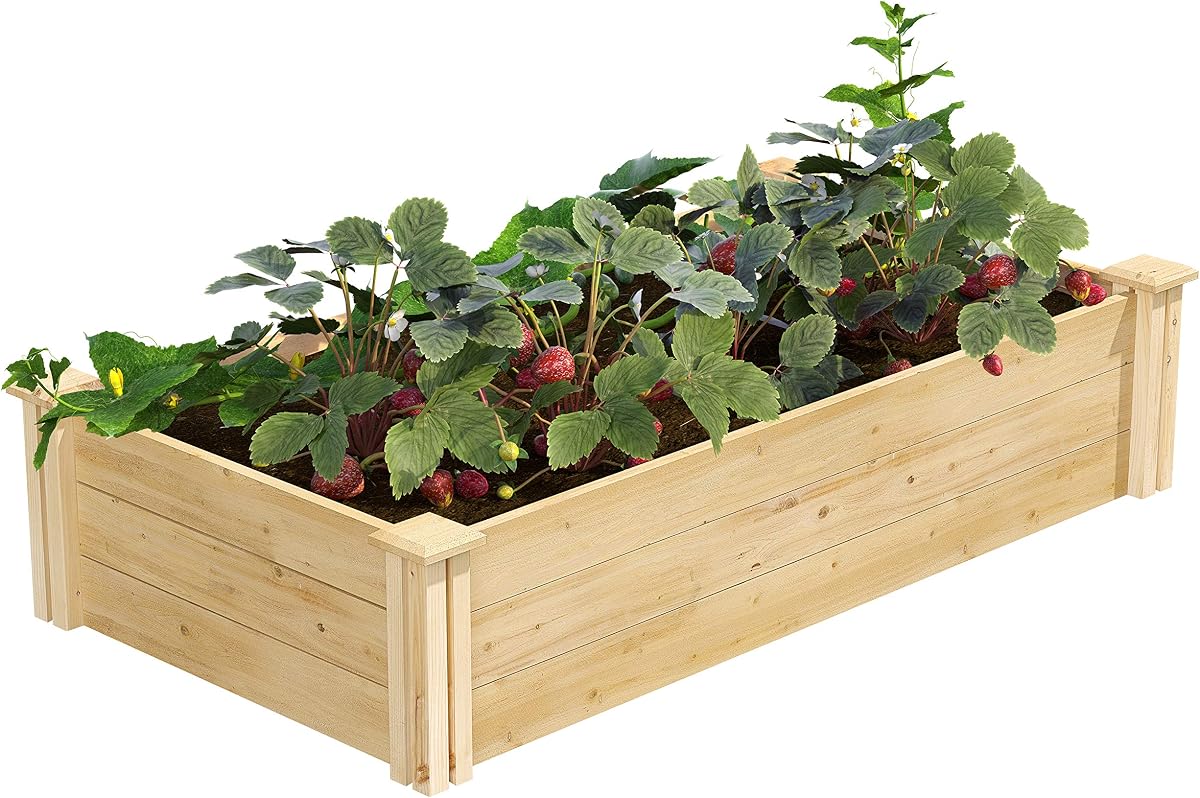
A standard-setting raised bed made from North American Cedar, utilizing a chemical-free preservation method and glueless assembly.

A timeless, tool-free raised garden bed made from North American Cedar. This product focuses on natural longevity without the use of toxic chemical treatments.

An American-made, chemical-free cedar raised bed that utilizes sustainably harvested wood to provide a durable growing space for organic vegetables.
"Perfect height for my veggies and I love that it's not made of plastic."
Organic Raised Garden Bed Kit"Assembled it in 10 minutes. Solid and smells great."
Organic Raised Garden Bed Kit"Great way to start a garden without worrying about toxins leaching into carrots."
Organic Raised Garden Bed Kit"Put together three of these in under an hour. My kale is thriving."
Cedar Wood Raised Garden Bed"Beautiful raw wood. Much better than the plastic alternatives."
Cedar Wood Raised Garden Bed"Some boards were slightly bowed, but they straightened once filled with soil."
Cedar Wood Raised Garden BedNo EthiCompare member reviews yet — open any product to write the first one.
We have no cruelty-free certification on file for Greenes Fence's scored products. Absence of a certification is not proof of animal testing, but it does mean nothing independent has been verified.
Greenes Fence averages 79.5/100 across the 4 products we have scored, using public certifications, sourcing disclosures and controversy records.
Parent-company ownership changes what your money supports. See our brand ownership map for the current group structure and any conflicting parent-company records.
Our alternatives page ranks comparable products by ethics score with a side-by-side difference table, so you can see exactly which pillar improves.