Is House of Marley ethical?
RecommendedYes — House of Marley scores 80.7/100 on EthiCompare, one of the stronger ratings in our database, with 3 of 4 ethics signals verified.
House of Marley is a high-performing audio brand recognized for integrating sustainable materials like FSC-certified wood and recycled plastics into consumer electronics. With consistent ethical ratings between 78 and 82, they lead their sector through environmental transparency and charitable partnerships.
| Check | Status | Evidence |
|---|---|---|
| Cruelty-free | verified | No animal testing is conducted; focuses on sustainable material engineering. |
| Vegan options | verified | Extensive range featuring REWIND™ fabric and organic materials instead of leather. |
| Sells in mainland China | flagged | Selling through mainland Chinese retail has historically triggered post-market animal testing. |
| Third-party certified | verified | We record 4 distinct certifications across this brand's products. |
| Certifications | on file | FSC Certified, Global Recycled Standard, 1% for the Planet, Vegan |
Scored with our public methodology. Profile last updated 2026-07-18.
House of Marley at a glance
House of Marley offers 6 products on EthiCompare across Electronics & Tech, with an average ethics score of 80.7/10 and recurring certifications including FSC Certified, Global Recycled Standard, 1% for the Planet.
Is House of Marley ethical and cruelty-free? Read the verdict
House of Marley ethics profile
Updated 7/18/2026Overview
House of Marley was founded in collaboration with the family of Bob Marley to carry forward his legacy of love for music and the planet. Unlike many mainstream electronics companies that rely heavily on virgin plastics and non-recyclable components, House of Marley has carved a niche in the audio market by prioritizing 'Earth-Friendly' materials. Their product lineup, ranging from Bluetooth speakers like the 'Get Together 2' to the 'Stir It Up' turntables, consistently scores high in ethical comparisons (averaging 78-82/100) due to their rigorous material selection and commitment to reforestation efforts. The brand operates under the corporate umbrella of FKA Brands, yet maintains a distinct identity centered on eco-conscious engineering.
Certifications
House of Marley holds several key third-party certifications that validate their environmental claims. Their primary achievement is the extensive use of FSC Certified wood and bamboo, ensuring that the timber used in speaker casing and turntable bases comes from responsibly managed forests that provide environmental, social, and economic benefits. Many of their products also carry the Global Recycled Standard (GRS), which tracks and verifies the content of recycled materials in the final product. Additionally, the brand is a member of 1% for the Planet, committing a portion of their annual sales to environmental nonprofits. Many products are also labeled as Vegan, signifying that no animal-derived glues or materials are used in the construction of the headphones or speakers.
Animal testing & vegan range
As an electronics brand, House of Marley does not engage in animal testing, a practice largely irrelevant to the audio industry but still a point of concern for holistic ethical shoppers. More importantly, House of Marley offers a robust vegan-friendly range. While many high-end audio brands utilize animal leathers for ear cushions or headbands, House of Marley replaces these with their proprietary REWIND™ fabric (a blend of reclaimed hemp, organic cotton, and recycled plastic bottles) or vegan leather alternatives. Their commitment to vegan materials is integrated across their core product lines, including the Get Together series and several headphone models.
Sustainability pledges
The brand’s primary sustainability pledge revolves around its 'Project Marley' initiative. In partnership with One Tree Planted, House of Marley has contributed to the planting of over 340,000 trees globally to date. Their technical pledges focus on the 'circular' nature of materials. They utilize REGRIND™ Silicone, a specially developed material created by reclaiming and upcycling post-process and post-consumer waste. They also prioritize the use of recyclable metals, such as aluminum and stainless steel, which are easier to recover during the e-waste recycling process compared to composite plastics.
Sourcing & labor
House of Marley sources materials with a focus on low-impact production. This includes organic cotton, reclaimed hemp, and bamboo—one of the fastest-growing plants on earth. Regarding labor, as part of FKA Brands, the company adheres to a Supplier Code of Conduct that prohibits child labor and forced labor, requiring safe working conditions and fair wages. While they do not currently hold Fair Trade certification for their electronics assembly, their reliance on GRS-certified materials provides a higher level of supply chain visibility than many of their direct competitors in the consumer tech space.
Controversies context
At present, there are no major environmental or human rights controversies on record for House of Marley. They have avoided the common pitfalls of 'greenwashing' by maintaining third-party certifications like FSC and GRS. While some critics point out the inherent difficulty of making electronics truly 'green' due to lithium-ion batteries and printed circuit boards, House of Marley is largely recognized as a leader in mitigation and responsible material substitution within their industry.
Bottom line
House of Marley stands out as a top-tier choice for consumers seeking high-quality audio without the traditional environmental footprint of consumer electronics. Their consistent use of recycled materials, transparent certification through FSC, and active contributions to global reforestation make them a benchmark for ethical hardware. For those prioritizing both aesthetics and ethics, their products offer a rare combination of sustainable craftsmanship and technical performance.
Certifications
Sustainability pledges
Project Marley supports global reforestation; committed to using regrind and recycled materials in all electronics.
Animal testing policy
No animal testing is conducted; focuses on sustainable material engineering.
Vegan range
Extensive range featuring REWIND™ fabric and organic materials instead of leather.
Sold in mainland China
Yes — post-market animal testing may apply under local law.
Standards & certifications
Verified credentials appearing across House of Marley's product range.
Ethics breakdown
Average scores across our scoring pillars.
- Animal Welfare97.5/10
- Environment87.8/10
- Sourcing84.5/10
- Labor74.3/10
- Transparency70/10
Categories covered
Where House of Marley shows up across our directory.
- Electronics & Tech6
What reviewers highlight
Strengths mentioned most often across House of Marley's products.
- ✓Beautiful sustainable bamboo design
- ✓Supports reforestation projects
- ✓Supports reforestation through sales
- ✓Beautiful natural bamboo finish
- ✓Powerful 40W output with clear bass
- ✓Easy Bluetooth pairing with speakers
Range at a glance
How consistent House of Marley is across everything we have scored.
6
products scored
78–82
ethics score range
100%
carry a certification
$$
price tiers
| Product | Category | Price | Ethics |
|---|---|---|---|
| House of Marley Get Together 2 | Electronics & Tech | $$ | 82 |
| House of Marley Stir It Up Wireless Turntable | Electronics & Tech | $$ | 82 |
| The House of Marley Get Together 2 | Electronics & Tech | $$ | 82 |
| Fairchild High-Fidelity Headphones | Electronics & Tech | $$ | 82 |
| House of Marley Get Together 2 Bluetooth Speaker | Electronics & Tech | $$ | 78 |
| Timberleaf Headphones | Electronics & Tech | $$ | 78 |
Sustainability commitments
"Uses FSC-certified wood; supports One Tree Planted; plastic-free packaging; recycled material construction."
"Packaging is 100% recyclable. Part of the proceeds supports global reforestation efforts."
"A portion of every sale goes to One Tree Planted. Fully recyclable packaging."
Products from House of Marley
A high-fidelity Bluetooth speaker crafted from sustainable bamboo and recycled materials, supporting global reforestation through Project Marley.

A high-fidelity turntable built from sustainable bamboo and recycled materials, supporting global reforestation through Project Marley.
A powerful Bluetooth speaker crafted from sustainable bamboo and recycled materials, supporting global reforestation efforts through Project Marley.

The House of Marley Fairchild headphones combine high-quality audio with signature sustainable materials like FSC-certified wood and recycled aluminum.
A stylish, mid-range Bluetooth speaker built from sustainable bamboo and recycled fabric with respectable audio quality.
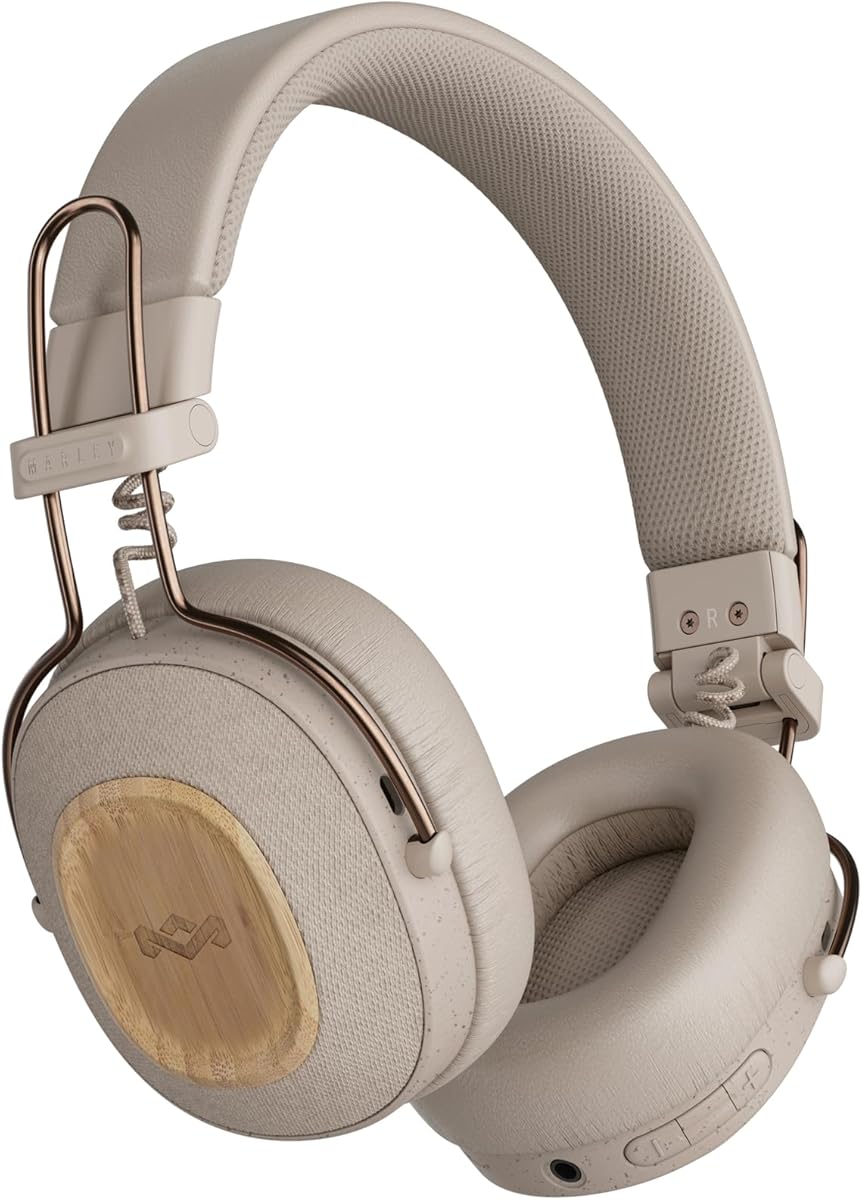
High-fidelity Bluetooth headphones crafted from sustainable REWIND™ fabric, FSC-certified woods, and recycled aluminum.
Common questions about House of Marley
Is House of Marley cruelty-free?+
We have no cruelty-free certification on file for House of Marley's scored products. Absence of a certification is not proof of animal testing, but it does mean nothing independent has been verified.
How does House of Marley score overall?+
House of Marley averages 80.7/100 across the 6 products we have scored, using public certifications, sourcing disclosures and controversy records.
Who owns House of Marley?+
Parent-company ownership changes what your money supports. See our brand ownership map for the current group structure and any conflicting parent-company records.
What are the best alternatives to House of Marley?+
Our alternatives page ranks comparable products by ethics score with a side-by-side difference table, so you can see exactly which pillar improves.