web
"Truly a game changer for my daily workflow."
The Regenerative Business Annual: 2024 Large Format EditionYes — Karst scores 94/100 on EthiCompare, one of the stronger ratings in our database, with 2 of 4 ethics signals verified.
Karst is a leading sustainable stationery brand reinventing traditional paper by using calcium carbonate repurposed from mining waste instead of wood pulp. As a certified B Corp and Cradle to Cradle Silver recipient, they offer a high-performance, water-resistant alternative to conventional notebooks with a significantly lower environmental footprint.
| Check | Status | Evidence |
|---|---|---|
| Cruelty-free | unverified | Karst does not conduct or commission animal testing on its products or materials. |
| Vegan options | unverified | All Karst notebooks and accessories are made without animal-derived materials. |
| Sells in mainland China | verified | The brand does not sell through channels that require mainland China post-market testing. |
| Third-party certified | verified | We record 5 distinct certifications across this brand's products. |
| Certifications | on file | B Corp, Climate Neutral, Cradle to Cradle, Global Recycled Standard, 1% for the Planet |
Scored with our public methodology. Profile last updated 2026-07-22.
Karst offers 4 products on EthiCompare across Office & Stationery, Books & Media, with an average ethics score of 94/10 and recurring certifications including B Corp, Climate Neutral, Cradle to Cradle.
Is Karst ethical and cruelty-free? Read the verdict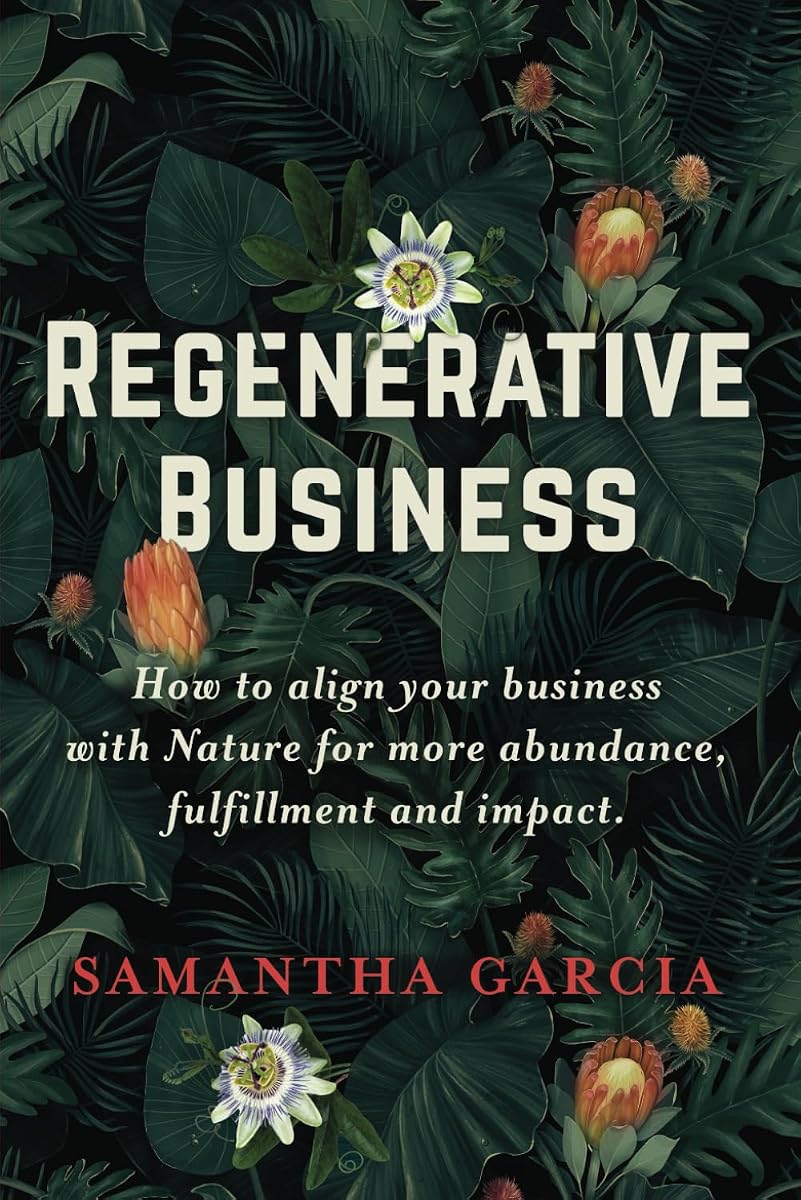
Founded in Sydney, Australia, Karst emerged with the goal of disrupting the traditional paper industry, which is a major driver of deforestation and industrial water consumption. The brand's flagship innovation is 'stone paper'—a material made from calcium carbonate (repurposed construction and mining waste) and a small amount of non-toxic resin (HDPE). By eliminating the need for timber, water, or bleach in the manufacturing process, Karst offers a durable, waterproof, and tear-resistant writing experience that appeals to eco-conscious consumers and professional creatives alike. Their product range, particularly the A5 series, consistently scores high on ethical benchmarks due to their closed-loop manufacturing philosophy and transparent reporting.
Karst holds some of the most rigorous third-party validations in the consumer goods industry. They are a certified B Corporation, meeting high standards of verified social and environmental performance, public transparency, and legal accountability. Most notably, their products have earned the Cradle to Cradle Silver certification, which evaluates products across five categories of human and environmental health: material health, product circularity, clean air and climate protection, water and soil stewardship, and social fairness. Additionally, Karst is certified Climate Neutral, meaning they measure, reduce, and offset their entire carbon footprint, and they are members of 1% for the Planet, committing a portion of sales to environmental non-profits.
Karst products do not utilize animal-derived components, and the brand does not conduct or commission animal testing. The 'leather' look of their hardcover notebooks is achieved through vegan-friendly materials, and the stone paper itself is synthesized from mineral waste and synthetic binders. While the brand does not currently hold a specific PETA or Leaping Bunny certification, their material composition is inherently vegan-friendly, avoiding the glues and dyes derived from animal byproducts common in premium traditional bookbinding.
Beyond their current manufacturing methods, Karst has pledged to strictly adhere to a zero-deforestation policy. Their production process for stone paper uses 60% less energy than the production of wood-pulp paper and requires zero water, preventing the discharge of harmful chemicals into local waterways. The brand also maintains a commitment to carbon neutrality; they offset their operational emissions through verified forestry and renewable energy projects. Their long-term goals focus on further improving the biodegradability of their resin binders to move toward a fully compostable product line without sacrificing the longevity of the notebooks.
Karst emphasizes ethical manufacturing and supply chain transparency. Their stone paper is manufactured in facilities that prioritize waste reduction and energy efficiency. As a B Corp, they are required to provide evidence of fair labor practices throughout their supply chain, ensuring that workers are treated ethically and paid living wages. By sourcing redirected waste (calcium carbonate) from existing industries rather than harvesting raw timber, Karst reduces the labor-intensive and often hazardous risks associated with logging and large-scale industrial pulping mills.
There are no major ethical controversies, lawsuits, or labor disputes on record for Karst. While some environmental critics point out that stone paper contains HDPE (a type of plastic) to bind the minerals, Karst addresses this by highlighting that their resin is recyclable and that the overall carbon and water savings significantly outweigh the impact of the minimal plastic content compared to the heavy resource intensity of the traditional paper industry.
Karst is a top-tier choice for consumers looking to decouple their stationery habit from deforestation. With an ethics score consistently above 90/100, the brand sets a high bar for material innovation. Their notebooks are not just eco-friendly alternatives but high-performance tools that offer unique benefits like water resistance. For those who value B Corp transparency and Cradle to Cradle circularity, Karst represents one of the most sustainable options in the global stationery market today.
Committed to carbon neutrality, zero water usage in production, and zero deforestation.
Karst does not conduct or commission animal testing on its products or materials.
All Karst notebooks and accessories are made without animal-derived materials.
No — avoids mainland China retail channels.
Verified credentials appearing across Karst's product range.
Average scores across our scoring pillars.
Where Karst shows up across our directory.
Strengths mentioned most often across Karst's products.
How consistent Karst is across everything we have scored.
4
products scored
92–96
ethics score range
100%
carry a certification
$$ / $$$
price tiers
| Product | Category | Price | Ethics |
|---|---|---|---|
| The Regenerative Business Annual: 2024 Large Format Edition | Books & Media | $$ | 96 |
| The A5 Notebook | Office & Stationery | $$$ | 94 |
| Eco-Friendly A5 Hardcover Notebook | Office & Stationery | $$ | 94 |
| Soft Cover A5 Notebook | Office & Stationery | $$ | 92 |
"Zero water usage in production; powered by solar energy in the Sydney facility."
"Saves 18 trees per ton of paper; 100% solar powered manufacturing; carbon neutral shipping."
"100% tree-free. Production uses no water, no bleach, and no acids. Carbon neutral shipping and solar-powered manufacturing."
4 of 4 products
A revolutionary stone-paper planner and almanac that requires zero water and zero trees to produce, perfect for the eco-conscious founder.

Revolutionary 'stone paper' notebooks made without water, trees, or bleach, providing a waterproof and tear-resistant writing surface.

A revolutionary tree-free notebook made from repurposed calcium carbonate (stone) instead of wood pulp, using significantly less water and energy in production.

A revolutionary waterproof notebook made entirely from recycled stone waste instead of trees, utilizing zero water or bleach during production.
"Truly a game changer for my daily workflow."
The Regenerative Business Annual: 2024 Large Format Edition"The texture is unlike anything else—pure luxury."
The Regenerative Business Annual: 2024 Large Format Edition"So glad to find an ethical Australian alternative to Moleskine."
The Regenerative Business Annual: 2024 Large Format Edition"The smoothest paper I have ever touched. It feels like silk."
The A5 Notebook"Great for hiking, I don't worry about the rain ruining my sketches."
The A5 Notebook"Gel pens take forever to dry, stay with ballpoint."
The A5 NotebookNo EthiCompare member reviews yet — open any product to write the first one.
We have no cruelty-free certification on file for Karst's scored products. Absence of a certification is not proof of animal testing, but it does mean nothing independent has been verified.
Karst averages 94/100 across the 4 products we have scored, using public certifications, sourcing disclosures and controversy records.
Parent-company ownership changes what your money supports. See our brand ownership map for the current group structure and any conflicting parent-company records.
Our alternatives page ranks comparable products by ethics score with a side-by-side difference table, so you can see exactly which pillar improves.