Is Late for the Sky ethical?
RecommendedYes — Late for the Sky scores 83.5/100 on EthiCompare, one of the stronger ratings in our database, with 2 of 4 ethics signals verified.
Late for the Sky is a specialized board game manufacturer that balances traditional production with strong environmental commitments, particularly through its Earthopoly line. The company is characterized by domestic production practices and a commitment to verified environmental certifications.
| Check | Status | Evidence |
|---|---|---|
| Cruelty-free | unverified | The company does not conduct or commission animal testing for its board game products. |
| Vegan options | unverified | Most products use vegetable-based inks and recycled cardboard, though not officially certified vegan. |
| Sells in mainland China | verified | The brand does not sell through channels that require mainland China post-market testing. |
| Third-party certified | verified | We record 3 distinct certifications across this brand's products. |
| Certifications | on file | FSC Certified, 1% for the Planet, Climate Neutral |
Scored with our public methodology. Profile last updated 2026-07-28.
Late for the Sky at a glance
Late for the Sky offers 2 products on EthiCompare across Toys & Games, with an average ethics score of 83.5/10 and recurring certifications including FSC Certified, 1% for the Planet, Climate Neutral.
Is Late for the Sky ethical and cruelty-free? Read the verdict
Late for the Sky ethics profile
Updated 7/28/2026Overview
Late for the Sky Production Company, founded in 1985 and based in Cincinnati, Ohio, has carved a niche in the tabletop gaming industry by specializing in custom board games, most notably its 'Opoly' series. While many toy manufacturers have outsourced production to overseas facilities to minimize costs, Late for the Sky maintains a significant portion of its manufacturing processes within the United States. This domestic focus allows for tighter oversight of environmental standards and labor practices. The brand has increasingly pivoted toward sustainability, creating specific product lines like Earthopoly that serve as benchmarks for eco-friendly game production, utilizing recycled materials and supporting global environmental initiatives.
Certifications
The brand’s commitment to transparency is solidified by several third-party certifications, particularly for its environmentally focused titles. The FSC (Forest Stewardship Council) certification ensures that the paper and cardboard used in game boards, boxes, and cards are sourced from responsibly managed forests that provide environmental, social, and economic benefits. Furthermore, Late for the Sky is a member of 1% for the Planet, a global movement where businesses commit to donating 1% of their annual sales to environmental organizations. Specific products also carry the Climate Neutral certification, indicating that the company has measured, reduced, and offset the carbon footprint associated with those specific items, making them a leader in the niche movement toward carbon-neutral gaming.
Animal testing & vegan range
As a manufacturer of board games, Late for the Sky does not engage in animal testing. Unlike cosmetics or household cleaning brands, the primary ethical concern in this category regarding animal welfare involves the use of animal-derived glues or components. While the company does not currently hold a universal 'Certified Vegan' label across all products, their move toward vegetable-based inks and recycled materials reduces the reliance on traditional animal-byproduct industrial substances. The Earthopoly line is particularly notable for its shift away from standard plastics, utilizing more sustainable, plant-based or natural materials for game pieces where possible.
Sustainability pledges
Late for the Sky focuses its sustainability pledges on waste reduction and resource conservation. The company has integrated the use of recycled paper and soy-based inks into its production cycles. By pledging to support 1% for the Planet, they ensure a consistent flow of capital toward reforestation and conservation efforts. Their long-term goal revolves around the 'Earth-Friendly' designation for their catalog, ensuring that the lifecycle of a board game—from forestry to the eventual disposal—minimizes landfill impact. The company also minimizes excessive packaging, a common issue in the toy industry, by sizing boxes appropriately to the components contained within.
Sourcing & labor
One of the strongest ethical pillars for Late for the Sky is its commitment to domestic manufacturing. By producing games in Cincinnati, Ohio, the company adheres to stringent US labor laws, ensuring fair wages, safe working conditions, and the absence of child or forced labor—risks that are often higher in international toy manufacturing hubs. Sourcing for their FSC-certified products involves a traceable supply chain that avoids wood from illegal logging or high-conservation-value forests. This localized approach not only supports the local economy but also significantly reduces the carbon emissions associated with long-distance transoceanic shipping of finished goods.
Controversies context
There are currently no major ethical, environmental, or labor controversies on record for Late for the Sky. The company has maintained a clean record regarding product safety recalls and environmental violations. Unlike larger conglomerates in the toy industry that often face scrutiny over factory conditions in developing nations or massive plastic waste, Late for the Sky’s mid-scale operations and domestic focus have insulated it from such systemic issues. Their transparent participation in voluntary certification programs like 1% for the Planet further suggests a proactive rather than reactive approach to corporate ethics.
Bottom line
Late for the Sky represents a high-tier choice for ethical consumers in the tabletop gaming market. With an ethical score peaking at 88/100 for its Earthopoly line, the brand successfully merges entertainment with environmental stewardship. While not every game in their massive catalog meets the same rigorous standards as the Earth-specific titles, their baseline of domestic production and use of recycled materials sets a standard that many larger competitors have yet to reach. For those seeking games that are as low-impact as they are educational, Late for the Sky is a recommended manufacturer.
Certifications
Sustainability pledges
Committed to 1% for the Planet and increasing the use of recycled materials and carbon-neutral production.
Animal testing policy
The company does not conduct or commission animal testing for its board game products.
Vegan range
Most products use vegetable-based inks and recycled cardboard, though not officially certified vegan.
Sold in mainland China
No — avoids mainland China retail channels.
Standards & certifications
Verified credentials appearing across Late for the Sky's product range.
Ethics breakdown
Average scores across our scoring pillars.
- Labor90/10
- Environment90/10
- Sourcing83.5/10
- Animal Welfare80/10
- Transparency77.5/10
Categories covered
Where Late for the Sky shows up across our directory.
- Toys & Games2
What reviewers highlight
Strengths mentioned most often across Late for the Sky's products.
- ✓Excellent educational value regarding eco-facts
- ✓High-quality recycled components
- ✓Made in the USA with fair labor practices
- ✓Educational content is well-integrated into gameplay
- ✓Beautifully crafted wooden playing pieces
- ✓Reduced plastic waste in packaging
Range at a glance
How consistent Late for the Sky is across everything we have scored.
2
products scored
79–88
ethics score range
100%
carry a certification
$$$
price tiers
| Product | Category | Price | Ethics |
|---|---|---|---|
| Earthopoly Board Game | Toys & Games | $$$ | 88 |
| Earthopoly | Toys & Games | $$$ | 79 |
Sustainability commitments
"Entirely recyclable at end-of-life; domestic production reduces carbon footprint."
"Printed and assembled in Cincinnati, Ohio, using sustainable forestry products and non-toxic dyes."
Products from Late for the Sky
An environmentally-themed board game that rewards players for 'buying' natural wonders and practicing conservation, printed with soy-based ink on recycled materials.
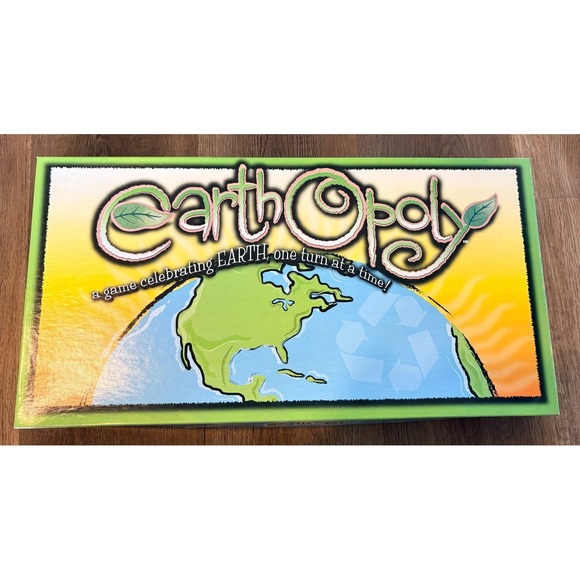
An environmentally-themed board game that promotes planetary awareness while using sustainable paper and soy-based materials.
Common questions about Late for the Sky
Is Late for the Sky cruelty-free?+
We have no cruelty-free certification on file for Late for the Sky's scored products. Absence of a certification is not proof of animal testing, but it does mean nothing independent has been verified.
How does Late for the Sky score overall?+
Late for the Sky averages 83.5/100 across the 2 products we have scored, using public certifications, sourcing disclosures and controversy records.
Who owns Late for the Sky?+
Parent-company ownership changes what your money supports. See our brand ownership map for the current group structure and any conflicting parent-company records.
What are the best alternatives to Late for the Sky?+
Our alternatives page ranks comparable products by ethics score with a side-by-side difference table, so you can see exactly which pillar improves.