Amazon Verified Purchase
5.0
"I've had this cushion for six months and it still looks brand new. Perfect for my small apartment — I use it every day for both sitting and as a backrest for lounging."
Muji Body Fit Cushion (Floor Sofa Insert)Mostly — MUJI scores 77/100. It clears our bar on 1 of 4 ethics signals, with gaps worth checking before you buy.
Muji is a Japanese retailer known for minimalist, unbranded household goods. While it holds credible certifications on select products like FSC and GOTS, its overall ethical sourcing and labor transparency are limited, resulting in moderate scores (76-78/100) for the sample items.
| Check | Status | Evidence |
|---|---|---|
| Cruelty-free | flagged | Muji does not publicly state a company-wide ban on animal testing and may test where legally required. |
| Vegan options | unverified | Muji offers a 'Vegan Care' skincare line but does not certify it with third parties. |
| Sells in mainland China | flagged | Selling through mainland Chinese retail has historically triggered post-market animal testing. |
| Third-party certified | verified | We record 5 distinct certifications across this brand's products. |
| Certifications | on file | Climate Neutral, GOTS, OEKO-TEX, FSC Certified, Global Recycled Standard |
Scored with our public methodology. Profile last updated 2026-09-03.
MUJI offers 3 products on EthiCompare across Furniture & Decor, Fashion & Apparel, Home & Cleaning, with an average ethics score of 78.7/10 and recurring certifications including Climate Neutral, GOTS, OEKO-TEX.
Is MUJI ethical and cruelty-free? Read the verdict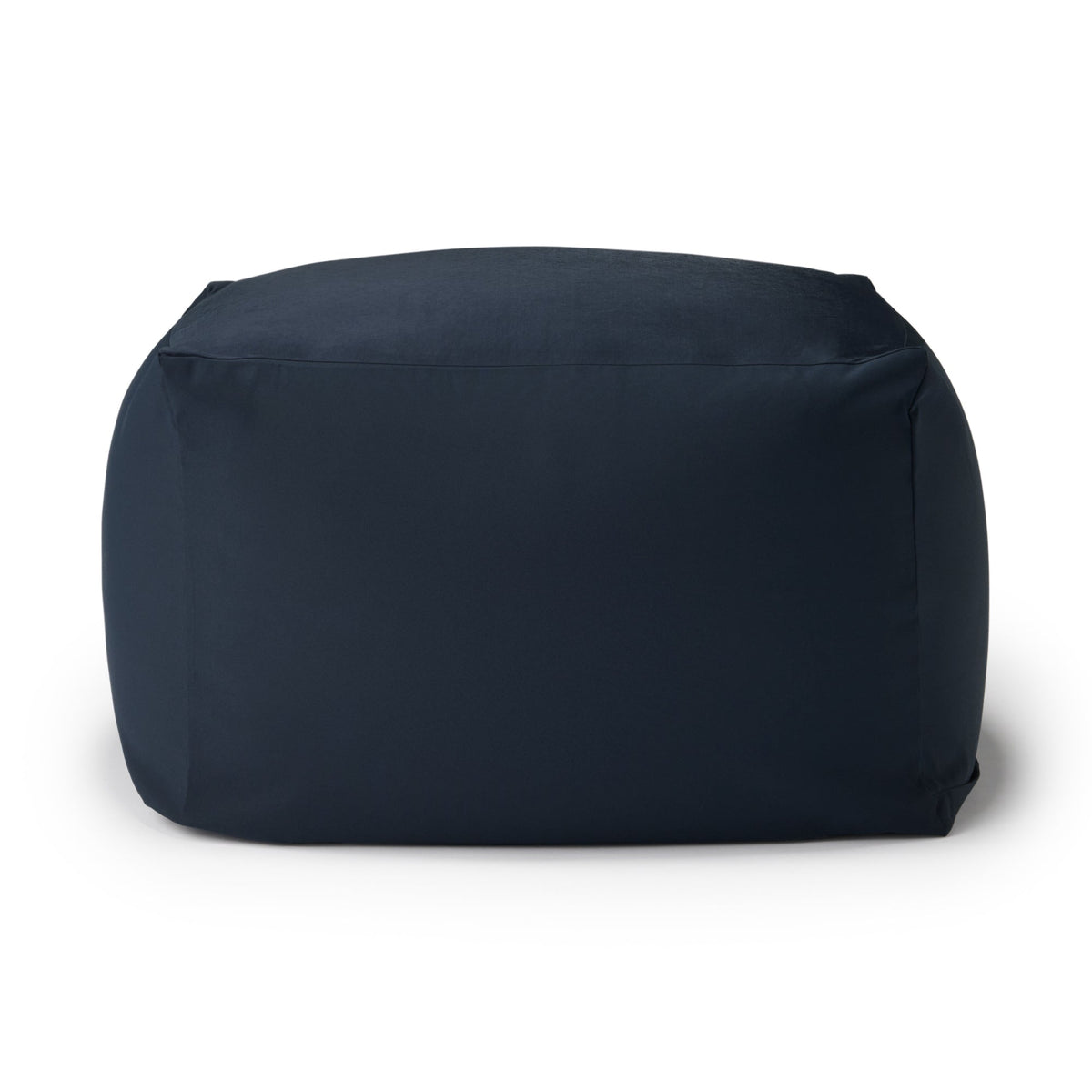
Muji (Mujirushi Ryohin) is a Japanese company founded in 1980, recognized for its ‘no-brand quality goods’ philosophy emphasizing simplicity, functionality, and reduced packaging. The brand operates globally, including direct retail in China. Muji’s ethical profile is mixed: it uses some third-party certified materials (FSC, GOTS, Global Recycled Standard) and avoids major controversies, but it publishes limited detail on supply chain labor practices and animal testing policy, lowering its overall score. The sampled products—a Portable Laundry Soap Set (FSC, Global Recycled Standard) and an Organic Cotton Handkerchief 2-Pack (GOTS, OEKO-TEX)—score 76 and 78/100 respectively, reflecting partial but not comprehensive sustainability.
Muji does not hold a single overarching ethical certification but applies specific standards to individual products. The Portable Laundry Soap Set uses FSC-certified paper packaging and recycled plastic components (Global Recycled Standard). The Organic Cotton Handkerchief carries GOTS (Global Organic Textile Standard) for organic fibers and OEKO-TEX Standard 100 for harmful substance testing. These are credible, independent certifications, but most Muji products lack such labels, and the company does not obtain B Corp or Fair Trade certification.
Muji does not explicitly state a company-wide ban on animal testing. It sells cosmetics and household cleaners that may be tested where required by law (e.g., China). Muji offers a ‘Vegan Care’ line of skincare products labeled as plant-based and not tested on animals internally, but the brand does not confirm third-party certification (e.g., Leaping Bunny or PETA). The company does not market a complete vegan product range across all categories.
Muji has made public commitments to reduce plastic use, increase recycled content, and source organic cotton. The company targets using 100% recycled or FSC-certified paper for its catalog by 2025 and has introduced refill stations for some cleaning products in Japan. However, progress reports are irregular, and these pledges lack specific third-party verification or science-based targets.
Muji relies on a complex global supply chain, with manufacturing concentrated in Asia (China, Vietnam, Bangladesh). The company publishes a Supplier Code of Conduct that forbids forced labor, child labor, and excessive hours, but it does not disclose a full supplier list or audit results. There are no recent reports of forced labor or factory disasters linked to Muji, but transparency is weak compared to leaders like Patagonia. The brand does not participate in the Fair Labor Association or similar initiatives.
A generally clean record: Muji has faced no major labor, environmental, or human rights scandals in the past decade. Minor criticisms include insufficient responsiveness to shareholder proposals on climate risk and occasional customer complaints about product durability. The brand’s expansion in China has not been tied to significant ethical controversies.
Muji offers ethically positive pockets—certified organic cotton, recycled materials, no major scandals—but lacks the transparency, certifications, and policy rigor of top-tier ethical brands. It scores 76-78 for these sample items because of credible ingredient-level labels and a clean history, yet falls short on supply chain disclosure and comprehensive vegan/animal testing policies. For consumers seeking a mid-range ethical option, Muji is acceptable but not a leader.
Muji pledges to use 100% recycled or FSC-certified paper for catalogs by 2025 and to increase recycled plastic usage.
Muji does not publicly state a company-wide ban on animal testing and may test where legally required.
Muji offers a 'Vegan Care' skincare line but does not certify it with third parties.
Yes — post-market animal testing may apply under local law.
Verified credentials appearing across MUJI's product range.
Average scores across our scoring pillars.
Where MUJI shows up across our directory.
Strengths mentioned most often across MUJI's products.
How consistent MUJI is across everything we have scored.
3
products scored
76–82
ethics score range
100%
carry a certification
$ / $$
price tiers
| Product | Category | Price | Ethics |
|---|---|---|---|
| Muji Body Fit Cushion (Floor Sofa Insert) | Furniture & Decor | $$ | 82 |
| MUJI Organic Cotton Handkerchief - 2 Pack | Fashion & Apparel | $ | 78 |
| Muji Portable Laundry Soap Set | Home & Cleaning | $ | 76 |
"Climate Neutral certified. Made in Japan with recycled materials. Packaging uses minimal plastic and recycled cardboard. Brand promotes 'this is not a product, it's a solution' philosophy, reducing material consumption."
"Organic farming practices used reduce water consumption by 91% compared to conventional cotton."
"Refillable system encourages reuse. MUJI is committed to reducing single-use plastics across their global retail footprint."
3 of 3 products
A versatile floor cushion designed for Muji's popular Body Fit Sofa system, made with recycled polyester filling and a durable, washable cover. This minimalist seating solution supports flexible, low-footprint living and is produced by a brand committed to carbon neutrality.

A classic, affordable staple from Japan's most famous minimalist brand, these 100% organic cotton handkerchiefs are a microplastic-free alternative to synthetic tissues and wipes.

A sleek, minimalist film-soap solution from Japan's most famous 'no-brand' company, designed for ultra-lightweight travel and quick refreshes.
"I've had this cushion for six months and it still looks brand new. Perfect for my small apartment — I use it every day for both sitting and as a backrest for lounging."
Muji Body Fit Cushion (Floor Sofa Insert)"Bought two for my kids' playroom. They love them and they're easy to clean. Only wish they came in more colors."
Muji Body Fit Cushion (Floor Sofa Insert)"This is the most comfortable floor cushion I've ever owned. I'm a wedding planner and I used them for a lounge area at a casual reception — guests raved about them."
Muji Body Fit Cushion (Floor Sofa Insert)"I bought 10 of these for my sister's 30th to help her start a zero-waste kitchen. She loves them."
MUJI Organic Cotton Handkerchief - 2 Pack"Classic Muji. Simple, does the job, and won't harm the planet."
MUJI Organic Cotton Handkerchief - 2 Pack"Good size, but they do wrinkle quite a bit in the dryer."
MUJI Organic Cotton Handkerchief - 2 PackNo EthiCompare member reviews yet — open any product to write the first one.
We have no cruelty-free certification on file for MUJI's scored products. Absence of a certification is not proof of animal testing, but it does mean nothing independent has been verified.
MUJI averages 78.7/100 across the 3 products we have scored, using public certifications, sourcing disclosures and controversy records.
Parent-company ownership changes what your money supports. See our brand ownership map for the current group structure and any conflicting parent-company records.
Our alternatives page ranks comparable products by ethics score with a side-by-side difference table, so you can see exactly which pillar improves.