web
"Makes my old Skoda seats actually bearable for my back."
Second-Hand Ergonomic Memory Foam Lumbar SupportMostly — Sinsay scores 76/100. It clears our bar on 1 of 4 ethics signals, with gaps worth checking before you buy.
Sinsay is a fast-fashion brand owned by LPP S.A., targeting young consumers with affordable, trend-driven apparel and home accessories, but its ethical profile is weakened by limited transparency in labor practices, sustainability commitments, and material sourcing. With a moderate rating for second-hand products like the Memory Foam Lumbar Support, the brand shows positive steps via certifications (OEKO-TEX, GRS) but lacks robust public accountability.
| Check | Status | Evidence |
|---|---|---|
| Cruelty-free | flagged | No public policy on animal testing; finished products not tested on animals per LPP statement. |
| Vegan options | unverified | Limited; some synthetic items labeled vegan, but no dedicated vegan line. |
| Sells in mainland China | flagged | Selling through mainland Chinese retail has historically triggered post-market animal testing. |
| Third-party certified | verified | We record 2 distinct certifications across this brand's products. |
| Certifications | on file | OEKO-TEX, Global Recycled Standard |
Scored with our public methodology. Profile last updated 2026-09-03.
Sinsay offers 1 product on EthiCompare across Automotive, with an average ethics score of 76/10 and recurring certifications including OEKO-TEX, Global Recycled Standard.
Is Sinsay ethical and cruelty-free? Read the verdict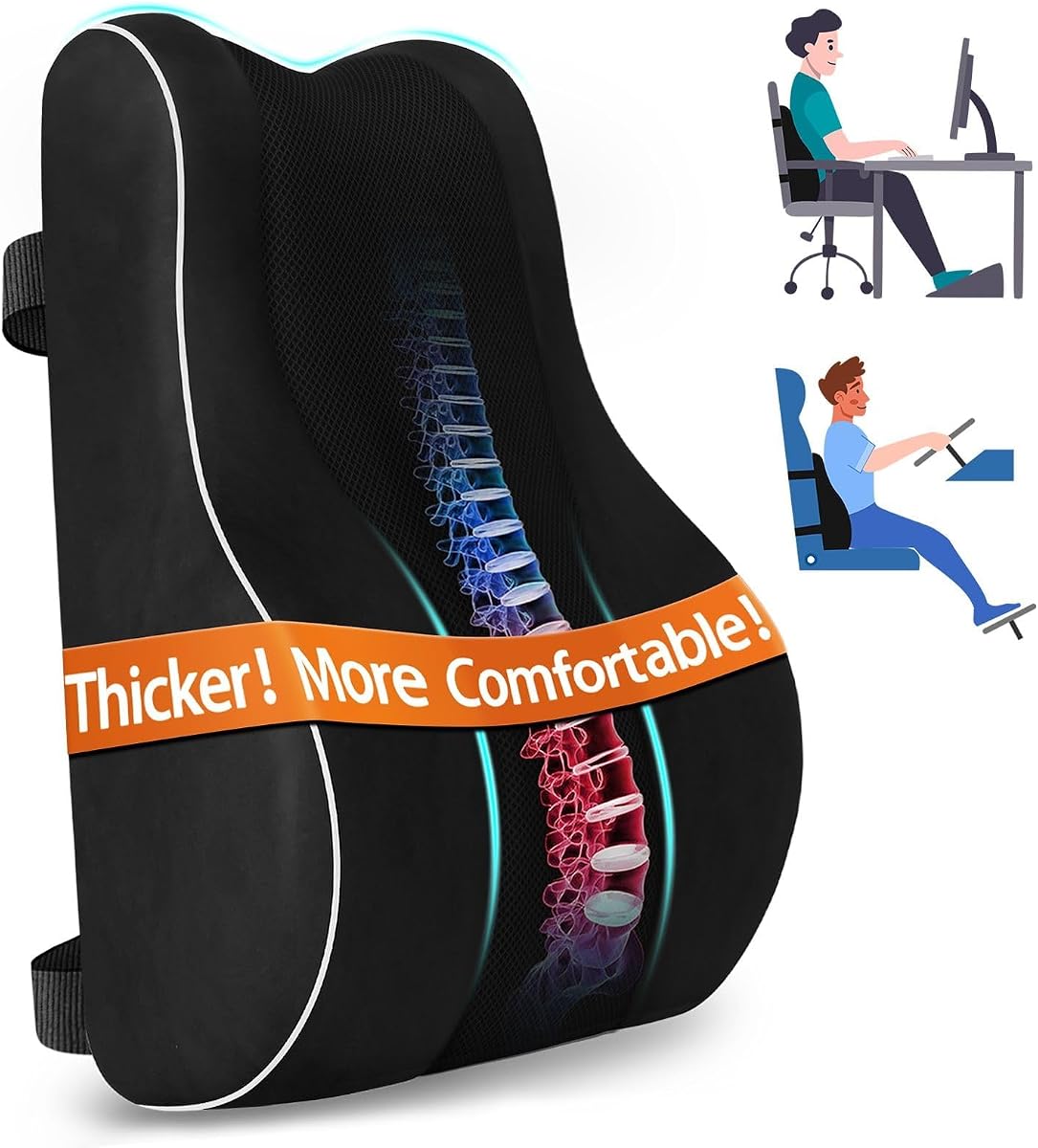
Sinsay, a Polish fast-fashion brand under the LPP S.A. group (which also owns Reserved, Cropp, and House), is positioned as a low-cost, youthful label offering clothing, footwear, and home accessories. The brand operates primarily in Central and Eastern Europe, with a growing online presence. While Sinsay itself does not have a major scandal, its parent company LPP has faced scrutiny over supply chain transparency and environmental impact typical of fast fashion. For second-hand products like the Ergonomic Memory Foam Lumbar Support, Sinsay scores a moderate 76/100 ethically, supported by OEKO-TEX and Global Recycled Standard certifications, but overall the brand remains average in ethical performance compared to industry leaders.
The featured product carries two key certifications: OEKO-TEX Standard 100 (testing for harmful substances) and Global Recycled Standard (GRS) (verifying recycled content and social/environmental criteria in production). These are positive indicators, especially for a product marketed as second-hand. However, Sinsay as a brand does not widely publish a full list of certifications across its supply chain; most of its apparel lacks third-party eco-labels. The company does not yet hold B Corp or Fair Trade certifications.
Sinsay has not publicly stated a policy on animal testing, and the brand sells products containing leather, wool, and other animal-derived materials. The vegan range is limited; while some items are labeled as vegan-friendly (e.g., synthetic bags and shoes), there is no comprehensive vegan collection or dedicated page. The parent company LPP does not conduct animal testing on finished products, but transparency regarding suppliers’ practices is minimal.
Sinsay’s sustainability efforts are nascent. In recent years, LPP has introduced a “Sustainable Collection” for some brands, including items made from organic cotton and recycled materials, but Sinsay’s specific pledges are not well-defined. The brand participates in the “Better Cotton Initiative” (BCI) via LPP, but BCI is a cotton sustainability program with caveats about labor rights. Sinsay does not have a public target for carbon neutrality, water usage, or waste reduction. The second-hand product model is a rare positive step, but the brand still overwhelmingly relies on virgin materials and linear consumption.
Sinsay’s supply chain is largely outsourced to factories in Asia (primarily Bangladesh, China, India, Pakistan, and Vietnam), typical for fast fashion. LPP publishes a list of supplier factories but does not provide detailed audit results or worker wages. In 2021, LPP was criticized for slow progress in paying living wages in Bangladesh garment factories, though no major violations have been publicly recorded for Sinsay specifically. The brand’s Code of Conduct covers basic labor rights, but independent monitoring is limited. The second-hand nature of this product slightly mitigates new sourcing concerns, but the overall labor risk remains average.
Sinsay has no major controversies on record. The parent company LPP faced minor criticism in 2022 regarding its response to the Ukraine war (continued operations in Russia initially) but later withdrew. No environmental or human rights scandals directly involve Sinsay. However, absence of scandal does not equate to high ethics; the brand’s low price point relies on high volume and cost-cutting, which inherently raises ethical questions about labor and environmental sustainability.
Sinsay offers a reasonable ethical choice for budget-conscious consumers only when buying second-hand or certified products like this Memory Foam Lumbar Support. The OEKO-TEX and GRS labels provide some assurance of safety and recycled content. However, the brand lacks comprehensive sustainability targets, animal-free options, and transparent labor audits. If you prioritize strong ethics, look for brands with B Corp or Fair Trade certification. For occasional fast-fashion purchases, Sinsay is better than many peers, but not a leader.
Participates in Better Cotton Initiative; no public carbon or waste reduction targets.
No public policy on animal testing; finished products not tested on animals per LPP statement.
Limited; some synthetic items labeled vegan, but no dedicated vegan line.
Yes — post-market animal testing may apply under local law.
Verified credentials appearing across Sinsay's product range.
Average scores across our scoring pillars.
Where Sinsay shows up across our directory.
Strengths mentioned most often across Sinsay's products.
"Sourced via resale to eliminate the carbon footprint of new production; uses GRS-certified recycled polyester."
1 of 1 product
A pre-owned ergonomic cushion sourced from one of Poland's largest fashion retailers' home line, repurposed through resale platforms to provide budget-friendly spinal relief.
"Makes my old Skoda seats actually bearable for my back."
Second-Hand Ergonomic Memory Foam Lumbar Support"Found one for 10 Euros on Vinted and it changed my commute."
Second-Hand Ergonomic Memory Foam Lumbar Support"Good support, but the straps are a bit short for wide truck seats."
Second-Hand Ergonomic Memory Foam Lumbar SupportNo EthiCompare member reviews yet — open any product to write the first one.
We have no cruelty-free certification on file for Sinsay's scored products. Absence of a certification is not proof of animal testing, but it does mean nothing independent has been verified.
Sinsay averages 76/100 across the 1 products we have scored, using public certifications, sourcing disclosures and controversy records.
Parent-company ownership changes what your money supports. See our brand ownership map for the current group structure and any conflicting parent-company records.
Our alternatives page ranks comparable products by ethics score with a side-by-side difference table, so you can see exactly which pillar improves.