Bamboo Charcoal Air Purifying Bags vs Eco-Friendly Car Wash & Wax
Compare two eco-friendly Automotive products: Moso Natural Bamboo Air Purifying Bags vs EcoTouch Car Wash & Wax. Both score 92/100 ethics, but for different uses. Find the winner.
Moso Natural
Bamboo Charcoal Air Purifying Bags
92/100 ethics
$ · 3 certifications
View Bamboo Charcoal Air Purifying Bags →EcoTouch
Eco-Friendly Car Wash & Wax
92/100 ethics
$ · 3 certifications
View Eco-Friendly Car Wash & Wax →Ethics breakdown
| Dimension | Bamboo Charcoal Air Purifying Bags | Eco-Friendly Car Wash & Wax | Δ |
|---|---|---|---|
| Sourcing | 95 | 94 | +1 |
| Labor | 85 | 88 | -3 |
| Environment | 98 | 98 | 0 |
| Animal welfare | 100 | 100 | 0 |
| Transparency | 92 | 95 | -3 |
| Overall ethics | 92 | 92 | 0 |
Why it wins
Both products score equally on ethics and price, but serve distinct automotive needs: Moso excels at interior odor removal with passive, long-term use, while EcoTouch provides active, planet-positive exterior cleaning. They are complementary rather than directly competitive.
Overview
Both Moso Natural Bamboo Charcoal Air Purifying Bags and EcoTouch Eco-Friendly Car Wash & Wax are top contenders in the Automotive ethics category, each earning a stellar 92/100 score. Moso bags are designed to absorb odors, moisture, and pollutants inside your car without chemicals—simply place them under seats or in the trunk. EcoTouch is a concentrated, biodegradable car wash and wax formula that cleans your vehicle’s exterior while leaving a protective shine. Both products are priced affordably (marked with $), making them accessible for eco-conscious drivers.Ethics diff
While both share high ethics ratings, their certifications highlight different strengths. Moso’s FSC Certification ensures its bamboo sourcing supports responsible forestry, plus it’s Vegan and Cruelty-Free—perfect for those prioritizing plant-based materials and no animal testing. EcoTouch, on the other hand, boasts PETA Approval (confirming no animal testing) and is part of the 1% for the Planet program, meaning 1% of sales go to environmental nonprofits. If you value sustainable raw materials, Moso edges ahead; if you want your purchase to directly fund planet-healing projects, EcoTouch is stronger.Everyday use
Moso bags work passively: just set them in your car and they absorb odors for up to two years (rechargeable in sunlight). No electricity, no refills. Perfect for freshening up a used car, pet smells, or dampness. EcoTouch requires active effort: dilute a small amount with water, wash your car with a sponge or mitt, then rinse. It’s gentle on paint and safe for nearby plants and waterways. Moso is ideal for long-term maintenance; EcoTouch for weekly detailing.Value
Both are budget-friendly. Moso bags cost around $10–$20 per bag, and one bag can handle a mid-size car for months. EcoTouch concentrate costs roughly $10–$15 per bottle and can wash 10–20 cars depending on dilution. Over a year, Moso may be cheaper if you only need odor control. But if you wash frequently, EcoTouch’s refillable approach offers solid per-use value. Neither is expensive, but Moso wins on longevity.Bottom line
For internal air quality with minimal effort, choose Moso. For external cleaning that also gives back to the planet, pick EcoTouch. If you need both, consider using Moso inside and EcoTouch outside—they complement each other perfectly. Winner is a tie because they serve different car care needs equally well.
A 100% natural, fragrance-free alternative to chemical car air fresheners that lasts up to two years.
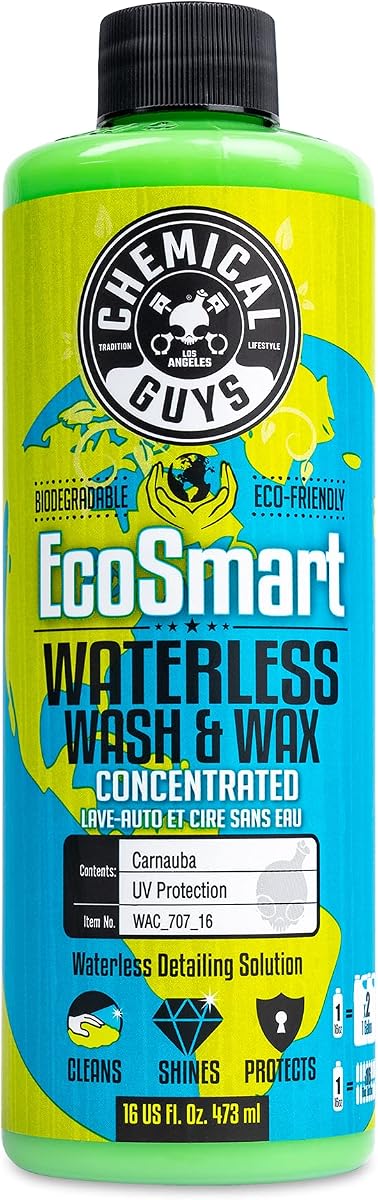
A waterless car wash solution that saves gallons of water while using plant-derived surfactants instead of harsh petroleum solvents.
Not sold on either? Browse ethical alternatives
Each hub ranks the highest-scoring swaps in the same categories, on the same rubric.