Bamboo Drinking Straws vs Upcycled Denim & Cotton Adaptive Napkin Set (Set of 6)
Compare two top-rated ethical kitchen products: Bambu Bamboo Straws (96/100) vs The New Denim Project Upcycled Napkins (96/100). Which eco choice wins?
The New Denim Project
WinnerUpcycled Denim & Cotton Adaptive Napkin Set (Set of 6)
96/100 ethics
$ · 3 certifications
View Upcycled Denim & Cotton Adaptive Napkin Set (Set of 6) →Ethics breakdown
| Dimension | Bamboo Drinking Straws | Upcycled Denim & Cotton Adaptive Napkin Set (Set of 6) | Δ |
|---|---|---|---|
| Sourcing | 98 | 100 | -2 |
| Labor | 95 | 94 | +1 |
| Environment | 97 | 98 | -1 |
| Animal welfare | 100 | 100 | 0 |
| Transparency | 92 | 92 | 0 |
| Overall ethics | 96 | 96 | 0 |
Why it wins
The New Denim Project napkins score equal ethics but deliver broader impact with upcycled materials, circular economy certification, and inclusive adaptive design, making them a more versatile and socially conscious choice for the same low price.
Overview
Both products score an impressive 96/100 on ethics, yet they serve completely different needs in the Kitchen & Dining space. Bambu Bamboo Drinking Straws are reusable, compostable straws made from organic bamboo, certified B Corp, 1% for the Planet, and USDA Organic. They come at a budget-friendly price point. The New Denim Project Upcycled Denim & Cotton Adaptive Napkin Set (Set of 6) offers upcycled fabric napkins with adaptive design features (e.g., easy-grip edges for those with limited dexterity), certified B Corp, Global Recycled Standard, and PETA Approved. Both are affordable ($).
Ethics diff
While both share a B Corp certification, their ethical focus diverges. Bambu emphasizes renewable materials (organic bamboo) and environmental giving via 1% for the Planet. Its USDA Organic label ensures no synthetic pesticides in the raw material. The New Denim Project focuses on circular economy via the Global Recycled Standard (GRS), verifying that fabrics are made from post-consumer denim and cotton waste. PETA Approval confirms no animal testing or animal-derived materials, appealing to vegan consumers. The napkins also add an inclusive design element (adaptive features), which Bambu lacks. Both are strong, but the napkins address social equity alongside environmentalism.
Everyday use
Bambu straws are ideal for daily smoothies, iced coffee, or parties—they are lightweight, washable, and last for months if cared for. They can be composted at end of life. The napkins, however, serve a broader role: they replace disposable paper napkins for meals, can be machine washed, and their adaptive design (e.g., weighted edges or loop for hanging) makes them easier to handle for children, elderly, or disabled users. For a family or household that prioritizes zero-waste table settings and inclusivity, the napkins have higher day-to-day impact. For single-use reduction, straws are a simpler, more portable choice.
Value
Priced at $, both are budget-friendly. A set of straws (typically 4–6) can cost around $10–12 and last months. The napkin set of 6 is similarly priced and will last years with proper care. The napkins offer more durability and versatility—they work for every meal, whereas straws are niche. The adaptive feature adds value for households with accessibility needs. Bambu’s organic certification may appeal to purists, but the napkins’ circular materials and social inclusion arguably deliver higher overall value for the price.
Bottom line
Both are excellent ethical purchases, but the winner is product B. The New Denim Project napkins provide a more comprehensive ethical profile: they tackle waste (upcycling), support circularity (GRS), champion animal welfare (PETA), and promote inclusion (adaptive design). While Bambu excels in simplicity and compostability, the napkins offer greater everyday utility and ethical depth at the same price.
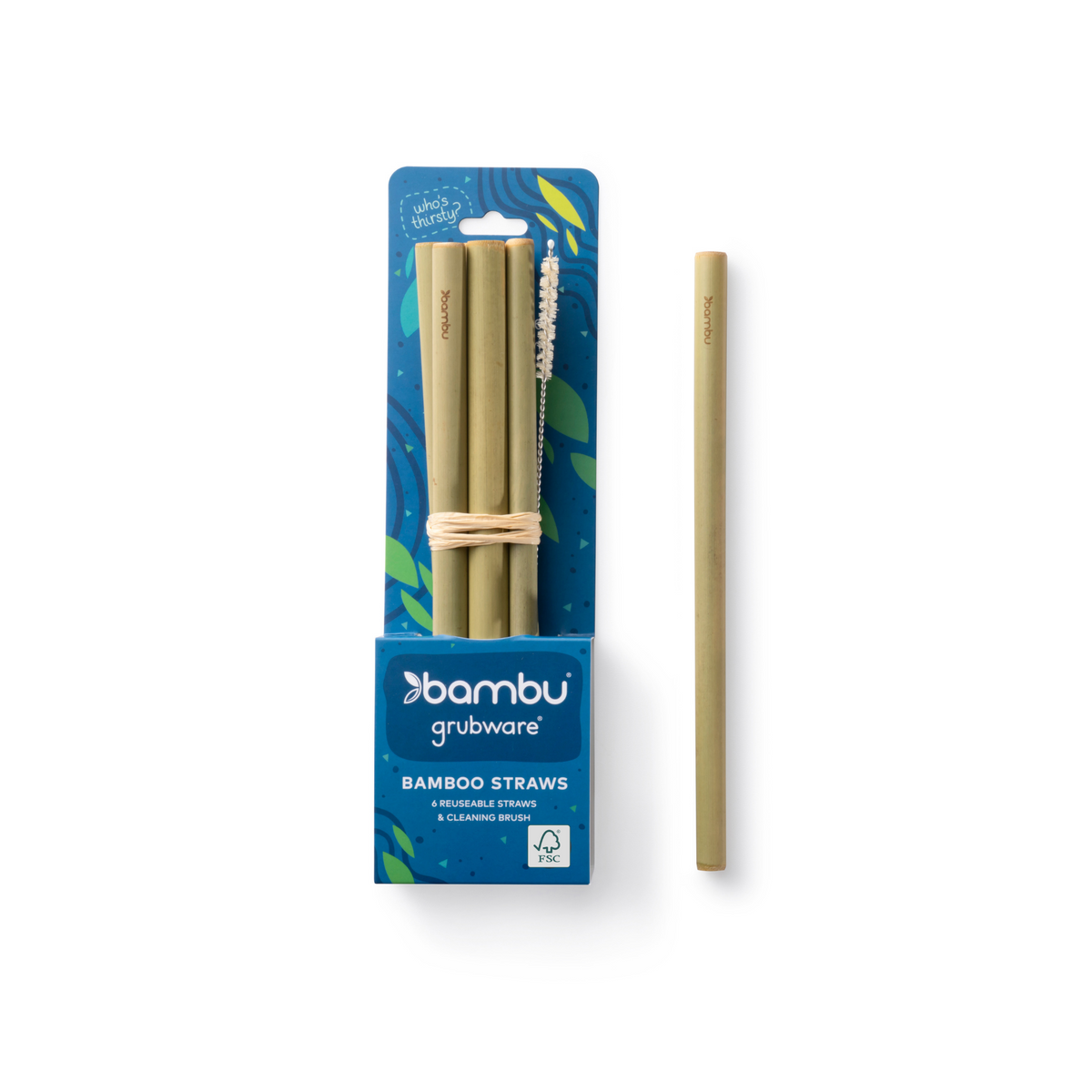
A zero-waste alternative to plastic straws, handcrafted from single-piece organic bamboo by a certified B Corp committed to fair labor.

High-quality table linens made from industry textile waste in Guatemala, featuring oversized dimensions and high-contrast edges for low-vision accessibility.
Not sold on either? Browse ethical alternatives
Each hub ranks the highest-scoring swaps in the same categories, on the same rubric.