Hand-Woven Sisal & Cotton Soap Saver vs Classic Organic Cotton Robe
Compare Global Exchange's Fair Trade sisal soap saver ($) with Coyuchi's GOTS-certified organic cotton robe ($$$). Which ethical gift wins?
Global Exchange / Fair Trade Winds
Hand-Woven Sisal & Cotton Soap Saver
98/100 ethics
$ · 3 certifications
View Hand-Woven Sisal & Cotton Soap Saver →Coyuchi
Classic Organic Cotton Robe
96/100 ethics
$$$ · 3 certifications
View Classic Organic Cotton Robe →Ethics breakdown
| Dimension | Hand-Woven Sisal & Cotton Soap Saver | Classic Organic Cotton Robe | Δ |
|---|---|---|---|
| Sourcing | 99 | 98 | +1 |
| Labor | 98 | 97 | +1 |
| Environment | 97 | 95 | +2 |
| Animal welfare | 100 | 100 | 0 |
| Transparency | 96 | 94 | +2 |
| Overall ethics | 98 | 96 | 2 |
Why it wins
Both products achieve top-tier ethics scores (98 vs 96) but serve entirely different price points and use cases—A as an affordable, vegan, zero-waste gift and B as a premium, GOTS-certified luxury robe—so the choice depends on the shopper's budget and intended recipient.
Overview
Global Exchange / Fair Trade Winds Hand-Woven Sisal & Cotton Soap Saver (A) and Coyuchi Classic Organic Cotton Robe (B) both serve the Gifts & Seasonal category on an ethical shopping site, but target very different needs. Product A is a small, affordable ($) soap saver made from hand-woven sisal and cotton, carrying Fair Trade, Vegan, and FSC certifications (ethics score 98). Product B is a luxury robe priced high ($$$), certified GOTS, Fair Trade, and 1% for the Planet (ethics score 96).Ethics diff
While both products excel in ethics (A: 98 vs B: 96), the difference lies in scope and impact. A's certifications emphasize vegan materials and FSC-certified packaging, appealing to low-impact, plastic-free living. B's certifications highlight organic cotton (GOTS) and a commitment to donating 1% of sales to environmental causes, signaling a broader sustainability mission. Product A is slightly better for strict vegan or minimal-waste shoppers; Product B excels for those prioritizing organic fiber integrity and planetary philanthropy. Neither has a clear ethical flaw, so the two-point gap is minor.Value
Value depends on budget and use. Product A at $ is ideal for a low-cost, functional gift that reduces plastic use—great for stocking stuffers or eco-conscious gifting on a budget. Product B at $$$ is a significant investment, but the robe's organic cotton and classic design justify the price for someone seeking long-lasting, luxurious comfort. If the shopper needs a practical, everyday ethical item, A wins on accessibility. If the gift calls for indulgence with a high ethical standard, B offers premium value despite the price.Bottom line
For an ethical shopping site, both are excellent choices. Product A wins for affordability, vegan certification, and everyday utility. Product B wins for luxury, organic fiber certification, and philanthropic impact. The tie reflects that each excels in its own niche—there is no universal winner.
A zero-waste bathroom essential hand-crafted by women's cooperatives, perfect for exfoliating and extending the life of soap.
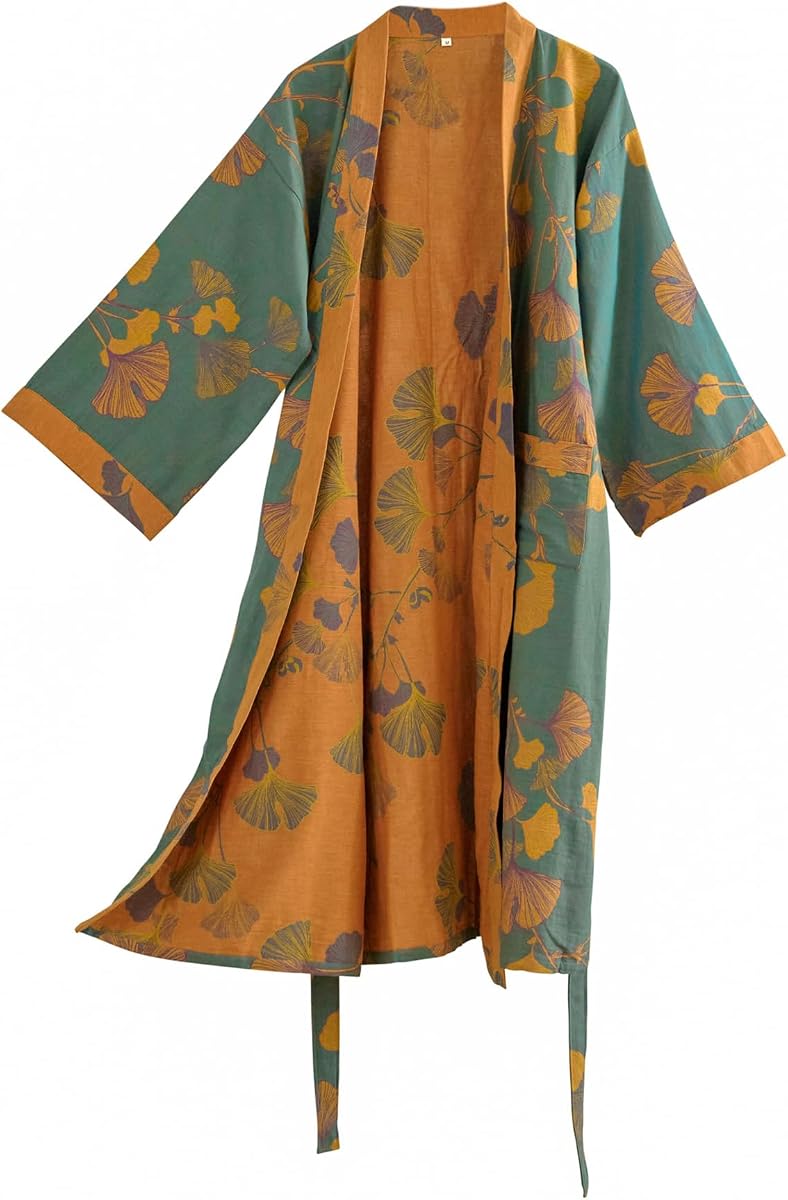
A luxurious, spa-weight robe made from 100% GOTS-certified organic cotton, produced under Fair Trade standards.
Not sold on either? Browse ethical alternatives
Each hub ranks the highest-scoring swaps in the same categories, on the same rubric.