Grease+Grime Waterless Wash vs Bamboo Charcoal Air Purifying Bags
Compare EcoTouch Grease+Grime Waterless Wash vs Moso Natural Bamboo Charcoal Air Purifying Bags for ethical car care. Find the best sustainable auto choice.
EcoTouch
Grease+Grime Waterless Wash
92/100 ethics
$ · 3 certifications
View Grease+Grime Waterless Wash →Moso Natural
Bamboo Charcoal Air Purifying Bags
92/100 ethics
$ · 3 certifications
View Bamboo Charcoal Air Purifying Bags →Ethics breakdown
| Dimension | Grease+Grime Waterless Wash | Bamboo Charcoal Air Purifying Bags | Δ |
|---|---|---|---|
| Sourcing | 95 | 95 | 0 |
| Labor | 92 | 85 | +7 |
| Environment | 98 | 98 | 0 |
| Animal welfare | 100 | 100 | 0 |
| Transparency | 94 | 92 | +2 |
| Overall ethics | 92 | 92 | 0 |
Why it wins
Both products score identically on ethics (92/100) and price ($), and serve entirely different automotive needs (exterior cleaning vs interior air purification), making a direct comparison impossible. Choose based on your specific requirement: waterless wash or odor control.
Overview
Two highly ethical automotive products, both scoring 92/100, offer very different solutions. Product A, EcoTouch Grease+Grime Waterless Wash, is a liquid cleaner that removes dirt, grease, and grime from car exteriors without using water. It holds Leaping Bunny (cruelty-free), Climate Neutral (carbon offset), and B Corp (social responsibility) certifications. Product B, Moso Natural Bamboo Charcoal Air Purifying Bags, is a passive odor absorber for car interiors, made from bamboo charcoal. It is FSC Certified (sustainable bamboo), Vegan, and Cruelty-Free. Priced at the lowest tier ("$"), both are accessible, but their applications and ethical impacts differ.
Ethics diff
Both products share the same overall ethics score, but they address different facets. EcoTouch focuses on operational sustainability (Climate Neutral, B Corp) and animal testing avoidance (Leaping Bunny). Moso emphasizes material sourcing (FSC-certified bamboo) and vegan/cruelty-free production, which is typical for natural products. Neither is more ethical per se—EcoTouch targets carbon-neutral manufacturing, while Moso ensures renewable raw materials. However, EcoTouch’s B Corp certification implies a holistic audit of social and environmental performance, giving it a slight edge in transparency.
Everyday use
EcoTouch is ideal for quick, waterless car washes—spray on a dirty surface and wipe off. It saves water and time, perfect for busy eco-conscious drivers who want a spotless exterior. Moso bags, on the other hand, are placed inside the car to absorb odors, moisture, and pollutants; they last up to two years with monthly sun reactivation. They require no effort but only treat interior air quality. If you frequently clean the car’s exterior, EcoTouch is more practical. If interior freshness matters more, Moso wins.
Value
At the same price point, both offer strong value. EcoTouch concentrates provide multiple washes per bottle, reducing per-use cost and water bills. Moso bags are reusable and long-lasting, offering low cost per month. However, EcoTouch’s water savings—a crucial resource in many regions—may deliver higher environmental value. For pure longevity, Moso’s two-year lifespan is impressive.
Bottom line
This is a tie. For exterior cleaning with water conservation and certified corporate responsibility, choose EcoTouch. For interior air purification with renewable bamboo and zero effort, choose Moso. Both are excellent ethical choices—your decision depends on whether you need a clean exterior or a fresh cabin.
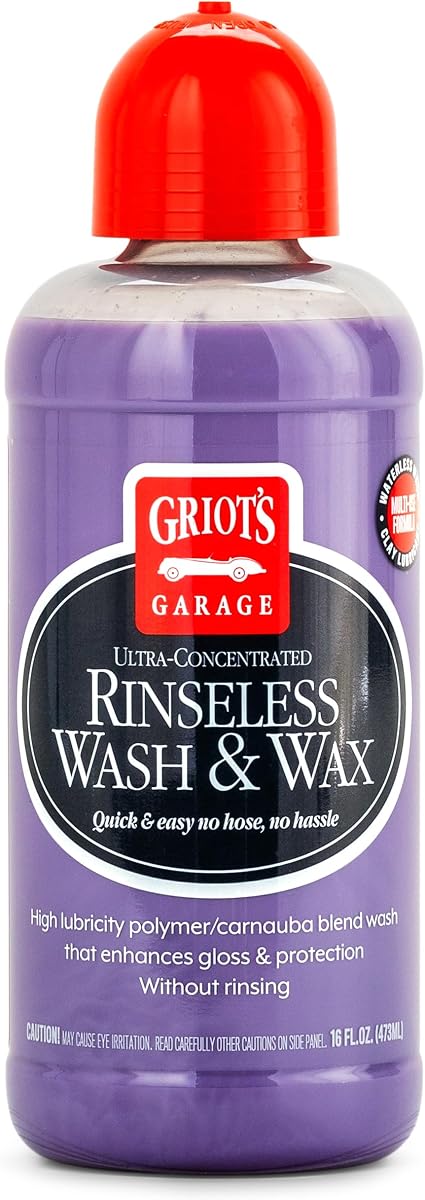
A high-performance, plant-based car wash solution that eliminates the need for hoses and buckets, saving up to 50 gallons of water per wash. Non-toxic and biodegradable formula.

A 100% natural, fragrance-free alternative to chemical car air fresheners that lasts up to two years.
Not sold on either? Browse ethical alternatives
Each hub ranks the highest-scoring swaps in the same categories, on the same rubric.