Patagonia Black Hole Duffel 40L vs Cloudway Bio-Based Running Shoe
Compare Patagonia Black Hole Duffel 40L vs Allbirds Cloudway Running Shoe on ethics, price, and eco-certs. Find which sustainable gear wins for your fitness needs.
Patagonia
WinnerPatagonia Black Hole Duffel 40L
96/100 ethics
$$$ · 5 certifications
View Patagonia Black Hole Duffel 40L →Allbirds
Cloudway Bio-Based Running Shoe
92/100 ethics
$$$ · 4 certifications
View Cloudway Bio-Based Running Shoe →Ethics breakdown
| Dimension | Patagonia Black Hole Duffel 40L | Cloudway Bio-Based Running Shoe | Δ |
|---|---|---|---|
| Sourcing | 98 | 95 | +3 |
| Labor | 95 | 88 | +7 |
| Environment | 97 | 97 | 0 |
| Animal welfare | 90 | 90 | 0 |
| Transparency | 100 | 100 | 0 |
| Overall ethics | 96 | 92 | 4 |
Why it wins
Patagonia scores higher on ethics (96 vs 92) with stronger certifications like Fair Trade and Bluesign, plus its duffel offers longer durability and multi-purpose use, making it a more impactful sustainable choice for sports gear.
Overview
When comparing the Patagonia Black Hole Duffel 40L (ethics 96/100) and the Allbirds Cloudway Bio-Based Running Shoe (ethics 92/100), both brands lead the sustainable sports market. Patagonia’s duffel is a rugged carry-all for travel and gym gear, while Allbirds’ shoe is a lightweight, eco-friendly runner for everyday fitness. Both carry a premium $$$ price tag, but their certifications—B Corp, Fair Trade, Bluesign, and 1% for the Planet (Patagonia) versus B Corp, FSC, Climate Neutral, and Regenerative Organic (Allbirds)—show nuanced commitments. This comparison helps you choose based on your activity and ethical priorities.
Ethics diff
Patagonia scores higher (96 vs 92) due to its comprehensive, multi-layer certifications: the Global Recycled Standard (GRS) ensures recycled materials, while Fair Trade guarantees worker premiums, and 1% for the Planet channels profits to environmental causes. Its Bluesign certification further validates low-impact manufacturing. Allbirds is strong but slightly less broad: it uses FSC Certified materials (responsible forestry) and Regenerative Organic wool, plus Climate Neutral offsets carbon. The 4-point gap reflects Patagonia’s deeper supply-chain transparency and decades of activist reputation, though both are exceptional.
Everyday use
The Patagonia duffel excels for versatile fitness—gym sessions, weekend trips, or storing gear. Its 40L size, durable recycled polyester, and weather-resistant coating handle rain and abuse. It’s not for running but for carrying gear. The Allbirds shoe is engineered for light running, walking, and gym cardio with a plant-based sole and eucalyptus fiber upper. It feels like a sneaker but lacks heavy-duty support for intense trail runs. Choose the duffel if you transport equipment; choose the shoe if you need an active, cushioned step.
Value
Both are premium-priced ($$$). Patagonia’s duffel offers lifetime durability—its repairability and resale value lower long-term cost. Allbirds’ shoe has a shorter lifespan (typical sneaker wear) but uses renewable materials that biodegrade less quickly. For ethical investment, Patagonia wins on longevity and multi-year service; Allbirds wins on innovation in bio-based footwear. Neither is a budget choice, but both reduce environmental harm per use.
Bottom line
For ethical shoppers needing a versatile carrying solution, Patagonia’s Black Hole Duffel wins with its top-tier ratings, four core certifications, and indefinite reusable life. For athletes prioritizing a sustainable shoe with a lower carbon footprint, Allbirds is a solid runner-up. However, considering overall ethics and versatility, Patagonia takes the lead in this comparison.

A rugged, weather-resistant gym and travel bag made from 100% recycled body fabric, lining, and webbing.
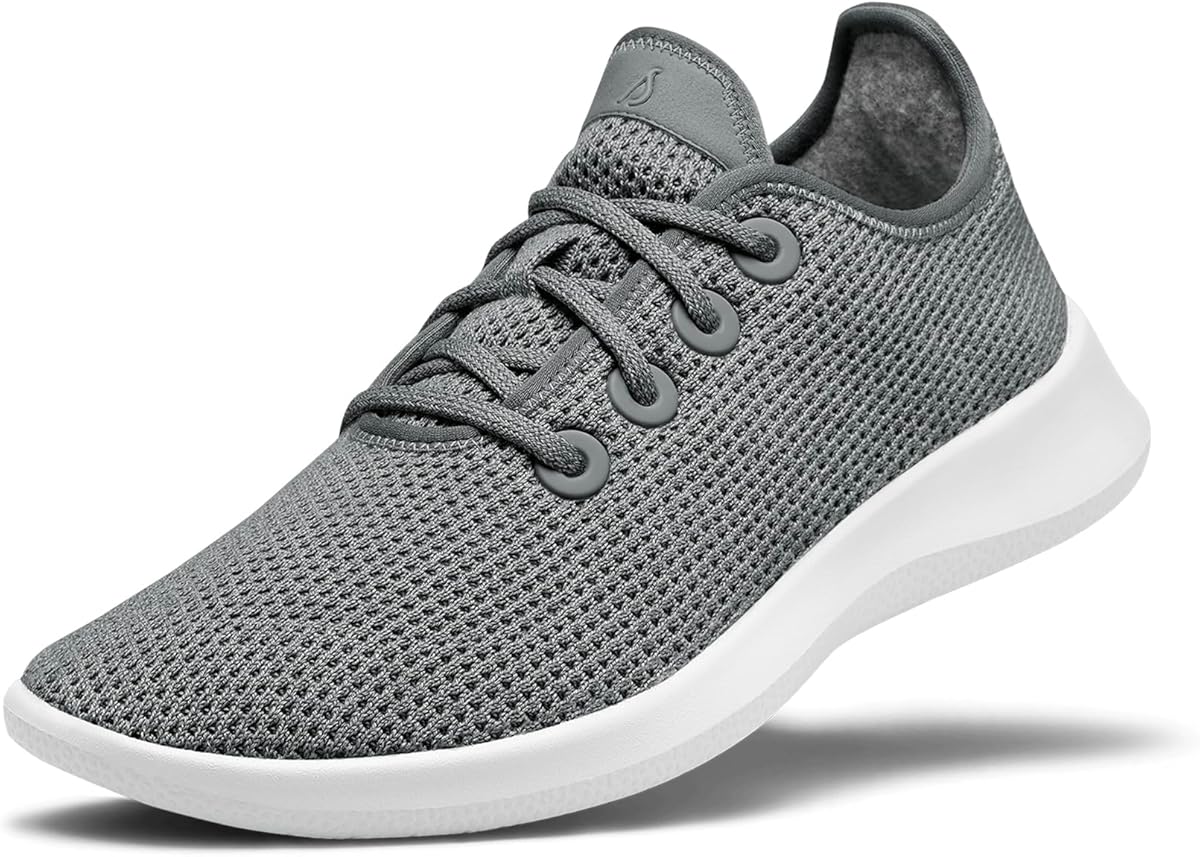
A carbon-neutral performance running shoe made from eucalyptus fiber and sugarcane-based foam.
Not sold on either? Browse ethical alternatives
Each hub ranks the highest-scoring swaps in the same categories, on the same rubric.