Regenerative Organic Red Lentils vs Wild-Caught Alaskan Pink Salmon
Compare SIMPLi Regenerative Organic Red Lentils and Wild Planet Wild-Caught Alaskan Pink Salmon for ethics, price, and everyday use. Find the best sustainable pick.
SIMPLi
WinnerRegenerative Organic Red Lentils
92/100 ethics
$ · 5 certifications
View Regenerative Organic Red Lentils →Wild Planet
Wild-Caught Alaskan Pink Salmon
92/100 ethics
$ · 3 certifications
View Wild-Caught Alaskan Pink Salmon →Ethics breakdown
| Dimension | Regenerative Organic Red Lentils | Wild-Caught Alaskan Pink Salmon | Δ |
|---|---|---|---|
| Sourcing | 95 | 96 | -1 |
| Labor | 90 | 88 | +2 |
| Environment | 98 | 95 | +3 |
| Animal welfare | 80 | 85 | -5 |
| Transparency | 94 | 94 | 0 |
| Overall ethics | 92 | 92 | 0 |
Why it wins
SIMPLi's Regenerative Organic Red Lentils offer a more comprehensive ethical profile with regenerative soil practices, Fair Trade social equity, and USDA Organic certification, all at a budget-friendly price, making them a slightly stronger choice for shoppers prioritizing both planet and people.
Overview
SIMPLi Regenerative Organic Red Lentils and Wild Planet Wild-Caught Alaskan Pink Salmon both earn an exceptional ethics score of 92/100 and are priced at the budget-friendly single-dollar level, making them accessible for eco-conscious shoppers. SIMPLi focuses on plant-based, soil-restoring agriculture with certifications including Regenerative Organic, B Corp, Fair Trade, USDA Organic, and Non-GMO. Wild Planet offers a sustainable seafood option with MSC certification, B Corp status, and Non-GMO verification, emphasizing wild-caught, low-impact fishing practices in Alaska.Ethics diff
While both products share a high ethics rating, SIMPLi stands out for its regenerative agriculture commitment, which actively improves soil health and sequesters carbon, plus Fair Trade certification ensures fair wages for farmers. Wild Planet’s ethics are built on marine stewardship through MSC certification, protecting fish populations and ocean ecosystems. The key difference: SIMPLi addresses land-based sustainability and social equity, while Wild Planet prioritizes ocean conservation and traceability. Both avoid GMOs and are certified B Corps, but SIMPLi’s additional organic and regenerative benchmarks give it a slightly broader ethical footprint.Everyday use
SIMPLi’s red lentils are a versatile pantry staple, cooking quickly (15–20 minutes) for soups, curries, salads, or side dishes. They are ideal for plant-based meals, high in protein and fiber, and have a long shelf life. Wild Planet’s canned salmon is ready-to-eat, perfect for quick lunches, salads, sandwiches, or patties. It offers omega-3s and high-quality protein, but may require mindful consumption due to seafood sustainability concerns. Both products suit busy lifestyles, but lentils require cooking while salmon is instant.Value
Both are affordably priced at the $ level (under $5 per unit typically), making them accessible for regular use. SIMPLi’s lentils offer multiple servings per bag, often costing less per meal than salmon. Wild Planet salmon provides premium wild-caught nutrition at a competitive price compared to farmed alternatives. For cost-conscious shoppers, lentils yield more servings per dollar, while salmon delivers concentrated protein and healthy fats in a convenient form.Bottom line
Both products are excellent ethical choices at a low price point. However, SIMPLi’s regenerative and fair-trade certifications create a more holistic sustainability impact—addressing climate, soil, and social justice—while Wild Planet excels in ocean stewardship. For most ethical shoppers on a budget, SIMPLi’s lentils edge ahead due to their broader environmental and social benefits.
SIMPLi works to combat fraudulent food supply chains by providing fully traceable, regeneratively grown pantry staples that restore soil health.
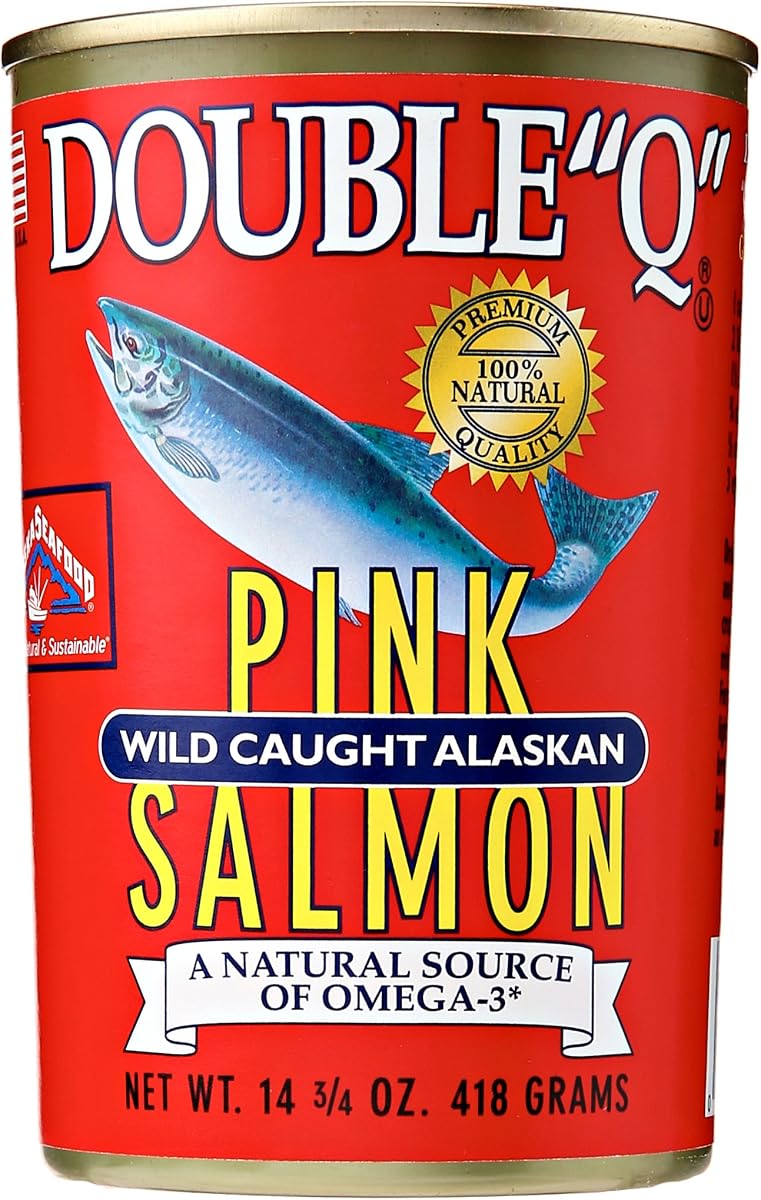
Sustainably caught using selective methods that protect marine habitats and prevent bycatch.
Not sold on either? Browse ethical alternatives
Each hub ranks the highest-scoring swaps in the same categories, on the same rubric.