The Better World Shopping Guide vs The World of Better Books Subscription
Compare two top ethical picks in Books & Media: a guide vs a subscription. Both score 94/100 and are B Corp & FSC certified. See the winner for your values.
New Society Publishers
The Better World Shopping Guide
94/100 ethics
$ · 2 certifications
View The Better World Shopping Guide →Better World Books
WinnerThe World of Better Books Subscription
94/100 ethics
$ · 2 certifications
View The World of Better Books Subscription →Ethics breakdown
| Dimension | The Better World Shopping Guide | The World of Better Books Subscription | Δ |
|---|---|---|---|
| Sourcing | 98 | 98 | 0 |
| Labor | 92 | 90 | +2 |
| Environment | 97 | 96 | +1 |
| Animal welfare | 90 | 85 | +5 |
| Transparency | 95 | 95 | 0 |
| Overall ethics | 94 | 94 | 0 |
Why it wins
Better World Books' subscription directly reuses books and funds global literacy, achieving a circular-economy advantage over the guide's new-print model, while both score equally high on ethics.
Overview
Both products from ethical heavyweights New Society Publishers and Better World Books earn a stellar 94/100 ethics score, with B Corp and FSC certifications. However, their purpose differs: New Society's The Better World Shopping Guide is a printed reference book that rates thousands of products by corporate behavior, helping you make conscious purchases. Better World Books' The World of Better Books Subscription is a recurring service delivering curated used or donated books, with each subscription funding global literacy and reducing waste. Both are budget-friendly at a $ price point.Ethics diff
Ethically, both products tie on their top-line score and certifications (B Corp for overall social/environmental accountability, FSC for responsible forestry). The subtle difference lies in impact: the guide empowers you to vote with your dollar across all categories (food, clothing, electronics), while the subscription directly saves books from landfills and sends books to underserved communities. The guide's raw materials (paper, printing) have a footprint, though FSC mitigates it. The subscription's physical books are reused, minimizing new production. Both are strong, but the subscription's reuse model gives it a slight edge in circular economy.Everyday use
The shopping guide is a one-time buy you can thumb through or use as a quick reference when shopping. It's ideal for anyone wanting to audit their purchases but requires active effort. The subscription is passive: you receive curated book bundles regularly, perfect for avid readers who want surprise discoveries. The guide may get outdated (ethics scores shift) unless updated editions are released; the subscription is ongoing and adapts to inventory.Value
Both are economical. The guide delivers dense, actionable info for a low one-time cost—excellent for longterm reference. The subscription provides multiple books per cycle at a low per-book cost, plus the feel-good factor of literacy support. For the price, the subscription offers more physical goods over time, while the guide offers concentrated knowledge.Bottom line
If your goal is to learn and apply ethical shopping across all categories, choose the guide. If you want a convenient, do-good book delivery that directly reduces waste, pick the subscription. For pure ethical impact and ongoing engagement with minimal effort, the subscription wins subtly. But both are excellent—this is a tie+ that leans slightly toward the subscription for its reuse model and literacy funding.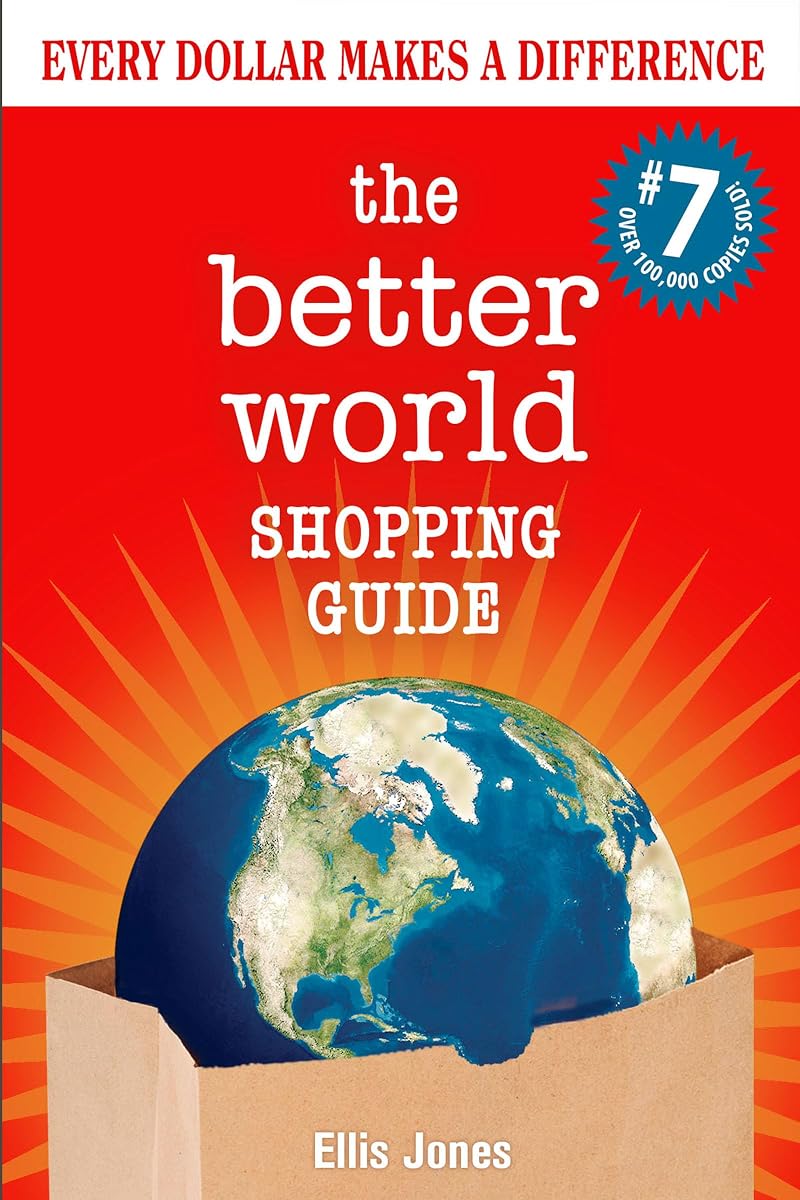
A quintessential guide for the conscious consumer, published by a dedicated B Corp using 100% post-consumer recycled paper and vegetable-based inks.

A socially responsible bookselling giant that utilizes a 'for-profit social enterprise' model to fund global literacy and provide a second life for used books.
Not sold on either? Browse ethical alternatives
Each hub ranks the highest-scoring swaps in the same categories, on the same rubric.