Is Almay ethical and cruelty-free?
Largely yes — we don't stock Almay, but 1 of 4 ethics signals we track are verified in its favour, based on its published policies and third-party certifications.
Almay is a dermatologist-recommended, hypoallergenic cosmetics brand owned by Revlon, positioned as a gentle, skin-friendly option with a longstanding commitment to avoiding animal testing, though its limited sustainability and sourcing transparency place it mid-tier among ethical beauty brands.
The evidence, signal by signal
Cruelty-freeunverified
Almay does not test on animals and does not sell in mainland China where post-market animal testing is required.
Vegan optionsunverified
Almay does not explicitly label a vegan product range and does not hold vegan certification; some products may be vegan by formulation.
Sells in mainland Chinaverified
The brand does not sell through channels that require mainland China post-market testing.
Third-party certifiedunverified
We don't track any of this brand's products yet, so product-level certifications are unchecked.
Public pledges: Almay has no publicly stated sustainability goals, commitments to recycled packaging, or carbon-reduction targets.
Scored with our public methodology. Profile last updated 2026-09-25.
Research notes on Almay
Compiled from the brand's own statements and the public sources listed below, last reviewed 2026-09-25. We don't stock Almay products, so nothing here is checked against product records.
Overview
Almay, a subsidiary of Revlon Inc., has been a staple in the mass-market cosmetics industry since 1931, specializing in hypoallergenic, fragrance-free, and dermatologist-tested products. The brand's core mission is to provide makeup and skincare that is gentle on sensitive skin, avoiding over 1,500 known irritants. Almay is widely available in drugstores and online, targeting consumers who prioritize skin compatibility over trend-driven formulas. While the brand avoids major ethical controversies, its parent company's broader environmental record and lack of robust sustainability benchmarks place it behind many niche and independent clean-beauty competitors.
Certifications
Almay does not hold prominent third-party ethical certifications such as Leaping Bunny, PETA Cruelty-Free, Vegan Action, or B Corp. The brand relies on its own internal standards for hypoallergenic claims and dermatological testing. Some products are formulated without common allergens, but no independent certification bodies validate these claims. Revlon, as a parent company, has not pursued certification for Almay, which limits verifiable assurance for consumers seeking recognized ethical labels.
Animal Testing & Vegan Range
Almay has a clear policy: it does not test its finished products or ingredients on animals, nor does it sell products in mainland China where post-market animal testing is legally required. The brand states it uses only raw material suppliers who confirm no animal testing is conducted on their behalf. However, Almay is not officially certified cruelty-free by any major organization, and its vegan product range is limited and not explicitly labeled. While many of its products are likely vegan (as they avoid animal-derived ingredients like carmine and lanolin), the brand does not provide a comprehensive vegan list or certification. Revlon’s overall stance on animal testing aligns with Almay’s, but the lack of third-party verification creates ambiguity for strict cruelty-free shoppers.
Sustainability Pledges
Almay has not published specific, measurable sustainability goals. The brand’s packaging is largely conventional (plastic, minimal recycled content), and there is no public commitment to reducing plastic use, increasing recyclability, or lowering carbon emissions. Revlon’s corporate sustainability reporting is limited and does not break out environmental targets for Almay. The brand does highlight that some products are formulated with fewer ingredients, which may reduce chemical waste, but no lifecycle assessments or supply chain decarbonization plans are available. Compared to industry leaders like Elate Cosmetics or Aether Beauty, Almay’s environmental commitments are significantly underdeveloped.
Sourcing & Labor
Public information about Almay’s ingredient sourcing and labor practices is scarce. The brand does not disclose its supplier list or provide transparency around raw material origins. Revlon, as a multinational corporation, likely sources globally, but has not published a supplier code of conduct specifically for Almay. There are no reported controversies regarding forced labor or unethical sourcing for the brand, but the lack of disclosure means it is not possible to independently verify ethical labor practices in its supply chain. For consumers deeply concerned with fair trade and supply chain transparency, Almay’s opacity is a notable drawback.
Controversies Context
Almay has not been involved in any major public controversies related to ethics, safety, or marketing. The brand has maintained a relatively low profile in terms of scandals. However, Revlon faced a class-action lawsuit in 2021 regarding alleged false claims about natural ingredients in some Revlon products, but Almay was not directly implicated. The absence of controversy is a neutral factor; it suggests the brand operates within legal and industry norms but does not indicate proactive ethical leadership.
Bottom Line
Almay is a reliable choice for consumers seeking gentle, hypoallergenic cosmetics with a clear no-animal-testing policy. However, its lack of third-party certifications, minimal sustainability initiatives, and limited transparency in sourcing mean it falls short for those prioritizing comprehensive ethical standards. It is a passable option for cruelty-free beauty at a drugstore price point, but not a leader in any ethical dimension beyond its established hypoallergenic positioning.
High-scoring beauty & personal care picks to compare
Top-scoring products from other brands in the category Almay sells in. A starting point for comparison, not proof that each one beats Almay.
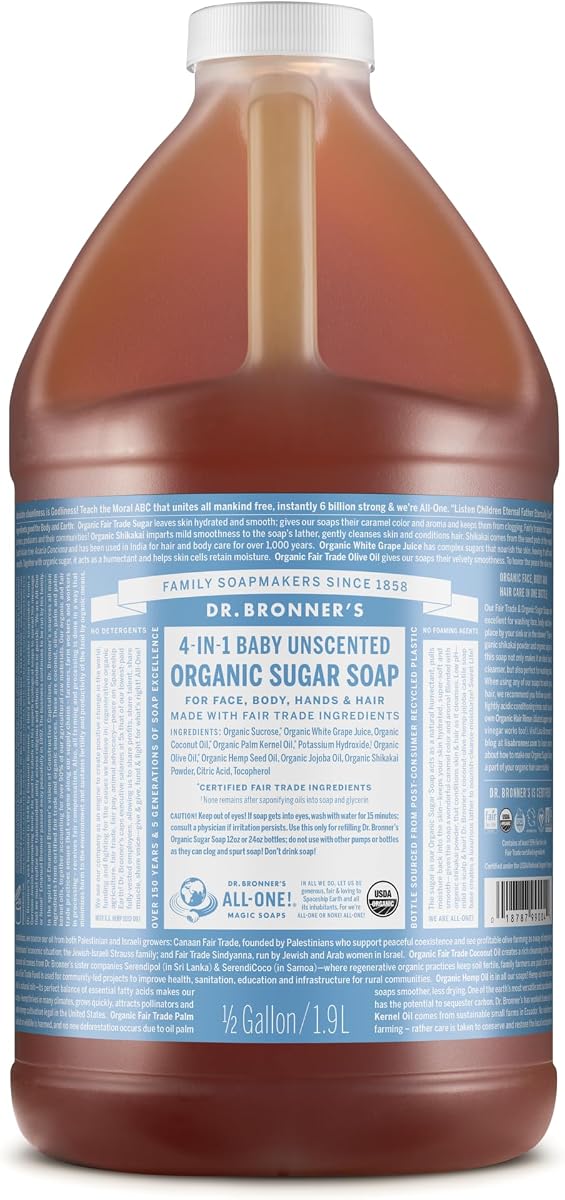
A multi-use, fair-trade organic soap that is gentle enough for pets yet effective at removing grime and odors.
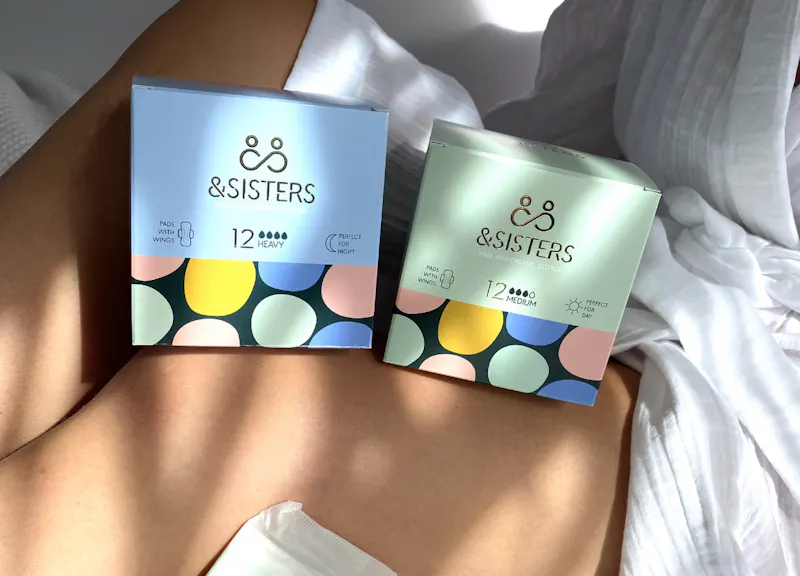
A UK-based, women-owned B Corp offering the highest ethical standard in menstrual care. This bulk 'Sisterhood' bundle features GOTS organic cotton tampons and pads with RSPO-segregated inputs, ensuring zero deforestation.
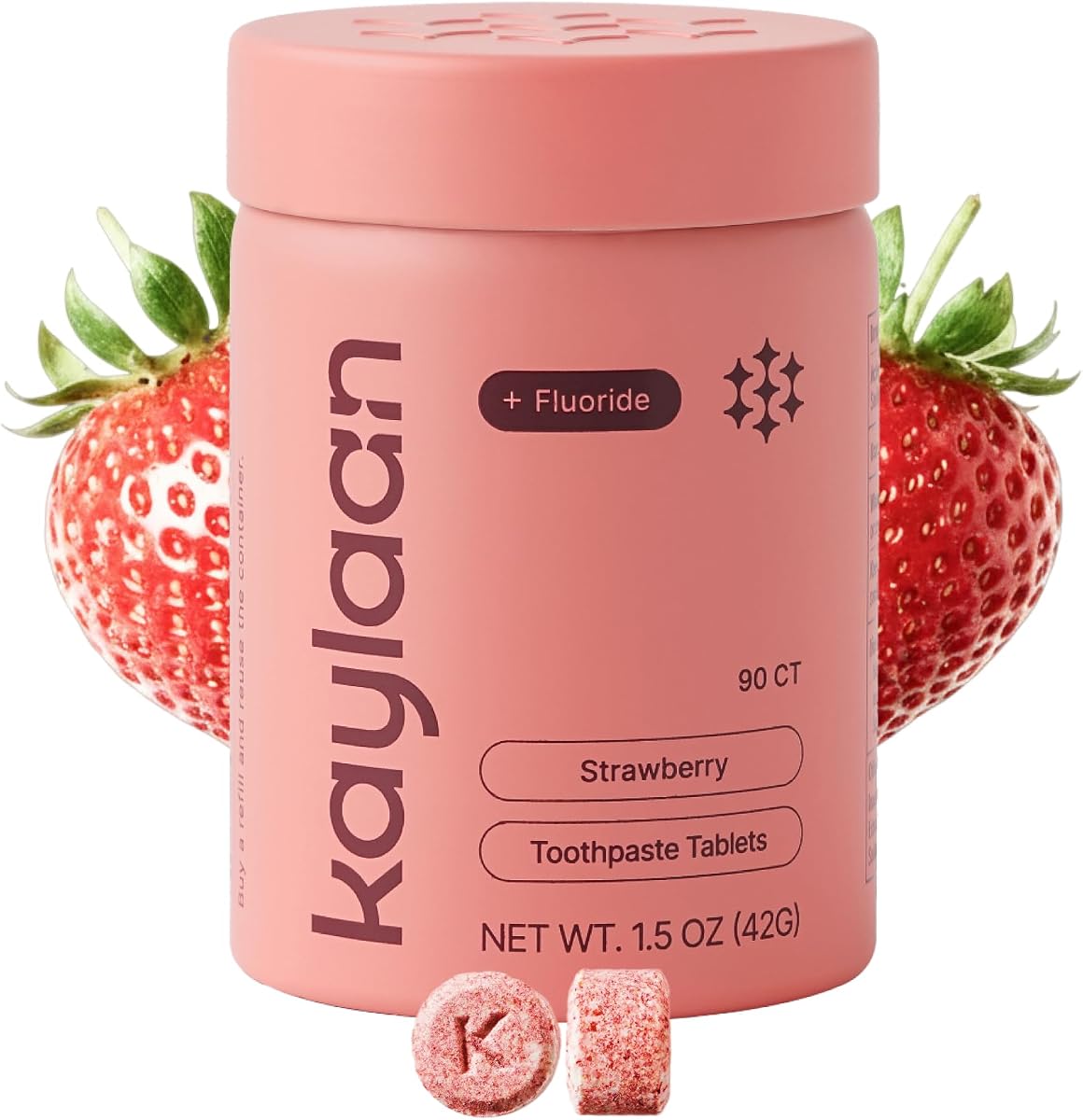
A zero-waste oral care system consisting of fluoride-free tablets in a refillable glass jar, featuring ingredients sourced from ethical Eastern European partners.

A high-potency, carbon-extracted rosehip oil designed specifically for sensitive skin, backed by rigorous B Corp standards and organic agricultural sourcing.
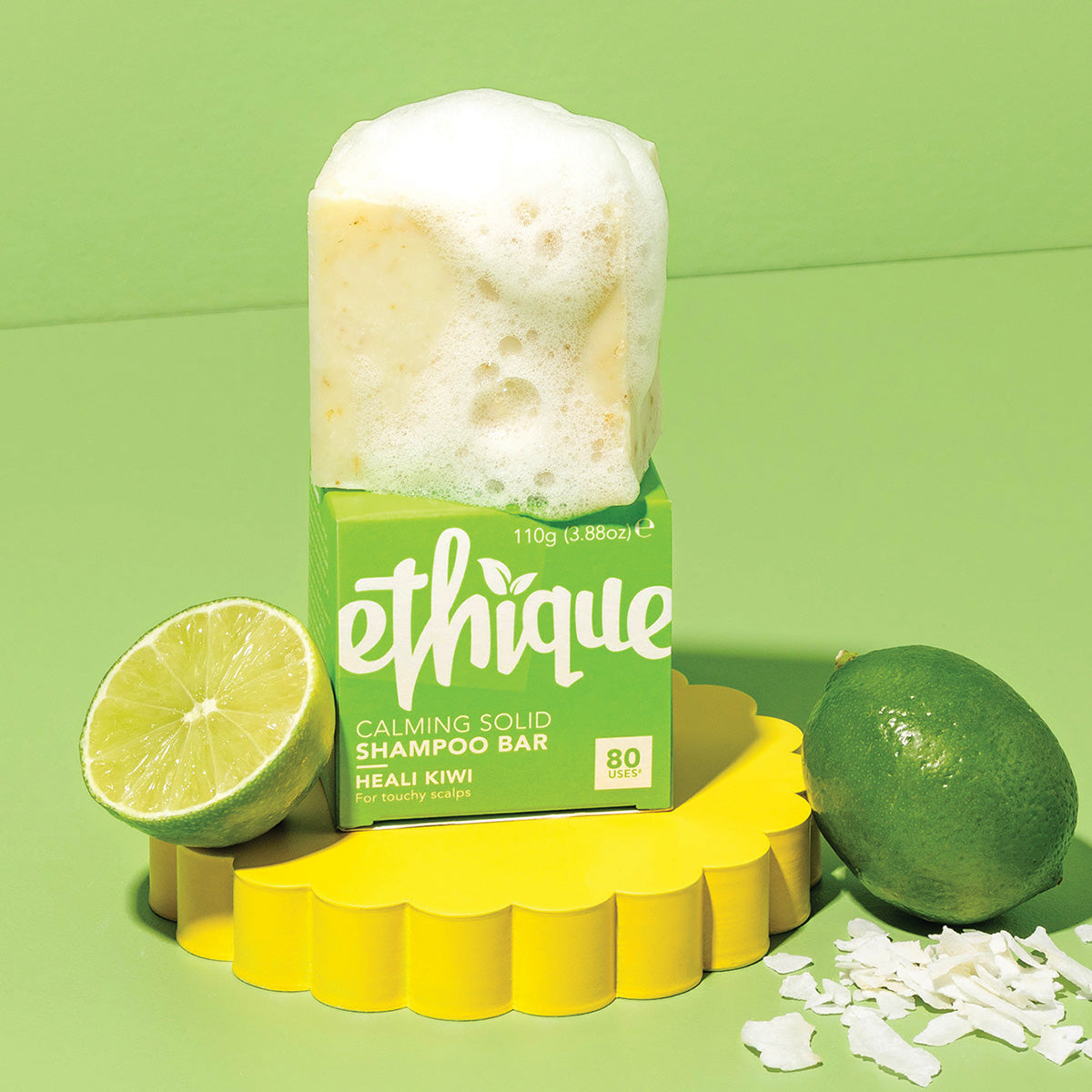
A plastic-free, highly concentrated shampoo bar that replaces three plastic bottles, featuring fair-trade ingredients and carbon-neutral shipping.

A moisturizing, sulfate-free bubble bath featuring handcrafted fair-trade shea butter and calming lavender oil.
More on Almay
Is Almay ethical? FAQs
Is Almay cruelty-free?+
Almay does not test on animals and does not sell in mainland China where post-market animal testing is required.
Does Almay have vegan products?+
Almay does not explicitly label a vegan product range and does not hold vegan certification; some products may be vegan by formulation.
Does Almay sell in mainland China?+
The brand does not sell through channels that require mainland China post-market testing.
What is Almay's ethics score?+
We don't score any Almay products yet, so there is no ethics score. The signals above come from the brand profile and the sources listed on this page.
What are the best alternatives to Almay?+
High-scoring beauty & personal care products to compare include Dr. Bronner’s 4-in-1 Organic Sugar Soap by Dr. Bronner's, RSPO-Segregated Organic Intimate Care & Menstrual Set by &SISTERS, Natural Whitening Toothpaste Tablets Set by Kaylaan.