Is Baba Tree sustainable?
Broadly yes — Baba Tree averages 96/100 on EthiCompare, and its packaging, sourcing and certification record hold up better than most brands we track. Its stated commitments, per the brand profile we hold: Baba Tree uses natural biodegradable fibers, plastic-free packaging, and donates 1% of sales to environmental causes via 1% for the Planet.
We read sustainability as verifiable practice, not marketing: third-party certification, packaging design, sourcing disclosure and published, dated targets. Claims without evidence score as unverified.
The evidence behind the answer
Cruelty-freeverified
No animal testing conducted or commissioned on any products.
Third-party certifiedverified
We record 4 distinct certifications across this brand's products.
Scored with our public methodology.
What Baba Tree's products show
Of the 3 Baba Tree products we score, 3 hold at least one sustainability or labour certification on file, and the ethics score is 96/100.
| Product | Organic | Fair labour | Recyclable / compostable | Plastic-free packaging | Relevant certifications | Score |
|---|---|---|---|---|---|---|
| Organic Cotton & Sisal Fiber Handwoven Rug | Unverified | Yes | Yes | Unverified | Fair Trade, Global Recycled Standard | 96 |
| Hand-Woven Elephant Grass Harvesting Basket | Unverified | Yes | Yes | Unverified | Fair Trade, 1% for the Planet | 96 |
| Hand-Woven Vetiver & Sisal Floor Scrubbing Mat | Unverified | Yes | Yes | Yes | Fair Trade | 96 |
"Yes" means a matching certification, label or material note is recorded for that product; "Unverified" means we hold no evidence either way, not that the answer is no.
How to check this yourself
Sustainability claims are only as good as the evidence behind them. Before you buy:
- Prefer independent certifications with a public register (B Corp, Fair Trade, FSC, GOTS, USDA Organic) over self-declared badges.
- Check whether the claim covers the whole product or one ingredient, and whether packaging is genuinely recyclable where you live.
- Look for dated, measurable targets and progress reports rather than open-ended pledges.
More on Baba Tree
Better-scoring alternatives to Baba Tree

The gold standard for multi-purpose ethical cleaning, featuring organic oils and fair trade sourcing in a post-consumer recycled bottle.

The gold standard of ethical cleaning; a multi-use, highly concentrated liquid soap made with organic oils and fair trade ingredients.

A revolutionary compostable alternative to styrofoam coolers, made from hemp hurdles and mushroom mycelium. Perfect for sustainable camping and outdoor events.

Authentic Indian Khadi (hand-spun, hand-woven) cotton curtains. A premium, small-batch textile that supports the village industries of Karnataka, offering natural insulation and light blocking.
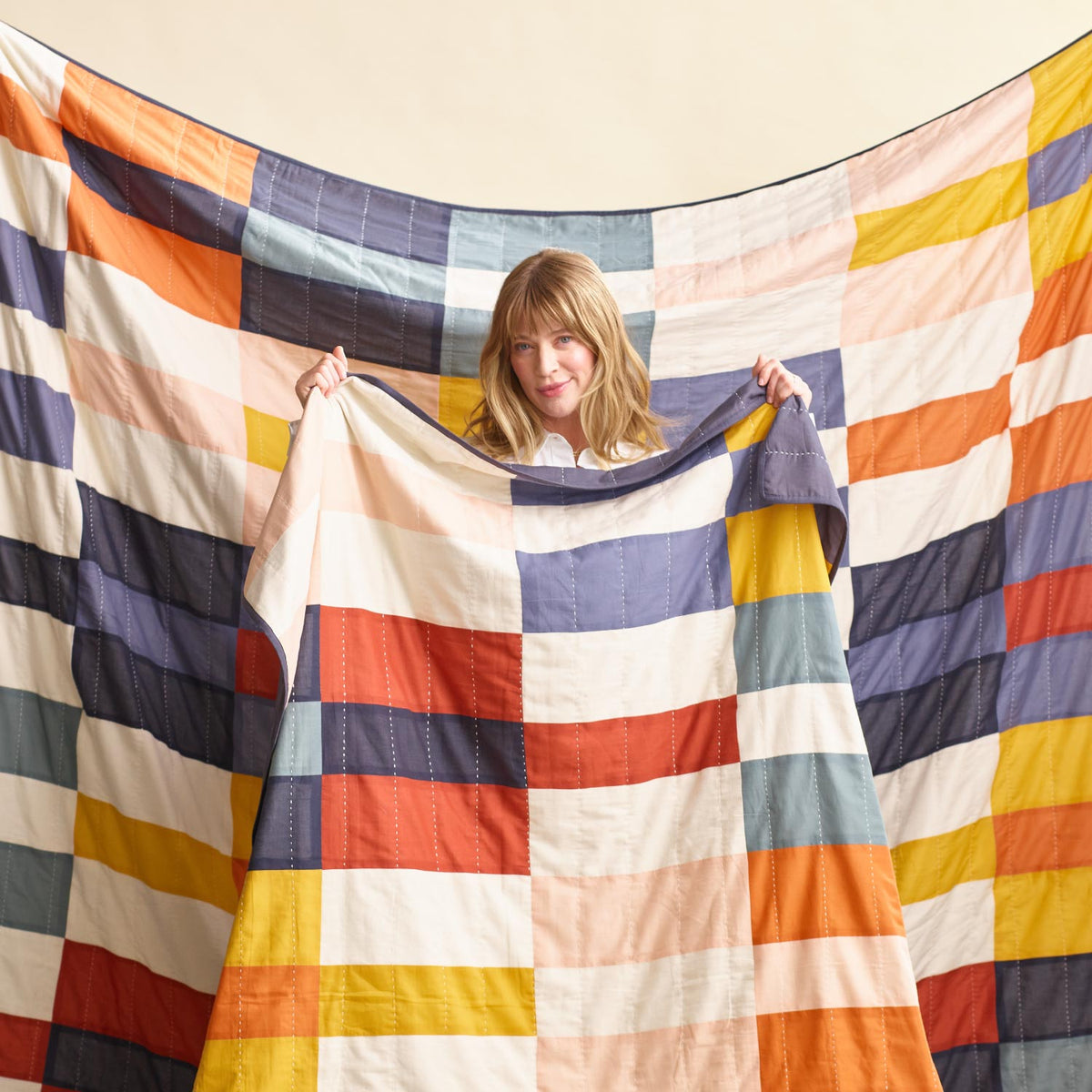
A stunning, artisan-made throw that supports women’s empowerment in India while utilizing 100% plant-based, organic fibers.

A luxurious, carbon-neutral flax linen throw that serves as a durable camping blanket or a high-end picnic base for outdoor wedding celebrations.
Baba Tree: frequently asked
Is Baba Tree sustainable?+
Broadly yes — Baba Tree averages 96/100 on EthiCompare, and its packaging, sourcing and certification record hold up better than most brands we track. Its stated commitments, per the brand profile we hold: Baba Tree uses natural biodegradable fibers, plastic-free packaging, and donates 1% of sales to environmental causes via 1% for the Planet. Of the 3 Baba Tree products we score, 3 hold at least one sustainability or labour certification on file, and the ethics score is 96/100.
Baba Tree: Cruelty-free?+
No animal testing conducted or commissioned on any products.
Baba Tree: Vegan options?+
Full product line is vegan; no animal-derived materials used.
Baba Tree: Third-party certified?+
We record 4 distinct certifications across this brand's products.
What is Baba Tree's ethics score?+
Baba Tree averages 96/100 across 3 products we score on certifications, sourcing, labour, packaging and transparency.