Is Band-Aid ethical and cruelty-free?
Band-Aid is owned by Kenvue
Kimberly-Clark has agreed to acquire Kenvue; in October 2026 the deal was still awaiting completion.
Not really — Band-Aid fails 2 of the 4 ethics signals we track, including its animal-testing position, and holds no third-party certification we can verify.
Band-Aid, a brand of Kenvue (formerly Johnson & Johnson), is a leading adhesive bandage manufacturer but lacks third-party certifications for ethics or sustainability. While it has made some animal-testing and environmental pledges, its lack of transparency and reliance on plastic materials raise concerns for ethically minded consumers.
The evidence, signal by signal
Cruelty-freeflagged
Parent company Kenvue states it minimizes animal testing but may conduct it where required by law; not certified cruelty-free.
Vegan optionsunverified
Most standard bandages are likely vegan (no animal-derived ingredients), but no explicit vegan range or certification exists.
Sells in mainland Chinaflagged
Selling through mainland Chinese retail has historically triggered post-market animal testing.
Third-party certifiedunverified
We don't track any of this brand's products yet, so product-level certifications are unchecked.
Public pledges: Kenvue has corporate targets for plastic reduction by 2030, but Band-Aid brand has no specific, measurable pledges.
Scored with our public methodology. Profile last updated 2026-09-13.
Research notes on Band-Aid
Compiled from the brand's own statements and the public sources listed below, last reviewed 2026-09-13. We don't stock Band-Aid products, so nothing here is checked against product records.
Overview
Band-Aid is a globally recognized brand of adhesive bandages and first-aid products, owned by Kenvue (spun off from Johnson & Johnson in 2023). Founded in 1920, the brand dominates the market with a wide range of bandages for minor cuts and wounds. However, as a mass-market healthcare brand, Band-Aid does not position itself as an ethical or sustainable product line. Its parent company, Kenvue, has made some corporate responsibility commitments, but specific brand-level transparency is limited. The brand is not certified by common ethical labels (e.g., Fair Trade, B Corp, Leaping Bunny), and its environmental footprint—primarily due to plastic packaging and non-biodegradable bandage materials—remains a concern. For consumers prioritizing animal welfare, Band-Aid has a history of animal testing under Johnson & Johnson, though the parent company now states it minimizes such testing. Vegan options are available but not explicitly labeled. Overall, Band-Aid scores low on independent ethical ratings, but no major scandals are on record.
Certifications
Band-Aid products and their parent company, Kenvue, do not hold widely recognized third-party certifications such as B Corp, Fair Trade, Leaping Bunny, or Cruelty-Free International. The brand also lacks organic, vegan, or eco-certifications (e.g., USDA Organic, FSC, EU Ecolabel). Some products may carry the FDA approval for medical safety, but this is not an ethical certification. On ethical consumer watchdogs like Ethical Consumer (UK), Band-Aid receives a low rating (e.g., 2 out of 20) due to parent company practices, including animal testing history and lack of sustainability reporting at the brand level.
Animal Testing & Vegan Range
Kenvue (and formerly Johnson & Johnson) states that it does not test finished products on animals except where required by law (e.g., for certain medical regulations). However, Band-Aid’s parent company has a long history of animal testing for product development, and it is not certified as cruelty-free by any major body. The brand does not explicitly market a vegan range, but most standard bandages (made from plastic, adhesive, and non-animal-derived materials) are likely vegan. No specific vegan certification exists for Band-Aid products.
Sustainability Pledges
Kenvue has public sustainability goals, including reducing plastic packaging and increasing use of recycled materials by 2030. However, Band-Aid as a brand has no specific, measurable sustainability pledges for its bandages. The products themselves are single-use, non-biodegradable plastic and adhesive composites, contributing to medical waste. Band-Aid does offer some “flexible fabric” and “eco-friendly” options in certain markets (e.g., biodegradable bandages in Europe), but these are not widely available globally. The parent company’s 2023 sustainability report mentions efforts to reduce virgin plastic, but no brand-level targets are published. No third-party audits or life-cycle assessments are available for Band-Aid.
Sourcing & Labor
Band-Aid sources raw materials (cotton, adhesives, plastics) from global suppliers. Kenvue maintains a supplier code of conduct aligned with International Labour Organization standards, but specific due diligence reports for Band-Aid are not public. Labor practices in supply chains—especially for raw materials like cotton—are not independently verified. The brand has no fair-trade certification, and wage data for workers in its manufacturing facilities (e.g., in Mexico, China) are not disclosed. Given Johnson & Johnson’s past involvement in controversies around opioid marketing and talc, some of those reputational issues touch the company, but Band-Aid itself has not been implicated in labor scandals.
Controversies Context
Band-Aid has no major controversies on record. Minor criticisms include lack of diversity in product shades (addressed in 2020 with “Our Tone” bandage range) and the parent company’s animal-testing legacy. The brand has not been linked to corruption, child labor, or human rights abuses. However, ethically minded consumers may object to its reliance on single-use plastics and absence of cruelty-free certification. Note: Johnson & Johnson (predecessor) faced lawsuits over talc and opioids, but those are not directly tied to Band-Aid.
Bottom Line
Band-Aid is a reliable, widely available first-aid brand, but for ethical shoppers, it falls short. No certifications, limited sustainability efforts, and a history of animal testing under its parent company make it a low-scoring choice. If you prioritize cruelty-free, vegan, or eco-friendly bandages, consider alternatives from brands like PATCH, Welly, or EcoCerate that carry Leaping Bunny or B Corp certifications. Band-Aid may suit a budget or emergency need, but it is not an ethical standout.
Better-scoring alternatives to Band-Aid
Same categories, higher ethics scores, verified certifications.

The ultimate multi-tasker for minimalist hosts; one bottle can wash hands, body, hair, and even dishes.
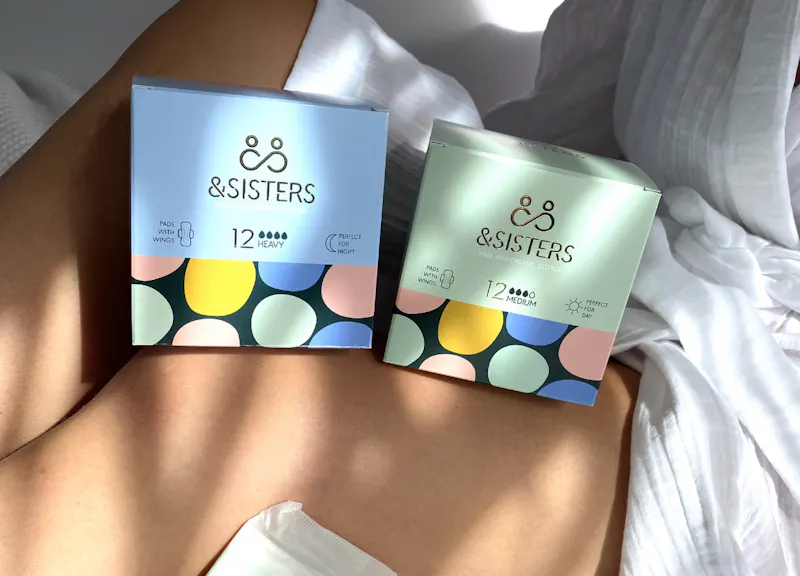
A UK-based, women-owned B Corp offering the highest ethical standard in menstrual care. This bulk 'Sisterhood' bundle features GOTS organic cotton tampons and pads with RSPO-segregated inputs, ensuring zero deforestation.
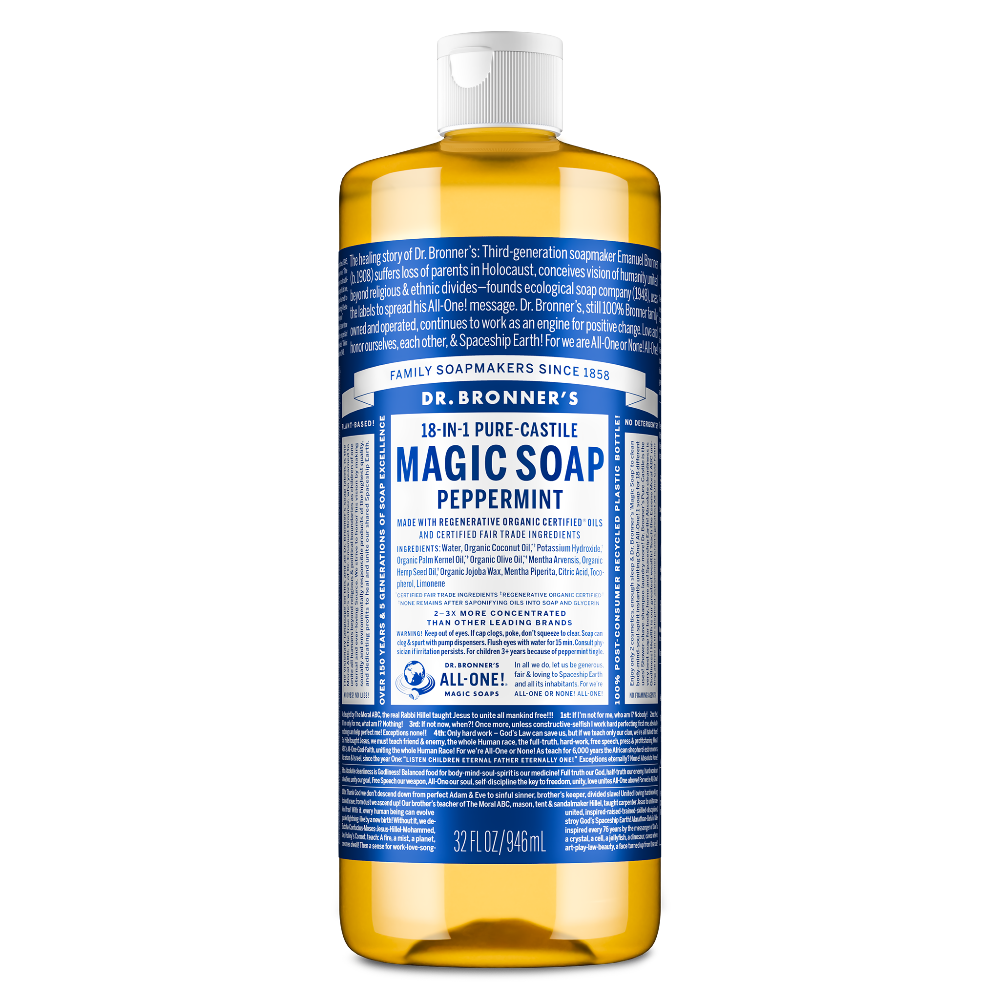
The gold standard of ethical cleaning. A highly concentrated, multi-surface liquid soap made from organic oils and fair trade ingredients in 100% PCR packaging.

The gold standard of ethical soaps, featuring regenerative organic palm oil and a legacy of fair-trade advocacy and radical transparency.
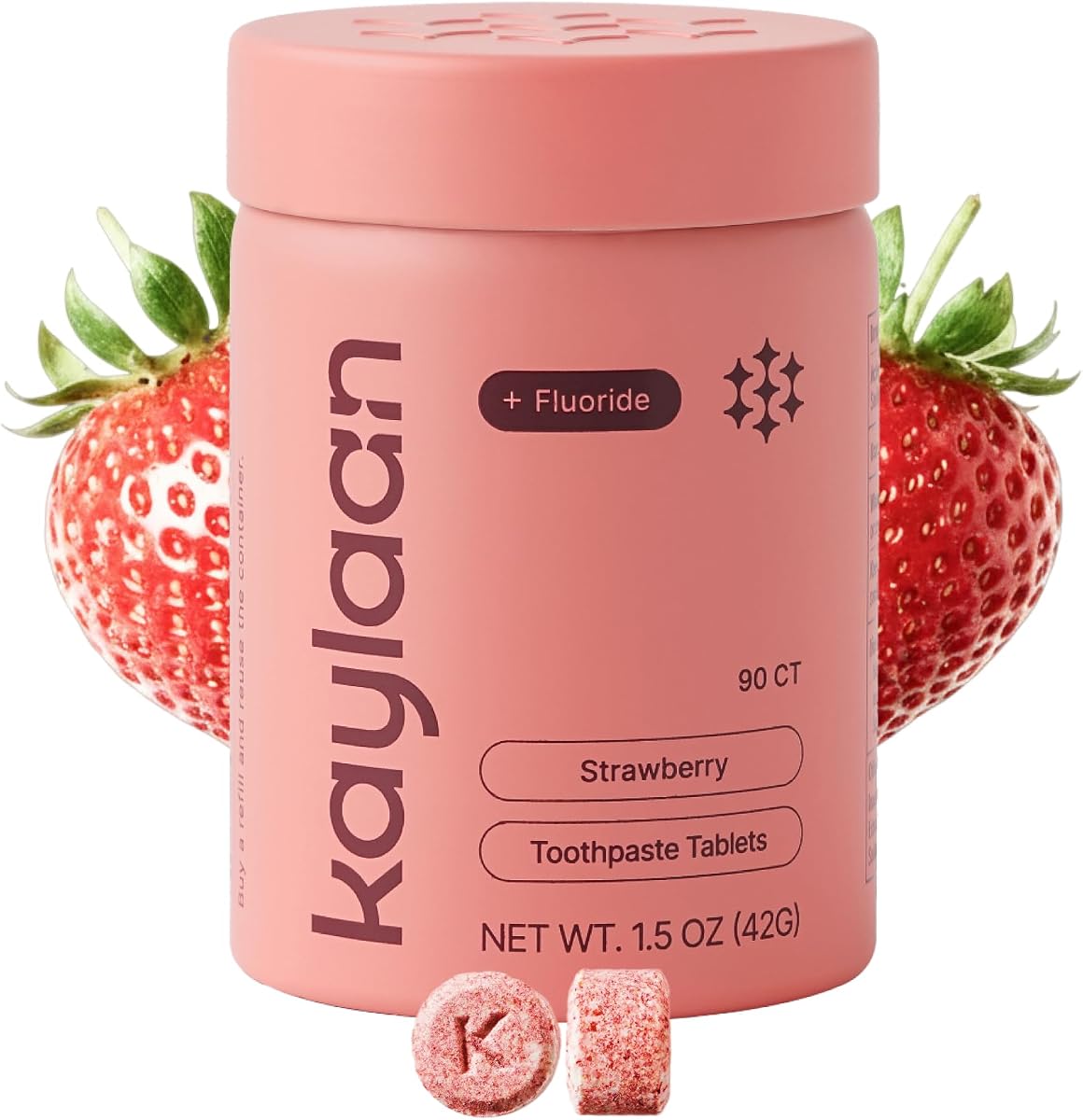
A zero-waste oral care system consisting of fluoride-free tablets in a refillable glass jar, featuring ingredients sourced from ethical Eastern European partners.

A high-potency, carbon-extracted rosehip oil designed specifically for sensitive skin, backed by rigorous B Corp standards and organic agricultural sourcing.
More on Band-Aid
Is Band-Aid ethical? FAQs
Is Band-Aid cruelty-free?+
Parent company Kenvue states it minimizes animal testing but may conduct it where required by law; not certified cruelty-free.
Does Band-Aid have vegan products?+
Most standard bandages are likely vegan (no animal-derived ingredients), but no explicit vegan range or certification exists.
Does Band-Aid sell in mainland China?+
Selling through mainland Chinese retail has historically triggered post-market animal testing.
What is Band-Aid's ethics score?+
We don't score any Band-Aid products yet, so there is no ethics score. The signals above come from the brand profile and the sources listed on this page.
What are the best alternatives to Band-Aid?+
Higher-scoring alternatives include Dr. Bronner's 18-in-1 Pure-Castile Soap (Travel Size) by Dr. Bronner's, RSPO-Segregated Organic Intimate Care & Menstrual Set by &SISTERS, Dr. Bronner's Pure-Castile Liquid Soap (Peppermint) by Dr. Bronner's.