Is BECCA ethical and cruelty-free?
Largely yes — we don't stock BECCA, but 2 of 4 ethics signals we track are verified in its favour, based on its published policies and third-party certifications.
Becca was a cosmetics brand known for highlighters and complexion products, but it was discontinued by its parent company Estée Lauder in 2021 and is no longer sold. Due to its dissolution, it has no current ethical practices to evaluate.
The evidence, signal by signal
Cruelty-freeverified
Becca claimed no animal testing, but as part of Estée Lauder it was not fully cruelty-free due to parent company practices.
Vegan optionsunverified
Limited vegan offerings; not entirely vegan.
Sells in mainland Chinaverified
The brand does not sell through channels that require mainland China post-market testing.
Third-party certifiedunverified
We don't track any of this brand's products yet, so product-level certifications are unchecked.
Public pledges: No standalone sustainability pledges beyond parent company corporate initiatives.
Scored with our public methodology. Profile last updated 2026-09-20.
Research notes on BECCA
Compiled from the brand's own statements and the public sources listed below, last reviewed 2026-09-20. We don't stock BECCA products, so nothing here is checked against product records.
Overview
Becca (formerly Becca Cosmetics) was a makeup brand founded in 2001 by Rebecca Morrice Williams, best known for its Shimmering Skin Perfector highlighters and inclusive shade ranges. In 2016, the brand was acquired by The Estée Lauder Companies Inc. (ELC), a multinational conglomerate that also owns brands like MAC, Clinique, and Too Faced. After struggling financially amid the COVID-19 pandemic and shifting consumer preferences, Estée Lauder announced in February 2021 that Becca would be permanently discontinued, with all sales ceasing by September 2021. Because the brand no longer exists, it cannot be assessed for current ethical commitments, certifications, or policies. However, prior to its closure, Becca had a mixed record on animal testing, sustainability, and sourcing that was largely shaped by its parent company’s policies. This profile is based solely on publicly available information from the time before discontinuation.
Certifications
Becca did not hold any widely recognized third-party certifications such as Leaping Bunny, Cruelty Free International, Vegan Society, B Corp, or Fair Trade certification. As a subsidiary of Estée Lauder, the brand operated under the conglomerate’s compliance frameworks, which did not pursue independent certification for its sub-brands. The lack of certification meant that consumers could not verify ethical claims through independent audits.
Animal Testing & Vegan Range
Prior to its closure, Becca claimed to be cruelty-free, stating that it did not test finished products or ingredients on animals, nor did it sell in mainland China (where animal testing is required for imported cosmetics). However, because Becca was owned by Estée Lauder, which conducts animal testing where required by law (e.g., for products sold in China via third-party distributors), the brand was not considered fully cruelty-free by some advocates. Becca did offer a selection of vegan products, but the full line was not entirely vegan—some items contained beeswax, carmine, or lanolin. The brand did not have a clear policy on animal-derived ingredients or a dedicated vegan certification.
Sustainability Pledges
Becca had limited sustainability initiatives. While Estée Lauder has corporate-level commitments to reduce packaging waste and carbon emissions, Becca as a brand had no standalone sustainability pledges. The company did not publicly report on its environmental footprint, use of recycled materials, or efforts to minimize plastic. Most packaging was non-recyclable due to mixed materials and metallic finishes. No information was available about carbon offsetting, water conservation, or renewable energy use specific to Becca.
Sourcing & Labor
Sourcing and labor practices for Becca fell under Estée Lauder’s global supply chain standards. ELC publishes a Supplier Code of Conduct requiring compliance with local labor laws, prohibition of child and forced labor, and safe working conditions. However, there were no third-party audits or public reports specifically for Becca’s raw materials (such as mica, palm oil, or pigments). Mica sourcing, a known risk in the cosmetics industry due to child labor in India, was not addressed by Becca directly. The brand did not disclose its supply chain traceability for key ingredients.
Controversies Context
Becca had no major controversies on record. The brand’s closure was attributed to market performance, not scandal. However, some criticism existed regarding its parent company’s animal testing practices and a lack of transparency around sourcing. Since the brand is now defunct, these issues are no longer applicable to active operations.
Bottom Line
Becca is no longer available for purchase, so it cannot be recommended as an ethical option. For consumers seeking similar highlighter and complexion products, we suggest exploring current cruelty-free and vegan brands with transparent sourcing and certifications. As a historical note, Becca’s ethical profile was heavily dependent on Estée Lauder’s policies and lacked independent validation.
Better-scoring alternatives to BECCA
Same categories, higher ethics scores, verified certifications.

The ultimate multi-tasker for minimalist hosts; one bottle can wash hands, body, hair, and even dishes.
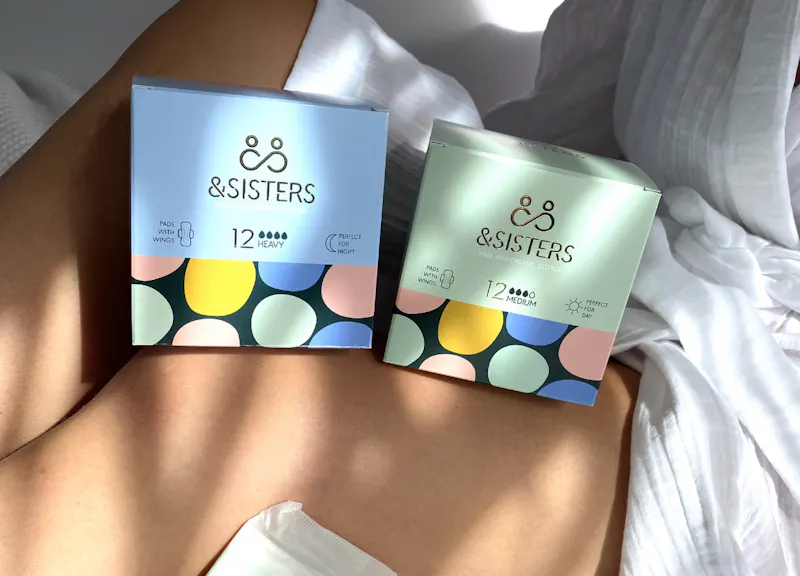
A UK-based, women-owned B Corp offering the highest ethical standard in menstrual care. This bulk 'Sisterhood' bundle features GOTS organic cotton tampons and pads with RSPO-segregated inputs, ensuring zero deforestation.
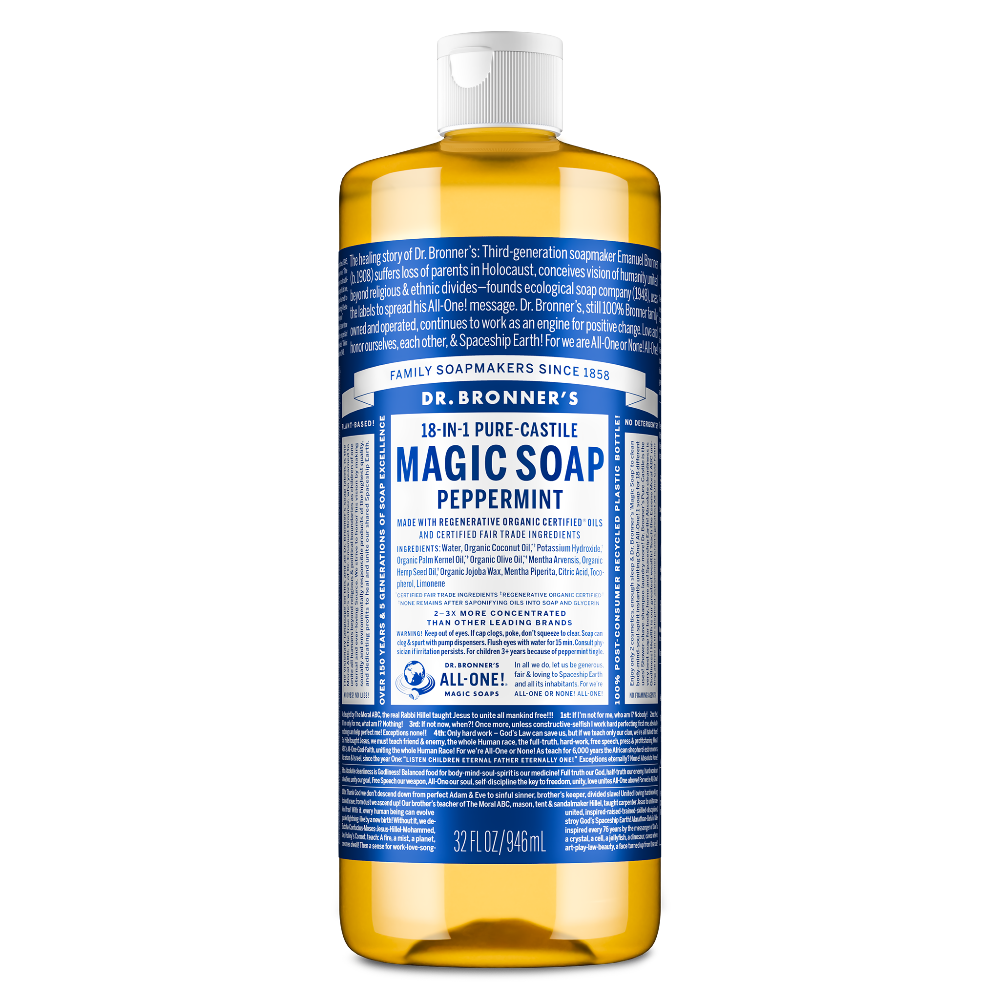
The gold standard of ethical cleaning. A highly concentrated, multi-surface liquid soap made from organic oils and fair trade ingredients in 100% PCR packaging.

The gold standard of ethical soaps, featuring regenerative organic palm oil and a legacy of fair-trade advocacy and radical transparency.
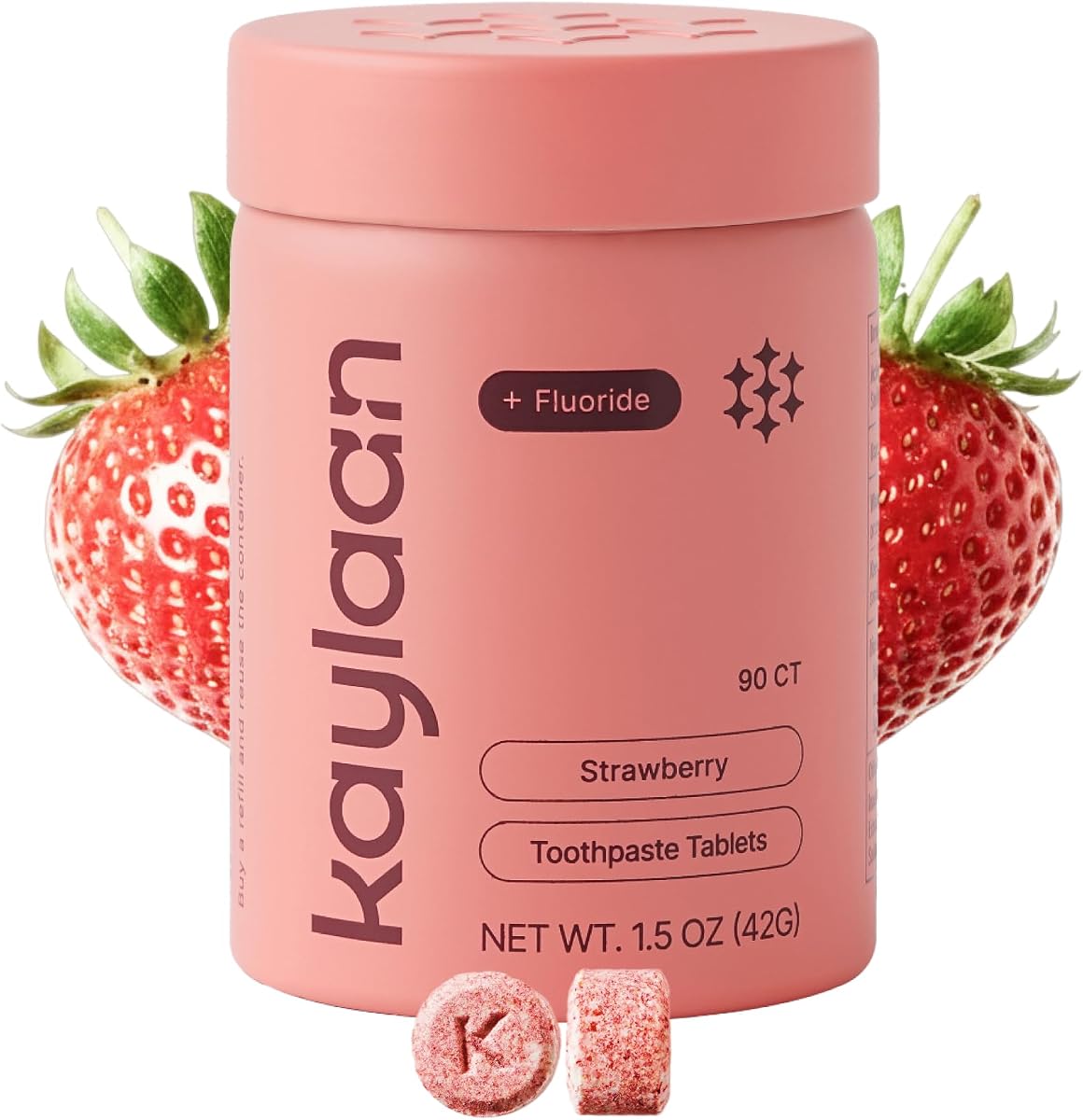
A zero-waste oral care system consisting of fluoride-free tablets in a refillable glass jar, featuring ingredients sourced from ethical Eastern European partners.

A high-potency, carbon-extracted rosehip oil designed specifically for sensitive skin, backed by rigorous B Corp standards and organic agricultural sourcing.
More on BECCA
Is BECCA ethical? FAQs
Is BECCA cruelty-free?+
Becca claimed no animal testing, but as part of Estée Lauder it was not fully cruelty-free due to parent company practices.
Does BECCA have vegan products?+
Limited vegan offerings; not entirely vegan.
Does BECCA sell in mainland China?+
The brand does not sell through channels that require mainland China post-market testing.
What is BECCA's ethics score?+
We don't score any BECCA products yet, so there is no ethics score. The signals above come from the brand profile and the sources listed on this page.
What are the best alternatives to BECCA?+
Higher-scoring alternatives include Dr. Bronner's 18-in-1 Pure-Castile Soap (Travel Size) by Dr. Bronner's, RSPO-Segregated Organic Intimate Care & Menstrual Set by &SISTERS, Dr. Bronner's Pure-Castile Liquid Soap (Peppermint) by Dr. Bronner's.