Is Beech-Nut ethical and cruelty-free?
Largely yes — we don't stock Beech-Nut, but 2 of 4 ethics signals we track are verified in its favour, based on its published policies and third-party certifications.
Beech-Nut is a longstanding U.S. baby food brand known for simple, non-GMO recipes. It is a subsidiary of Hero Group, with no major ethical controversies, though its parent company has faced scrutiny over sugar content and packaging sustainability.
The evidence, signal by signal
Cruelty-freeverified
No animal testing on finished products; not animal-testing-free certified.
Vegan optionsunverified
No official vegan range; some fruit purees are vegan but not labeled as such.
Sells in mainland Chinaverified
The brand does not sell through channels that require mainland China post-market testing.
Third-party certifiedunverified
We don't track any of this brand's products yet, so product-level certifications are unchecked.
Public pledges: Committed to 100% recyclable packaging by 2025, uses FSC-certified paper.
Scored with our public methodology. Profile last updated 2026-10-11.
How we reached this verdict on Beech-Nut
Each signal is built from the product records and certifications we hold for Beech-Nut, its brand profile and the sources that profile lists. Scores are AI-assisted catalogue assessments, not audits, so check the named certificate or policy before relying on it. Where a claim cannot be confirmed from those records, the signal is marked unclear rather than assumed positive.
How to read this page
Four questions decide most ethical-shopping decisions about a brand like Beech-Nut. Work through them in order.
- 1Testing: is there third-party cruelty-free certification, and does the brand sell in markets where animal testing can still be required?
- 2Ingredients and materials: vegan formulation is a separate question from cruelty-free, and a brand can be one without the other.
- 3Ownership: a certified brand inside a group that still tests, or that is linked to documented controversies, is a different decision than an independent one.
- 4Packaging and transparency: refills, recycled content and published supplier data are where most brands quietly lose points.
Research notes on Beech-Nut
Compiled from the brand's own statements and the public sources listed below, last reviewed 2026-10-11. We don't stock Beech-Nut products, so nothing here is checked against product records.
Overview
Founded in 1891, Beech-Nut is one of the oldest baby food brands in the United States, specializing in purees, snacks, and cereals for infants and toddlers. The brand is currently owned by the Swiss-based Hero Group, a global food company. Beech-Nut markets itself using simple, Non-GMO Project Verified ingredients, with no artificial flavors or preservatives. The brand operates primarily in the U.S. and Canada, and its products are widely available in major retailers.
Certifications
Beech-Nut holds the following notable certifications:
- Non-GMO Project Verified: Their entire product line is verified as non-GMO.
- Gluten-Free: Many products are certified gluten-free.
- Certified B Corporation: Heritage Insiders, a Beech-Nut factory store, is a Certified B Corp, though the brand itself does not hold this certification.
- No Kosher or Halal certifications are prominently advertised on products.
Animal testing & vegan range
Beech-Nut does not conduct animal testing on its finished products, as baby food is not subject to such requirements. However, the brand does not label any products as vegan because some recipes include dairy (e.g., yogurt blends) or meat (e.g., chicken & rice). The brand does not explicitly state a vegan policy, but plant-based options like fruit purees are inherently vegan.
Sustainability pledges
Beech-Nut has committed to 100% recyclable packaging by 2025. They have transitioned to recyclable plastic bottles and pouches, and they use Forest Stewardship Council (FSC) certified paper for secondary packaging. The brand also works with suppliers to reduce water usage and carbon emissions, though no public net-zero target exists. Parent company Hero Group reports on sustainability via its annual report, focusing on sustainable sourcing of fruits and vegetables.
Sourcing & labor
Ingredients are sourced from U.S. farms (e.g., apples from New York, pears from Washington) as well as international suppliers for items like bananas and mangoes. Beech-Nut says it supports local growers but does not have Fair Trade certification. Regarding labor, the Hero Group has a Supplier Code of Conduct that prohibits child labor and forced labor, though third-party audits are not regularly published. No major labor controversies have been reported.
Controversies context
Beech-Nut has no major ongoing controversies. In the past (2009–2011), the brand was involved in a minor recall due to glass fragments in jars, which was quickly resolved. In 2021, a class-action lawsuit alleged misleading sugar claims on toddler snacks (e.g., fruit-based snacks marketed as containing no added sugar, but with high natural sugar). The suit was settled, and the brand updated some labeling. There is no evidence of exploitation or unethical sourcing.
Bottom line
Beech-Nut is a reliable, low-controversy choice for parents prioritizing non-GMO and simple ingredients. The brand is not perfect: it lacks a comprehensive vegan range, has no Fair Trade sourcing, and its parent company's sustainability reporting is modest. However, for a mass-market baby food brand, Beech-Nut demonstrates genuine efforts in clean labeling and recyclable packaging. It is a solid mid-range ethical option, though smaller organic brands may offer stronger ethical credentials.
High-scoring baby & kids picks to compare
Top-scoring products from other brands in the category Beech-Nut sells in. A starting point for comparison, not proof that each one beats Beech-Nut.

The first and only baby brand to be Gold Seal Fair Trade certified, Under the Nile offers exceptionally soft Egyptian cotton towels made in a sustainable community in Egypt.

A sustainable, carbon-neutral dollhouse made from reclaimed rubberwood and non-toxic PlanWood.

A 100% natural rubber pacifier that is completely plant-based, plastic-free, and compostable, meeting the highest circularity standards.

A 100% organic and sustainable activity center that pair FSC-certified birch wood with hand-knit GOTS cotton toys, ensuring a plastic-free and heirloom-quality developmental tool.

An emerging indie brand sourcing premium organic cotton from Vietnam, this wrap is gaining traction on Pinterest for its minimalist aesthetic and ethical manufacturing process.
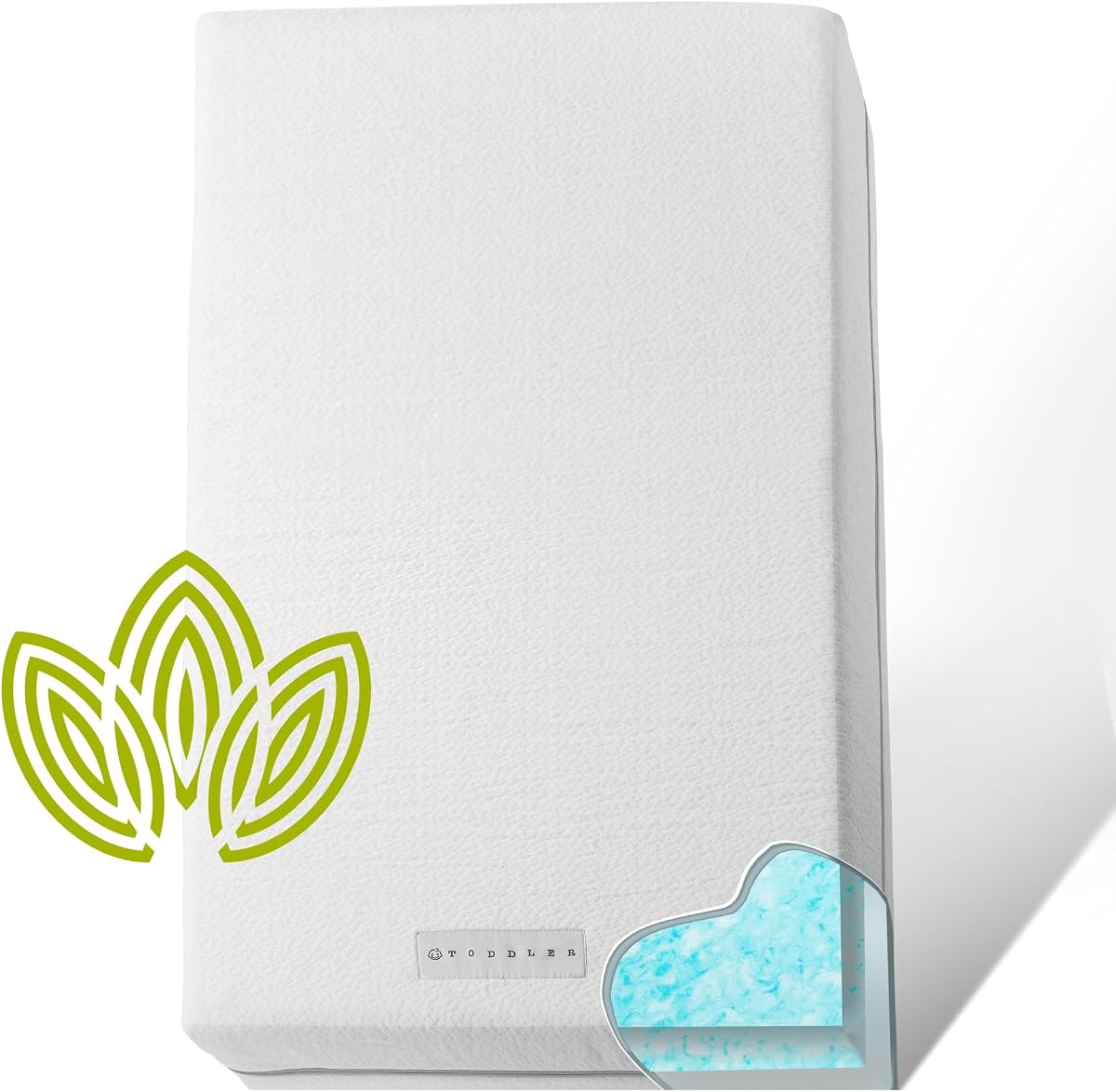
A handmade, non-toxic crib mattress featuring certified organic materials and a dual-firmness design to support infant and toddler development without off-gassing.
More on Beech-Nut
What the score looks at
Each 0–100 score is an AI-assisted catalogue assessment with five recorded dimensions, not a fixed-weight calculation or an audit. Brands cannot buy a position, and a missing disclosure limits what can be assessed rather than being assumed positive.
Animal welfare
Third-party cruelty-free and vegan certification, animal-derived inputs, testing policy in every market the brand sells in.
Materials & sourcing
Organic, recycled or regenerative inputs, traceability to farm or mill, deforestation and biodiversity risk.
Labour & human rights
Living-wage commitments, published supplier lists, audit results and remediation, Fair Trade certification.
Packaging & waste
Recycled content, plastic intensity, refill or take-back options, real end-of-life recyclability.
Transparency
Public reporting, verifiable claims, parent-company disclosure and how quickly the brand answers questions.
Reading the score
Leader
80–100
Multiple independent certifications, published supply chain, credible reductions.
Strong
65–79
Solid certified core with one weak pillar, usually packaging or labour disclosure.
Mixed
50–64
Real progress in places, significant gaps elsewhere — read the detail before buying.
Weak
0–49
Little verified evidence, or an ownership structure that contradicts the marketing.
Six checks for any ethical purchase
A ranking gets you to a shortlist; these checks tell you whether a specific product is right for your household. Work through them in order — the first two rule out most greenwashing on their own.
Buying checklist
- Check the certification, not the adjective: a logo from Leaping Bunny, Vegan Society, GOTS, Fair Trade or B Corp is auditable; the words "natural" and "clean" are not.
- Look up the parent company — a certified brand owned by a group that still tests where the law requires it is a different decision than an independent one.
- Read the full ingredient or material list, not the front-of-pack claim; a single animal-derived or high-impact input can undo the rest.
- Prefer refills, concentrates and take-back schemes: packaging is usually the fastest win in this category.
- Compare cost per use rather than shelf price, including dose, refill costs and how long you will actually use the item.
- Buy the thing you will actually finish or wear a hundred times; the lowest-impact purchase is still the one you do not replace.
Is Beech-Nut ethical? FAQs
Is Beech-Nut cruelty-free?+
No animal testing on finished products; not animal-testing-free certified.
Does Beech-Nut have vegan products?+
No official vegan range; some fruit purees are vegan but not labeled as such.
Does Beech-Nut sell in mainland China?+
The brand does not sell through channels that require mainland China post-market testing.
What is Beech-Nut's ethics score?+
We don't score any Beech-Nut products yet, so there is no ethics score. The signals above come from the brand profile and the sources listed on this page.
What are the best alternatives to Beech-Nut?+
High-scoring baby & kids products to compare include Classic Organic Baby Hooded Towel by Under the Nile, PlanToys Creative Play House by PlanToys, Plastic-Free Natural Rubber Soother by HEVEA.