Is Benadryl ethical and cruelty-free?
Not really — Benadryl fails 2 of the 4 ethics signals we track, including its animal-testing position, and holds no third-party certification we can verify.
Benadryl, a Johnson & Johnson brand, is an established antihistamine and allergy relief product line. While it maintains a generally clean safety record and parent-company sustainability goals, it lacks third-party certifications for cruelty-free or vegan status, and its animal-testing policy remains opaque due to its parent company's practices.
The evidence, signal by signal
Cruelty-freeflagged
Benadryl products are tested on animals where required by law, particularly for regulatory approvals in markets like China; Johnson & Johnson has not fully eliminated animal testing.
Vegan optionsunverified
No vegan-specific products; many formulations contain animal-derived ingredients (e.g., gelatin).
Sells in mainland Chinaflagged
Selling through mainland Chinese retail has historically triggered post-market animal testing.
Third-party certifiedunverified
We don't track any of this brand's products yet, so product-level certifications are unchecked.
Public pledges: Parent company Johnson & Johnson has carbon reduction and renewable energy goals, but Benadryl has no brand-specific sustainability initiatives.
Scored with our public methodology. Profile last updated 2026-10-05.
Research notes on Benadryl
Compiled from the brand's own statements and the public sources listed below, last reviewed 2026-10-05. We don't stock Benadryl products, so nothing here is checked against product records.
Overview
Benadryl is a widely recognized over-the-counter antihistamine brand, primarily used for the relief of allergy symptoms, hay fever, and insect bite reactions. Originally developed by Parke-Davis, the brand is now owned and operated by Johnson & Johnson (J&J), one of the largest healthcare conglomerates in the world. The product line includes oral tablets, liquid gels, topical creams, and children’s formulations. Benadryl’s active ingredient, diphenhydramine, is a first-generation antihistamine. The brand has a long history of consumer trust but faces increasing scrutiny over its parent company’s broader ethical practices, particularly regarding animal testing and environmental sustainability. As of 2025, Benadryl does not carry any independent ethical certifications such as Leaping Bunny, Cruelty-Free International, or B Corp. Its primary market is the United States and other countries where J&J operates directly.
Certifications
Benadryl holds no third-party ethical certifications. It is not certified cruelty-free by any internationally recognized body (e.g., Leaping Bunny, PETA, or Cruelty-Free International). It is not certified vegan, organic, or Fair Trade. The brand does not display any eco-labels such as Cradle to Cradle or Forest Stewardship Council (FSC) on its packaging. The absence of certifications is notable for consumers seeking transparent, ethical product choices.
Animal testing & vegan range
Benadryl does not claim to be a cruelty-free brand. Johnson & Johnson, its parent company, has stated a commitment to reducing animal testing but continues to conduct or commission animal tests where required by law (e.g., for certain drug approvals in China, though J&J has partially moved to in vitro methods). Benadryl products are tested on animals in jurisdictions where it is legally mandated. The brand does not offer a dedicated vegan product line; many formulations contain inactive ingredients of animal origin (e.g., gelatin in capsules) or are tested on animals. No public statement confirms that any Benadryl product is vegan-friendly.
Sustainability pledges
Johnson & Johnson has public sustainability goals, including reducing carbon emissions by 30% by 2030 (from a 2016 baseline) and achieving 100% renewable electricity by 2025. However, these are corporate-wide pledges and not specific to the Benadryl brand. Benadryl’s packaging is mostly plastic and cardboard, with limited recycled content. The brand does not publish a dedicated sustainability report or lifecycle analysis for its products. Critics note that single-use plastics remain prevalent in its packaging, and there are no refill or recycling programs for Benadryl containers.
Sourcing & labor
Johnson & Johnson has a publicly available Supplier Code of Conduct that outlines expectations for labor practices, human rights, and environmental compliance. The company conducts audits in high-risk supply chain regions. However, Benadryl’s specific ingredient sourcing (e.g., diphenhydramine, excipients) is not transparent. There are no public reports on labor conditions at contract manufacturing facilities used for Benadryl products. J&J has faced historical lawsuits over manufacturing quality issues, but no major controversies directly tied to Benadryl’s supply chain.
Controversies context
Benadryl has no major ongoing controversies. Minor issues include occasional FDA warning letters about marketing practices or labeling, but these are not systemic. The brand’s safety record is robust, though medical communities caution against misuse (e.g., high doses for recreational purposes). No evidence links Benadryl to environmental disasters, child labor, or corruption. The absence of significant scandals is a neutral point for ethics.
Bottom line
Benadryl is a reliable, well-regulated product for allergy relief, but it lacks credible ethical certifications, vegan options, or transparency regarding animal testing. Its parent company’s sustainability efforts are broad but not brand-specific. For consumers prioritizing cruelty-free or vegan products, Benadryl is not a recommended choice. It scores poorly on animal welfare and moderately on environmental commitments.
High-scoring health & wellness picks to compare
Top-scoring products from other brands in the category Benadryl sells in. A starting point for comparison, not proof that each one beats Benadryl.

A fluoride-free, 70% organic toothpaste that leads the industry in fair trade sourcing and activist corporate governance.

A hand-crafted, raw wellness balm produced by women’s cooperatives in Ghana, ideal for gluten-free skin nutrition and head-to-toe hydration.

A gold-standard adaptogenic supplement produced through regenerative agriculture and fair trade partnerships with small family farmers in India.

A premium, hypoallergenic lumbar support pillow made from 100% GOLS organic certified latex and GOTS organic cotton, ideal for posture correction during downsizing transitions.

The gold standard for eco-friendly yoga mats, made from sustainably harvested natural rubber with a tree planted for every mat sold.
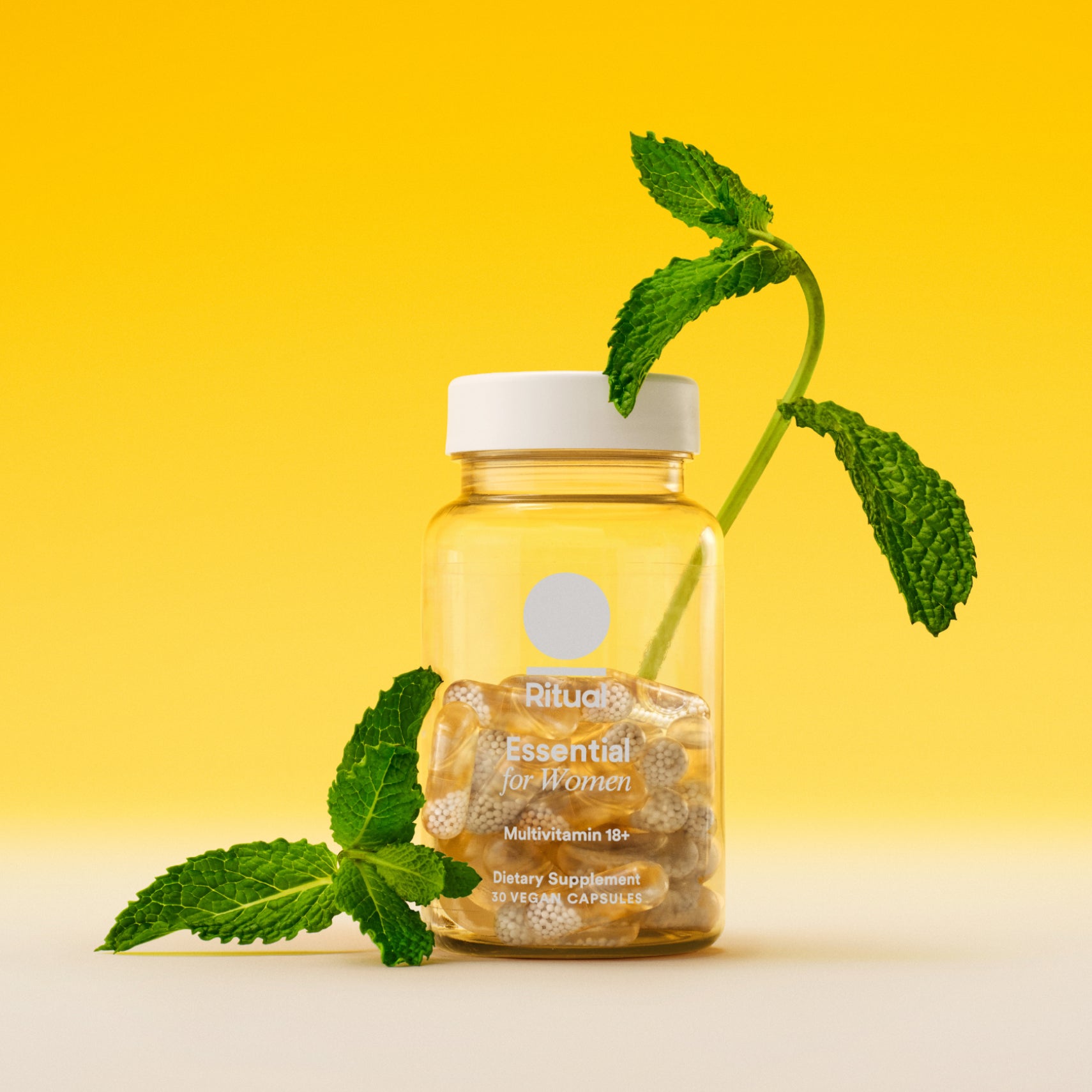
A transparently sourced, delayed-release multivitamin designed specifically for women, featuring a traceable supply chain and high-quality vegan ingredients.
More on Benadryl
Is Benadryl ethical? FAQs
Is Benadryl cruelty-free?+
Benadryl products are tested on animals where required by law, particularly for regulatory approvals in markets like China; Johnson & Johnson has not fully eliminated animal testing.
Does Benadryl have vegan products?+
No vegan-specific products; many formulations contain animal-derived ingredients (e.g., gelatin).
Does Benadryl sell in mainland China?+
Selling through mainland Chinese retail has historically triggered post-market animal testing.
What is Benadryl's ethics score?+
We don't score any Benadryl products yet, so there is no ethics score. The signals above come from the brand profile and the sources listed on this page.
What are the best alternatives to Benadryl?+
High-scoring health & wellness products to compare include Dr. Bronner's All-One Toothpaste by Dr. Bronner's, Single Origin Shea Butter (Unrefined) by Baraka, Organic India Ashwagandha Capsules by Organic India.