Is Better Life ethical and cruelty-free?
Largely yes — we don't stock Better Life, but 2 of 4 ethics signals we track are verified in its favour, based on its published policies and third-party certifications.
Better Life is a US-based, family-owned brand specializing in plant-derived, biodegradable household cleaning products that are free from harsh chemicals, synthetic fragrances, and animal testing. The brand is generally recognized for its strong environmental ethos and transparency, though it operates without major third-party certifications.
The evidence, signal by signal
Cruelty-freeverified
Certified cruelty-free by Leaping Bunny; no animal testing conducted or commissioned.
Vegan optionsunverified
Not all products are labeled vegan; some may contain animal-derived enzymes. Most products are plant-based.
Sells in mainland Chinaverified
The brand does not sell through channels that require mainland China post-market testing.
Third-party certifiedunverified
We don't track any of this brand's products yet, so product-level certifications are unchecked.
Public pledges: Biodegradable ingredients, concentrated formulas, recyclable packaging, and some refill options.
Scored with our public methodology. Profile last updated 2026-10-10.
How we reached this verdict on Better Life
Each signal is built from the product records and certifications we hold for Better Life, its brand profile and the sources that profile lists. Scores are AI-assisted catalogue assessments, not audits, so check the named certificate or policy before relying on it. Where a claim cannot be confirmed from those records, the signal is marked unclear rather than assumed positive.
How to read this page
Four questions decide most ethical-shopping decisions about a brand like Better Life. Work through them in order.
- 1Testing: is there third-party cruelty-free certification, and does the brand sell in markets where animal testing can still be required?
- 2Ingredients and materials: vegan formulation is a separate question from cruelty-free, and a brand can be one without the other.
- 3Ownership: a certified brand inside a group that still tests, or that is linked to documented controversies, is a different decision than an independent one.
- 4Packaging and transparency: refills, recycled content and published supplier data are where most brands quietly lose points.
Research notes on Better Life
Compiled from the brand's own statements and the public sources listed below, last reviewed 2026-10-10. We don't stock Better Life products, so nothing here is checked against product records.
Overview
Better Life was founded in 2009 by Kevin and Ellen Tibbitts in St. Louis, Missouri, with a mission to create effective cleaning products that are safe for families, pets, and the planet. The brand formulates all its products using plant-based ingredients, essential oils, and naturally derived surfactants. Better Life markets directly to eco-conscious consumers and is distributed through natural grocery chains, online retailers, and its own website. The company remains privately held and is not owned by a larger conglomerate, which has allowed it to maintain a relatively small, values-driven operation. Better Life emphasizes avoiding known irritants such as sulfates, phthalates, parabens, and synthetic dyes.
Certifications
Better Life holds the Leaping Bunny certification (Cruelty Free International) for its animal-testing policy. However, unlike some competitors, it does not carry USDA Organic, EcoCert, or Cradle to Cradle certifications. The brand does not use the term 'organic' on its labels, as most of its ingredients are not certified organic. Its products are not certified to the Safer Choice standard (formerly Design for the Environment) by the US EPA, though many ingredients are plant-derived. The brand states it follows EPA guidelines for ingredient safety but has not pursued third-party certification beyond Leaping Bunny.
Animal testing & vegan range
Better Life is certified cruelty-free by Leaping Bunny, meaning no animal testing is conducted at any stage of product development by the company or its suppliers. The brand does not claim that all products are vegan; some formulations may include enzymes derived from animal sources (e.g., in some laundry or stain-removal products). The company does not market a specific 'vegan' line but notes that most of its products are free of animal-derived ingredients. Customers with specific vegan concerns are advised to contact the company directly.
Sustainability pledges
The company emphasizes biodegradable ingredients (tested under OECD guidelines), concentrated formulas to reduce packaging and shipping weight, and the use of recyclable #1 and #2 plastics in its bottles. Better Life has publicly stated a goal to reduce plastic use and has introduced some refill pouches. The brand does not provide detailed carbon footprint or water usage data. It sources ingredients globally, with a preference for US and European suppliers, though specific supply chain transparency is limited. No time-bound net-zero or renewable energy targets have been announced.
Sourcing & labor
Better Life manufactures in facilities in the US and South Korea (for some specialty surfactants). The company states it audits facilities for safety and environmental compliance but does not publish a code of conduct or supplier list. Labor practices are not independently certified (e.g., Fair Trade, SA8000). The brand emphasizes U.S. manufacturing but does not provide explicit public data on wages or working conditions. Given its size, it is likely subject to standard US labor law, but no allegations of exploitation have been found.
Controversies context
No significant controversies were identified for Better Life as of early 2025. The brand has not faced lawsuits, regulatory actions, or public campaigns regarding product safety, greenwashing, or labor issues. Some consumer reviews note that product efficacy can vary compared to conventional chemical cleaners, but this is not a controversy. The absence of major third-party certifications (other than Leaping Bunny) may be considered a limitation for some ethical shoppers, but not a controversy.
Bottom line
Better Life is a solid choice for shoppers seeking a plant-based, cruelty-free household cleaner that avoids common synthetic chemicals. It is best for those who prioritize transparent ingredient labeling and a family-owned company over formal organic or other third-party seals. Shoppers requiring full vegan assurance or detailed environmental reporting may need to look to brands with more comprehensive certifications such as EU Ecolabel or B Corp.
High-scoring home & cleaning picks to compare
Top-scoring products from other brands in the category Better Life sells in. A starting point for comparison, not proof that each one beats Better Life.

The gold standard for multi-purpose ethical cleaning, featuring organic oils and fair trade sourcing in a post-consumer recycled bottle.
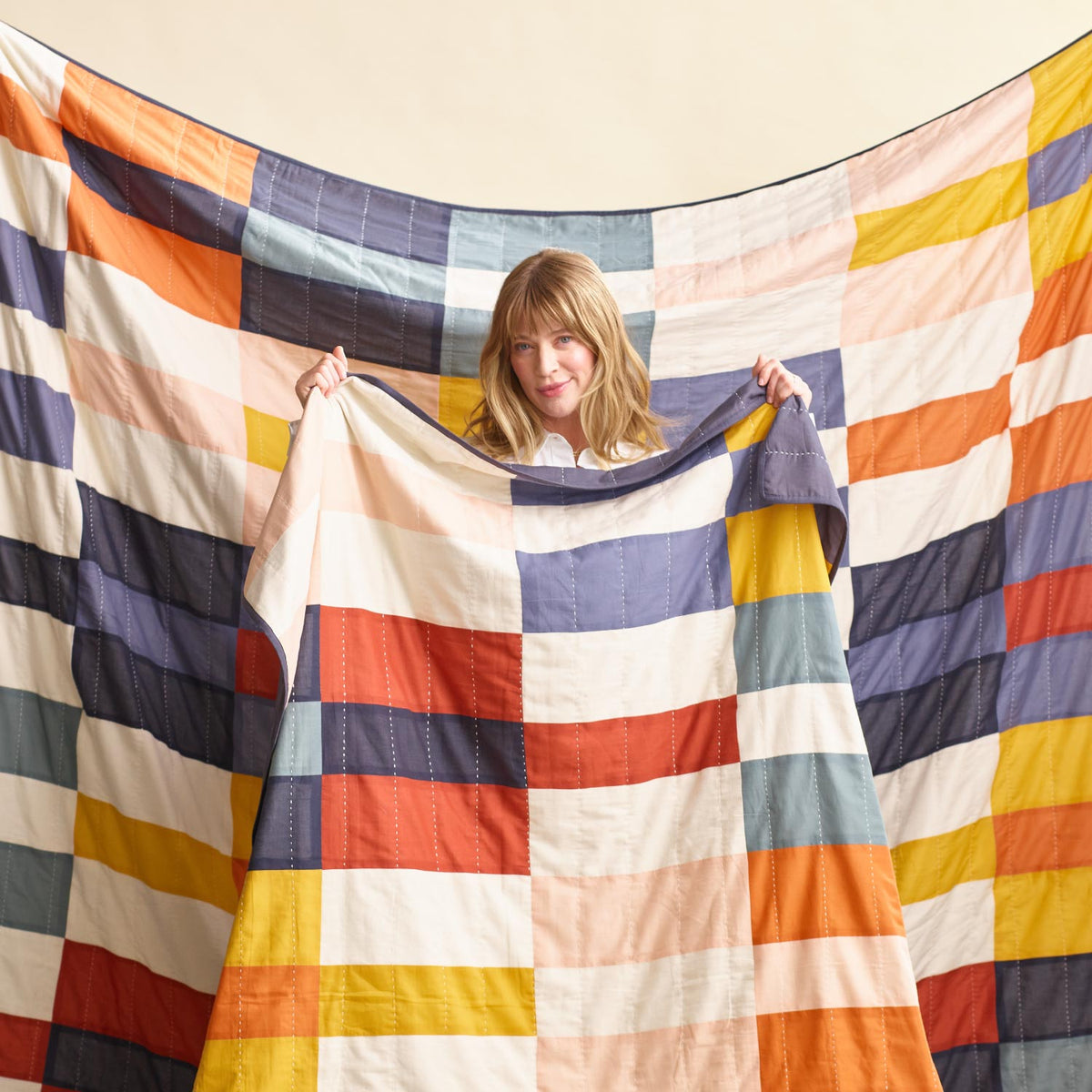
A stunning, artisan-made throw that supports women’s empowerment in India while utilizing 100% plant-based, organic fibers.

The ultimate paper-towel alternative, these OEKO-TEX certified cloths use just water to clean, removing 99% of bacteria and leaving a streak-free finish on all glass surfaces.

An artisanal floor care solution handcrafted in Bolgatanga, Ghana, featuring naturally antimicrobial vetiver root for deep cleaning and holistic aromatherapy.

A traditional, cold-process dish soap bar handmade in the UK/EU border regions, offering a high-sudsing, plastic-free alternative to liquid soaps for the eco-conscious kitchen.

A premium, heirloom-quality home cleaning bundle from one of the oldest soap makers in Marseille. This set features traditional Savon de Marseille formulated with single-origin French olive oil.
More on Better Life
What the score looks at
Each 0–100 score is an AI-assisted catalogue assessment with five recorded dimensions, not a fixed-weight calculation or an audit. Brands cannot buy a position, and a missing disclosure limits what can be assessed rather than being assumed positive.
Animal welfare
Third-party cruelty-free and vegan certification, animal-derived inputs, testing policy in every market the brand sells in.
Materials & sourcing
Organic, recycled or regenerative inputs, traceability to farm or mill, deforestation and biodiversity risk.
Labour & human rights
Living-wage commitments, published supplier lists, audit results and remediation, Fair Trade certification.
Packaging & waste
Recycled content, plastic intensity, refill or take-back options, real end-of-life recyclability.
Transparency
Public reporting, verifiable claims, parent-company disclosure and how quickly the brand answers questions.
Reading the score
Leader
80–100
Multiple independent certifications, published supply chain, credible reductions.
Strong
65–79
Solid certified core with one weak pillar, usually packaging or labour disclosure.
Mixed
50–64
Real progress in places, significant gaps elsewhere — read the detail before buying.
Weak
0–49
Little verified evidence, or an ownership structure that contradicts the marketing.
Six checks for any ethical purchase
A ranking gets you to a shortlist; these checks tell you whether a specific product is right for your household. Work through them in order — the first two rule out most greenwashing on their own.
Buying checklist
- Check the certification, not the adjective: a logo from Leaping Bunny, Vegan Society, GOTS, Fair Trade or B Corp is auditable; the words "natural" and "clean" are not.
- Look up the parent company — a certified brand owned by a group that still tests where the law requires it is a different decision than an independent one.
- Read the full ingredient or material list, not the front-of-pack claim; a single animal-derived or high-impact input can undo the rest.
- Prefer refills, concentrates and take-back schemes: packaging is usually the fastest win in this category.
- Compare cost per use rather than shelf price, including dose, refill costs and how long you will actually use the item.
- Buy the thing you will actually finish or wear a hundred times; the lowest-impact purchase is still the one you do not replace.
Is Better Life ethical? FAQs
Is Better Life cruelty-free?+
Certified cruelty-free by Leaping Bunny; no animal testing conducted or commissioned.
Does Better Life have vegan products?+
Not all products are labeled vegan; some may contain animal-derived enzymes. Most products are plant-based.
Does Better Life sell in mainland China?+
The brand does not sell through channels that require mainland China post-market testing.
What is Better Life's ethics score?+
We don't score any Better Life products yet, so there is no ethics score. The signals above come from the brand profile and the sources listed on this page.
What are the best alternatives to Better Life?+
High-scoring home & cleaning products to compare include Dr. Bronner’s Pure-Castile Liquid Soap by Dr. Bronner's, Hand-Woven Organic Cotton & Hemp Bed Throw by Anchal Project, Heavy-Duty Glass & Mirror Polish Cloth Set by E-Cloth.