Is Biotherm ethical and cruelty-free?
Not really — Biotherm fails 2 of the 4 ethics signals we track, including its animal-testing position, and holds no third-party certification we can verify.
Biotherm, owned by L'Oréal Group, is a French cosmetics brand focusing on skincare derived from thermal plankton, with a growing commitment to sustainability through eco-design and carbon reduction, though it lacks broad certifications and is not fully vegan or cruelty-free due to parent-company animal testing policies in China.
The evidence, signal by signal
Cruelty-freeflagged
Biotherm does not test on animals except where required by law (e.g., China post-market testing), and its parent company L'Oréal uses alternative methods where possible.
Vegan optionsunverified
Biotherm does not offer a dedicated vegan range and many formulas contain animal-derived ingredients; no products are independently certified vegan.
Sells in mainland Chinaflagged
Selling through mainland Chinese retail has historically triggered post-market animal testing.
Third-party certifiedunverified
We don't track any of this brand's products yet, so product-level certifications are unchecked.
Public pledges: Biotherm aims for carbon neutrality by 2025, 50% reduction in virgin plastic by 2025, and 50% recycled plastic by 2030, with a 'No Net Take' approach for its thermal plankton sourcing.
Scored with our public methodology. Profile last updated 2026-09-20.
Research notes on Biotherm
Compiled from the brand's own statements and the public sources listed below, last reviewed 2026-09-20. We don't stock Biotherm products, so nothing here is checked against product records.
Overview
Biotherm is a premium French skincare brand founded in 1952 by biologist Dr. Jeanine Marissal, later acquired by L'Oréal Group in 1970. The brand's unique selling point is its use of 'Life Plankton,' a probiotic extract sourced from thermal springs in the French Pyrenees, which is central to its product formulations. Biotherm positions itself as a 'water lover' brand, emphasizing hydration and skin health. As a subsidiary of the world's largest cosmetics company, Biotherm benefits from extensive R&D but also operates under L'Oréal's corporate policies, including its stance on animal testing and sustainability. The brand is sold in over 60 countries, including via duty-free and e-commerce channels, and has a strong presence in Asia.
Certifications
Biotherm holds no widely recognized third-party cruelty-free certifications (e.g., Leaping Bunny, PETA Beauty Without Bunnies). The brand is not certified as vegan by any major organization, nor does it have organic or natural certifications such as COSMOS or Ecocert for its entire product line. Some individual products may carry the 'Made in France' label, but this is not an ethical or sustainability certification. Biotherm has received the 'Cruelty Free International' approval only for selected product lines in regions outside China, but this does not cover the entire brand due to L'Oréal's dual-channel policy.
Animal Testing & Vegan Range
Biotherm, as part of L'Oréal Group, does not test finished products on animals anywhere except where required by law. However, L'Oréal has been criticized for selling in mainland China, where post-market animal testing is sometimes mandated for imported cosmetics (though regulations have been relaxed for 'ordinary' cosmetics since 2021). Biotherm itself is not labeled as vegan; many of its formulations contain ingredients of animal origin (e.g., glycerin from animal sources, bee-derived ingredients). The brand does not offer a dedicated 'vegan range' and has no public commitment to becoming fully vegan. For consumers seeking a strictly vegan and cruelty-free brand, Biotherm is not a reliable choice.
Sustainability Pledges
Biotherm has made several public sustainability commitments under the L'Oréal for the Future program, which aims for carbon neutrality across all L'Oréal sites by 2025, and 100% of its products to be 'environmentally and socially responsible' by 2030. Biotherm has committed to reducing virgin plastic use by 50% by 2025 (versus 2019 baseline) and increasing the recycled content in its plastic packaging to 50% by 2030. The brand also claims to source Life Plankton sustainably from the French Pyrenees with a 'No Net Take' approach, meaning they protect the thermal spring source. In 2023, Biotherm launched a refillable packaging program for select moisturizers and cleansers. However, these pledges are voluntary and not verified by independent audits, and the brand has not published a detailed environmental impact report.
Sourcing & Labor
Biotherm sources its key ingredient, Life Plankton, from the thermal springs of La Roche-Posay (France) through a proprietary extraction process that respects local biodiversity. The brand states it works with local communities to preserve the water source. For other ingredients, Biotherm relies on L'Oréal's global supply chain, which is audited for fair labor practices via the L'Oréal Responsible Sourcing program. L'Oréal has been a member of the UN Global Compact since 2003 and publishes annual Human Rights reports. However, the complexity of the supply chain for ingredients like palm oil derivatives (used in some formulations) raises concerns about deforestation and labor conditions, as L'Oréal has been criticized for not fully eliminating deforestation-linked palm oil. Biotherm does not disclose specific supplier audits or third-party labor certifications for its own products.
Controversies Context
Biotherm has not been at the center of major standalone controversies. However, it is indirectly involved in ongoing ethical debates surrounding its parent company. L'Oréal has faced boycotts over animal testing in China (though it claims to use alternative methods), and has been criticized for greenwashing due to its sustainability claims while using non-recyclable multi-material packaging. In 2022, L'Oréal was fined for misleading environmental claims in France. Biotherm itself has been dinged by some consumer groups for lack of transparency on ingredient sourcing and for overstating the benefits of its 'Life Plankton' ingredient in clinical trials. Overall, the brand is perceived as a mid-tier ethical performer with room for improvement.
Bottom Line
Biotherm offers innovative skincare with a unique natural ingredient base, but its ethical standing is weakened by its parent company's ongoing animal testing in China and its lack of independent certifications. The brand's sustainability commitments are ambitious on paper but lack verification. For ethically conscious consumers who prioritize cruelty-free and vegan products, Biotherm is not recommended unless they can verify specific products sold outside of China (e.g., European market). For those focused on reducing plastic waste, Biotherm's refill program is a positive step, but the brand's overall transparency and ethical record remain mixed.
Better-scoring alternatives to Biotherm
Same categories, higher ethics scores, verified certifications.

The ultimate multi-tasker for minimalist hosts; one bottle can wash hands, body, hair, and even dishes.
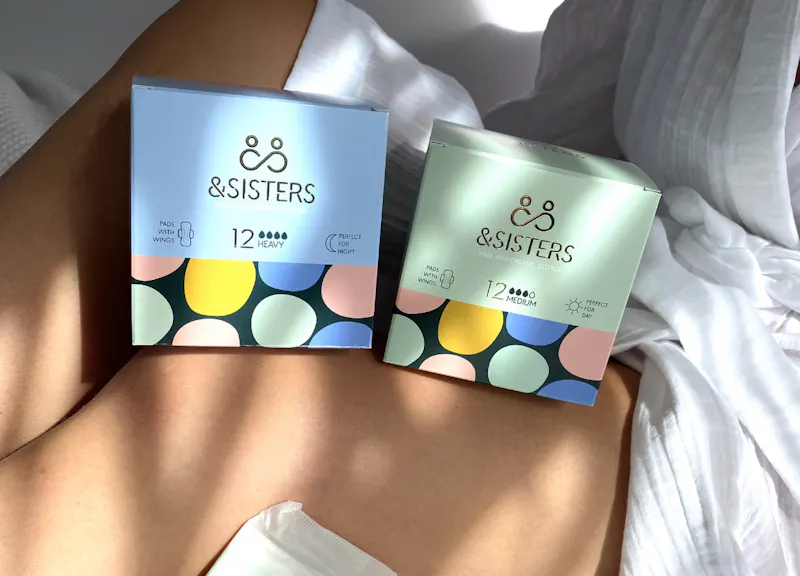
A UK-based, women-owned B Corp offering the highest ethical standard in menstrual care. This bulk 'Sisterhood' bundle features GOTS organic cotton tampons and pads with RSPO-segregated inputs, ensuring zero deforestation.
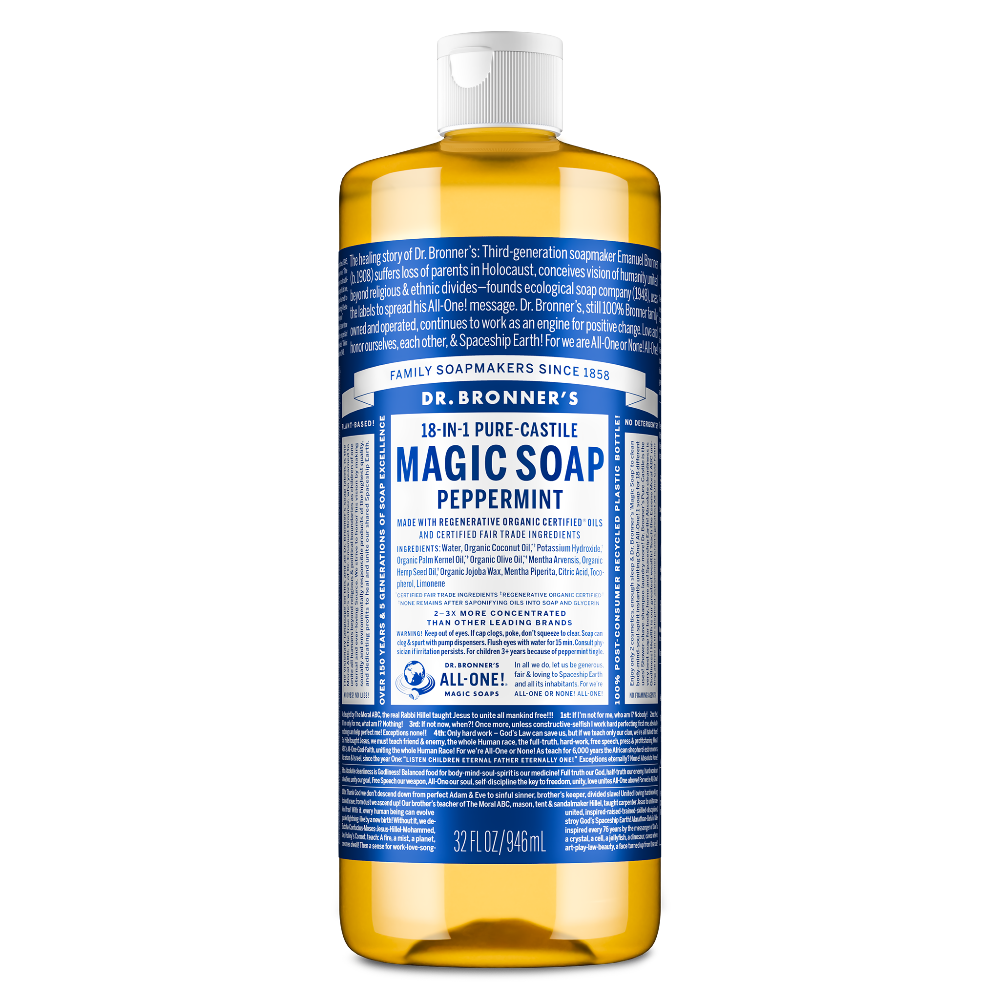
The gold standard of ethical cleaning. A highly concentrated, multi-surface liquid soap made from organic oils and fair trade ingredients in 100% PCR packaging.

The gold standard of ethical soaps, featuring regenerative organic palm oil and a legacy of fair-trade advocacy and radical transparency.
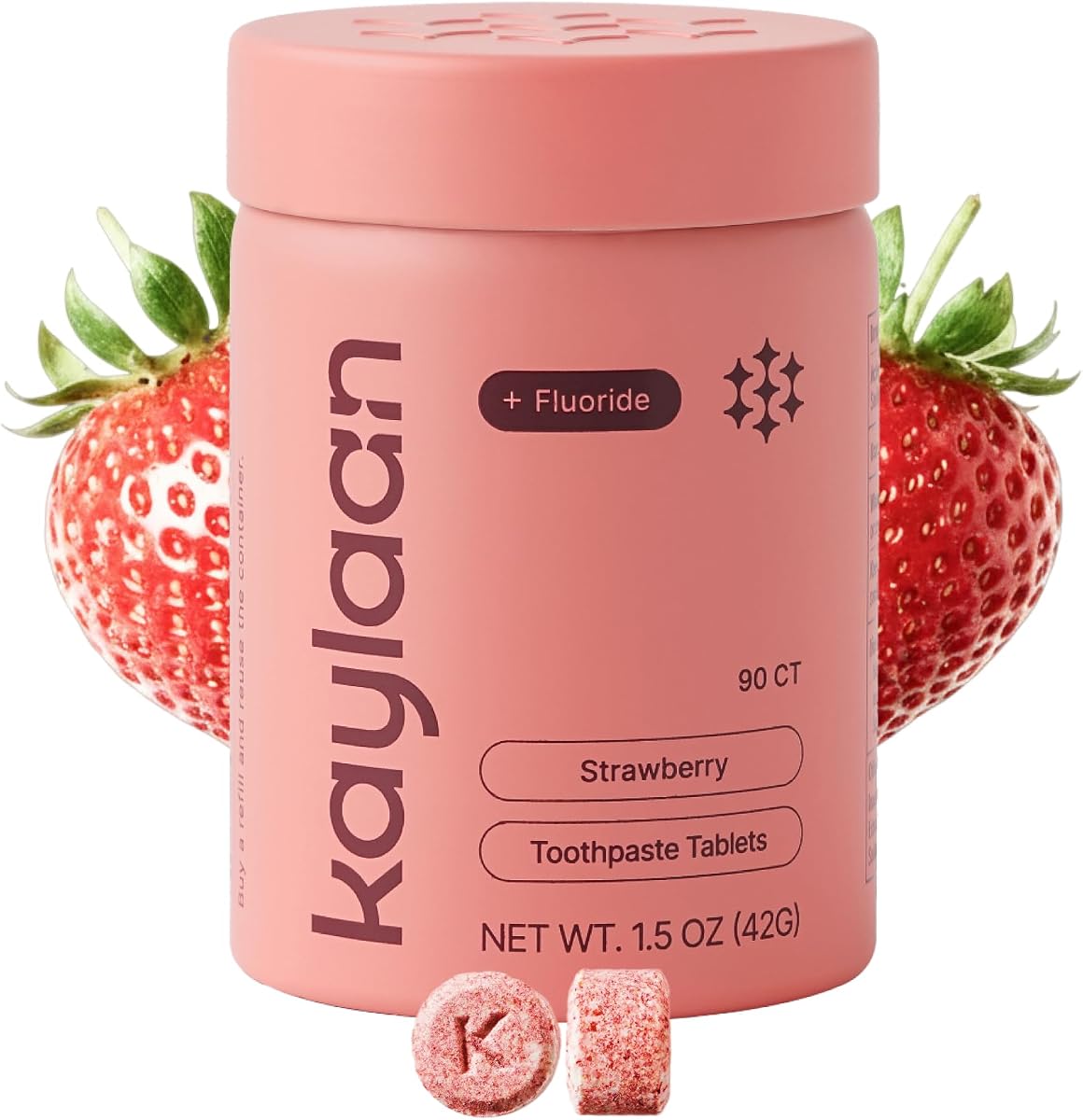
A zero-waste oral care system consisting of fluoride-free tablets in a refillable glass jar, featuring ingredients sourced from ethical Eastern European partners.

A high-potency, carbon-extracted rosehip oil designed specifically for sensitive skin, backed by rigorous B Corp standards and organic agricultural sourcing.
More on Biotherm
Is Biotherm ethical? FAQs
Is Biotherm cruelty-free?+
Biotherm does not test on animals except where required by law (e.g., China post-market testing), and its parent company L'Oréal uses alternative methods where possible.
Does Biotherm have vegan products?+
Biotherm does not offer a dedicated vegan range and many formulas contain animal-derived ingredients; no products are independently certified vegan.
Does Biotherm sell in mainland China?+
Selling through mainland Chinese retail has historically triggered post-market animal testing.
What is Biotherm's ethics score?+
We don't score any Biotherm products yet, so there is no ethics score. The signals above come from the brand profile and the sources listed on this page.
What are the best alternatives to Biotherm?+
Higher-scoring alternatives include Dr. Bronner's 18-in-1 Pure-Castile Soap (Travel Size) by Dr. Bronner's, RSPO-Segregated Organic Intimate Care & Menstrual Set by &SISTERS, Dr. Bronner's Pure-Castile Liquid Soap (Peppermint) by Dr. Bronner's.