Is Bounty ethical and cruelty-free?
Not really — Bounty fails 2 of the 4 ethics signals we track, including its animal-testing position, and holds no third-party certification we can verify.
Bounty, owned by Procter & Gamble (P&G), is a leading paper towel brand with no major ethical controversies, but its parent company’s mixed record on deforestation, animal testing, and labor rights means it cannot be considered a top ethical choice. While Bounty offers FSC-certified products and a sustainability pledge, its lack of a vegan-specific range and P&G’s history with animal testing reduce its ethical appeal.
The evidence, signal by signal
Cruelty-freeflagged
Parent company P&G conducts or commissions animal testing where required by law, such as for export to China.
Vegan optionsunverified
Bounty does not offer a dedicated vegan range; paper towels are plant-based but not explicitly labeled vegan.
Sells in mainland Chinaflagged
Selling through mainland Chinese retail has historically triggered post-market animal testing.
Third-party certifiedunverified
We don't track any of this brand's products yet, so product-level certifications are unchecked.
Public pledges: P&G commits to zero deforestation by 2030 and 100% certified sustainable wood fiber; offers recycled paper towel options but plastic packaging remains non-recyclable.
Scored with our public methodology. Profile last updated 2026-09-14.
Research notes on Bounty
Compiled from the brand's own statements and the public sources listed below, last reviewed 2026-09-14. We don't stock Bounty products, so nothing here is checked against product records.
Overview
Bounty is a household paper towel brand under Procter & Gamble (P&G), one of the world’s largest consumer goods companies. Known for its absorbency and durability, Bounty products are widely available in the US and globally. P&G publicly states its commitment to sustainability, including responsible sourcing of wood fiber and a pledge to reduce deforestation. However, the brand has no third-party certifications for vegan or cruelty-free status, and P&G continues to conduct or commission animal testing where required by law, such as in China. Bounty holds Forest Stewardship Council (FSC) certification for many of its products, indicating a baseline commitment to sustainable forestry, but its overall ethical profile is mixed due to parent company practices.
Certifications
Bounty products carry the Forest Stewardship Council (FSC) certification, meaning the wood fiber used comes from responsibly managed forests that provide environmental, social, and economic benefits. This certification is prominently featured on packaging for many Bounty variants. However, the brand does not hold certifications for cruelty-free (e.g., Leaping Bunny, PETA), vegan, or high-level environmental standards (e.g., B Corp, Cradle to Cradle). The parent company, P&G, has been criticized for lacking comprehensive third-party auditing on its certification claims. Consumers seeking strong ethical certifications should look for explicit FSC labels on Bounty packaging to ensure certified products.
Animal testing & vegan range
Bounty does not have a dedicated vegan product line, as paper towels are typically plant-based (wood fiber) and not derived from animals. However, the brand’s parent company, P&G, conducts animal testing on its household and personal care products where mandated by law, such as for sale in China. P&G states it works to reduce and replace animal testing through non-animal methods, but it does not maintain a completely animal-testing-free policy. Bounty is not certified cruelty-free by any major organization, and consumers avoiding animal testing should be aware that while the paper itself may be plant-based, P&G’s overall testing practices affect the brand’s ethical status.
Sustainability pledges
Bounty, through P&G, has committed to zero deforestation in its supply chain by 2030, with a goal to source 100% of wood pulp from certified, sustainably managed forests. The brand offers 100% recycled paper towel variants, such as Bounty Basic, and has increased the availability of FSC-certified products. P&G reports progress on reducing water usage and greenhouse gas emissions in its manufacturing, but independent audits have found that P&G still sources some pulp from areas linked to deforestation (e.g., the Canadian boreal forest). The company’s “Ambition 2030” sustainability goals include making all packaging recyclable or reusable by 2030, but Bounty’s plastic wrapping often remains non-recyclable in many municipalities. Overall, Bounty’s sustainability pledges are significant but not fully transparent or independently verified.
Sourcing & labor
P&G sources wood fiber from various global suppliers, including the US South, Canada, and Europe. Bounty’s FSC certification helps ensure that certified products come from responsibly managed forests, but uncertified Bounty variants may use fiber from less regulated sources. Labor-wise, P&G has a Supplier Code of Conduct that prohibits child labor, forced labor, and discrimination, and it conducts audits on high-risk suppliers. However, P&G has faced criticism over its palm oil sourcing (relevant for many P&G brands, though Bounty does not use palm oil). For paper products, labor risks are generally lower in developed countries where most pulp is sourced, but workers in forestry and processing may still face hazards. P&G reports that 85% of its paper packaging is FSC-certified, but full supply chain transparency remains an ongoing challenge.
Controversies context
Bounty itself has not been directly involved in major controversies. However, P&G has faced public scrutiny over deforestation allegations in Canada’s boreal forest, with Greenpeace campaigns citing P&G as one of the largest purchasers of fiber from the region. Additionally, P&G’s animal testing policy—specifically the continuation of animal tests for Chinese market access—has drawn criticism from animal rights groups. These controversies reflect larger industry issues rather than isolated brand problems, but they affect Bounty’s ethical standing. There are no current lawsuits or boycotts specifically targeting Bounty.
Bottom line
Bounty offers FSC-certified and recycled options, making it a better choice within the conventional paper towel market, but its ethical profile is limited by P&G’s animal testing and mixed sustainability record. For consumers prioritizing a completely cruelty-free or zero-deforestation product, alternative brands with stronger certifications—such as Seventh Generation (B Corp, Leaping Bunny, FSC) or Who Gives a Crap (B Corp, plastic-free, FSC)—are recommended. Bounty can be a reasonable choice if you can confirm the FSC label on the package and accept P&G’s corporate stance on animal testing.
Better-scoring alternatives to Bounty
Same categories, higher ethics scores, verified certifications.

The ultimate multi-tasker for minimalist hosts; one bottle can wash hands, body, hair, and even dishes.
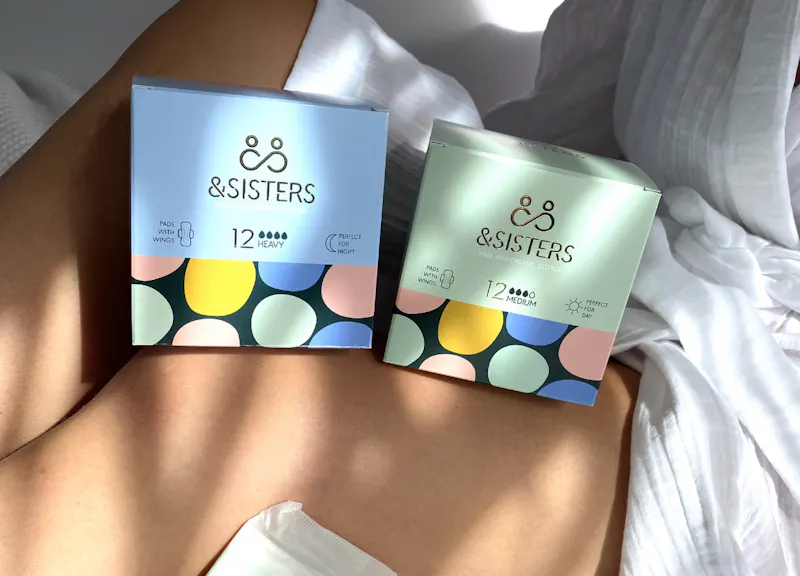
A UK-based, women-owned B Corp offering the highest ethical standard in menstrual care. This bulk 'Sisterhood' bundle features GOTS organic cotton tampons and pads with RSPO-segregated inputs, ensuring zero deforestation.
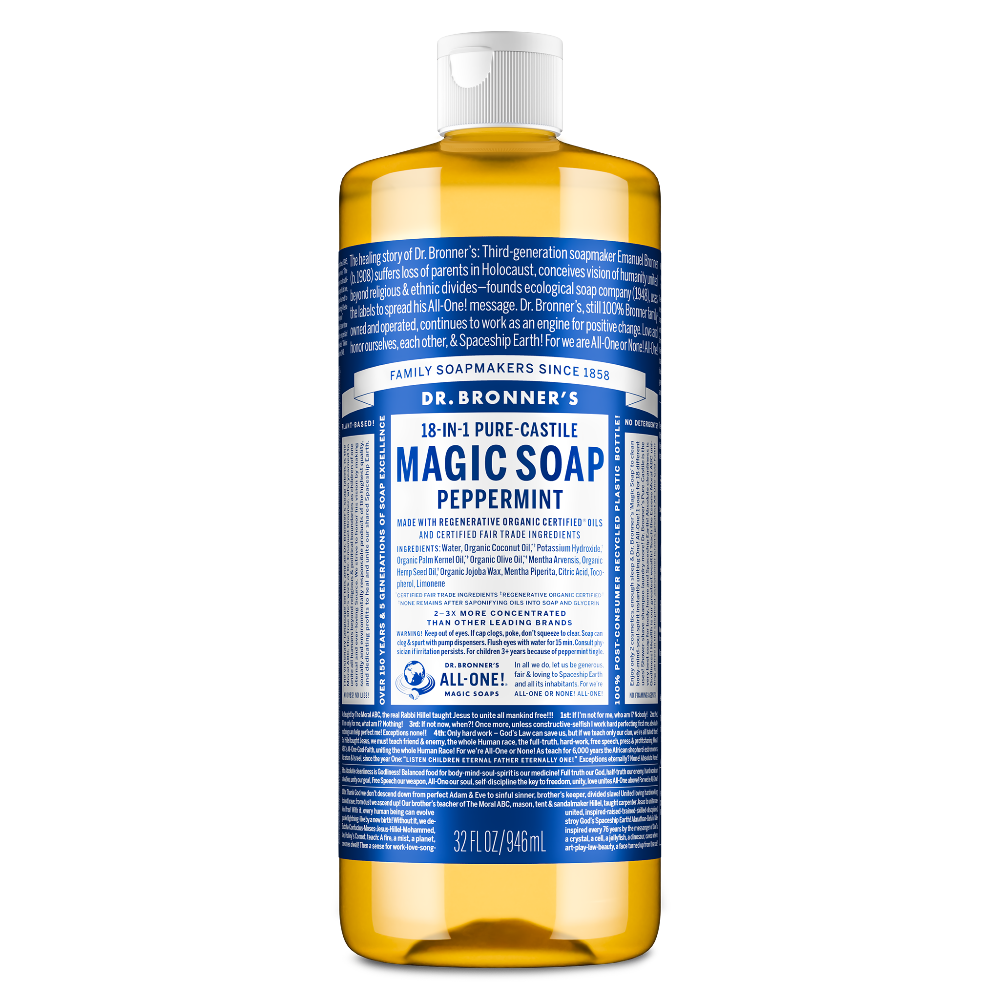
The gold standard of ethical cleaning. A highly concentrated, multi-surface liquid soap made from organic oils and fair trade ingredients in 100% PCR packaging.

The gold standard of ethical soaps, featuring regenerative organic palm oil and a legacy of fair-trade advocacy and radical transparency.
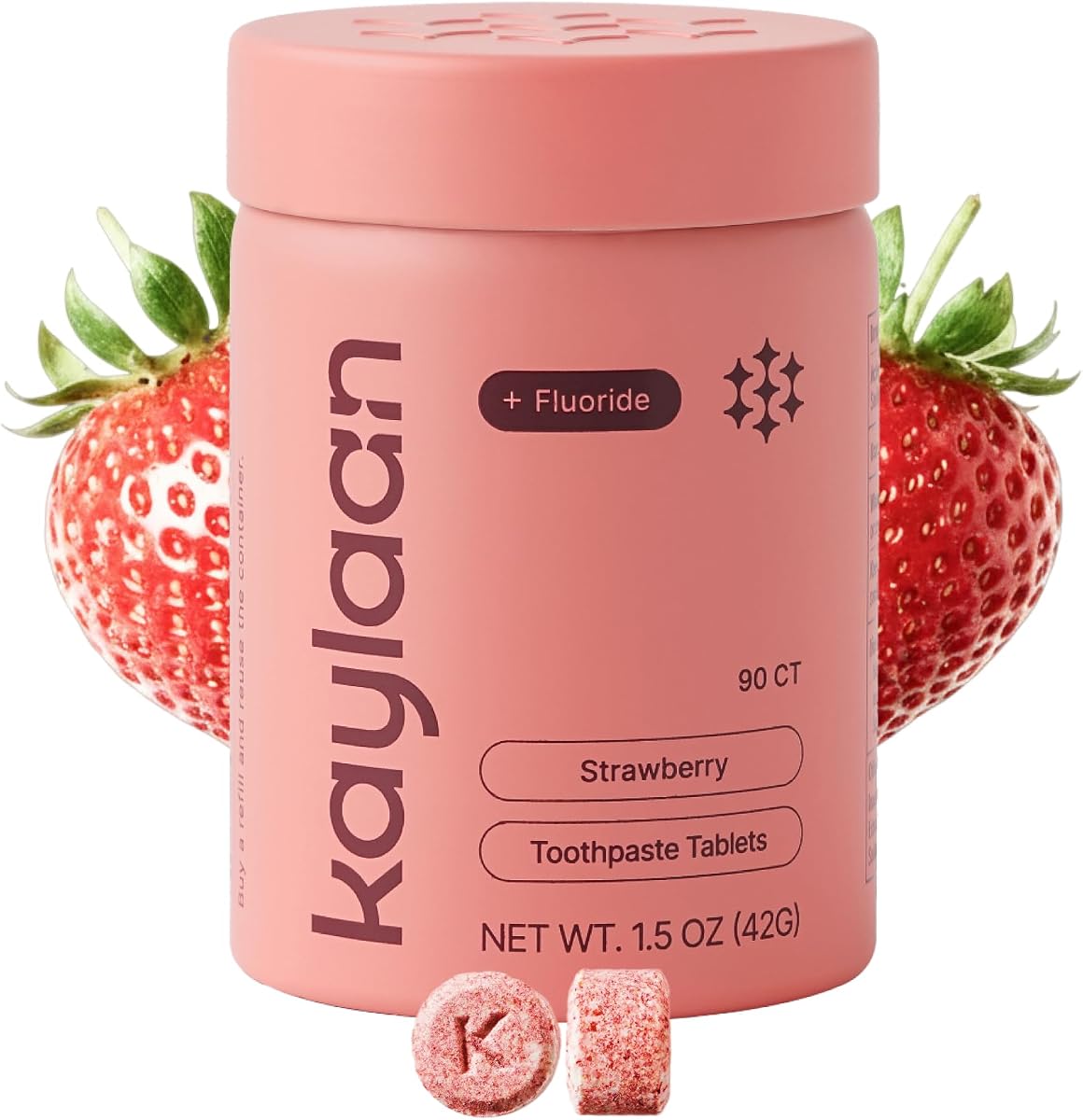
A zero-waste oral care system consisting of fluoride-free tablets in a refillable glass jar, featuring ingredients sourced from ethical Eastern European partners.

A high-potency, carbon-extracted rosehip oil designed specifically for sensitive skin, backed by rigorous B Corp standards and organic agricultural sourcing.
More on Bounty
Is Bounty ethical? FAQs
Is Bounty cruelty-free?+
Parent company P&G conducts or commissions animal testing where required by law, such as for export to China.
Does Bounty have vegan products?+
Bounty does not offer a dedicated vegan range; paper towels are plant-based but not explicitly labeled vegan.
Does Bounty sell in mainland China?+
Selling through mainland Chinese retail has historically triggered post-market animal testing.
What is Bounty's ethics score?+
We don't score any Bounty products yet, so there is no ethics score. The signals above come from the brand profile and the sources listed on this page.
What are the best alternatives to Bounty?+
Higher-scoring alternatives include Dr. Bronner's 18-in-1 Pure-Castile Soap (Travel Size) by Dr. Bronner's, RSPO-Segregated Organic Intimate Care & Menstrual Set by &SISTERS, Dr. Bronner's Pure-Castile Liquid Soap (Peppermint) by Dr. Bronner's.