Is Breath Savers ethical and cruelty-free?
Not really — Breath Savers fails 1 of the 3 ethics signals we track, including its animal-testing position, and holds no third-party certification we can verify.
Breath Savers, owned by the multinational Hershey Company, produces mainstream breath mints primarily sold in North America. With no major ethical controversies but limited transparency on sourcing, labor practices, and animal-testing policies, the brand receives a neutral ethical rating due to its lack of independent certifications and fragmented sustainability commitments.
The evidence, signal by signal
Cruelty-freeflagged
The Hershey Company states it does not conduct animal testing on finished products unless required by law, but does not explicitly confirm a blanket no-test policy for Breath Savers sold in China.
Vegan optionsunverified
Breath Savers mints appear to be vegan in formulation (no gelatin or dairy), but the brand has no official vegan certification or statement.
Third-party certifiedunverified
We don't track any of this brand's products yet, so product-level certifications are unchecked.
Public pledges: Hershey has a goal to reduce virgin plastic use by 25% by 2030, but no specific sustainability pledges are made for Breath Savers individually.
Scored with our public methodology. Profile last updated 2026-10-05.
Research notes on Breath Savers
Compiled from the brand's own statements and the public sources listed below, last reviewed 2026-10-05. We don't stock Breath Savers products, so nothing here is checked against product records.
Overview
Breath Savers is a brand of sugar-free breath mints originally introduced in 1978 and now owned by The Hershey Company, one of the largest chocolate and confectionery manufacturers in the world. The brand is best known for its iconic ‘Cool Blast’ and ‘Peppermint’ varieties. While Breath Savers does not market itself as an ethical or sustainable brand, its parent company has made some corporate responsibility commitments. However, for consumers seeking ethical alternatives, Breath Savers remains a mass-market product with limited third-party verification of its claims.
Certifications
Breath Savers and its parent Hershey do not hold any major independent certifications for the breath mints category. The product packaging does not display Fair Trade, Rainforest Alliance, Non-GMO Project Verified, or vegan certification logos. Hershey, as a company, has some certifications for select cocoa supply chains (e.g., Rainforest Alliance for certain chocolate bars), but these do not apply to Breath Savers mints. No B Corp certification is held for the brand or its parent.
Animal testing & vegan range
Breath Savers mints are generally considered vegan-friendly in formulation (they do not contain gelatin or dairy-derived ingredients). However, the brand has never made an official vegan certification or statement. Regarding animal testing, The Hershey Company has a stated policy of not conducting animal testing on finished products unless required by law. There is no public evidence that Breath Savers animal-tests its mints, but because the brand’s products are sold in mainland China (through import and e-commerce), where animal testing may be required for imported cosmetics or food additives, there is ambiguity. For breath mints classified as food, China typically does not require animal testing. Hershey does not explicitly confirm a blanket ‘no animal testing’ policy for all its brands sold in China.
Sustainability pledges
Hershey has published a general sustainability framework called ‘Hershey Heartwarming Project’ and a commitment to 100% certified cocoa by 2025 for its chocolate products, but Breath Savers mints are not chocolate and rely on sugars and artificial flavors. The brand uses plastic packaging (bottles and blister packs) which are not widely recyclable in all municipalities. Hershey has set a goal to reduce virgin plastic use by 25% by 2030, but there is no brand-specific target for Breath Savers. No carbon-neutral or net-zero claims are made for this specific product line.
Sourcing & labor
Breath Savers’ ingredients (sorbitol, maltodextrin, artificial flavors, etc.) are sourced from commodity suppliers. Hershey has a Supplier Code of Conduct that prohibits child labor and forced labor, but audits are primarily focused on cocoa and sugar supply chains. Since Breath Savers uses synthetic ingredients and non-commodity sweeteners, the transparency on labor conditions in these supply chains is low. No independent ethical audits of Breath Savers’ supply chain are publicly available.
Controversies context
There are no major controversies specifically linked to Breath Savers. The Hershey Company has faced lawsuits in the past related to misleading labeling (e.g., ‘no artificial flavors’ claims on chocolate) but these do not directly involve Breath Savers. The brand has not been targeted by ethical consumer campaigns, and no allegations of human rights violations or environmental damage are recorded.
Bottom line
Breath Savers is a conventional, low-cost mint brand with minimal ethical differentiation. For consumers who prioritize certified vegan, fair-trade, or plastic-free alternatives, better options exist from smaller ethical brands. If you simply need an occasional mint and are not concerned about certifications, Breath Savers is unlikely to pose ethical risks, but its lack of transparency and absence of independent verification keep it from being a recommended choice on ethics alone.
High-scoring food & nutrition picks to compare
Top-scoring products from other brands in the category Breath Savers sells in. A starting point for comparison, not proof that each one beats Breath Savers.

The gold standard for ethical food production, this coconut oil uses regenerative organic practices and fair trade labor to set a benchmark for corporate responsibility.
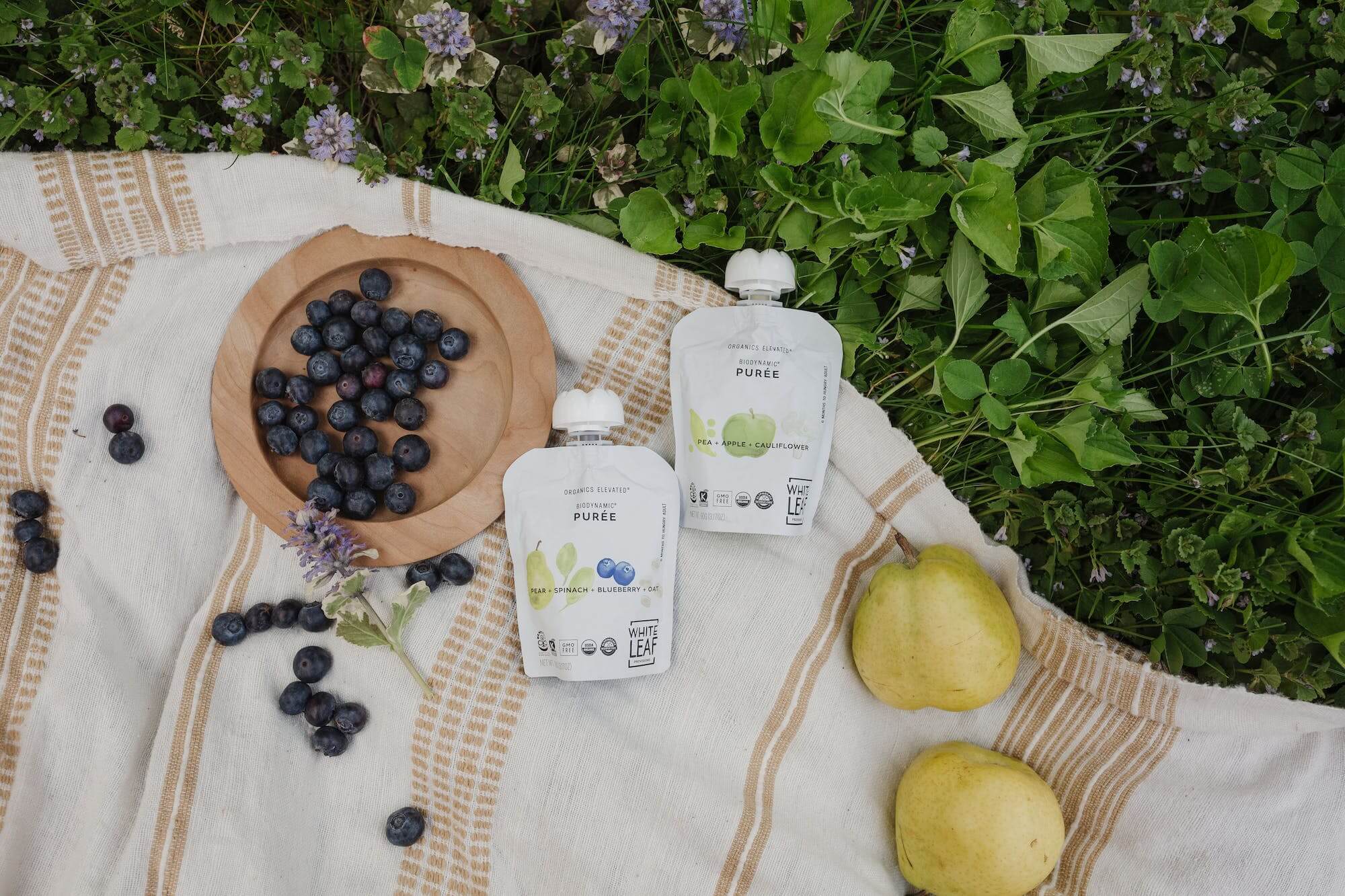
The gold standard in baby food, offering Demeter-certified biodynamic ingredients that exceed organic standards for soil health and purity.

Exquisite heirloom Malagasy cocoa produced entirely at the source in Madagascar. This professional-grade bulk trunk supports direct-trade and lemur habitat conservation.

A nutrient-dense heirloom grain sourced through fully transparent supply chains that support regenerative farming practices in the Peruvian Andes.

A women-owned B Corp that prioritizes equitable purchasing and environmental stewardship through long-term farmer partnerships.

The gold standard in European baby food, Holle's Demeter-certified porridges offer chemical-free nutrition for infants. A top-rated staple for health-conscious parents in urban environments.
More on Breath Savers
Is Breath Savers ethical? FAQs
Is Breath Savers cruelty-free?+
The Hershey Company states it does not conduct animal testing on finished products unless required by law, but does not explicitly confirm a blanket no-test policy for Breath Savers sold in China.
Does Breath Savers have vegan products?+
Breath Savers mints appear to be vegan in formulation (no gelatin or dairy), but the brand has no official vegan certification or statement.
What is Breath Savers' ethics score?+
We don't score any Breath Savers products yet, so there is no ethics score. The signals above come from the brand profile and the sources listed on this page.
What are the best alternatives to Breath Savers?+
High-scoring food & nutrition products to compare include Dr. Bronner’s Whole Kernel Virgin Coconut Oil by Dr. Bronner's, Biodynamic Veggie & Grain Pouch Variety Pack (24-Pack) by White Leaf Provisions, Luxury Single-Origin Dark Chocolate Professional Collection - 20kg Chef's Trunk by Beyond Good.