Is Bulldog Skincare ethical and cruelty-free?
Largely yes — we don't stock Bulldog Skincare, but 2 of 4 ethics signals we track are verified in its favour, based on its published policies and third-party certifications.
Bulldog Skincare is a UK-based men’s grooming brand known for its cruelty-free, vegan-friendly formulations and a growing commitment to sustainable packaging and ingredients. Owned by the multinational corporation Edgewell Personal Care, the brand balances ethical positioning with mainstream commercial reach, though its parent company’s animal-testing links raise scrutiny for some consumers.
The evidence, signal by signal
Cruelty-freeverified
Bulldog does not test on animals anywhere in the world and does not sell in markets that require animal testing.
Vegan optionsunverified
The entire product range is certified vegan by The Vegan Society.
Sells in mainland Chinaverified
The brand does not sell through channels that require mainland China post-market testing.
Third-party certifiedunverified
We don't track any of this brand's products yet, so product-level certifications are unchecked.
Public pledges: Bulldog aims for 100% recyclable packaging, carbon neutrality, and uses renewable energy in manufacturing.
Scored with our public methodology. Profile last updated 2026-10-09.
How we reached this verdict on Bulldog Skincare
Each signal is built from the product records and certifications we hold for Bulldog Skincare, its brand profile and the sources that profile lists. Scores are AI-assisted catalogue assessments, not audits, so check the named certificate or policy before relying on it. Where a claim cannot be confirmed from those records, the signal is marked unclear rather than assumed positive.
How to read this page
Four questions decide most ethical-shopping decisions about a brand like Bulldog Skincare. Work through them in order.
- 1Testing: is there third-party cruelty-free certification, and does the brand sell in markets where animal testing can still be required?
- 2Ingredients and materials: vegan formulation is a separate question from cruelty-free, and a brand can be one without the other.
- 3Ownership: a certified brand inside a group that still tests, or that is linked to documented controversies, is a different decision than an independent one.
- 4Packaging and transparency: refills, recycled content and published supplier data are where most brands quietly lose points.
Research notes on Bulldog Skincare
Compiled from the brand's own statements and the public sources listed below, last reviewed 2026-10-09. We don't stock Bulldog Skincare products, so nothing here is checked against product records.
Overview
Bulldog Skincare was founded in 2006 in the United Kingdom by Simon Duffy and Rhodri Ferrier, with a mission to create effective, no-nonsense grooming products for men that are also ethically conscious. The brand gained recognition for its use of natural ingredients (e.g., aloe vera, camelina oil, green tea) and for being one of the first men’s skincare lines to receive official cruelty-free certification. Bulldog is currently owned by Edgewell Personal Care, a global consumer goods giant that also owns brands such as Schick, Wilkinson Sword, and Hawaiian Tropic. This ownership has prompted ongoing questions about the brand’s independence and the extent to which its ethical commitments are upheld across the parent company’s broader operations.
Certifications
Bulldog Skincare holds several prominent third-party certifications that validate its ethical claims:
- Cruelty-Free International (Leaping Bunny): Bulldog is certified under the Leaping Bunny program, meaning no animal testing occurs at any stage of product development, and the brand monitors its raw material suppliers to ensure compliance.
- Vegan Society Trademark: The brand’s entire product range is certified vegan by The Vegan Society, confirming that no animal-derived ingredients are used.
- ISO 14001: Bulldog’s manufacturing facilities (operated by its parent company) are certified under the ISO 14001 environmental management standard, indicating a systematic approach to reducing environmental impact.
- PETA Beauty Without Bunnies: Bulldog is listed on PETA’s cruelty-free database as both “cruelty-free” and “vegan.”
While these certifications are independently audited, critics note that Edgewell Personal Care does not hold a Leaping Bunny or PETA certification for all its brands, raising questions about supply-chain segmentation.
Animal Testing & Vegan Range
Bulldog Skincare does not test on animals and does not sell in markets that require animal testing by law. The brand explicitly states on its website that it is “against animal testing” and that its products are “not tested on animals anywhere in the world.” Because the brand is part of Edgewell Personal Care, which has a broader policy of complying with local regulations (including in China where post-market testing is sometimes required), Bulldog ensures that its own products are manufactured in facilities that do not conduct or commission animal tests. The brand’s entire range is 100% vegan, using plant-based alternatives to beeswax (e.g., candelilla wax) and avoiding lanolin, carmine, and other animal derivatives.
Sustainability Pledges
Bulldog has made several public sustainability commitments:
- Recyclable packaging: The brand claims that over 95% of its packaging is recyclable, and it has transitioned to using post-consumer recycled (PCR) plastic for bottles and jars. Bulldog’s tubes are made from recyclable polyethylene, and their glass jars are widely recyclable.
- Carbon neutrality: In 2021, Bulldog announced that it achieved carbon-neutral certification for its operations and supply chain, through a combination of emissions reductions and carbon offset projects (e.g., forest restoration and renewable energy).
- Renewable energy: The brand reports that its manufacturing facilities use 100% renewable electricity.
- Water efficiency: Bulldog’s products are formulated to be water-efficient, and the company has set targets to reduce water usage in production by 20% by 2025 (baseline 2019).
- Ingredients sourcing: Bulldog sources its palm oil from Roundtable on Sustainable Palm Oil (RSPO) certified suppliers and uses no microplastics in its formulas.
These pledges are often cited in advertising copy, though independent verification of offset projects is limited. The brand does not publish a detailed annual sustainability report, but Edgewell’s corporate responsibility reports provide some aggregated data.
Sourcing & Labor
Bulldog sources ingredients from multiple countries, with a focus on natural botanicals such as green tea (China), camelina oil (Europe), and aloe vera (Mexico). The brand states that it works with suppliers who adhere to ethical labor practices and environmental standards, but it does not disclose full supplier lists or factory names. Its parent company, Edgewell Personal Care, has a global supplier code of conduct that requires compliance with local labor laws, prohibitions on forced child labor, and safe working conditions. However, third-party audits of Edgewell’s supply chain are not publicly available for Bulldog-specific products. The brand’s manufacturing is contracted to facilities in the UK, Europe, and the US, which are subject to local labor regulations.
Controversies Context
Bulldog Skincare has not been involved in any major controversies. The most common point of contention among ethical consumers is its ownership by Edgewell Personal Care, which has a mixed record on animal testing: while Edgewell does not test finished products on animals, it has historically complied with animal-testing requirements in China for some of its other brands. Bulldog, however, does not sell in China and has publicly stated it will not enter markets that demand animal testing. Some critics also question the depth of Bulldog’s sustainability commitments given its reliance on plastic packaging and carbon offsets rather than radical reduction strategies. No reports of labor violations or environmental incidents have been documented for the brand.
Bottom Line
Bulldog Skincare is a credible option for men seeking affordable, cruelty-free, and vegan grooming products with a strong sustainability profile. Its certifications and pledges are generally well-validated, though consumers concerned about parent-company ethics or carbon-offset reliance may want to dig deeper. For ethical product comparison sites, Bulldog rates highly on animal welfare and vegan criteria, but its environmental transparency could be stronger. It is a solid mid-tier choice for the ethically conscious shopper, particularly for everyday staples like moisturizers, face washes, and shaving creams.
High-scoring beauty & personal care picks to compare
Top-scoring products from other brands in the category Bulldog Skincare sells in. A starting point for comparison, not proof that each one beats Bulldog Skincare.
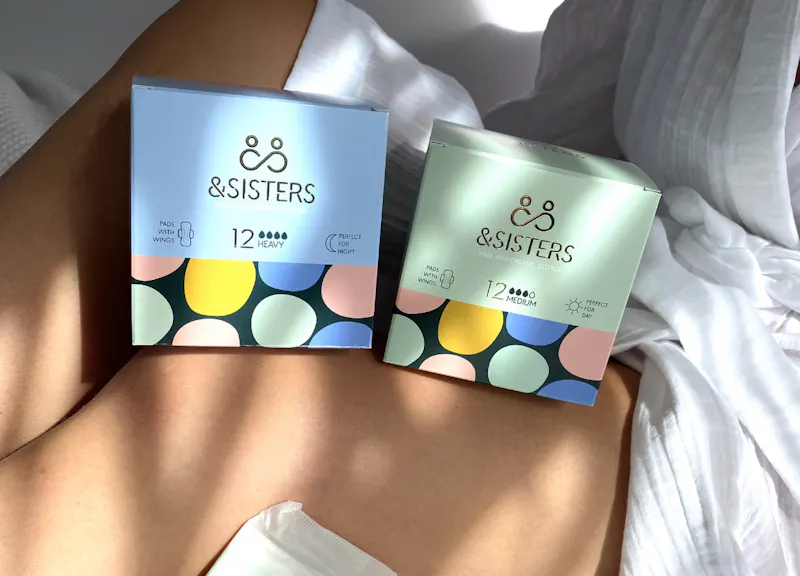
A UK-based, women-owned B Corp offering the highest ethical standard in menstrual care. This bulk 'Sisterhood' bundle features GOTS organic cotton tampons and pads with RSPO-segregated inputs, ensuring zero deforestation.

The gold standard of ethical soaps, featuring regenerative organic palm oil and a legacy of fair-trade advocacy and radical transparency.
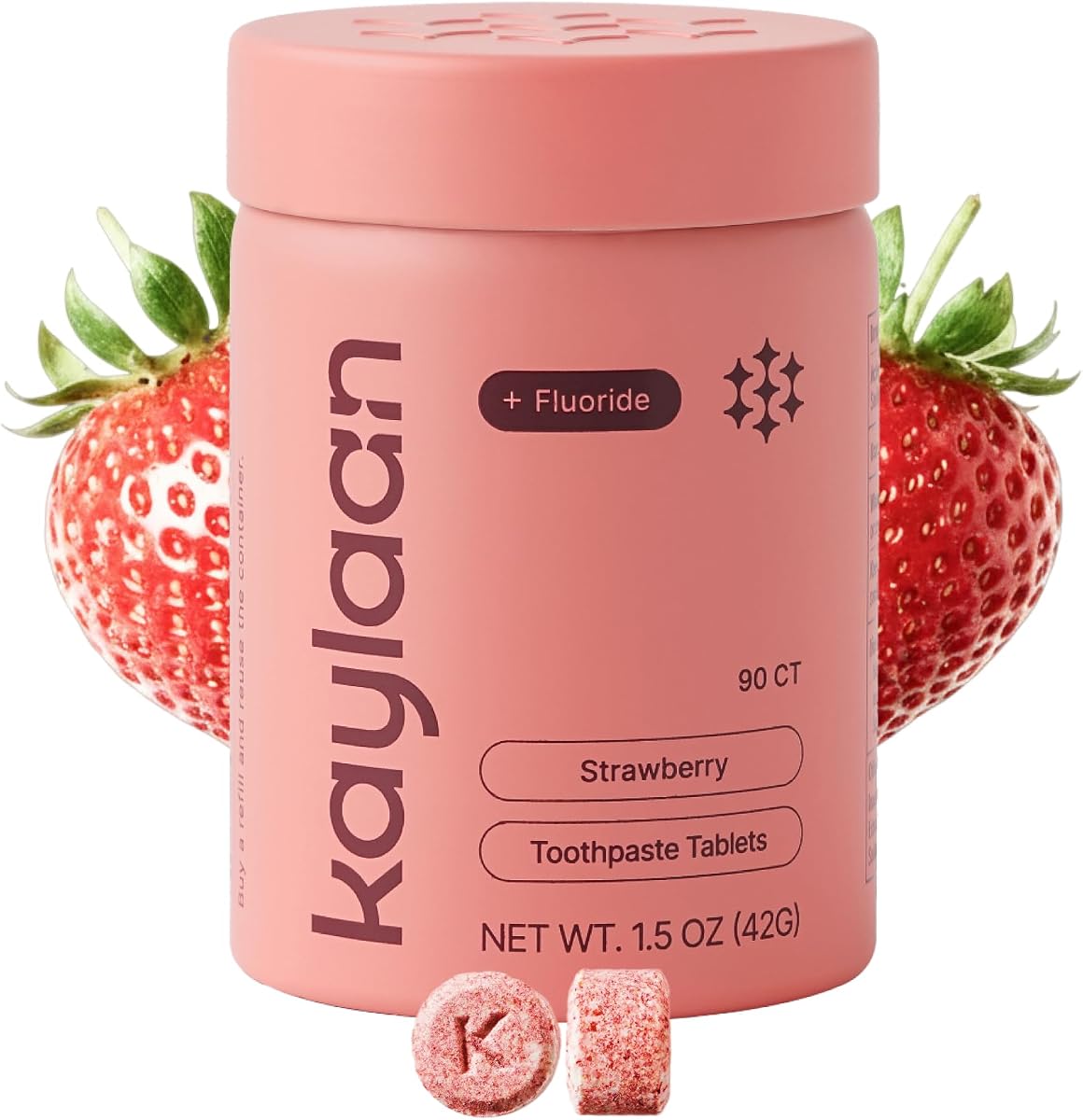
A zero-waste oral care system consisting of fluoride-free tablets in a refillable glass jar, featuring ingredients sourced from ethical Eastern European partners.

A high-potency, carbon-extracted rosehip oil designed specifically for sensitive skin, backed by rigorous B Corp standards and organic agricultural sourcing.
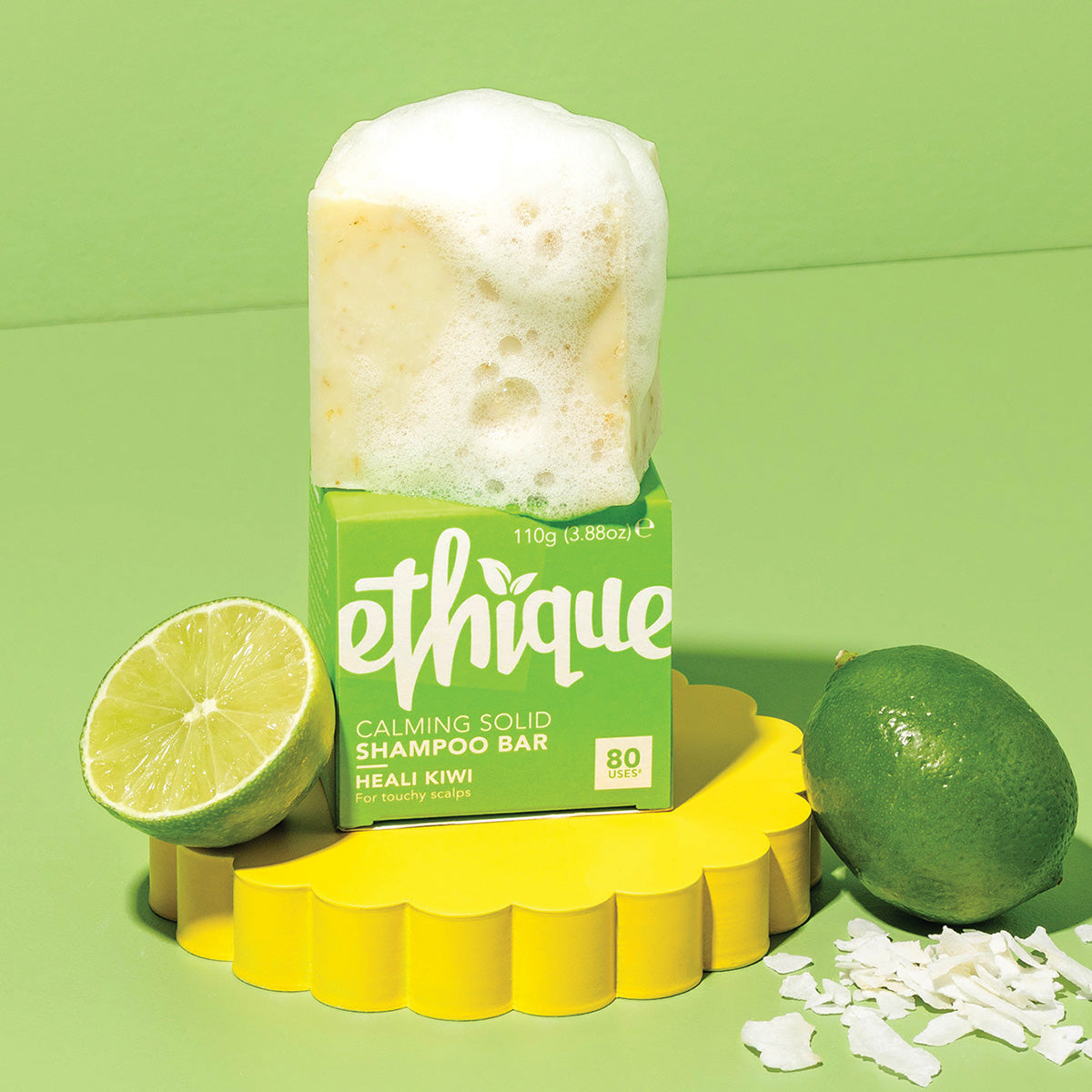
A plastic-free, highly concentrated shampoo bar that replaces three plastic bottles, featuring fair-trade ingredients and carbon-neutral shipping.

A moisturizing, sulfate-free bubble bath featuring handcrafted fair-trade shea butter and calming lavender oil.
More on Bulldog Skincare
What the score looks at
Each 0–100 score is an AI-assisted catalogue assessment with five recorded dimensions, not a fixed-weight calculation or an audit. Brands cannot buy a position, and a missing disclosure limits what can be assessed rather than being assumed positive.
Animal welfare
Third-party cruelty-free and vegan certification, animal-derived inputs, testing policy in every market the brand sells in.
Materials & sourcing
Organic, recycled or regenerative inputs, traceability to farm or mill, deforestation and biodiversity risk.
Labour & human rights
Living-wage commitments, published supplier lists, audit results and remediation, Fair Trade certification.
Packaging & waste
Recycled content, plastic intensity, refill or take-back options, real end-of-life recyclability.
Transparency
Public reporting, verifiable claims, parent-company disclosure and how quickly the brand answers questions.
Reading the score
Leader
80–100
Multiple independent certifications, published supply chain, credible reductions.
Strong
65–79
Solid certified core with one weak pillar, usually packaging or labour disclosure.
Mixed
50–64
Real progress in places, significant gaps elsewhere — read the detail before buying.
Weak
0–49
Little verified evidence, or an ownership structure that contradicts the marketing.
Six checks for any ethical purchase
A ranking gets you to a shortlist; these checks tell you whether a specific product is right for your household. Work through them in order — the first two rule out most greenwashing on their own.
Buying checklist
- Check the certification, not the adjective: a logo from Leaping Bunny, Vegan Society, GOTS, Fair Trade or B Corp is auditable; the words "natural" and "clean" are not.
- Look up the parent company — a certified brand owned by a group that still tests where the law requires it is a different decision than an independent one.
- Read the full ingredient or material list, not the front-of-pack claim; a single animal-derived or high-impact input can undo the rest.
- Prefer refills, concentrates and take-back schemes: packaging is usually the fastest win in this category.
- Compare cost per use rather than shelf price, including dose, refill costs and how long you will actually use the item.
- Buy the thing you will actually finish or wear a hundred times; the lowest-impact purchase is still the one you do not replace.
Is Bulldog Skincare ethical? FAQs
Is Bulldog Skincare cruelty-free?+
Bulldog does not test on animals anywhere in the world and does not sell in markets that require animal testing.
Does Bulldog Skincare have vegan products?+
The entire product range is certified vegan by The Vegan Society.
Does Bulldog Skincare sell in mainland China?+
The brand does not sell through channels that require mainland China post-market testing.
What is Bulldog Skincare's ethics score?+
We don't score any Bulldog Skincare products yet, so there is no ethics score. The signals above come from the brand profile and the sources listed on this page.
What are the best alternatives to Bulldog Skincare?+
High-scoring beauty & personal care products to compare include RSPO-Segregated Organic Intimate Care & Menstrual Set by &SISTERS, Bar Soap (Peppermint) by Dr. Bronner's, Natural Whitening Toothpaste Tablets Set by Kaylaan.