Is Burberry Beauty ethical and cruelty-free?
Not really — Burberry Beauty fails 2 of the 4 ethics signals we track, including its animal-testing position, and holds no third-party certification we can verify.
Burberry Beauty is the cosmetics and fragrance arm of the iconic British luxury fashion house Burberry Group plc, offering premium makeup, skincare, and scents with a heritage of British craftsmanship. While the brand has made some environmental commitments, its ethical standing is mixed: it sells in China (where animal testing is legally required for imported cosmetics) and lacks comprehensive third-party certifications, but it has announced a shift toward more sustainable packaging and ingredients.
The evidence, signal by signal
Cruelty-freeflagged
Burberry Beauty does not test on animals unless required by law; it sells in China where imported cosmetics are subject to animal testing.
Vegan optionsunverified
No vegan-certified product range; some individual items may be vegan but are not labeled as such.
Sells in mainland Chinaflagged
Selling through mainland Chinese retail has historically triggered post-market animal testing.
Third-party certifiedunverified
We don't track any of this brand's products yet, so product-level certifications are unchecked.
Public pledges: Aims for 100% recyclable/reusable/compostable beauty packaging by 2025 and net-zero emissions by 2040.
Scored with our public methodology. Profile last updated 2026-10-28.
Research notes on Burberry Beauty
Compiled from the brand's own statements and the public sources listed below, last reviewed 2026-10-28. We don't stock Burberry Beauty products, so nothing here is checked against product records.
Overview
Burberry Beauty, launched in 2010 as an extension of the Burberry fashion house (founded in 1856), is known for its sophisticated, heritage-inspired color cosmetics, fragrances, and skincare. The brand emphasizes British elegance and innovation, with products like the ‘Brit Rhythm’ fragrance and ‘Cashmere Concealer’. Burberry Group plc, its parent company, is publicly traded on the London Stock Exchange (BRBY.L) and generates annual revenues exceeding £3 billion. Burberry Beauty positions itself as a luxury brand with a focus on quality, but its ethical profile is shaped by the parent company’s broader environmental, social, and governance (ESG) disclosures and its operations in China.
Certifications
Burberry Beauty products are not certified by major independent ethical organizations such as Leaping Bunny, Cruelty Free International, Vegan Society, or B Corp. The brand does not display these logos on its packaging or website. Burberry Group has a few certifications for its retail and corporate operations (e.g., ISO 14001 for some facilities), but these are not product-specific and do not cover the full supply chain. For ethical consumers, the lack of widely recognized certifications means independent verification of claims is limited.
Animal testing & vegan range
Burberry Beauty sells products in mainland China through both physical retail stores and e-commerce platforms. As of late 2024, China still requires imported cosmetics to undergo animal testing for registration, unless they qualify for the ‘post-market surveillance’ exemption (which does not apply to all categories). Burberry has not publicly confirmed full exemption, so it is highly likely that some products sold in China undergo animal testing. The brand’s parent company states it does not test on animals unless required by law, but this caveat effectively means testing occurs for Chinese market access. Burberry Beauty does not have a vegan product range; while some individual items may be free of animal-derived ingredients (e.g., certain eyeshadows), the brand does not label or promote any products as vegan, and many fragrances and lipsticks contain beeswax, lanolin, or carmine.
Sustainability pledges
Burberry Group has made several high-level sustainability commitments. In 2020, it launched the ‘Burberry Future’ strategy, aiming to achieve net-zero greenhouse gas emissions by 2040 and to source 100% of its raw materials from certified sustainable sources by 2025. For beauty specifically, the company pledged to make all beauty packaging reusable, recyclable, or compostable by 2025. As of mid-2024, Burberry reports that over 70% of its beauty packaging is recyclable, and it has introduced refillable lipstick cases and fragrance bottles. The brand also uses some recycled materials in secondary packaging. However, progress has been slower than promised—the 2025 packaging target is unlikely to be fully met. Burberry is also a member of the Fashion Pact and Science Based Targets initiative, but these are industry-wide efforts with no beauty-specific enforcement.
Sourcing & labor
Burberry Group asserts a ‘Responsible Sourcing’ program and publishes a modern slavery statement in compliance with UK law. The company states it trains suppliers on ethical labor standards and audits high-risk facilities. However, the beauty supply chain—involving fragrance ingredients, pigments, and mica—presents unique risks. Mica, used for shimmer in cosmetics, has been linked to child labor in India; Burberry’s 2023 sustainability report mentions ‘mica traceability’ but provides no specifics on audits or certifications (e.g., Responsible Mica Initiative membership). The parent company has faced criticism for lack of transparency in raw material sourcing, particularly for synthetic and natural fragrance components. Overall, Burberry scores moderately on labor transparency compared to best-in-class beauty peers.
Controversies context
Burberry Group has experienced a few public controversies, but none specifically related to Burberry Beauty. In 2018, the fashion side burned unsold goods (worth £28.6m) to protect brand exclusivity, sparking outrage; the practice was ended after public backlash. In 2022, a supplier in Italy was investigated for labor violations (underpayment and poor conditions), though Burberry stated it had terminated the contract. These events signal a mixed history of supply chain oversight, though no major beauty-specific scandal has emerged. The company has since strengthened its audit processes.
Bottom line
Burberry Beauty is a classic luxury line with moderate ethical performance. Its strongest points are sustainability packaging targets and net-zero climate goals, but these are under-delivered and lack third-party verification. The brand’s sale in China (implying animal testing) and absence of certified vegan or cruelty-free labeling make it a poor choice for consumers prioritizing animal welfare. For a luxury brand, Burberry’s transparency on sourcing (especially mica and labor) is below best practice.
Better-scoring alternatives to Burberry Beauty
Same categories, higher ethics scores, verified certifications.

The ultimate multi-tasker for minimalist hosts; one bottle can wash hands, body, hair, and even dishes.
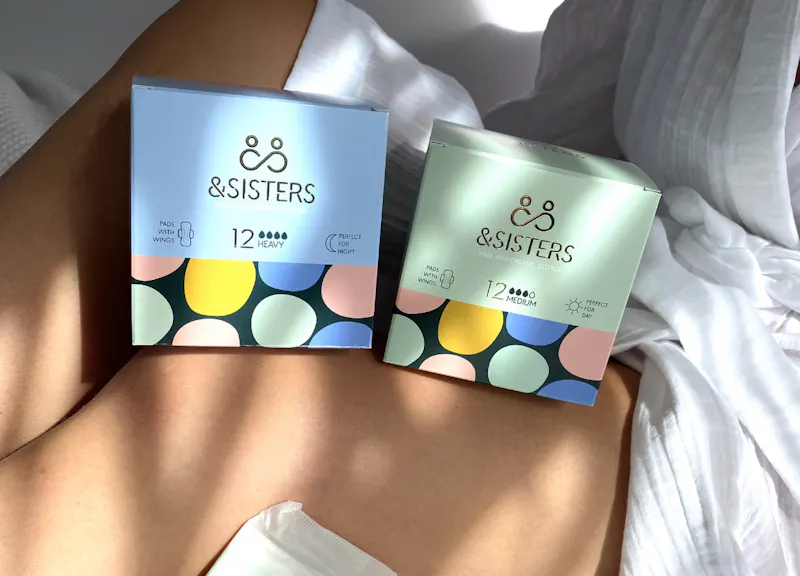
A UK-based, women-owned B Corp offering the highest ethical standard in menstrual care. This bulk 'Sisterhood' bundle features GOTS organic cotton tampons and pads with RSPO-segregated inputs, ensuring zero deforestation.
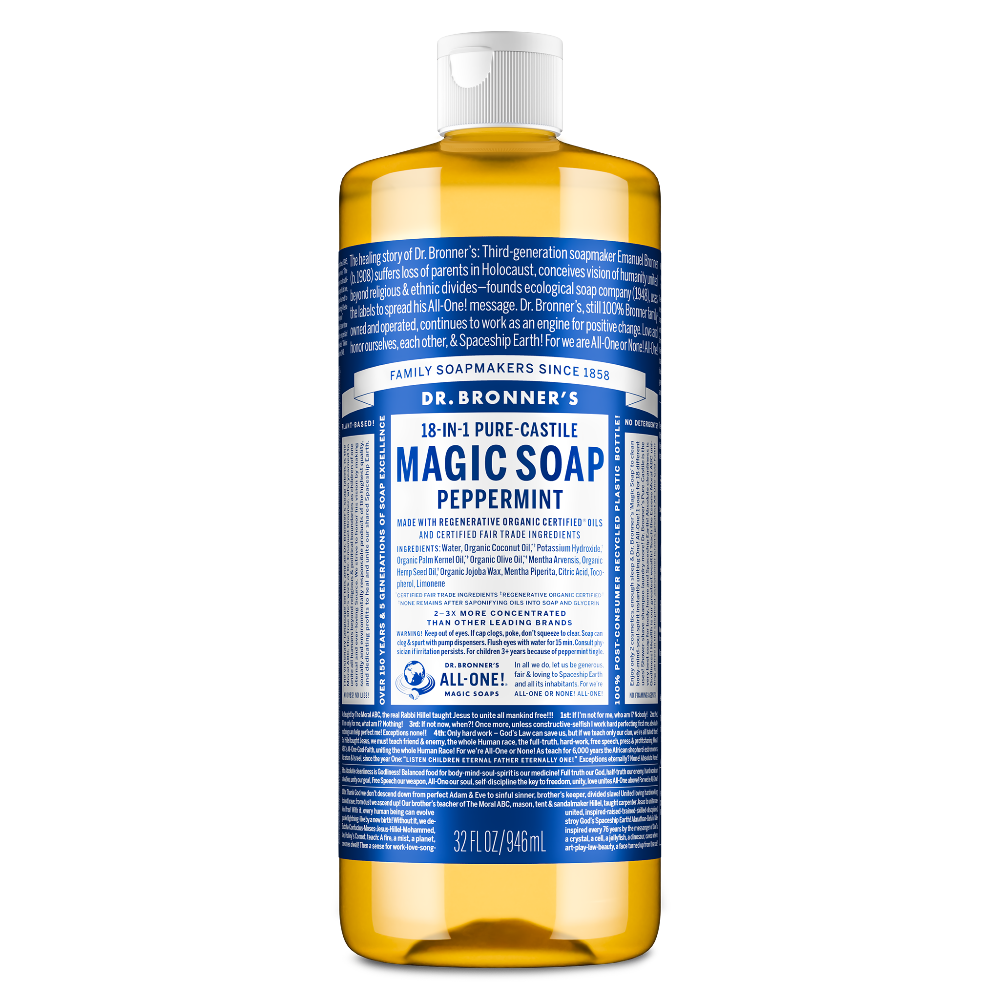
The gold standard of ethical cleaning. A highly concentrated, multi-surface liquid soap made from organic oils and fair trade ingredients in 100% PCR packaging.

The gold standard of ethical soaps, featuring regenerative organic palm oil and a legacy of fair-trade advocacy and radical transparency.
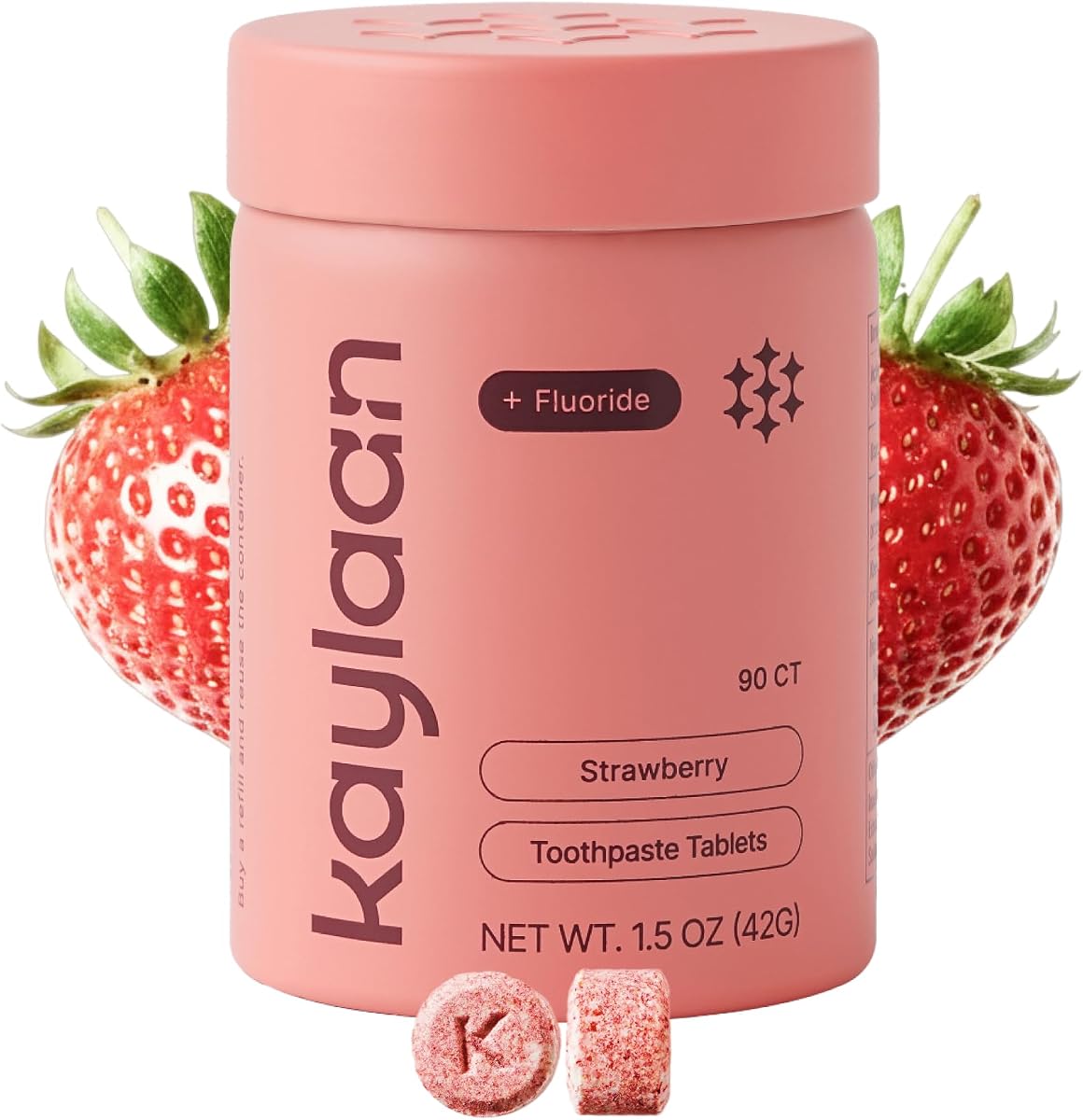
A zero-waste oral care system consisting of fluoride-free tablets in a refillable glass jar, featuring ingredients sourced from ethical Eastern European partners.

A high-potency, carbon-extracted rosehip oil designed specifically for sensitive skin, backed by rigorous B Corp standards and organic agricultural sourcing.
More on Burberry Beauty
Is Burberry Beauty ethical? FAQs
Is Burberry Beauty cruelty-free?+
Burberry Beauty does not test on animals unless required by law; it sells in China where imported cosmetics are subject to animal testing.
Does Burberry Beauty have vegan products?+
No vegan-certified product range; some individual items may be vegan but are not labeled as such.
Does Burberry Beauty sell in mainland China?+
Selling through mainland Chinese retail has historically triggered post-market animal testing.
What is Burberry Beauty's ethics score?+
We don't score any Burberry Beauty products yet, so there is no ethics score. The signals above come from the brand profile and the sources listed on this page.
What are the best alternatives to Burberry Beauty?+
Higher-scoring alternatives include Dr. Bronner's 18-in-1 Pure-Castile Soap (Travel Size) by Dr. Bronner's, RSPO-Segregated Organic Intimate Care & Menstrual Set by &SISTERS, Dr. Bronner's Pure-Castile Liquid Soap (Peppermint) by Dr. Bronner's.