Is Carol's Daughter ethical and cruelty-free?
Mixed — Carol's Daughter clears 1 of 4 ethics signals and fails 1, so it depends which issue matters most to you.
Carol's Daughter is a Black-owned hair and body care brand founded in 1993, now under L'Oréal USA, offering mostly natural-ingredient products with a cruelty-free policy (no animal testing) but lacking formal environmental certifications or transparent supply chain reporting.
The evidence, signal by signal
Cruelty-freeverified
Carol's Daughter states no animal testing, but parent company L'Oréal sells in China where post-market animal testing may be required.
Vegan optionsunverified
No explicit vegan range; some products likely vegan but not labeled.
Sells in mainland Chinaflagged
Selling through mainland Chinese retail has historically triggered post-market animal testing.
Third-party certifiedunverified
We don't track any of this brand's products yet, so product-level certifications are unchecked.
Public pledges: No brand-specific sustainability pledges; parent company L'Oréal has broad corporate environmental goals.
Scored with our public methodology. Profile last updated 2026-09-19.
Research notes on Carol's Daughter
Compiled from the brand's own statements and the public sources listed below, last reviewed 2026-09-19. We don't stock Carol's Daughter products, so nothing here is checked against product records.
Overview
Carol’s Daughter was launched in 1993 by Lisa Price in her Brooklyn kitchen, originally as a line of handmade natural hair and body products. The brand grew to become a beloved name in textured-hair care, celebrated for its use of ingredients like shea butter, coconut oil, and aloe vera. In 2014, L’Oréal USA acquired Carol’s Daughter, raising questions about its independent ethical identity. Today, the brand remains marketed as a multicultural beauty staple, but its ownership by a multinational cosmetics conglomerate influences its supply chain, testing policies, and corporate sustainability commitments. Carol’s Daughter products are widely available in drugstores, mass retailers, and online, with a core focus on moisture-rich formulas for curly, coily, and natural hair.
Certifications
Carol’s Daughter does not hold any widely recognized third-party ethical certifications. The brand is not certified by Leaping Bunny, PETA’s Beauty Without Bunnies, or Cruelty Free International. It also lacks USDA Organic, Non-GMO Project, or Fair Trade certifications. While some products feature phrases like “natural” or “no sulfates,” these claims are not independently verified. The absence of formal certifications may concern consumers seeking transparency in ingredient sourcing and environmental impact.
Animal Testing & Vegan Range
Carol’s Daughter states it does not test on animals. However, because L’Oréal USA is a parent company that sells in China (where post-market animal testing may be required), the brand’s cruelty-free status is disputed by many ethical watchdog groups. L’Oréal claims it uses alternative testing methods and does not conduct animal tests for any of its brands, but Chinese regulations can mandate testing on imported finished goods. As a result, Carol’s Daughter is not listed as cruelty-free by PETA or Leaping Bunny. The brand does not explicitly market a vegan range, though many products appear to contain no animal-derived ingredients. For exact vegan status, consumers must check individual ingredient lists.
Sustainability Pledges
Carol’s Daughter has made limited public sustainability commitments. The brand’s packaging is largely plastic, and no significant recycling or refill programs are promoted. L’Oréal Group has broader sustainability goals (e.g., reducing carbon emissions, improving water use), but these are corporate-wide and not specific to Carol’s Daughter. The brand does not publish a dedicated sustainability report, ingredient sourcing policy, or carbon footprint data. There is no evidence of palm oil sourcing policies or biodiversity programs tied to the brand. Consumers looking for eco-friendly packaging or verified sustainable sourcing will find little to no transparent information.
Sourcing & Labor
L’Oréal has a Supplier Code of Conduct that covers labor rights, health and safety, and environmental standards, which applies to all brands including Carol’s Daughter. However, independent audits or certifications (like Fair Trade or Fair Labor Association membership) are not publicly linked to Carol’s Daughter. Ingredient sourcing is opaque—key ingredients such as shea butter and coconut oil are often sourced from West Africa and Asia, but no specific programs for smallholder farmers or fair wages are disclosed for this brand. The brand’s heritage as a Black-owned start-up is celebrated, but since acquisition, supply chain transparency has not improved significantly.
Controversies Context
There are no major recorded controversies specifically tied to Carol’s Daughter. Minor consumer discourse includes occasional criticism of product formulation changes post-acquisition and the use of some synthetic ingredients despite a “natural” marketing image. No labor scandals, discrimination lawsuits, or environmental violations have been publicly associated with the brand. However, the broader debate about L’Oréal’s testing in China indirectly affects the brand’s ethical standing among conscious consumers.
Bottom Line
Carol’s Daughter offers a strong cultural heritage and effective hair care products, but its ethical profile is moderate. It lacks independent cruelty-free certification, formal vegan labeling, and robust sustainability practices. For shoppers prioritizing verified animal testing policies or traceable supply chains, this brand may not fully meet their standards. However, as a widely accessible, legacy brand for textured hair, it remains a practical option for those less concerned with formal ethical labels.
Better-scoring alternatives to Carol's Daughter
Same categories, higher ethics scores, verified certifications.

The ultimate multi-tasker for minimalist hosts; one bottle can wash hands, body, hair, and even dishes.
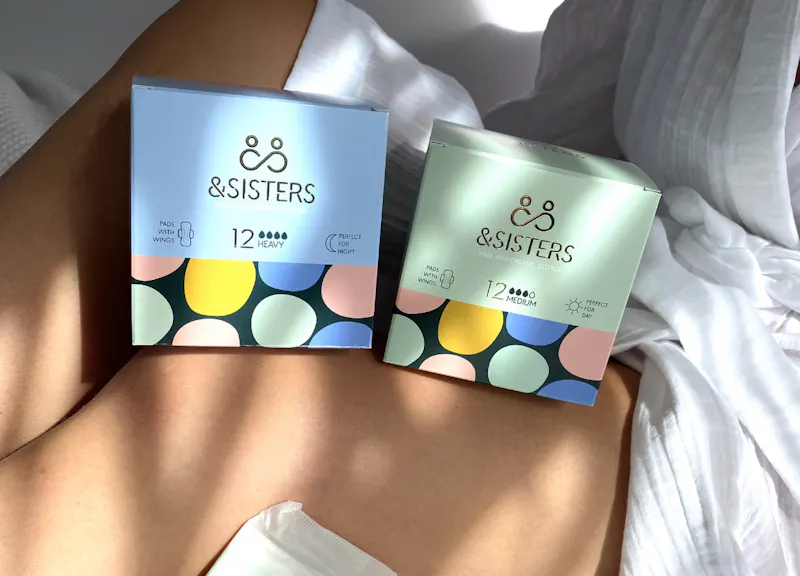
A UK-based, women-owned B Corp offering the highest ethical standard in menstrual care. This bulk 'Sisterhood' bundle features GOTS organic cotton tampons and pads with RSPO-segregated inputs, ensuring zero deforestation.
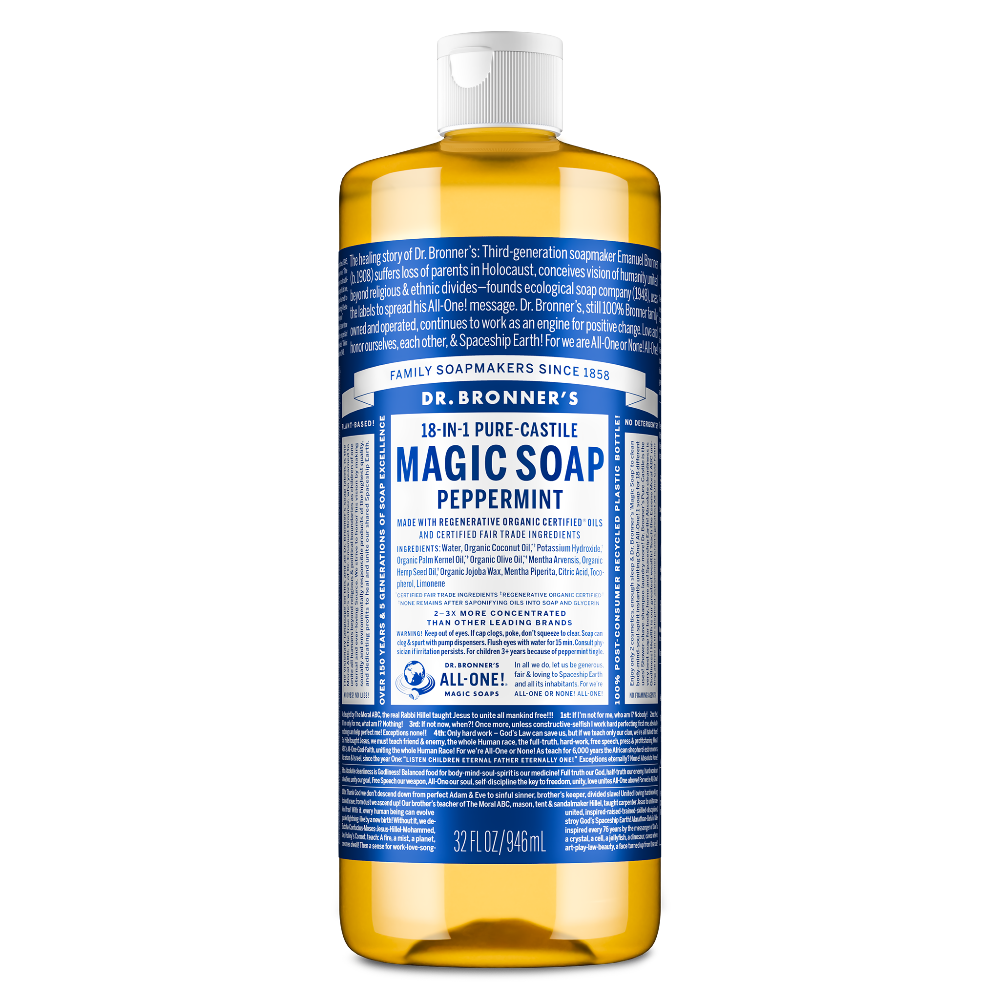
The gold standard of ethical cleaning. A highly concentrated, multi-surface liquid soap made from organic oils and fair trade ingredients in 100% PCR packaging.

The gold standard of ethical soaps, featuring regenerative organic palm oil and a legacy of fair-trade advocacy and radical transparency.
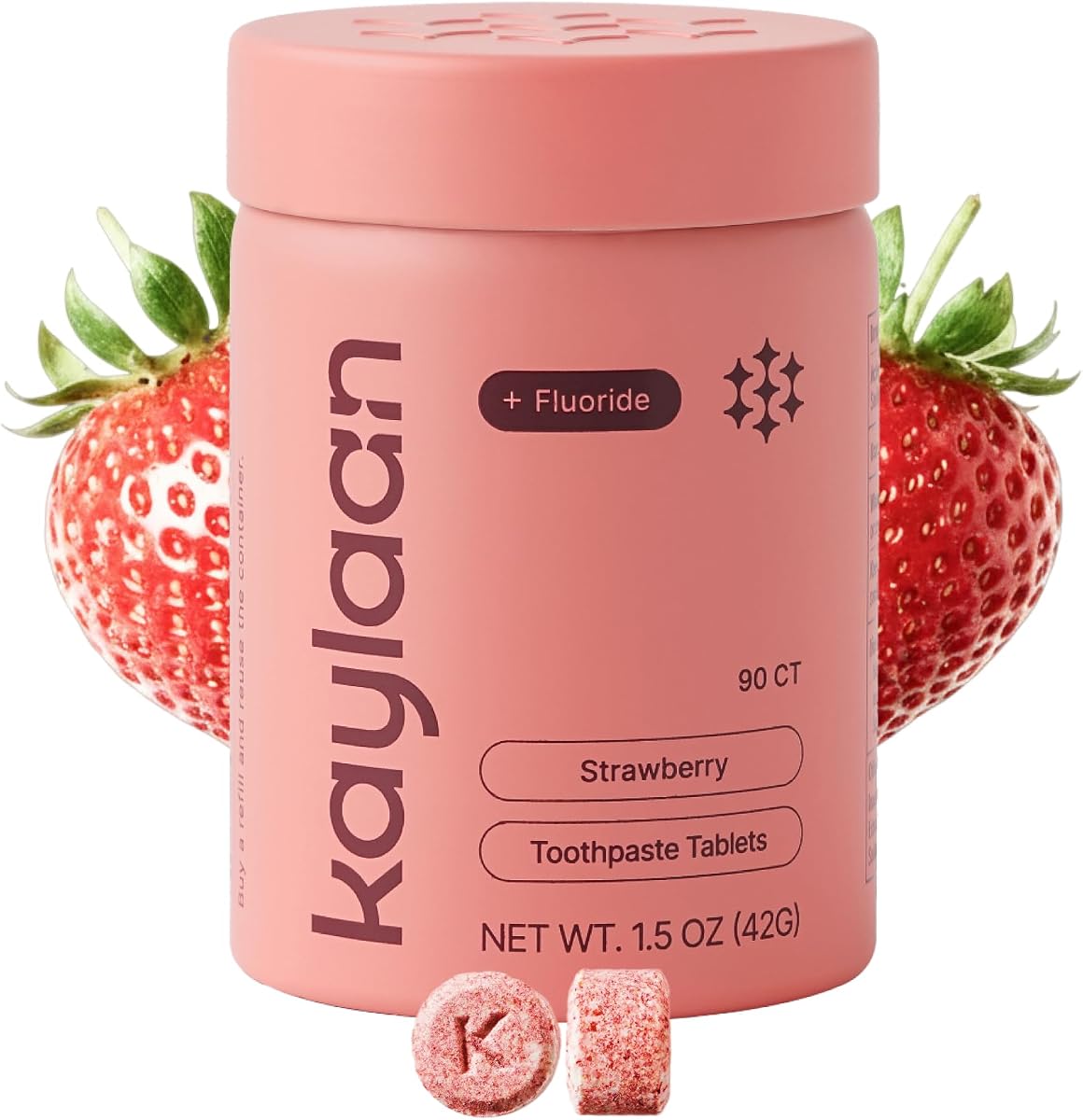
A zero-waste oral care system consisting of fluoride-free tablets in a refillable glass jar, featuring ingredients sourced from ethical Eastern European partners.

A high-potency, carbon-extracted rosehip oil designed specifically for sensitive skin, backed by rigorous B Corp standards and organic agricultural sourcing.
More on Carol's Daughter
Is Carol's Daughter ethical? FAQs
Is Carol's Daughter cruelty-free?+
Carol's Daughter states no animal testing, but parent company L'Oréal sells in China where post-market animal testing may be required.
Does Carol's Daughter have vegan products?+
No explicit vegan range; some products likely vegan but not labeled.
Does Carol's Daughter sell in mainland China?+
Selling through mainland Chinese retail has historically triggered post-market animal testing.
What is Carol's Daughter's ethics score?+
We don't score any Carol's Daughter products yet, so there is no ethics score. The signals above come from the brand profile and the sources listed on this page.
What are the best alternatives to Carol's Daughter?+
Higher-scoring alternatives include Dr. Bronner's 18-in-1 Pure-Castile Soap (Travel Size) by Dr. Bronner's, RSPO-Segregated Organic Intimate Care & Menstrual Set by &SISTERS, Dr. Bronner's Pure-Castile Liquid Soap (Peppermint) by Dr. Bronner's.