Is Clear ethical and cruelty-free?
Mixed — Clear clears 1 of 4 ethics signals and fails 1, so it depends which issue matters most to you.
Clear is a global hair care brand owned by Unilever, offering mass-market anti-dandruff shampoos and conditioners. While it holds some certifications and has made sustainability pledges through its parent company, its ethical profile is mixed due to Unilever's complex supply chain and animal testing policies in certain markets.
The evidence, signal by signal
Cruelty-freeverified
Parent company Unilever states no animal testing except where required by law; Clear products sold in China are subject to mandatory animal testing.
Vegan optionsunverified
Not explicitly labeled vegan; some formulas may be free of animal-derived ingredients, but no separate vegan range or certification exists.
Sells in mainland Chinaflagged
Selling through mainland Chinese retail has historically triggered post-market animal testing.
Third-party certifiedunverified
We don't track any of this brand's products yet, so product-level certifications are unchecked.
Public pledges: Unilever targets net-zero emissions by 2039 and 100% recyclable/reusable plastic by 2025; Clear uses some recycled plastic bottles and water-reduced formulas.
Scored with our public methodology. Profile last updated 2026-09-15.
Research notes on Clear
Compiled from the brand's own statements and the public sources listed below, last reviewed 2026-09-15. We don't stock Clear products, so nothing here is checked against product records.
Overview
Clear (often stylized as CLEAR) is a Unilever-owned brand specializing in anti-dandruff hair care products, including shampoos, conditioners, and treatments. Launched in the 1970s and rebranded in the 2000s, Clear is sold in over 50 countries and is particularly popular in Asia and Africa. As a mass-market brand, it prioritizes affordability and efficacy. However, its ethical standing is influenced by Unilever's broader corporate practices, such as its commitment to sustainable sourcing (e.g., the Unilever Sustainable Living Plan) versus its continued sale of products in China, where animal testing is legally required for imported cosmetics.
Certifications
Clear does not hold prominent third-party certifications like B Corp, Leaping Bunny, or Vegan Society. Some Clear products carry the PETA Beauty Without Bunnies certification under Unilever's parent header (meaning they are listed as 'cruelty-free' by PETA, though this is disputed due to China sales). Additionally, certain Clear variants are produced in Unilever factories that are certified under the RSPO (Roundtable on Sustainable Palm Oil) for sustainable palm oil use. However, no product-level certifications are consistently advertised for Clear.
Animal testing & vegan range
Unilever, Clear's parent company, states that it does not test finished products or ingredients on animals anywhere in the world, except where required by law (e.g., China). Since Clear is sold in China, it is subject to mandatory animal testing for imported cosmetics—a practice widely criticized by animal welfare advocates. As a result, Clear cannot be considered fully cruelty-free. The brand also does not explicitly label its products as vegan; while many formulas are free of animal-derived ingredients, Clear does not provide a dedicated vegan product list or certification.
Sustainability pledges
Unilever has made significant sustainability commitments that apply to Clear, including goals to achieve net-zero emissions in its value chain by 2039, and to ensure 100% of its plastic packaging is reusable, recyclable, or compostable by 2025. Clear has introduced some recycled plastic bottles (e.g., 100% recycled HDPE for certain markets) and reduced water content in some formulas. However, the brand's individual progress is hard to track, and critics note Unilever's reliance on petrochemicals and plastic sachets in developing markets—a major environmental concern for Clear in regions like India.
Sourcing & labor
Clear sources ingredients through Unilever's global supply chains, which have faced scrutiny over palm oil sourcing (deforestation in Indonesia) and labor rights in tea and coconut supply chains. Unilever is a member of the Ethical Trading Initiative and publishes supplier audit data, but incidents of forced labor and poor working conditions have been reported in its vast network. Clear itself does not have a separate sourcing policy; it relies on Unilever's Responsible Sourcing Policy, which aims to ensure fair wages and safe conditions but is unevenly enforced.
Controversies context
No major controversies are specifically tied to the Clear brand name. However, Unilever has faced lawsuits and activist campaigns concerning deceptive 'greenwashing' claims (e.g., 'biodegradable' claims on plastic packaging) and deforestation-linked palm oil. Clear's marketing (e.g., 'zero dandruff' claims) has occasionally been challenged as unsubstantiated, but no widespread scandals exist. The brand's ethical gray area largely stems from its sale in China and the environmental impact of single-use plastics in emerging markets.
Bottom line
Clear offers affordable hair care but scores poorly on animal welfare due to its presence in China. Environmentally, it benefits from Unilever's sustainability targets but remains a high-volume plastic producer. For ethical consumers, Clear sits in the 'needs improvement' category—suitable if you prioritize cost and brand-scale commitments over cruelty-free status or independent certification.
Better-scoring alternatives to Clear
Same categories, higher ethics scores, verified certifications.

The ultimate multi-tasker for minimalist hosts; one bottle can wash hands, body, hair, and even dishes.
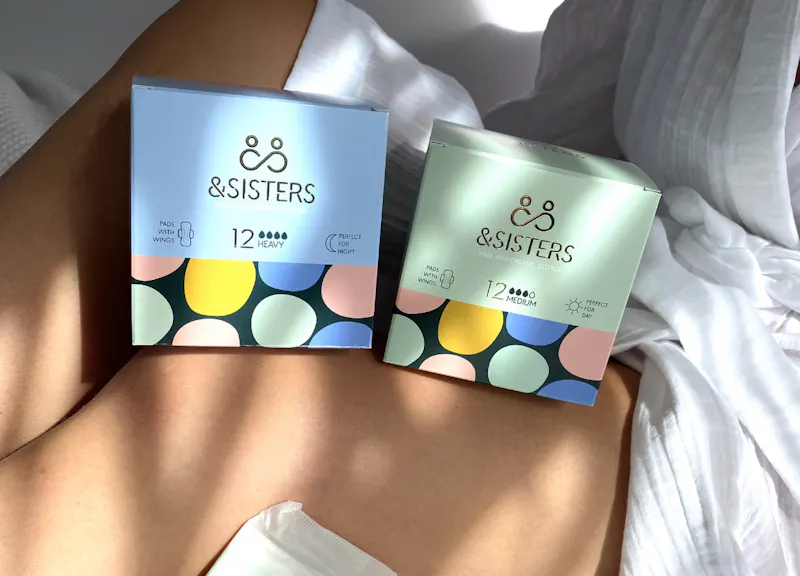
A UK-based, women-owned B Corp offering the highest ethical standard in menstrual care. This bulk 'Sisterhood' bundle features GOTS organic cotton tampons and pads with RSPO-segregated inputs, ensuring zero deforestation.
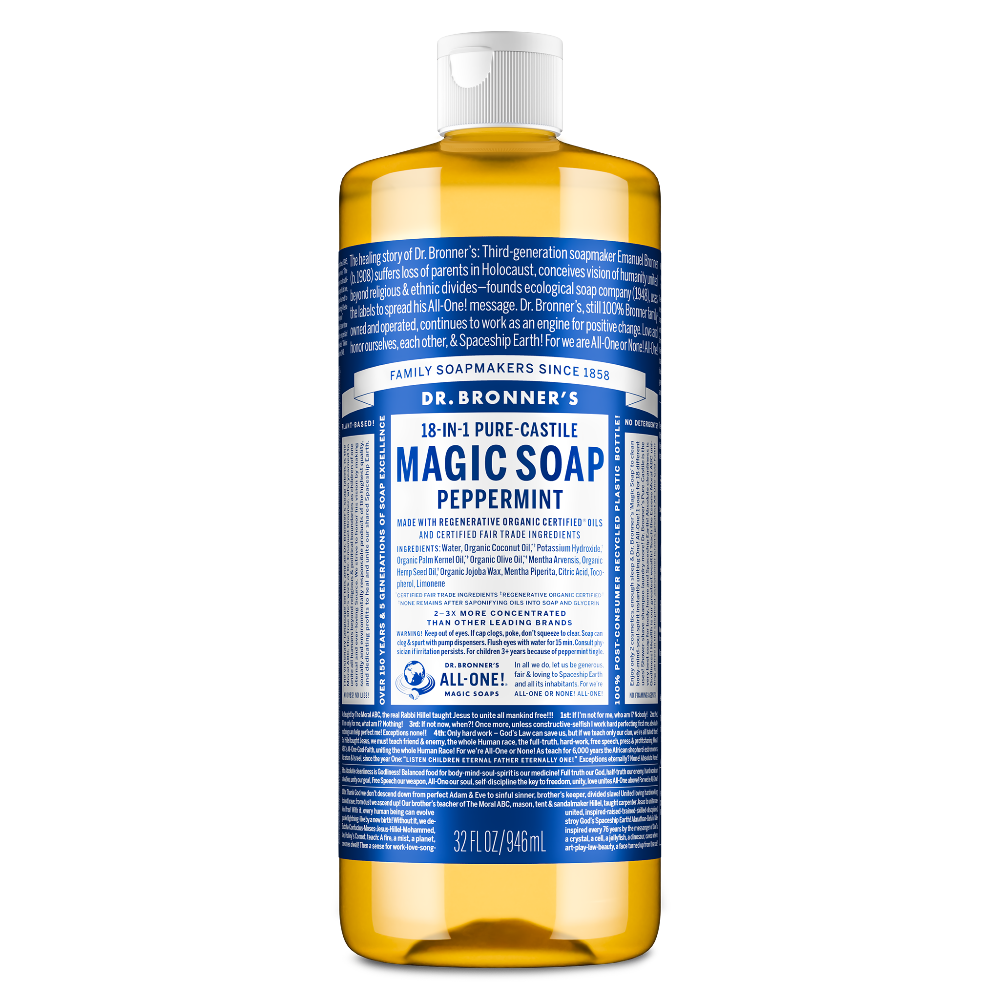
The gold standard of ethical cleaning. A highly concentrated, multi-surface liquid soap made from organic oils and fair trade ingredients in 100% PCR packaging.

The gold standard of ethical soaps, featuring regenerative organic palm oil and a legacy of fair-trade advocacy and radical transparency.
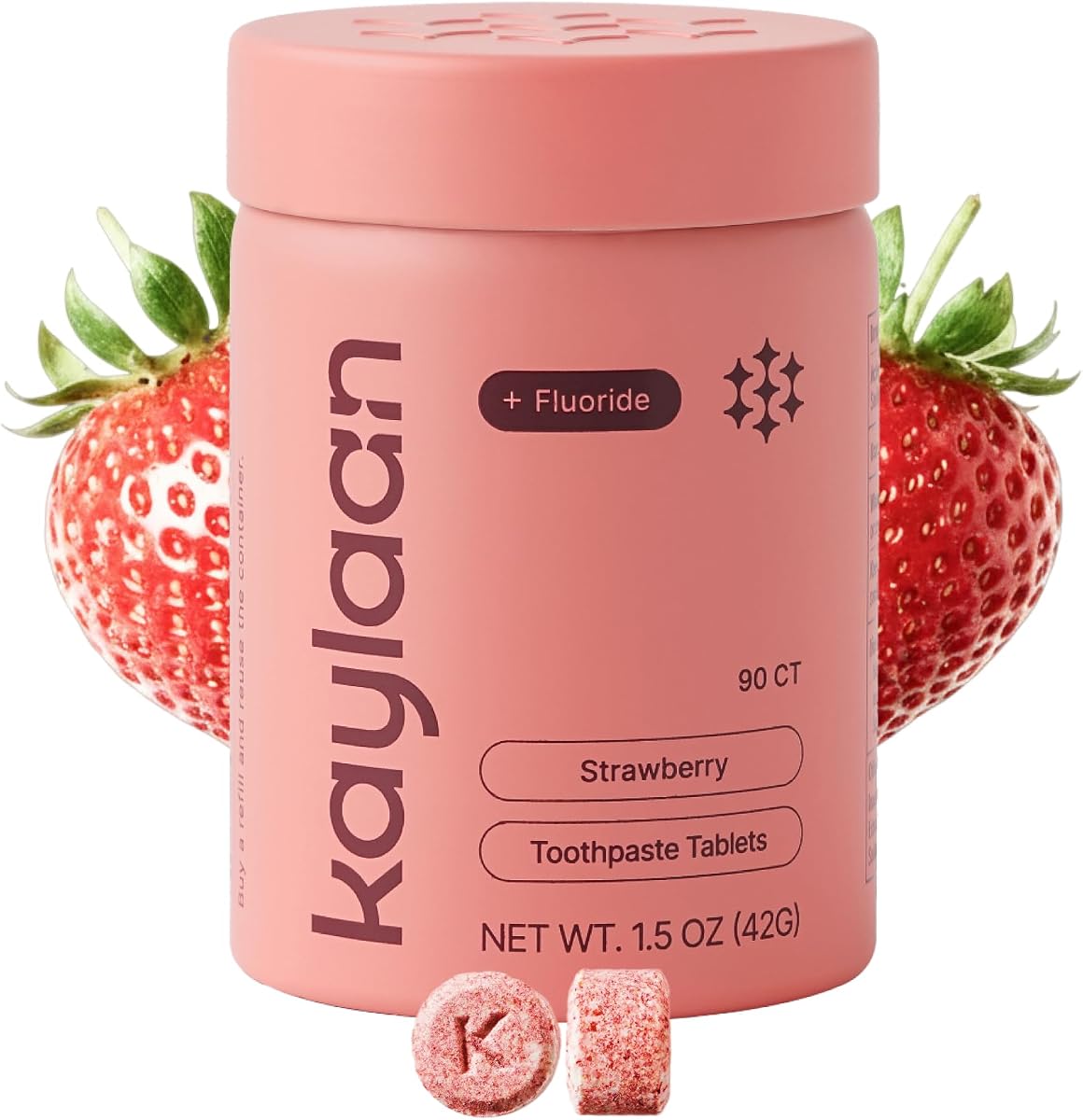
A zero-waste oral care system consisting of fluoride-free tablets in a refillable glass jar, featuring ingredients sourced from ethical Eastern European partners.

A high-potency, carbon-extracted rosehip oil designed specifically for sensitive skin, backed by rigorous B Corp standards and organic agricultural sourcing.
More on Clear
Is Clear ethical? FAQs
Is Clear cruelty-free?+
Parent company Unilever states no animal testing except where required by law; Clear products sold in China are subject to mandatory animal testing.
Does Clear have vegan products?+
Not explicitly labeled vegan; some formulas may be free of animal-derived ingredients, but no separate vegan range or certification exists.
Does Clear sell in mainland China?+
Selling through mainland Chinese retail has historically triggered post-market animal testing.
What is Clear's ethics score?+
We don't score any Clear products yet, so there is no ethics score. The signals above come from the brand profile and the sources listed on this page.
What are the best alternatives to Clear?+
Higher-scoring alternatives include Dr. Bronner's 18-in-1 Pure-Castile Soap (Travel Size) by Dr. Bronner's, RSPO-Segregated Organic Intimate Care & Menstrual Set by &SISTERS, Dr. Bronner's Pure-Castile Liquid Soap (Peppermint) by Dr. Bronner's.