Is coffeesock ethical and cruelty-free?
Largely yes — we don't stock coffeesock, but 2 of 4 ethics signals we track are verified in its favour, based on its published policies and third-party certifications.
CoffeeSock is a family-owned sustainable brand specializing in reusable organic cotton coffee filters that serve as a high-performance, zero-waste alternative to paper and plastic. With an exceptional ethical rating and GOTS certification, the company emphasizes local manufacturing and long-term environmental stewardship.
The evidence, signal by signal
Cruelty-freeverified
No animal testing is performed on products or materials.
Vegan optionsunverified
All products are 100% plant-based and vegan-friendly.
Sells in mainland Chinaverified
The brand does not sell through channels that require mainland China post-market testing.
Third-party certifiedunverified
We don't track any of this brand's products yet, so product-level certifications are unchecked.
Public pledges: Committed to 1% for the Planet and zero-waste, compostable product lifecycles.
Scored with our public methodology. Profile last updated 2026-08-03.
Research notes on coffeesock
Compiled from the brand's own statements and the public sources listed below, last reviewed 2026-08-03. We don't stock coffeesock products, so nothing here is checked against product records.
Overview
Founded in Austin, Texas, CoffeeSock emerged as a grassroots solution to the significant waste generated by single-use coffee filters. The brand produces reusable filters made from certified organic cotton, designed to fit nearly every brewing system, from Chemex and Hario V60 to standard drip machines and cold brew kits. Beyond their environmental utility, CoffeeSock filters are favored by enthusiasts for their ability to allow flavorful oils to pass through while trapping fine sediment, resulting in a cup that many argue is superior to paper-filtered coffee. The company maintains a small-scale, artisanal approach to production, ensuring that their growth does not compromise their core values of simplicity and sustainability.
Certifications
CoffeeSock holds two major pillars of third-party validation that anchor its ethical claims. Primarily, their products are Global Organic Textile Standard (GOTS) certified. This is the gold standard for organic fibers, ensuring not only that the cotton is grown without synthetic pesticides or GMOs but also that the entire manufacturing process meets strict social and environmental criteria. Additionally, CoffeeSock is a member of 1% for the Planet, committing one percent of their annual sales to environmental nonprofits. This ensures that every purchase contributes to broader ecological conservation efforts regardless of the company's profit margins in a given year.
Animal testing & vegan range
As a manufacturer of textile-based kitchenware, CoffeeSock does not engage in any form of animal testing. The primary material used is organic cotton, a plant-based fiber. No animal-derived glues, dyes, or treatments are utilized in the production of their filters, making their entire product line naturally vegan-friendly. While they do not carry a specific 'Vegan Society' trademark, the inherent nature of their production process and material sourcing aligns perfectly with a vegan lifestyle and animal-welfare principles.
Sustainability pledges
The brand’s sustainability strategy is built on the concept of the circular economy and waste reduction. A single CoffeeSock filter can replace approximately 500 paper filters and lasts about a year with proper care. Once the filter reaches the end of its life, it is fully compostable, leaving behind no microplastics or chemical residues. CoffeeSock also prioritizes minimal packaging, often using recycled paper materials and avoiding plastic components in their shipping process. Their commitment to 1% for the Planet serves as an ongoing pledge to support global reforestation and water conservation projects.
Sourcing & labor
CoffeeSock distinguishes itself by maintaining localized production. The filters are hand-sewn in Austin, Texas, allowing for direct oversight of working conditions and fair wages. By manufacturing in the USA, the brand reduces the carbon footprint associated with long-distance international shipping of finished goods. The organic cotton is sourced from reputable suppliers who adhere to GOTS social criteria, which include prohibitions on child labor, forced labor, and discrimination, while ensuring safe and hygienic working conditions for farmers and textile workers abroad.
Controversies context
There are no major controversies, legal disputes, or significant ethical breaches on record for CoffeeSock. The company has maintained a transparent reputation since its inception in 2011. Unlike many larger corporations that engage in 'greenwashing' by releasing a single eco-friendly line, CoffeeSock’s entire business model is built around environmental remediation. Their focus remains narrow and specialized, which has helped them avoid the supply chain complexities and ethical pitfalls often associated with rapid, mass-market global expansion.
Bottom line
CoffeeSock represents the pinnacle of ethical consumerism in the coffee industry. With a near-perfect ethical score of 96/100, the brand offers a rare combination of high utility, affordability, and rigorous environmental standards. For consumers looking to eliminate daily waste without sacrificing the quality of their morning brew, CoffeeSock provides a transparent, GOTS-certified, and locally-made solution that sets a benchmark for the textile and housewares industry.
High-scoring kitchen & dining picks to compare
Top-scoring products from other brands in the category coffeesock sells in. A starting point for comparison, not proof that each one beats coffeesock.
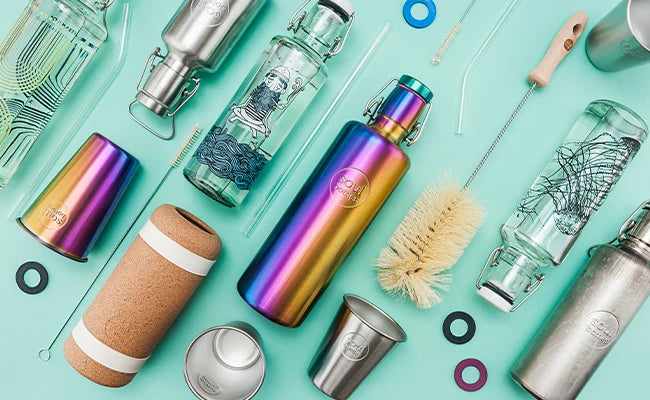
A 100% plastic-free, carbon-neutral glass bottle made in Germany, featuring stunning artist-designed motifs and a swing-top closure.

Exquisite, handcrafted serving utensils made by artisans in Kenya. Each set supports fair wages and preserves traditional woodworking techniques using sustainably harvested olive wood.

Exquisite hand-woven table linens designed by a Brooklyn-based Ethiopian-American designer and crafted by artisans in Ethiopia using GOTS-certified organic cotton.

A high-quality, reusable alternative to disposable paper towels, handmade in Oregon from sustainable materials to drastically reduce household waste.

Premium, artisan-made kitchen linens that support indigenous weaving techniques and provide stable fair-trade income to cooperatives in Mexico and Guatemala.

Hand-spun and hand-woven Ethiopian cotton napkins produced by a women-led collective committed to slow fashion and fair wages.
More on coffeesock
Is coffeesock ethical? FAQs
Is coffeesock cruelty-free?+
No animal testing is performed on products or materials.
Does coffeesock have vegan products?+
All products are 100% plant-based and vegan-friendly.
Does coffeesock sell in mainland China?+
The brand does not sell through channels that require mainland China post-market testing.
What is coffeesock's ethics score?+
We don't score any coffeesock products yet, so there is no ethics score. The signals above come from the brand profile and the sources listed on this page.
What are the best alternatives to coffeesock?+
High-scoring kitchen & dining products to compare include Soulbottles Glass Water Bottle (Steel Flower - 0.6L) by Soulbottles, Fair Trade Hand-Carved Olive Wood Salad Servers by Ten Thousand Villages, Fair Trade Organic Cotton Napkin Set by Bolé Road Textiles.