Is Darphin ethical and cruelty-free?
Not really — Darphin fails 2 of the 4 ethics signals we track, including its animal-testing position, and holds no third-party certification we can verify.
Darphin is a French luxury skincare brand owned by Estée Lauder Companies, with a focus on aromatherapy and botanical ingredients. While it has some sustainability initiatives and a cruelty-free policy, its sale in China and lack of full vegan certification pose ethical trade-offs for conscientious consumers.
The evidence, signal by signal
Cruelty-freeflagged
Darphin states it does not test on animals except where required by local laws, such as in China, where its parent company Estée Lauder operates.
Vegan optionsunverified
Darphin does not offer a dedicated vegan product line; many products contain animal-derived ingredients like beeswax and honey.
Sells in mainland Chinaflagged
Selling through mainland Chinese retail has historically triggered post-market animal testing.
Third-party certifiedunverified
We don't track any of this brand's products yet, so product-level certifications are unchecked.
Public pledges: Darphin commits to using recycled and FSC-certified packaging, as part of Estée Lauder's goal to reduce virgin plastic by 50% by 2030.
Scored with our public methodology. Profile last updated 2026-09-21.
Research notes on Darphin
Compiled from the brand's own statements and the public sources listed below, last reviewed 2026-09-21. We don't stock Darphin products, so nothing here is checked against product records.
Overview
Founded in 1958 by Pierre Darphin in Paris, Darphin is a premium skincare brand that blends scientific dermatology with plant-based aromatherapy. As a wholly owned subsidiary of the Estée Lauder Companies (ELC) since 2003, Darphin benefits from global distribution but also inherits the corporate structure of a multinational conglomerate. The brand positions itself as a clean beauty leader, emphasizing natural extracts and tailored formulations for sensitive skin. However, its ethical stance is nuanced, particularly regarding animal testing and environmental transparency.
Certifications
Darphin does not hold prominent third-party certifications such as Leaping Bunny, PETA's Beauty Without Bunnies, or B Corp. The brand claims to be cruelty-free, but this is not verified by an independent organization. Its products are not certified vegan, nor does it carry organic certifications like Ecocert or COSMOS, despite using many botanical ingredients. The absence of external verification reduces accountability for its ethical claims.
Animal Testing & Vegan Range
Darphin states it does not test on animals except where required by law—such as in China. Since Estée Lauder Companies sells many products in mainland China, where animal testing is still mandated for imported cosmetics (though regulations are evolving), Darphin products are likely subject to post-market or pre-market testing to comply with Chinese authorities. The brand does not offer a fully vegan product line; many of its formulations include beeswax, honey, and other animal-derived ingredients. This makes it unsuitable for strict vegan consumers.
Sustainability Pledges
In 2020, Estée Lauder Companies launched sustainability goals including reducing virgin plastic by 50% by 2030, and ensuring 75–100% of packaging is recyclable, refillable, or reusable. Darphin has introduced some packaging made from recycled materials, such as outer cartons made from Forest Stewardship Council (FSC) certified paper. However, the brand has no publicly announced carbon neutrality targets or supply chain transparency reports specific to Darphin. Its ingredient sourcing is not traceable to individual farms or cooperatives.
Sourcing & Labor
Darphin sources botanical ingredients from suppliers around the world, including lavender from France and rose extracts from Bulgaria and Turkey. The parent company, Estée Lauder, has a Supplier Code of Conduct that prohibits child labor and enforces fair wages, but audits of small farms or third-party suppliers are not consistently published. Darphin does not own its raw material sources, making full supply chain ethics difficult to verify. The brand supports some community sourcing projects, such as partnerships with women’s cooperatives in developing regions, but these are limited in scale.
Controversies Context
Review of major news outlets, consumer advocacy platforms, and ethical beauty databases reveals no recent or sustained controversies specifically tied to Darphin. There have been no recalls, lawsuits, or labor scandals reported in the past five years. The most notable concern is the brand’s indirect involvement in animal testing through its parent company’s China operations, a common issue among luxury prestige brands. Some consumer forum users have flagged vague marketing language about “natural” ingredients, but this is not unique to Darphin. Overall, the brand maintains a clean public record.
Bottom Line
Darphin appeals to consumers seeking high-end plant-based skincare with a heritage of aromatherapy. However, for the ethically rigorous shopper, its lack of independent certifications, ambiguous animal-testing policy due to China sales, and limited vegan offerings are significant drawbacks. The brand’s sustainability efforts are nascent and overshadowed by its parent company’s broader corporate targets. It is a middle-of-the-road option for those who prioritize botanical ingredients over full ethical verification.
Better-scoring alternatives to Darphin
Same categories, higher ethics scores, verified certifications.

The ultimate multi-tasker for minimalist hosts; one bottle can wash hands, body, hair, and even dishes.
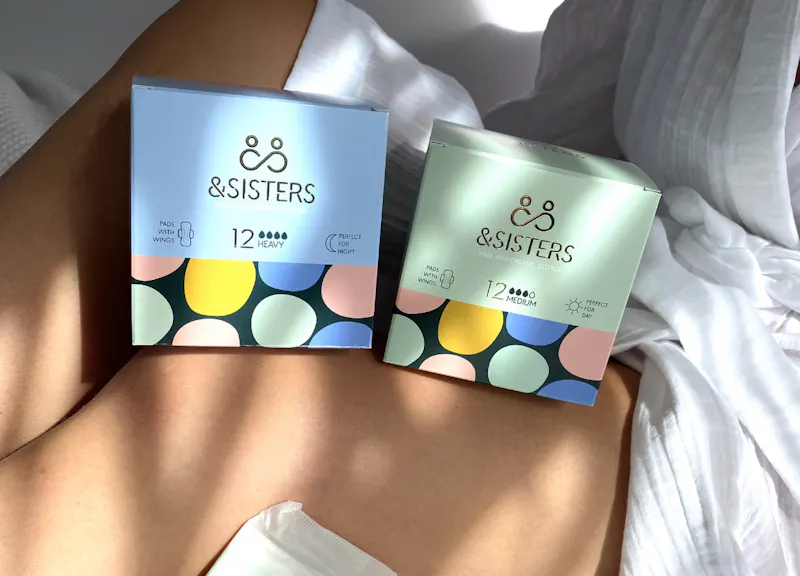
A UK-based, women-owned B Corp offering the highest ethical standard in menstrual care. This bulk 'Sisterhood' bundle features GOTS organic cotton tampons and pads with RSPO-segregated inputs, ensuring zero deforestation.
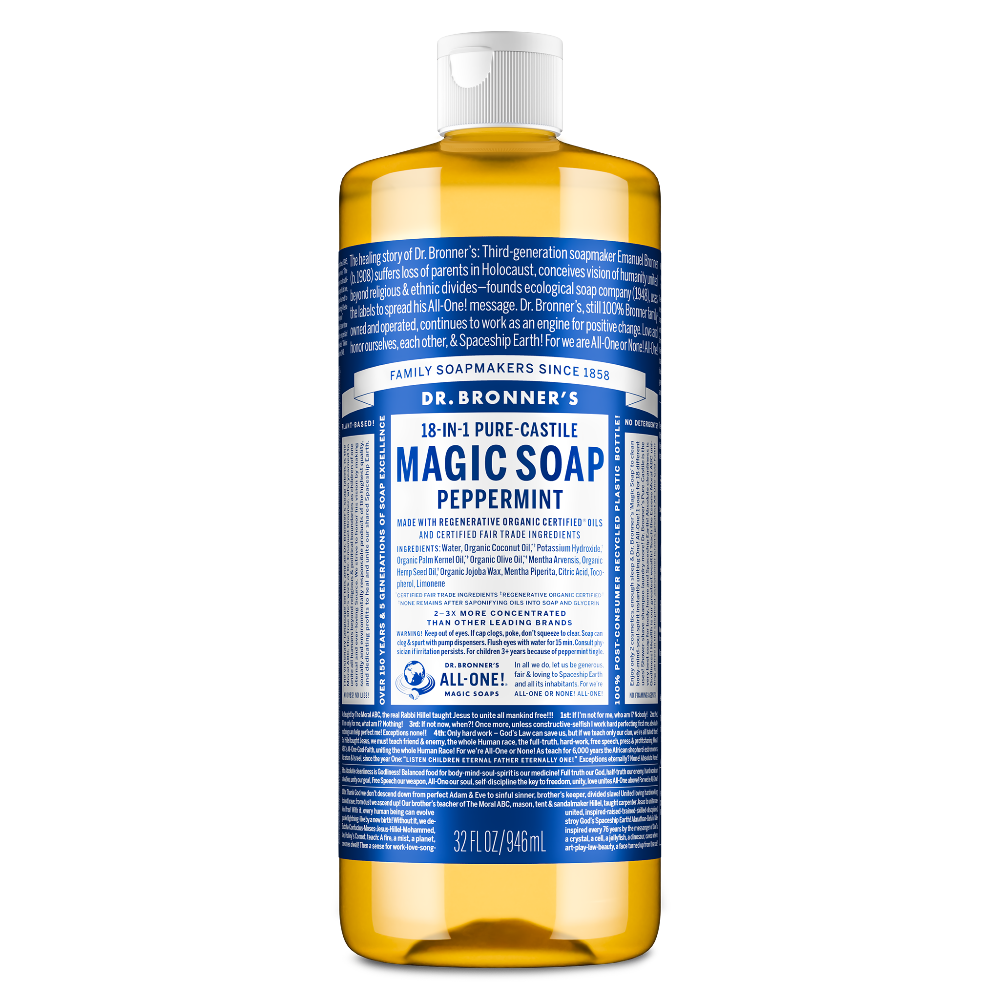
The gold standard of ethical cleaning. A highly concentrated, multi-surface liquid soap made from organic oils and fair trade ingredients in 100% PCR packaging.

The gold standard of ethical soaps, featuring regenerative organic palm oil and a legacy of fair-trade advocacy and radical transparency.
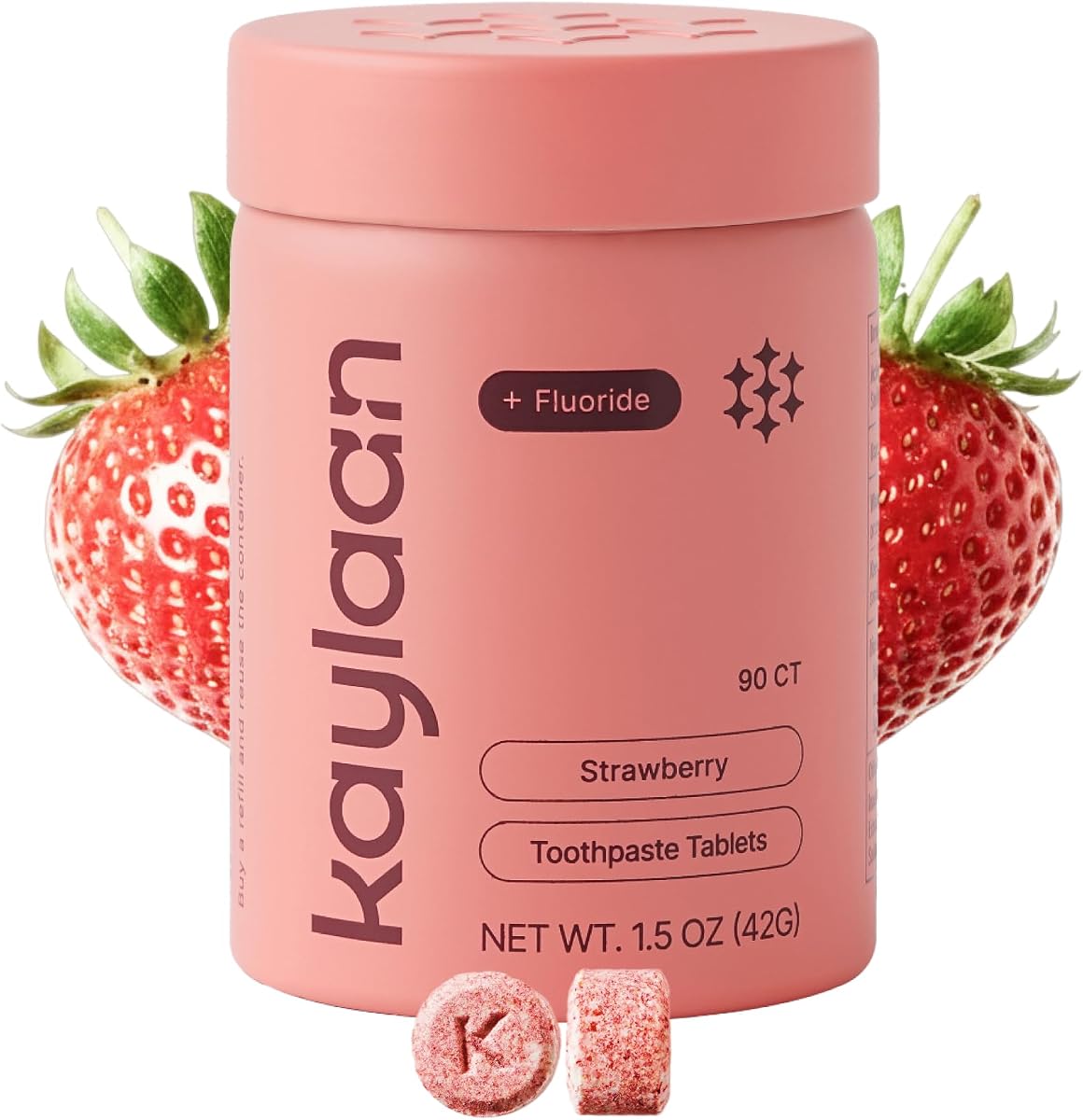
A zero-waste oral care system consisting of fluoride-free tablets in a refillable glass jar, featuring ingredients sourced from ethical Eastern European partners.

A high-potency, carbon-extracted rosehip oil designed specifically for sensitive skin, backed by rigorous B Corp standards and organic agricultural sourcing.
More on Darphin
Is Darphin ethical? FAQs
Is Darphin cruelty-free?+
Darphin states it does not test on animals except where required by local laws, such as in China, where its parent company Estée Lauder operates.
Does Darphin have vegan products?+
Darphin does not offer a dedicated vegan product line; many products contain animal-derived ingredients like beeswax and honey.
Does Darphin sell in mainland China?+
Selling through mainland Chinese retail has historically triggered post-market animal testing.
What is Darphin's ethics score?+
We don't score any Darphin products yet, so there is no ethics score. The signals above come from the brand profile and the sources listed on this page.
What are the best alternatives to Darphin?+
Higher-scoring alternatives include Dr. Bronner's 18-in-1 Pure-Castile Soap (Travel Size) by Dr. Bronner's, RSPO-Segregated Organic Intimate Care & Menstrual Set by &SISTERS, Dr. Bronner's Pure-Castile Liquid Soap (Peppermint) by Dr. Bronner's.