Is Dior ethical and cruelty-free?
Not really — Dior fails 2 of the 4 ethics signals we track, including its animal-testing position, and holds no third-party certification we can verify.
Dior, owned by LVMH, is a luxury fashion and beauty brand with some sustainability pledges and a partial ban on animal testing, but lacks comprehensive third-party certifications and faces scrutiny over sourcing transparency and parent company practices.
The evidence, signal by signal
Cruelty-freeflagged
Dior does not test on animals except where required by law, which includes sales in China where post‑2021 regulations partially exempt ordinary cosmetics.
Vegan optionsunverified
Dior does not have a dedicated vegan product line; some individual items may be vegan but the brand does not label them.
Sells in mainland Chinaflagged
Selling through mainland Chinese retail has historically triggered post-market animal testing.
Third-party certifiedunverified
We don't track any of this brand's products yet, so product-level certifications are unchecked.
Public pledges: By 2025, 100% packaging from FSC/PEFC certified sources; 85% recycled glass in perfume bottles (achieved 2023); 30% water reduction by 2025 (base 2019).
Scored with our public methodology. Profile last updated 2026-09-23.
Research notes on Dior
Compiled from the brand's own statements and the public sources listed below, last reviewed 2026-09-23. We don't stock Dior products, so nothing here is checked against product records.
Overview
Dior (Christian Dior SE) is a French luxury goods company founded in 1946, specializing in haute couture, ready-to-wear, leather goods, accessories, and beauty products (including skincare, makeup, and fragrances). Since 1988, Dior has been part of LVMH Moët Hennessy Louis Vuitton, the world’s largest luxury conglomerate. The brand is known for its iconic silhouettes, the ‘New Look’, and its flagship perfume ‘Miss Dior’. Dior operates globally, including in China, and markets itself as a steward of French heritage and craftsmanship. However, its ethical profile is mixed: while it has made sustainability commitments and banned animal testing (except where required by law), it lacks independent certifications, and its supply chain transparency remains limited.
Certifications
Dior does not hold widely recognized third-party certifications such as B Corp, Fair Trade, Leaping Bunny, or Vegan Society certification for its beauty line. Some Dior skincare products bear the ‘Cruelty Free International’ Leaping Bunny logo on certain markets (e.g., UK, EU), but this is not applied globally. The brand is not certified organic (no USDA Organic or COSMOS labels). LVMH has its own ‘LIFE 360’ (LVMH Initiatives For the Environment) program, but this is an internal framework, not an independent certification. Dior’s jewelry and watches do not carry Kimberley Process certification for conflict diamonds (they claim compliance but not third-party audited).
Animal testing & vegan range
Dior states it does not test finished products or ingredients on animals, except where required by law (e.g., China’s pre‑2021 regulations). Since 2021, China has removed mandatory animal testing for imported ‘ordinary’ cosmetics, but Dior continues to sell in China, and its policy remains conditional. Dior is not a vegan brand—many products contain beeswax, lanolin, carmine, silk, or other animal-derived ingredients. Dior does not offer a dedicated vegan product line, though some individual products (e.g., certain lipsticks, foundations) may be vegan by formulation. The brand does not provide a clear vegan list on its website.
Sustainability pledges
Dior’s parent company LVMH launched the ‘LIFE 360’ strategy in 2020, aiming for 100% eco‑design by 2030, 100% of strategic raw materials certified by 2026, and 50% renewable energy by 2026. Dior has specific commitments: by 2023, 85% of its perfume bottles were made from recycled glass; by 2025, all packaging will be made from sustainably managed forests (FSC or PEFC certified). Dior also pledges to reduce water consumption in its production by 30% (base year 2019). The brand has introduced refillable fragrance bottles (e.g., Sauvage) and uses organic ingredients in some skincare lines (e.g., ‘Rose N’Roses’). However, critics note that LVMH’s overall carbon footprint rose by 12% between 2020 and 2022, and Dior’s individual emissions data are not disclosed.
Sourcing & labor
Dior sources cashmere from Inner Mongolia, silk from China, and leather from European tanneries (some audited by leather working groups). The brand is a member of the Leather Working Group (LWG) and claims to use 100% traceable leather by 2025. For cotton and linen, it relies on non‑certified sources. Labor practices: Dior states it follows International Labour Organization (ILO) standards and conducts audits of its own facilities, but supply chain audits for subcontractors are less transparent. In 2022, a report by the NGO ‘Stand.earth’ criticized LVMH for failing to ensure living wages in its supply chain. Dior has no public commitment to paying a living wage across its entire value chain.
Controversies context
Dior has not been at the center of major scandals, but there are recurring criticisms: 1) Animal testing ambiguity—selling in China while claiming ‘cruelty‑free’ is considered misleading by many animal rights groups. 2) Over‑packaging—Dior’s luxury boxes and ribbons are often non‑recyclable. 3) Cultural appropriation concerns—e.g., 2022 ‘Sauvage’ campaign featuring Indigenous iconography was accused of stereotyping. No definitive boycott or legal action has emerged, but Dior’s record is not pristine.
Bottom line
Dior is making incremental sustainability efforts (recycled glass, refillables, FSC packaging) but lags behind peers like Gucci (Gucci Equilibrium) or L’Occitane (B Corp certified). Its lack of external certification, conditional animal‑testing policy, and opaque supply chain mean it cannot be recommended for fully ethical shoppers. Choose Dior if luxury image outweighs ethics; avoid if you prioritize cruelty‑free, vegan, or certified sustainable products.
Better-scoring alternatives to Dior
Same categories, higher ethics scores, verified certifications.

The ultimate multi-tasker for minimalist hosts; one bottle can wash hands, body, hair, and even dishes.
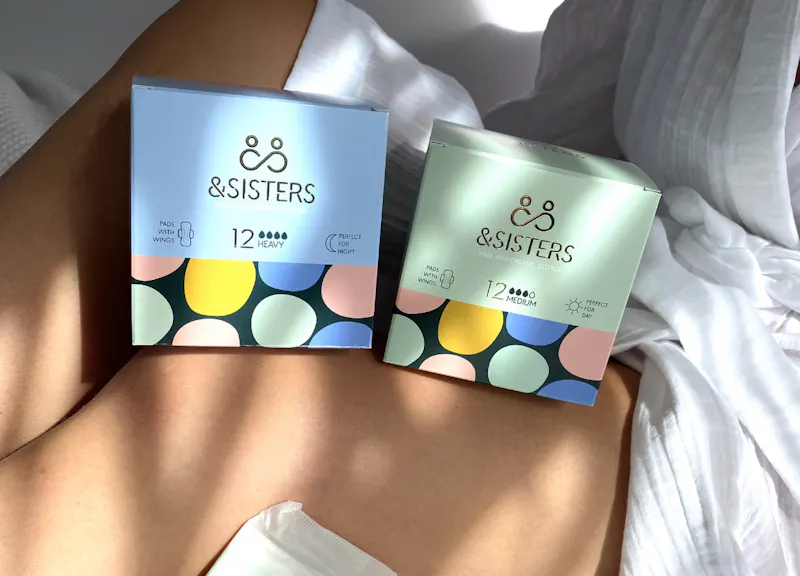
A UK-based, women-owned B Corp offering the highest ethical standard in menstrual care. This bulk 'Sisterhood' bundle features GOTS organic cotton tampons and pads with RSPO-segregated inputs, ensuring zero deforestation.
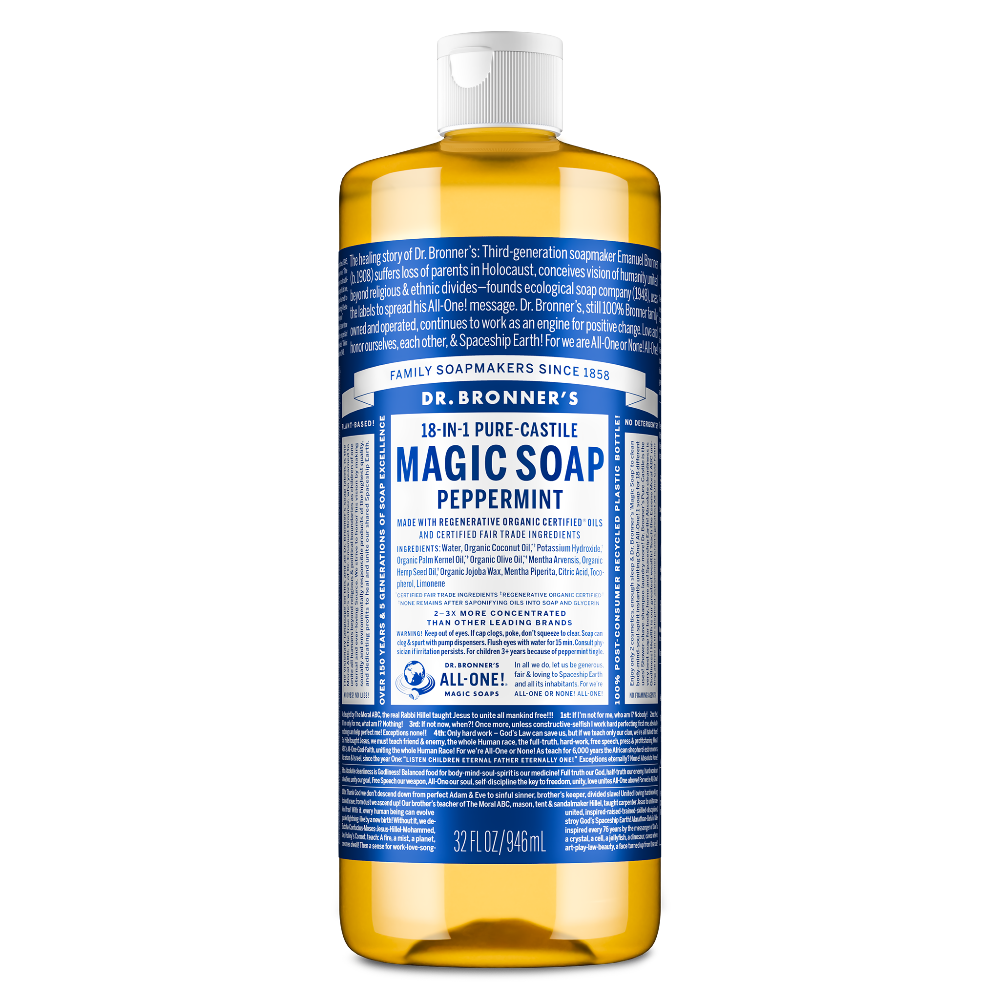
The gold standard of ethical cleaning. A highly concentrated, multi-surface liquid soap made from organic oils and fair trade ingredients in 100% PCR packaging.

The gold standard of ethical soaps, featuring regenerative organic palm oil and a legacy of fair-trade advocacy and radical transparency.
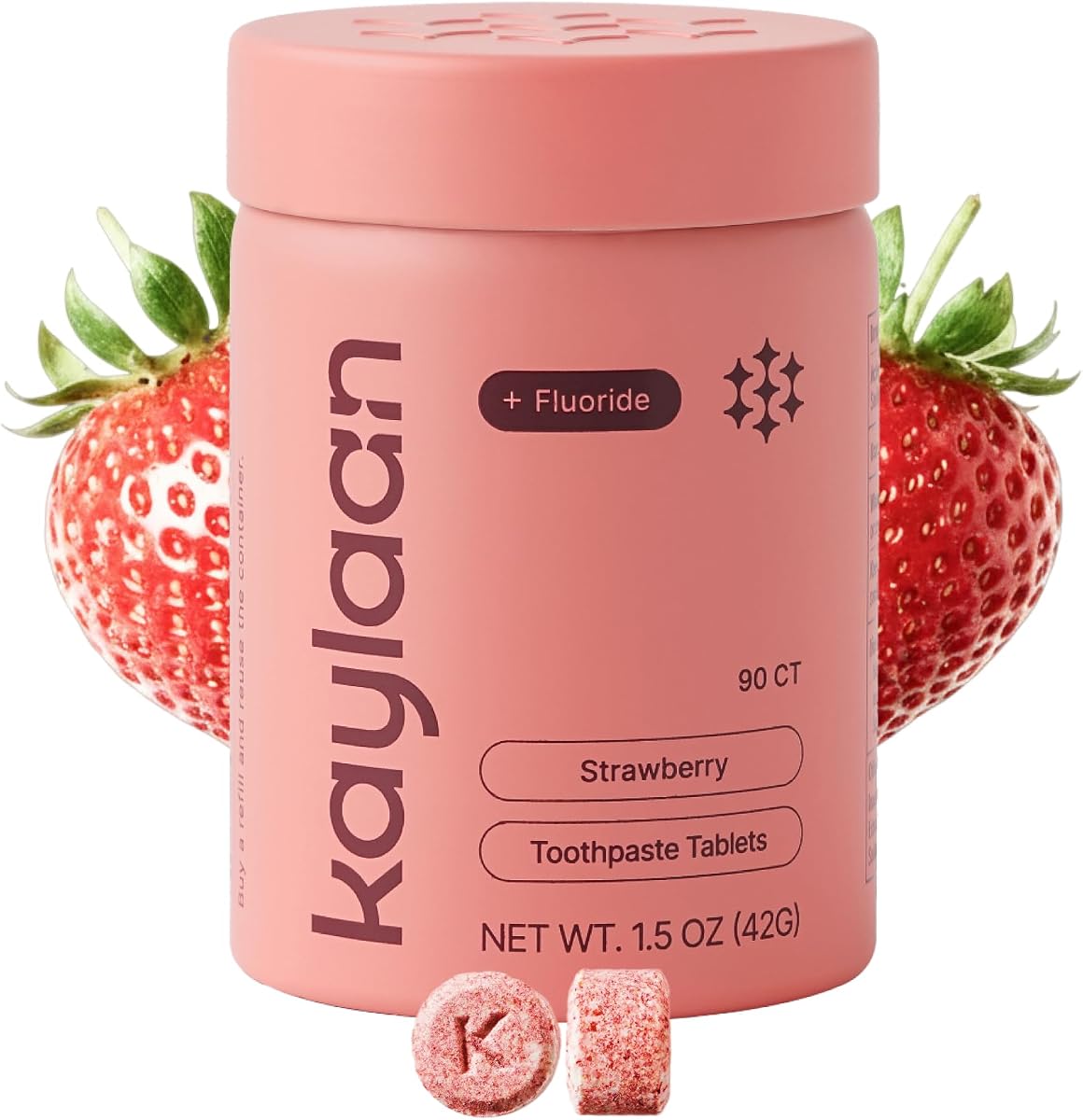
A zero-waste oral care system consisting of fluoride-free tablets in a refillable glass jar, featuring ingredients sourced from ethical Eastern European partners.

A high-potency, carbon-extracted rosehip oil designed specifically for sensitive skin, backed by rigorous B Corp standards and organic agricultural sourcing.
More on Dior
Is Dior ethical? FAQs
Is Dior cruelty-free?+
Dior does not test on animals except where required by law, which includes sales in China where post‑2021 regulations partially exempt ordinary cosmetics.
Does Dior have vegan products?+
Dior does not have a dedicated vegan product line; some individual items may be vegan but the brand does not label them.
Does Dior sell in mainland China?+
Selling through mainland Chinese retail has historically triggered post-market animal testing.
What is Dior's ethics score?+
We don't score any Dior products yet, so there is no ethics score. The signals above come from the brand profile and the sources listed on this page.
What are the best alternatives to Dior?+
Higher-scoring alternatives include Dr. Bronner's 18-in-1 Pure-Castile Soap (Travel Size) by Dr. Bronner's, RSPO-Segregated Organic Intimate Care & Menstrual Set by &SISTERS, Dr. Bronner's Pure-Castile Liquid Soap (Peppermint) by Dr. Bronner's.