Is DKNY ethical and cruelty-free?
Not really — DKNY fails 2 of the 4 ethics signals we track, including its animal-testing position, and holds no third-party certification we can verify.
DKNY is a contemporary American fashion brand owned by G-III Apparel Group, known for its urban aesthetic. While it lacks high-profile sustainability certifications and has a mixed ethical track record, there are no major controversies, and the brand has made some modest commitments toward sustainability and labor compliance.
The evidence, signal by signal
Cruelty-freeflagged
DKNY does not have a publicly stated animal testing policy; parent company G-III has not confirmed a ban on animal testing for its fragrance or cosmetic ingredient suppliers.
Vegan optionsunverified
No dedicated vegan range; some individual products may be vegan but are not labeled as such.
Sells in mainland Chinaflagged
Selling through mainland Chinese retail has historically triggered post-market animal testing.
Third-party certifiedunverified
We don't track any of this brand's products yet, so product-level certifications are unchecked.
Public pledges: G-III Apparel Group has set targets for 100% sustainable materials by 2030, zero hazardous chemical discharge, and reduced emissions, but lacks third-party verification.
Scored with our public methodology. Profile last updated 2026-09-21.
Research notes on DKNY
Compiled from the brand's own statements and the public sources listed below, last reviewed 2026-09-21. We don't stock DKNY products, so nothing here is checked against product records.
Overview
DKNY (Donna Karan New York) was founded in 1984 by Donna Karan and is now owned by G-III Apparel Group, a publicly traded company. The brand is known for its casual, urban-chic clothing, accessories, and fragrances. DKNY operates globally, with products sold in department stores, standalone stores, and online. As a mass-market brand, it faces scrutiny over labor practices and environmental impact, but has not been the subject of major scandals. The brand's ethical profile is mixed: it participates in some industry initiatives but lacks independent certifications or a fully transparent supply chain.
Certifications
DKNY does not hold any major third-party certifications such as B Corp, Fair Trade, GOTS, or OEKO-TEX. The brand’s parent company, G-III Apparel, is a member of the Sustainable Apparel Coalition (SAC) and uses the Higg Index for sustainability measurement, but these are internal tools rather than external certifications. No specific product lines carry eco-labels. The brand has not obtained animal welfare certifications (e.g., Leaping Bunny, PETA-approved).
Animal Testing & Vegan Range
DKNY does not explicitly state a complete ban on animal testing for its products, but as a fashion brand primarily selling apparel and accessories, its animal testing exposure is limited to leather, wool, and down materials. The brand does offer some vegan-friendly products (e.g., synthetic bags and shoes), but there is no dedicated vegan range or certification. For its fragrances, DKNY likely relies on ingredient suppliers; G-III has not made a public statement about animal testing in cosmetics. Therefore, its policy is unclear, and consumers seeking cruelty-free fashion should look for explicit labeling.
Sustainability Pledges
G-III Apparel Group has published a Corporate Social Responsibility (CSR) report outlining goals such as reducing greenhouse gas emissions, water usage, and waste. DKNY specifically has introduced some eco-conscious collections using recycled materials (e.g., recycled nylon) but these are limited. The brand has committed to the Zero Discharge of Hazardous Chemicals (ZDHC) program and aims for 100% sustainable materials by 2030 per G-III’s targets. However, progress reporting is opaque, and there is no third-party verification of these pledges.
Sourcing & Labor
DKNY products are manufactured in multiple countries, including China, Vietnam, Bangladesh, and others. G-III Apparel states compliance with its Code of Conduct aligned with ILO standards, and conducts audits through third parties such as Sedex and SLCP. However, the brand has not published a full factory list or disclosed all suppliers. Labor rights groups have raised concerns about working conditions in garment factories in Bangladesh and India, but specific grievances against DKNY are not documented. The brand’s overall labor transparency is rated as 'limited' by ethical fashion databases.
Controversies Context
There are no major controversies on record specifically tied to DKNY. However, as a fast-fashion-adjacent brand operating in high-risk sourcing regions, it faces systemic industry issues such as low wages, excessive water use, and textile waste. Critics note that the brand has not faced public boycotts or lawsuits, but its lack of transparency could be considered a reputational risk. The parent company, G-III, has been criticized by some investors for slow progress on environmental targets.
Bottom Line
DKNY is a mainstream brand with some initial steps toward sustainability but without rigorous certifications or fully transparent supply chains. For ethically conscious consumers, it falls behind dedicated sustainable brands. It is a reasonable choice if you prioritize style and affordability and are comfortable with incremental industry progress, but it does not currently meet higher ethical standards expected by certified sustainable fashion companies.
Better-scoring alternatives to DKNY
Same categories, higher ethics scores, verified certifications.

The ultimate multi-tasker for minimalist hosts; one bottle can wash hands, body, hair, and even dishes.
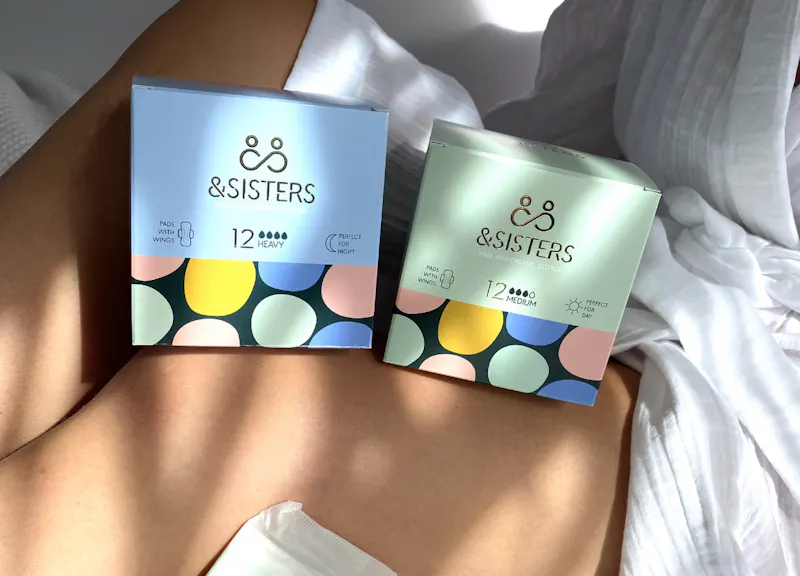
A UK-based, women-owned B Corp offering the highest ethical standard in menstrual care. This bulk 'Sisterhood' bundle features GOTS organic cotton tampons and pads with RSPO-segregated inputs, ensuring zero deforestation.
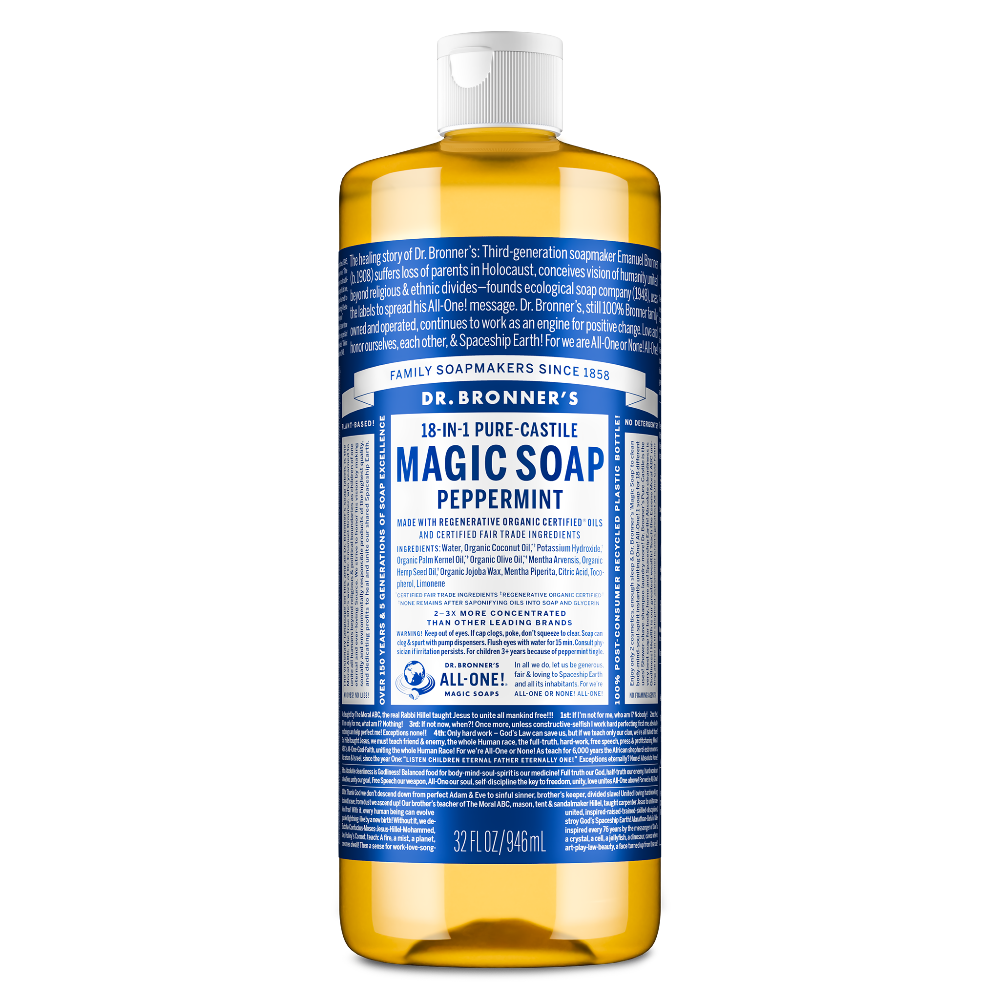
The gold standard of ethical cleaning. A highly concentrated, multi-surface liquid soap made from organic oils and fair trade ingredients in 100% PCR packaging.

The gold standard of ethical soaps, featuring regenerative organic palm oil and a legacy of fair-trade advocacy and radical transparency.
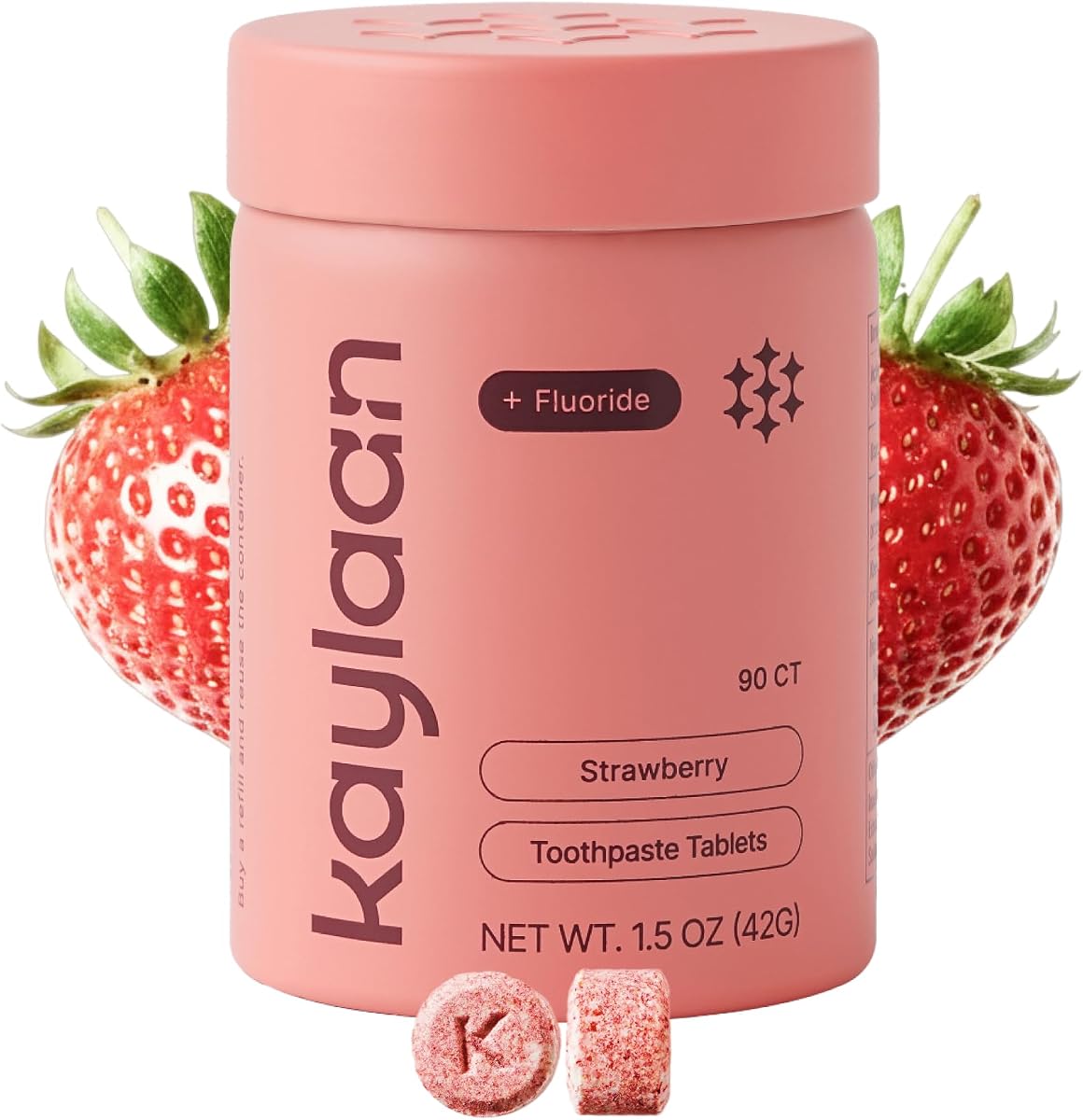
A zero-waste oral care system consisting of fluoride-free tablets in a refillable glass jar, featuring ingredients sourced from ethical Eastern European partners.

A high-potency, carbon-extracted rosehip oil designed specifically for sensitive skin, backed by rigorous B Corp standards and organic agricultural sourcing.
More on DKNY
Is DKNY ethical? FAQs
Is DKNY cruelty-free?+
DKNY does not have a publicly stated animal testing policy; parent company G-III has not confirmed a ban on animal testing for its fragrance or cosmetic ingredient suppliers.
Does DKNY have vegan products?+
No dedicated vegan range; some individual products may be vegan but are not labeled as such.
Does DKNY sell in mainland China?+
Selling through mainland Chinese retail has historically triggered post-market animal testing.
What is DKNY's ethics score?+
We don't score any DKNY products yet, so there is no ethics score. The signals above come from the brand profile and the sources listed on this page.
What are the best alternatives to DKNY?+
Higher-scoring alternatives include Dr. Bronner's 18-in-1 Pure-Castile Soap (Travel Size) by Dr. Bronner's, RSPO-Segregated Organic Intimate Care & Menstrual Set by &SISTERS, Dr. Bronner's Pure-Castile Liquid Soap (Peppermint) by Dr. Bronner's.