Is Downy ethical and cruelty-free?
Not really — Downy fails 2 of the 4 ethics signals we track, including its animal-testing position, and holds no third-party certification we can verify.
Downy, a Procter & Gamble brand known for fabric softeners and scent boosters, lacks major ethical certifications and has a limited vegan range, with no explicit animal-testing policy for its finished products but sells in China where post-market animal testing may occur. Its sustainability pledges focus on packaging recyclability and water conservation, though parent-company controversies over palm oil and labor issues persist.
The evidence, signal by signal
Cruelty-freeflagged
P&G does not test finished products on animals except where required by law; Downy is sold in China where post-market animal testing may occur.
Vegan optionsunverified
No vegan range declared; most products appear free of animal ingredients but not certified.
Sells in mainland Chinaflagged
Selling through mainland Chinese retail has historically triggered post-market animal testing.
Third-party certifiedunverified
We don't track any of this brand's products yet, so product-level certifications are unchecked.
Public pledges: P&G pledges 100% recyclable packaging by 2030, 50% reduction in virgin plastic, and 50% GHG reduction; Downy uses concentrated formulas.
Scored with our public methodology. Profile last updated 2026-09-14.
Research notes on Downy
Compiled from the brand's own statements and the public sources listed below, last reviewed 2026-09-14. We don't stock Downy products, so nothing here is checked against product records.
Overview
Downy is a global brand of fabric softeners, dryer sheets, and scent boosters owned by Procter & Gamble (P&G). Founded in 1960, Downy is marketed as delivering softness and long-lasting freshness. While the brand itself does not publish standalone ethical reports, P&G provides corporate sustainability and responsibility disclosures. Downy products are widely available, including in China, where post-market animal testing may be required for imported cosmetics and household products. The brand has no major controversies directly tied to Downy, but P&G has faced criticism over palm oil sourcing, plastic waste, and labor rights in supply chains.
Certifications
Downy products are not certified by major third-party ethical or environmental labels. No Downy items carry certifications such as Leaping Bunny, Cruelty Free International, Vegan Society, Fair Trade, Rainforest Alliance, or B Corp. P&G participates in industry initiatives like the Roundtable on Sustainable Palm Oil (RSPO), but Downy itself does not hold any independent certification. The absence of certifications limits transparency for ethically conscious consumers.
Animal testing & vegan range
Downy has no official statement on animal testing specific to the brand. P&G states that it does not conduct animal testing on finished products except where required by law (e.g., China). Since Downy is sold in China, where imported household products may be subject to post-market animal testing, the brand cannot be considered cruelty-free. Downy products are primarily synthetic and contain no animal-derived ingredients listed on labels, but the brand does not market a vegan range. Testing policy: Relies on parent company statement; no finished-product testing except where legally mandated; sells in China. Vegan range: None declared; most products appear free of animal ingredients but not verified.
Sustainability pledges
Downy's parent company, P&G, has set sustainability goals that apply to Downy. These include: making 100% of packaging recyclable or reusable by 2030; reducing virgin petroleum-based plastic in packaging by 50% by 2030; and reducing greenhouse gas emissions by 50% by 2030 (from 2010 baseline). Downy has introduced concentrated formulas to reduce water and packaging waste. P&G also partners with environmental NGOs like WWF and the Alliance for Water Stewardship. However, these pledges lack specific timelines for Downy products and are not independently audited. Critics note that Downy's single-use plastic bottles remain a concern despite recyclability claims.
Sourcing & labor
Downy sources raw materials through P&G's supply chain. P&G has policies on sustainable sourcing, including for palm oil, paper, and chemicals. P&G is a member of the RSPO and reports on palm oil traceability, but investigations (e.g., by Greenpeace) have linked P&G's suppliers to deforestation and labor abuses. P&G's Supplier Guiding Principles cover forced labor, child labor, and working conditions, but audits have found violations in some factories. Downy has not been directly implicated, but consumers concerned about labor ethics should scrutinize P&G's broader supply chain. The brand does not publish factory lists or specific labor compliance reports.
Controversies context
No major controversies are directly tied to the Downy brand. However, P&G has faced multiple controversies over the years: a 2020 palm oil boycott threat from activists; a 2022 lawsuit over deceptive recyclability claims (settled); and ongoing criticism over plastic pollution. Downy's air freshener and scent booster lines have also been linked to indoor air quality concerns due to volatile organic compounds (VOCs), though these are not regulated as controversies. Overall, Downy maintains a relatively low profile in ethical consumer scandals, but its parent company's record may concern some buyers.
Bottom line
Downy is a conventional household brand with limited ethical credentials. It offers no cruelty-free or vegan certification, sells in China, and lacks independent sustainability verification. While P&G has corporate-level pledges, these are not product-specific and face credibility challenges. For consumers prioritizing ethics, alternative brands with Leaping Bunny certification, biodegradable formulas, or B Corp status may be preferable. Downy may suit those who prioritize performance over ethics, but it fails to meet most criteria for a ethically high-rated brand.
Better-scoring alternatives to Downy
Same categories, higher ethics scores, verified certifications.

The ultimate multi-tasker for minimalist hosts; one bottle can wash hands, body, hair, and even dishes.
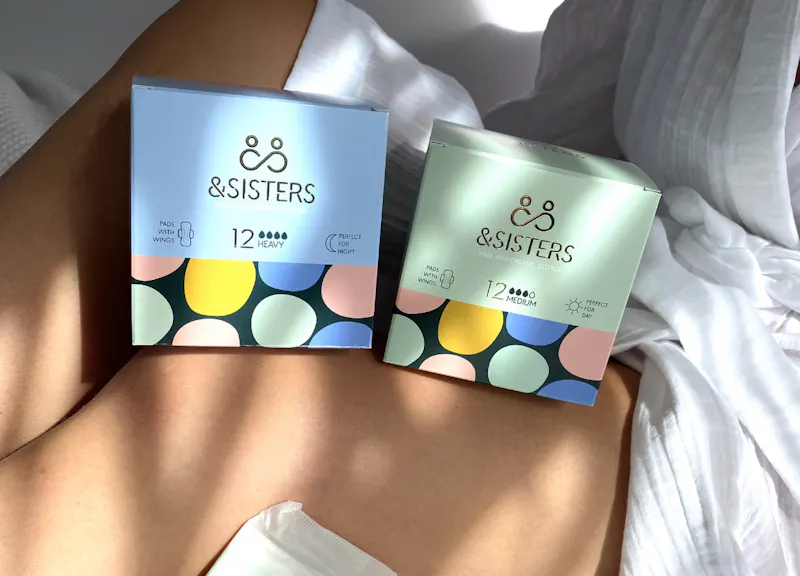
A UK-based, women-owned B Corp offering the highest ethical standard in menstrual care. This bulk 'Sisterhood' bundle features GOTS organic cotton tampons and pads with RSPO-segregated inputs, ensuring zero deforestation.
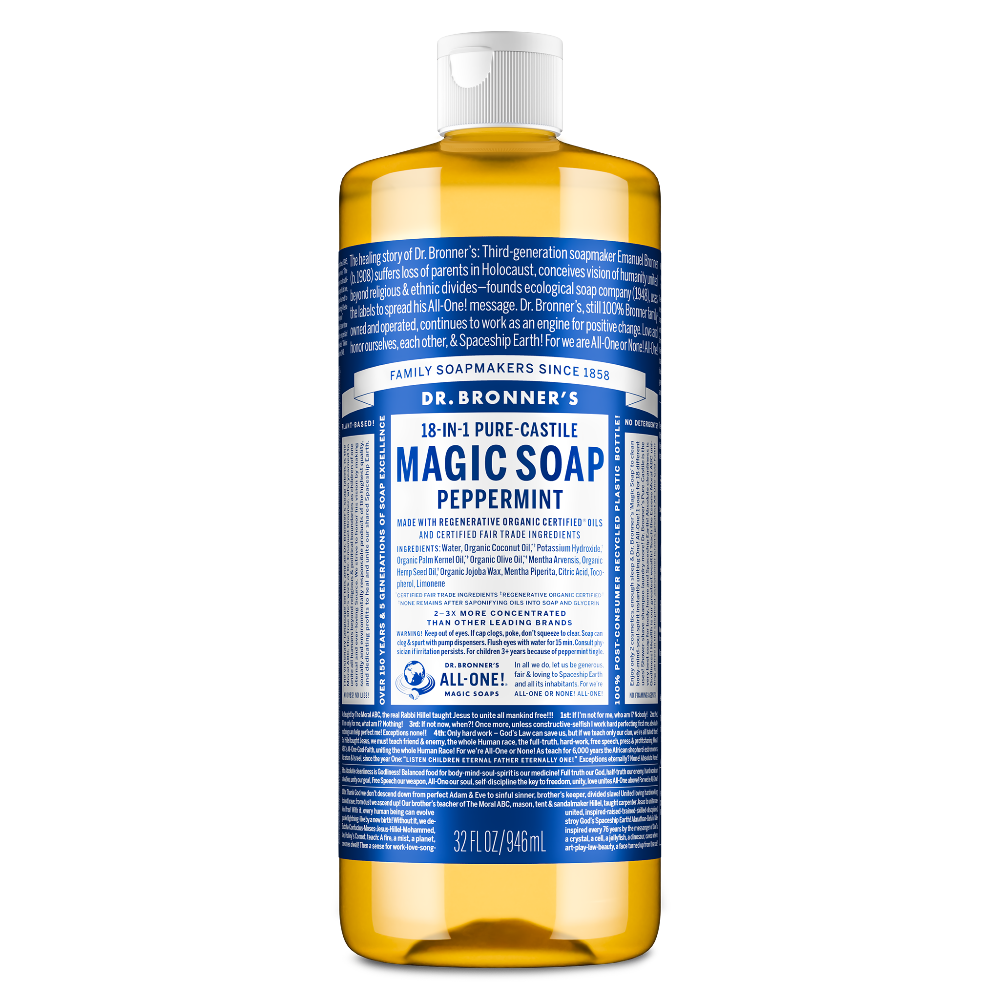
The gold standard of ethical cleaning. A highly concentrated, multi-surface liquid soap made from organic oils and fair trade ingredients in 100% PCR packaging.

The gold standard of ethical soaps, featuring regenerative organic palm oil and a legacy of fair-trade advocacy and radical transparency.
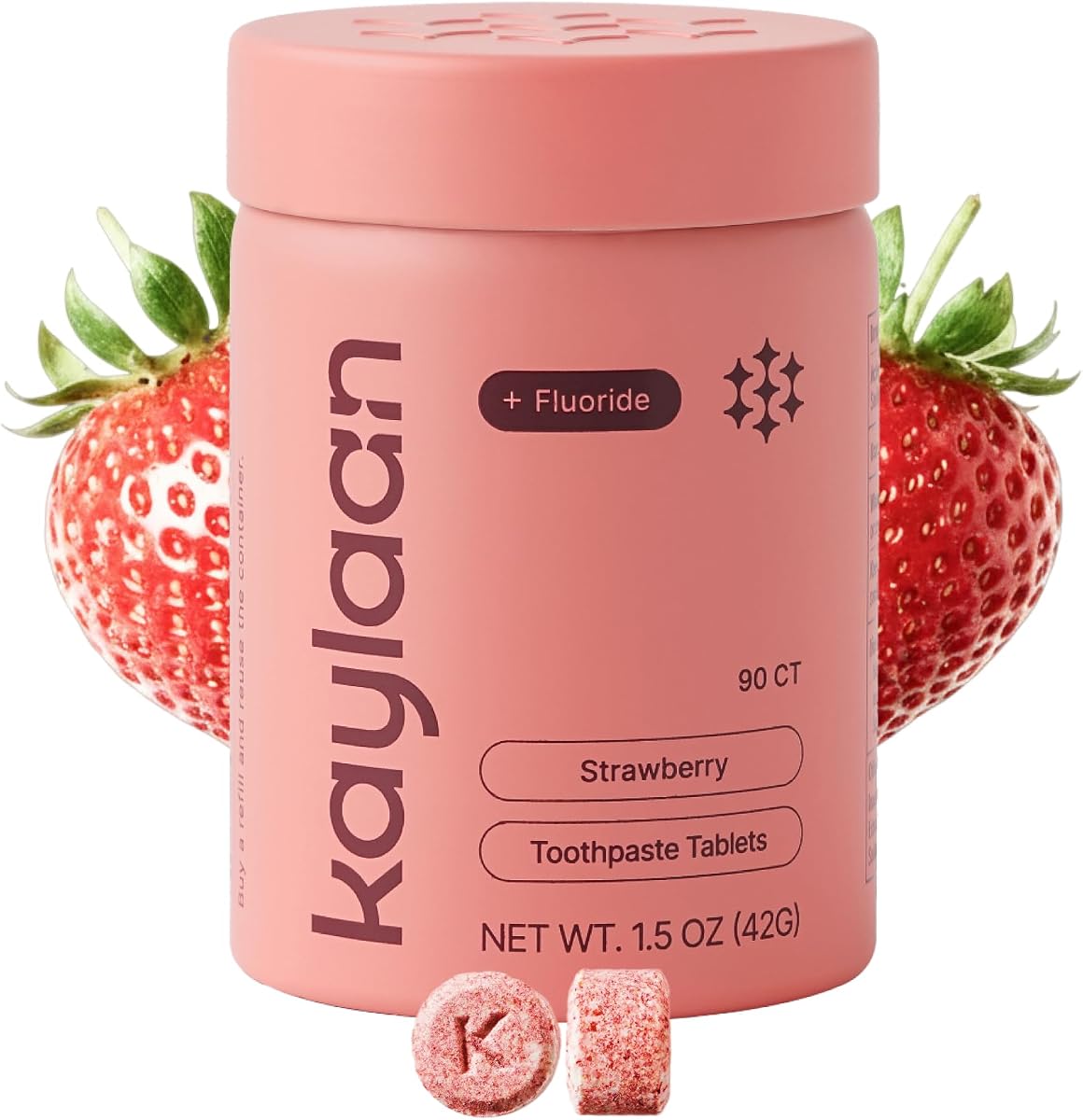
A zero-waste oral care system consisting of fluoride-free tablets in a refillable glass jar, featuring ingredients sourced from ethical Eastern European partners.

A high-potency, carbon-extracted rosehip oil designed specifically for sensitive skin, backed by rigorous B Corp standards and organic agricultural sourcing.
More on Downy
Is Downy ethical? FAQs
Is Downy cruelty-free?+
P&G does not test finished products on animals except where required by law; Downy is sold in China where post-market animal testing may occur.
Does Downy have vegan products?+
No vegan range declared; most products appear free of animal ingredients but not certified.
Does Downy sell in mainland China?+
Selling through mainland Chinese retail has historically triggered post-market animal testing.
What is Downy's ethics score?+
We don't score any Downy products yet, so there is no ethics score. The signals above come from the brand profile and the sources listed on this page.
What are the best alternatives to Downy?+
Higher-scoring alternatives include Dr. Bronner's 18-in-1 Pure-Castile Soap (Travel Size) by Dr. Bronner's, RSPO-Segregated Organic Intimate Care & Menstrual Set by &SISTERS, Dr. Bronner's Pure-Castile Liquid Soap (Peppermint) by Dr. Bronner's.