Is Eden Foods ethical and cruelty-free?
Largely yes — we don't stock Eden Foods, but 1 of 4 ethics signals we track are verified in its favour, based on its published policies and third-party certifications.
Eden Foods is a family-owned organic food brand with a strong commitment to traditional food preparation, non-GMO sourcing, and environmental sustainability, but it has faced scrutiny over its stance on seed saving and organic standards.
The evidence, signal by signal
Cruelty-freeunverified
Eden Foods does not conduct animal testing; all products are plant-based and vegan.
Vegan optionsunverified
The entire product line is vegan, using no animal-derived ingredients or by-products.
Sells in mainland Chinaverified
The brand does not sell through channels that require mainland China post-market testing.
Third-party certifiedunverified
We don't track any of this brand's products yet, so product-level certifications are unchecked.
Public pledges: Eden Foods commits to organic sourcing, BPA-free cans, solar energy use, water efficiency, and support for seed-saving initiatives.
Scored with our public methodology. Profile last updated 2026-10-13.
How we reached this verdict on Eden Foods
Each signal is built from the product records and certifications we hold for Eden Foods, its brand profile and the sources that profile lists. Scores are AI-assisted catalogue assessments, not audits, so check the named certificate or policy before relying on it. Where a claim cannot be confirmed from those records, the signal is marked unclear rather than assumed positive.
How to read this page
Four questions decide most ethical-shopping decisions about a brand like Eden Foods. Work through them in order.
- 1Testing: is there third-party cruelty-free certification, and does the brand sell in markets where animal testing can still be required?
- 2Ingredients and materials: vegan formulation is a separate question from cruelty-free, and a brand can be one without the other.
- 3Ownership: a certified brand inside a group that still tests, or that is linked to documented controversies, is a different decision than an independent one.
- 4Packaging and transparency: refills, recycled content and published supplier data are where most brands quietly lose points.
Research notes on Eden Foods
Compiled from the brand's own statements and the public sources listed below, last reviewed 2026-10-13. We don't stock Eden Foods products, so nothing here is checked against product records.
Overview
Eden Foods, founded in 1968 and headquartered in Clinton, Michigan, is a privately held company known for its organic, non-GMO, and traditionally prepared foods such as beans, grains, pastas, and canned goods. The brand emphasizes whole-food integrity, minimal processing, and long-standing relationships with organic farmers. It operates without a parent company, remaining independent and family-owned. Eden Foods has a loyal customer base among health-conscious consumers and is widely distributed in natural food stores across North America.
Certifications
Eden Foods holds multiple third-party certifications that underscore its ethical commitments: USDA Organic (most products), Non-GMO Project Verified (for products containing at-risk ingredients), Certified Kosher (Orthodox Union), and Certified Gluten-Free (for select items). Many of their products also carry the Purity Seal, a proprietary mark indicating no chemical additives. Notably, Eden was a pioneer in using BPA-free can linings, and all Eden canned goods are packaged in cans with a non-BPA lining—a commitment that predates industry-wide shifts.
Animal Testing & Vegan Range
Eden Foods does not conduct animal testing on its products, as it produces only plant-based foods. The entire product line is vegan (no meat, dairy, eggs, honey, or other animal-derived ingredients), making it fully suitable for vegans and vegetarians. The company explicitly states on its website that it does not use any animal products or by-products in its manufacturing processes.
Sustainability Pledges
Eden Foods has a long-standing commitment to environmental sustainability, including: sourcing organic ingredients to support regenerative agriculture; using renewable energy in its Michigan facility (solar panels installed in 2015); reducing packaging waste through bulk options and recyclable materials; and implementing a closed-loop water system in its bean-soaking process. The brand also supports seed-saving initiatives and has a policy against using genetically modified organisms (GMOs) in any of its products. However, its public sustainability goals are less quantified than many larger brands, relying more on traditional practices than formal carbon-reduction targets.
Sourcing & Labor
Eden Foods sources ingredients primarily from organic farms in North America, with a focus on direct relationships with farmers. The company claims to pay fair prices to growers and prioritizes long-term contracts. However, Eden has not published a formal fair trade certification or detailed supplier labor audits. In 2013, the company controversially sued the U.S. Department of Agriculture over a requirement to cover contraception in employee health insurance (under the Affordable Care Act), citing religious objections. This lawsuit raised questions about its stance on employee healthcare and reproductive rights, though it does not directly relate to sourcing or labor from a supply chain perspective.
Controversies Context
The most significant controversy involving Eden Foods revolves around its lawsuit against the ACA contraception mandate. The company argued religious freedom (the founder is Catholic) against providing contraceptive coverage, ultimately losing the case. This event led to boycotts from some progressive consumers. Beyond this, no major ethical controversies on record exist—no child labor, forced labor, or environmental violations have been publicly reported. The brand’s seed-saving stance (supporting farmer rights to save seeds) has been praised by organic advocates, though it occasionally conflicts with patent-heavy agricultural practices.
Bottom Line
Eden Foods is a reliable choice for organic, non-GMO, and vegan products with a strong environmental ethic and pioneering BPA-free packaging. Its conservative social stance regarding reproductive rights may deter some ethically minded consumers, but its supply chain transparency and traditional food values appeal to those prioritizing organic integrity and farmer relationships. Overall, it scores high on product ethics and moderate on corporate social policy.
High-scoring food & nutrition picks to compare
Top-scoring products from other brands in the category Eden Foods sells in. A starting point for comparison, not proof that each one beats Eden Foods.

The gold standard for ethical food production, this coconut oil uses regenerative organic practices and fair trade labor to set a benchmark for corporate responsibility.
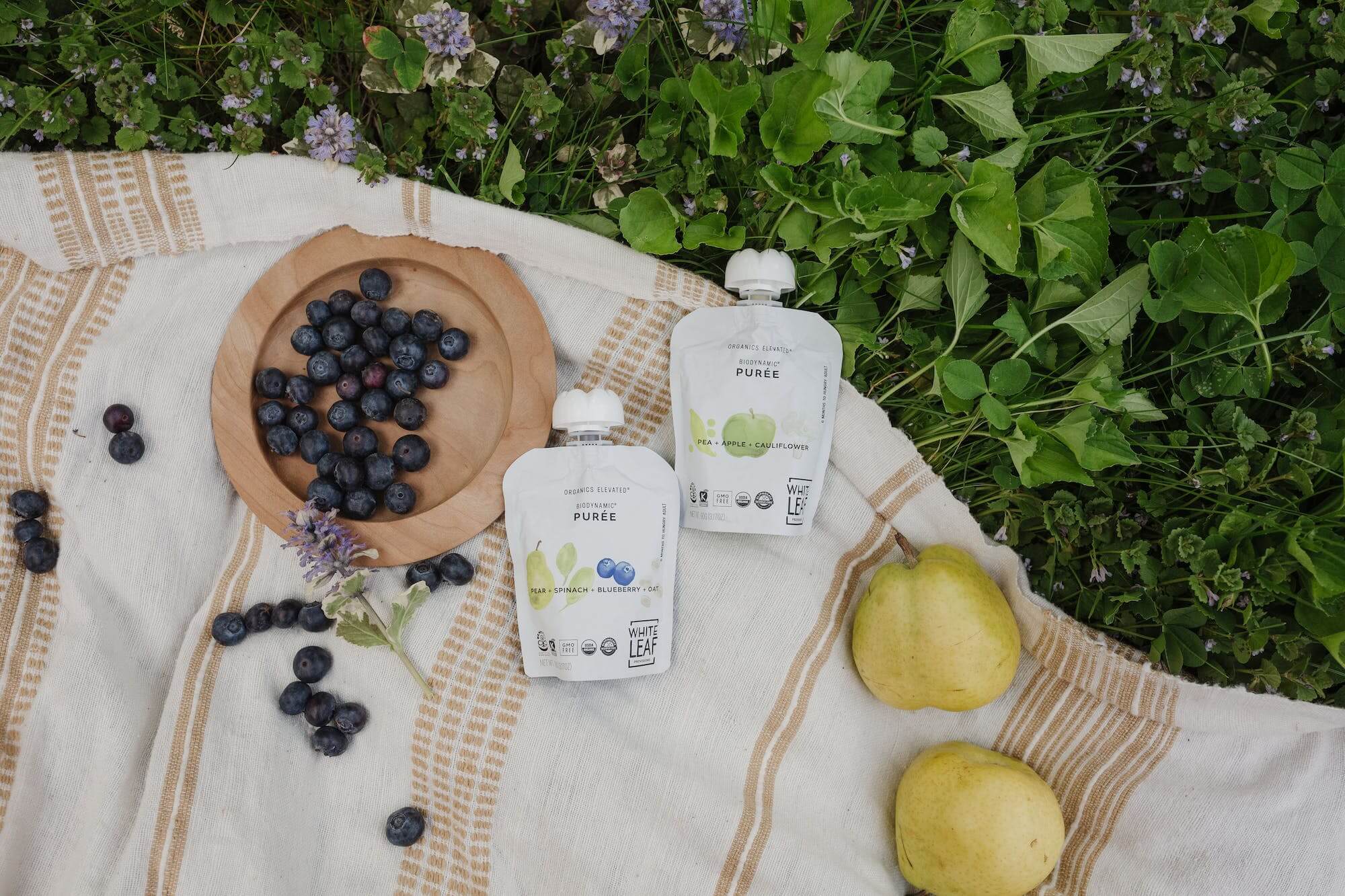
The gold standard in baby food, offering Demeter-certified biodynamic ingredients that exceed organic standards for soil health and purity.

Exquisite heirloom Malagasy cocoa produced entirely at the source in Madagascar. This professional-grade bulk trunk supports direct-trade and lemur habitat conservation.

A dairy-free, palm-oil-free alternative to mainstream hazelnut spreads, crafted in Italy with high-quality organic ingredients.

A nutrient-dense heirloom grain sourced through fully transparent supply chains that support regenerative farming practices in the Peruvian Andes.

A carbon-negative, regenerative ghee sourced from indigenous Hallikar cows in India, perfect for high-heat off-grid cooking and long-term pantry storage.
More on Eden Foods
What the score looks at
Each 0–100 score is an AI-assisted catalogue assessment with five recorded dimensions, not a fixed-weight calculation or an audit. Brands cannot buy a position, and a missing disclosure limits what can be assessed rather than being assumed positive.
Animal welfare
Third-party cruelty-free and vegan certification, animal-derived inputs, testing policy in every market the brand sells in.
Materials & sourcing
Organic, recycled or regenerative inputs, traceability to farm or mill, deforestation and biodiversity risk.
Labour & human rights
Living-wage commitments, published supplier lists, audit results and remediation, Fair Trade certification.
Packaging & waste
Recycled content, plastic intensity, refill or take-back options, real end-of-life recyclability.
Transparency
Public reporting, verifiable claims, parent-company disclosure and how quickly the brand answers questions.
Reading the score
Leader
80–100
Multiple independent certifications, published supply chain, credible reductions.
Strong
65–79
Solid certified core with one weak pillar, usually packaging or labour disclosure.
Mixed
50–64
Real progress in places, significant gaps elsewhere — read the detail before buying.
Weak
0–49
Little verified evidence, or an ownership structure that contradicts the marketing.
Six checks for any ethical purchase
A ranking gets you to a shortlist; these checks tell you whether a specific product is right for your household. Work through them in order — the first two rule out most greenwashing on their own.
Buying checklist
- Check the certification, not the adjective: a logo from Leaping Bunny, Vegan Society, GOTS, Fair Trade or B Corp is auditable; the words "natural" and "clean" are not.
- Look up the parent company — a certified brand owned by a group that still tests where the law requires it is a different decision than an independent one.
- Read the full ingredient or material list, not the front-of-pack claim; a single animal-derived or high-impact input can undo the rest.
- Prefer refills, concentrates and take-back schemes: packaging is usually the fastest win in this category.
- Compare cost per use rather than shelf price, including dose, refill costs and how long you will actually use the item.
- Buy the thing you will actually finish or wear a hundred times; the lowest-impact purchase is still the one you do not replace.
Is Eden Foods ethical? FAQs
Is Eden Foods cruelty-free?+
Eden Foods does not conduct animal testing; all products are plant-based and vegan.
Does Eden Foods have vegan products?+
The entire product line is vegan, using no animal-derived ingredients or by-products.
Does Eden Foods sell in mainland China?+
The brand does not sell through channels that require mainland China post-market testing.
What is Eden Foods' ethics score?+
We don't score any Eden Foods products yet, so there is no ethics score. The signals above come from the brand profile and the sources listed on this page.
What are the best alternatives to Eden Foods?+
High-scoring food & nutrition products to compare include Dr. Bronner’s Whole Kernel Virgin Coconut Oil by Dr. Bronner's, Biodynamic Veggie & Grain Pouch Variety Pack (24-Pack) by White Leaf Provisions, Luxury Single-Origin Dark Chocolate Professional Collection - 20kg Chef's Trunk by Beyond Good.