Is Giorgio Armani Beauty ethical and cruelty-free?
Not really — Giorgio Armani Beauty fails 2 of the 4 ethics signals we track, including its animal-testing position, and holds no third-party certification we can verify.
Giorgio Armani Beauty, a luxury cosmetics brand under the L’Oréal Group, lacks independent ethical certifications and is not fully cruelty-free due to its parent company’s selective compliance with China’s animal-testing requirements, though it offers some vegan products and has made incremental sustainability pledges.
The evidence, signal by signal
Cruelty-freeflagged
Giorgio Armani Beauty does not conduct animal testing, but parent company L’Oréal sells in China where post-market animal testing is legally required.
Vegan optionsunverified
Limited; some products labeled vegan, but no dedicated vegan line or certification.
Sells in mainland Chinaflagged
Selling through mainland Chinese retail has historically triggered post-market animal testing.
Third-party certifiedunverified
We don't track any of this brand's products yet, so product-level certifications are unchecked.
Public pledges: Commitment to eliminate virgin plastic by 2030 and participation in L’Oréal’s 'Sharing Beauty With All' program.
Scored with our public methodology. Profile last updated 2026-09-20.
Research notes on Giorgio Armani Beauty
Compiled from the brand's own statements and the public sources listed below, last reviewed 2026-09-20. We don't stock Giorgio Armani Beauty products, so nothing here is checked against product records.
Overview
Giorgio Armani Beauty is a prestige cosmetics and fragrance line launched in 2000 and owned by the French conglomerate L’Oréal Group. Known for its high-end skincare, makeup, and the Acqua di Gio and Si fragrances, the brand markets a refined, aspirational image. However, from an ethical standpoint, public information reveals gaps in transparency and commitments. The brand is not certified cruelty-free by major organizations (e.g., Leaping Bunny or PETA) and, due to L’Oréal’s business practices, its products are sold in mainland China, where animal testing is legally required for imported cosmetics. While the Armani brand has announced some environmental goals, it lags behind industry leaders in verified sustainability practices and labor transparency.
Certifications
Giorgio Armani Beauty holds no independent third-party certifications for cruelty-free, organic, vegan, or fair-trade status. L’Oréal’s parent company has been criticized for selling in China—where post-market animal testing can occur—which precludes any official cruelty-free certification. The brand does not display Leaping Bunny, PETA Beauty Without Bunnies, Vegan Action, or B-Corp badges on its packaging or website. Its luxury positioning means most products are synthetic or semi-synthetic, but no certification verifies natural ingredient claims.
Animal Testing & Vegan Range
The brand states it does not test on animals for its own products, but because it is sold in China via retail stores and e-commerce platforms, it may be subject to China’s mandatory animal-testing regulations. L’Oréal claims to use alternative methods where possible but does not guarantee a complete ban across all markets. As such, Giorgio Armani Beauty is not considered cruelty-free by most standards. A small number of products (e.g., Lip Maestro) are labeled vegan on the Armani website, but the brand does not maintain a dedicated vegan range or list of vegan-certified items. Fragrances often contain animal-derived musk or beeswax.
Sustainability Pledges
In 2020, Giorgio Armani announced a commitment to phase out virgin plastic from packaging by 2030, and the brand’s Àcqua for Life initiative provides clean water in developing countries. L’Oréal’s “Sharing Beauty With All” program sets targets for reducing water consumption, carbon emissions, and waste. However, these are grouped under the corporate umbrella, and Armani-specific metrics are not independently audited. Eco-designed refills exist for select fragrances and skincare, but luxury packaging remains heavily multi-material and non-recyclable. No carbon-neutral or plastic-neutral claims are third-party verified.
Sourcing & Labor
Giorgio Armani Beauty sources ingredients globally, including mica and palm oil derivatives, which are linked to ethical supply chain risks. L’Oréal has a Responsible Sourcing policy and audits suppliers, but no public conflict-minerals or child-labor risk assessments specific to Armani. The brand’s labor practices in manufacturing (mostly in France and Italy) are generally in line with EU regulations, but it does not publish a factory list or living wage commitments. Luxury status often implies high standards, but transparency is low compared to brands like Lush or The Body Shop.
Controversies Context
No major public controversies are associated with Giorgio Armani Beauty. There have been no scandals related to toxic ingredients, mislabeling, or discrimination. However, the brand’s animal-testing situation is frequently flagged by consumer advocacy groups (e.g., Cruelty-Free Kitty) due to its China presence. Environmentalists have noted that luxury brands generally overuse single-use paper and plastic, but Armani has not faced significant backlash. The parent company L’Oréal has had past controversies (e.g., inadequate response to China testing, mica sourcing issues), but those do not directly arise from the Armani line.
Bottom Line
Giorgio Armani Beauty is a standard luxury brand with aspirational marketing and some eco-minded goals, but it fails to meet strict ethical criteria for cruelty-free, vegan, or sustainable operation. Consumers seeking fully ethical products should look to brands with third-party certifications and a verified no-animal-testing policy worldwide. For Armani to improve, it would need to exit China’s animal-testing market, obtain a recognized cruelty-free certification, expand vegan offerings, and provide transparent, audited supply-chain data.
Better-scoring alternatives to Giorgio Armani Beauty
Same categories, higher ethics scores, verified certifications.

The ultimate multi-tasker for minimalist hosts; one bottle can wash hands, body, hair, and even dishes.
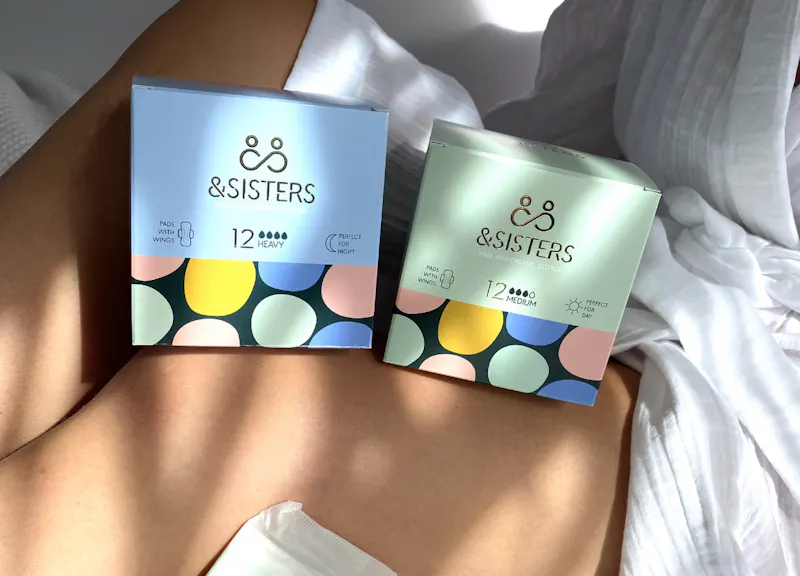
A UK-based, women-owned B Corp offering the highest ethical standard in menstrual care. This bulk 'Sisterhood' bundle features GOTS organic cotton tampons and pads with RSPO-segregated inputs, ensuring zero deforestation.
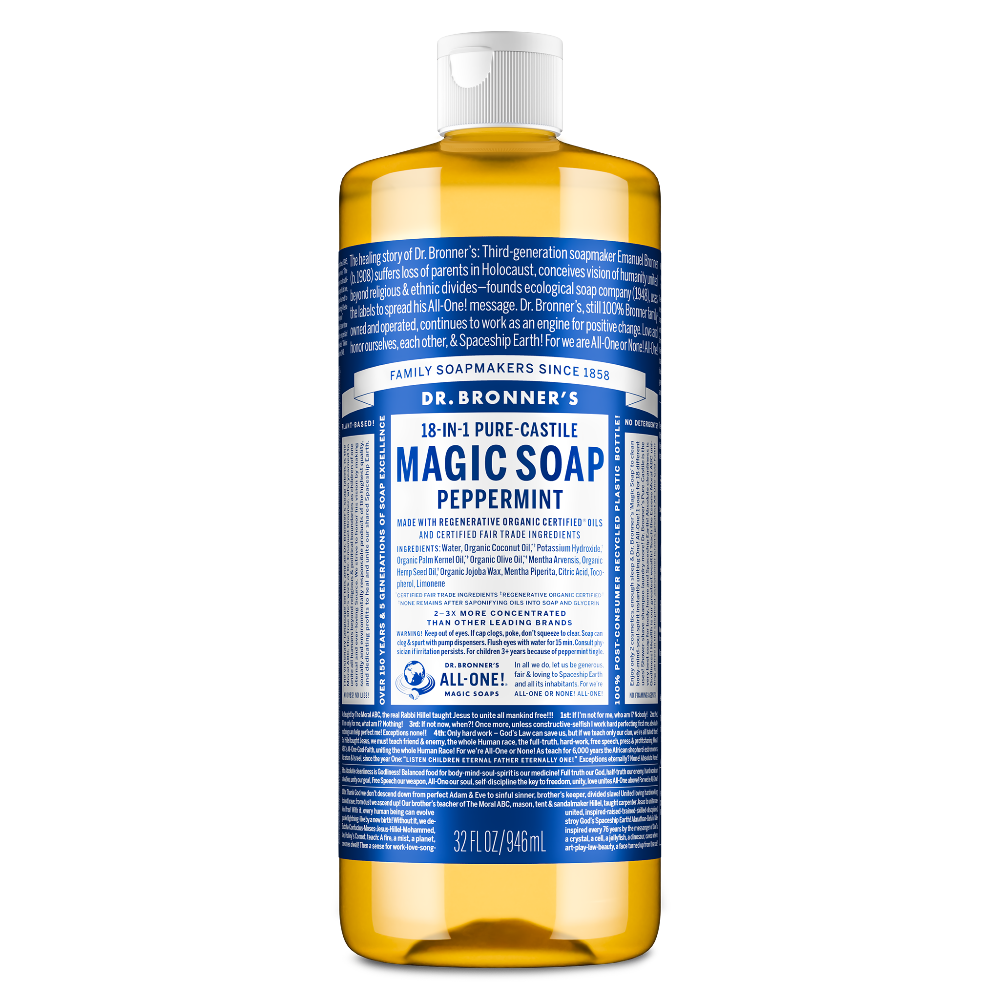
The gold standard of ethical cleaning. A highly concentrated, multi-surface liquid soap made from organic oils and fair trade ingredients in 100% PCR packaging.

The gold standard of ethical soaps, featuring regenerative organic palm oil and a legacy of fair-trade advocacy and radical transparency.
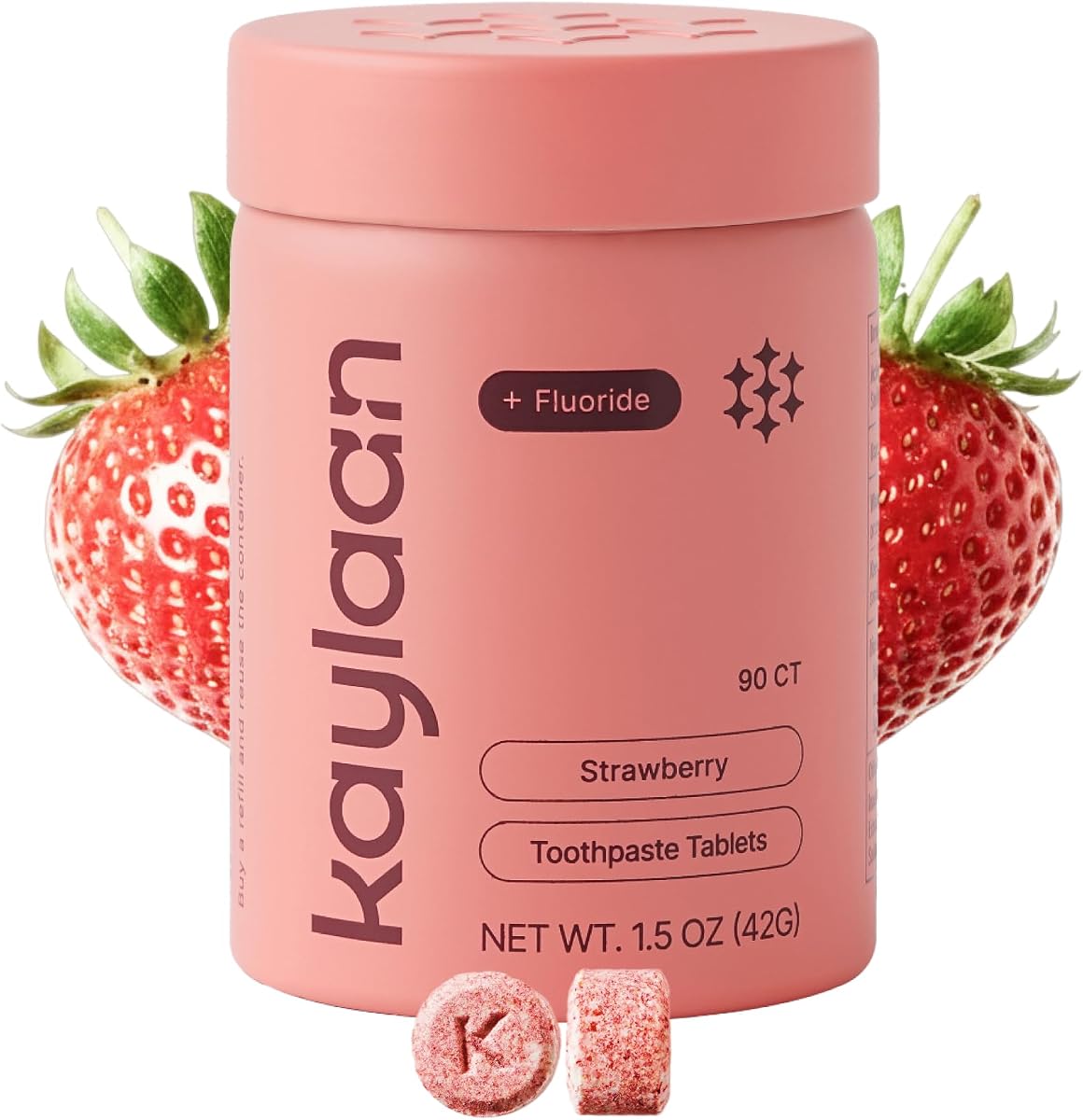
A zero-waste oral care system consisting of fluoride-free tablets in a refillable glass jar, featuring ingredients sourced from ethical Eastern European partners.

A high-potency, carbon-extracted rosehip oil designed specifically for sensitive skin, backed by rigorous B Corp standards and organic agricultural sourcing.
More on Giorgio Armani Beauty
Is Giorgio Armani Beauty ethical? FAQs
Is Giorgio Armani Beauty cruelty-free?+
Giorgio Armani Beauty does not conduct animal testing, but parent company L’Oréal sells in China where post-market animal testing is legally required.
Does Giorgio Armani Beauty have vegan products?+
Limited; some products labeled vegan, but no dedicated vegan line or certification.
Does Giorgio Armani Beauty sell in mainland China?+
Selling through mainland Chinese retail has historically triggered post-market animal testing.
What is Giorgio Armani Beauty's ethics score?+
We don't score any Giorgio Armani Beauty products yet, so there is no ethics score. The signals above come from the brand profile and the sources listed on this page.
What are the best alternatives to Giorgio Armani Beauty?+
Higher-scoring alternatives include Dr. Bronner's 18-in-1 Pure-Castile Soap (Travel Size) by Dr. Bronner's, RSPO-Segregated Organic Intimate Care & Menstrual Set by &SISTERS, Dr. Bronner's Pure-Castile Liquid Soap (Peppermint) by Dr. Bronner's.