Is Glade ethical and cruelty-free?
Not really — Glade fails 2 of the 4 ethics signals we track, including its animal-testing position, and holds no third-party certification we can verify.
Glade, a brand owned by SC Johnson, is a widely recognized home fragrance and cleaning product line with limited ethical certifications and no record of major controversies, though its parent company has faced scrutiny over environmental and labor practices in the past.
The evidence, signal by signal
Cruelty-freeflagged
SC Johnson does not test finished products on animals unless required by law, but it has not adopted a blanket ban and its products are sold in China where post-market animal testing may occur.
Vegan optionsunverified
Glade does not offer a designated vegan line, and products may contain animal-derived ingredients.
Sells in mainland Chinaflagged
Selling through mainland Chinese retail has historically triggered post-market animal testing.
Third-party certifiedunverified
We don't track any of this brand's products yet, so product-level certifications are unchecked.
Public pledges: SC Johnson aims to reduce virgin plastic by 10% by 2025 and uses some PCR packaging for Glade, but the brand lacks third-party eco-certifications.
Scored with our public methodology. Profile last updated 2026-09-13.
Research notes on Glade
Compiled from the brand's own statements and the public sources listed below, last reviewed 2026-09-13. We don't stock Glade products, so nothing here is checked against product records.
Overview
Glade is a home fragrance brand launched in 1956 and owned by SC Johnson, a family-controlled multinational corporation based in the United States. The brand is best known for its candles, air fresheners, sprays, and plug-in diffusers, sold globally in supermarkets and drugstores. While Glade itself has not been the subject of high-profile ethical scandals, its positioning in the ethical consumer space is complicated by its parent company's mixed record on sustainability, animal testing, and ingredient transparency. SC Johnson publicly touts its commitment to transparency through its 'What's Inside' program, which lists fragrance ingredients—a step beyond what many competitors offer. However, Glade products often contain synthetic fragrances and phthalates, which raise concerns for health-conscious and eco-minded consumers. The brand lacks major third-party certifications (e.g., B Corp, Leaping Bunny, or USDA Organic) and does not position itself as a natural or organic line. For consumers seeking verified cruelty-free, vegan, or low-environmental-impact products, Glade may not be the first choice, though it remains a widely accessible, affordable option.
Certifications
Glade products do not carry any major independent ethical certifications such as Leaping Bunny, Cruelty Free International, Vegan Action, or B Corp. SC Johnson has its own internal 'Greenlist' ingredient screening system, but this is not a verified third-party certification. Some Glade products—like the 'Glade Clean' line—may be marketed with limited ingredient claims, but no formal eco-label (e.g., EU Ecolabel, Green Seal, EWG Verified) is consistently present. This lack of independent verification makes it difficult for strict ethical consumers to trust environmental or animal welfare claims at a glance.
Animal testing & vegan range
SC Johnson states that it does not test finished products on animals 'unless required by law' and that it conducts 'no animal testing for the vast majority of its products.' However, the company has not committed to a blanket ban on animal testing and continues to sell products in China, where post-market animal testing can be mandated for imported cosmetics and household products. Glade does not market a dedicated vegan product line, and many scented products may contain animal-derived ingredients (e.g., beeswax in candles, lanolin derivatives, or animal-based stearic acid in some fragrance formulations). The brand is not certified cruelty-free by any major organization.
Sustainability pledges
SC Johnson has made several corporate-level sustainability commitments, including a goal to reduce virgin plastic use by 10% by 2025, and to increase the use of post-consumer recycled (PCR) plastic in packaging. Specific to Glade, some spray bottles are now made with PCR materials. The company also participates in the 'How2Recycle' labeling program. However, Glade's aerosol sprays use propellants, and its single-use fragrance products (e.g., disposable plug-ins) contribute to plastic and electronic waste. SC Johnson's 'Greenlist' system rates raw materials on environmental and human health impacts, but the system is self-administered and lacks public audit transparency. Overall, Glade's environmental footprint remains significant relative to brands using natural, biodegradable, or plastic-free packaging.
Sourcing & labor
SC Johnson publishes a 'Supplier Code of Conduct' and claims to audit factories for labor rights, child labor, and working conditions. The company is a member of the Sustainable Packaging Coalition and reports on supply chain human rights risks. However, Glade's raw materials—including synthetic fragrances, palm oil derivatives, and plastic components—are sourced globally, and SC Johnson has faced criticism from NGOs (e.g., Mighty Earth) regarding palm oil deforestation in its supply chain. In response, the company joined the Roundtable on Sustainable Palm Oil and claims to source 100% RSPO-certified palm oil via mass balance. For child labor or forced labor, SC Johnson states zero tolerance, but public disclosure of factory-level audits is limited.
Controversies context
No major scandals have been directly tied to Glade in recent years. SC Johnson has had past legal challenges: in 2019, it reached a settlement with the EPA over alleged violations of the Clean Air Act related to its 'Greenlist' claims. Additionally, some of its household products have been linked to volatile organic compound (VOC) emissions. However, these issues are not specific to Glade and have not resulted in long-term brand damage. The brand's primary ethical weakness is the lack of third-party verification, not overt misconduct. That said, consumers concerned with synthetic chemicals, plastic waste, or animal testing may still want to avoid Glade on principle.
Bottom line
Glade is a mainstream, low-cost brand that offers convenience and broad availability but falls short for ethical consumers prioritizing certified cruelty-free, vegan, or sustainable products. Its parent company has taken steps toward transparency and sustainability, but independent certification is absent, and the brand's reliance on synthetic ingredients and single-use packaging is a drawback. For those who prioritize low cost and basic functionality and are satisfied with SC Johnson's self-reported claims, Glade remains accessible. For committed ethically-minded shoppers, better options exist among certified B Corps, Leaping Bunny–approved brands, or plastic-free alternatives.
Better-scoring alternatives to Glade
Same categories, higher ethics scores, verified certifications.

The ultimate multi-tasker for minimalist hosts; one bottle can wash hands, body, hair, and even dishes.
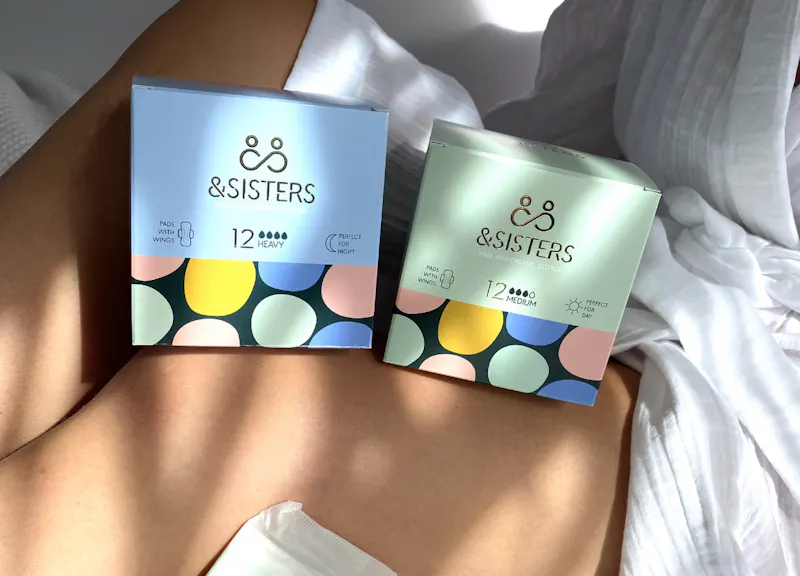
A UK-based, women-owned B Corp offering the highest ethical standard in menstrual care. This bulk 'Sisterhood' bundle features GOTS organic cotton tampons and pads with RSPO-segregated inputs, ensuring zero deforestation.
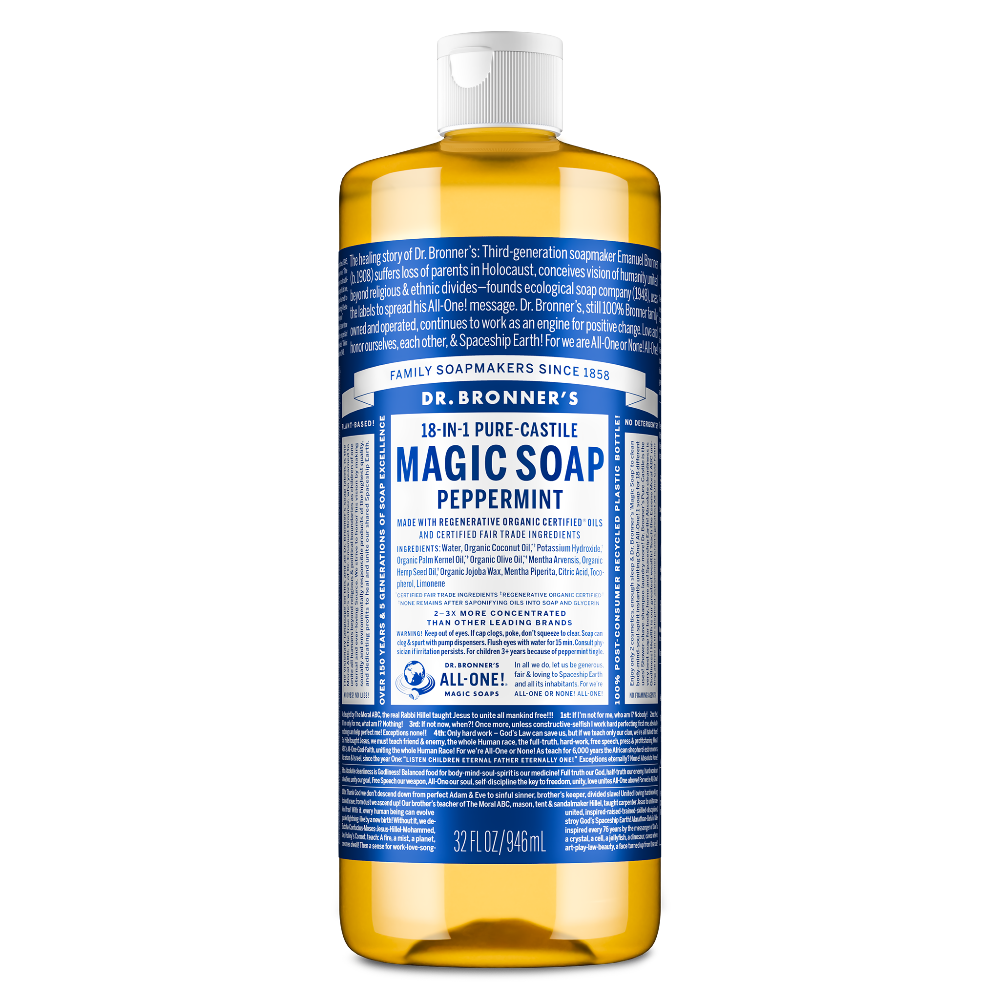
The gold standard of ethical cleaning. A highly concentrated, multi-surface liquid soap made from organic oils and fair trade ingredients in 100% PCR packaging.

The gold standard of ethical soaps, featuring regenerative organic palm oil and a legacy of fair-trade advocacy and radical transparency.
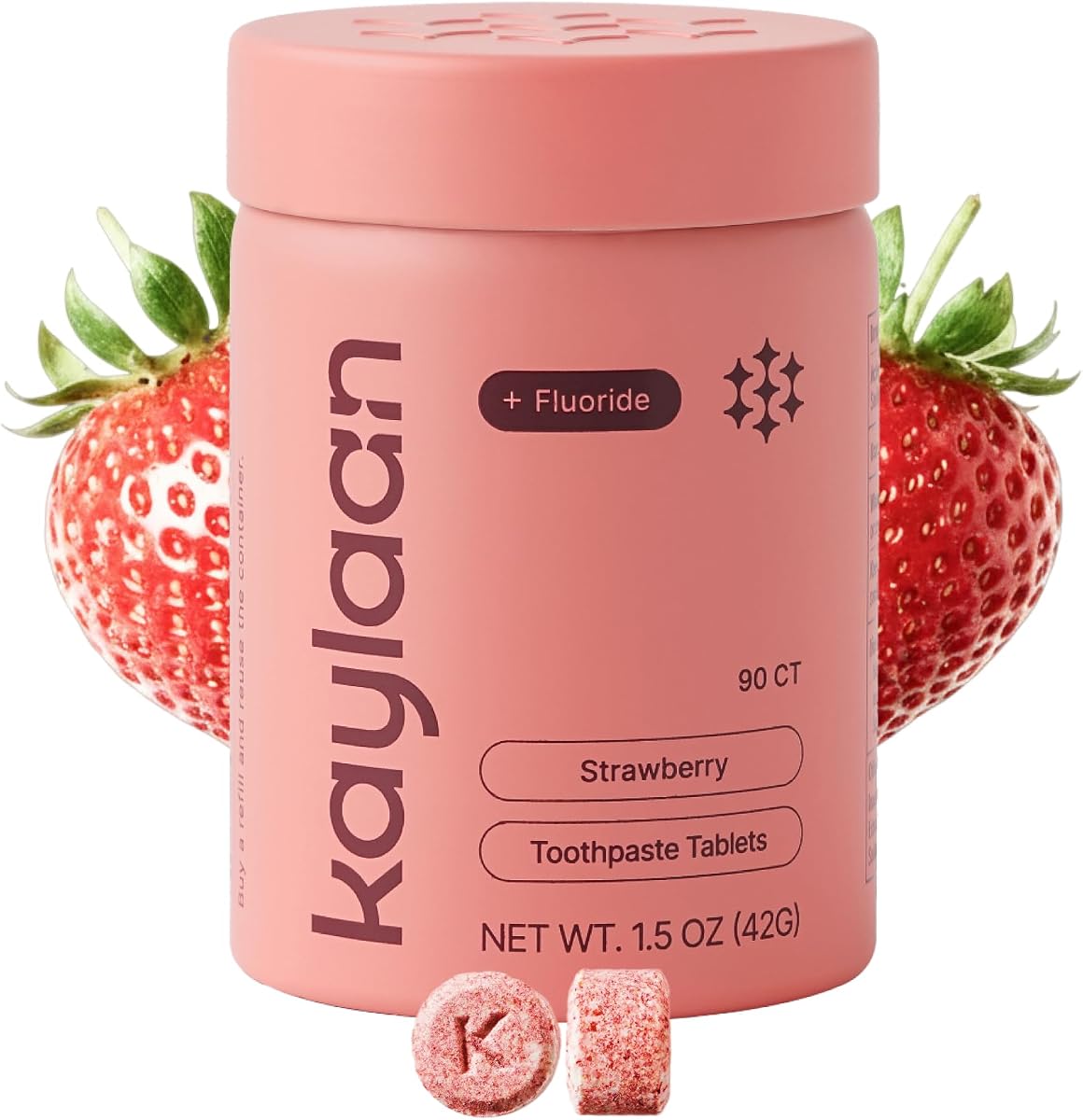
A zero-waste oral care system consisting of fluoride-free tablets in a refillable glass jar, featuring ingredients sourced from ethical Eastern European partners.

A high-potency, carbon-extracted rosehip oil designed specifically for sensitive skin, backed by rigorous B Corp standards and organic agricultural sourcing.
More on Glade
Is Glade ethical? FAQs
Is Glade cruelty-free?+
SC Johnson does not test finished products on animals unless required by law, but it has not adopted a blanket ban and its products are sold in China where post-market animal testing may occur.
Does Glade have vegan products?+
Glade does not offer a designated vegan line, and products may contain animal-derived ingredients.
Does Glade sell in mainland China?+
Selling through mainland Chinese retail has historically triggered post-market animal testing.
What is Glade's ethics score?+
We don't score any Glade products yet, so there is no ethics score. The signals above come from the brand profile and the sources listed on this page.
What are the best alternatives to Glade?+
Higher-scoring alternatives include Dr. Bronner's 18-in-1 Pure-Castile Soap (Travel Size) by Dr. Bronner's, RSPO-Segregated Organic Intimate Care & Menstrual Set by &SISTERS, Dr. Bronner's Pure-Castile Liquid Soap (Peppermint) by Dr. Bronner's.