Is GlamGlow ethical and cruelty-free?
Not really — GlamGlow fails 2 of the 4 ethics signals we track, including its animal-testing position, and holds no third-party certification we can verify.
GlamGlow, a prestige skincare brand known for its clinical-meets-natural mud treatments and flashy packaging, is owned by the Estée Lauder Companies and has no major ethical controversies on record. However, it lacks independent certifications and public sustainability targets, and its parent company sells in China, which subjects the brand to mandatory animal testing for distribution there.
The evidence, signal by signal
Cruelty-freeflagged
GlamGlow states it does not test on animals, but parent company Estée Lauder distributes in China where government-mandated animal testing is required for imported cosmetics.
Vegan optionsunverified
Some formulas are vegan-friendly, but no separate vegan line or third-party certification.
Sells in mainland Chinaflagged
Selling through mainland Chinese retail has historically triggered post-market animal testing.
Third-party certifiedunverified
We don't track any of this brand's products yet, so product-level certifications are unchecked.
Public pledges: No published sustainability targets or recycling programs specific to GlamGlow; parent company has broader ESG goals.
Scored with our public methodology. Profile last updated 2026-09-20.
Research notes on GlamGlow
Compiled from the brand's own statements and the public sources listed below, last reviewed 2026-09-20. We don't stock GlamGlow products, so nothing here is checked against product records.
Overview
GlamGlow was launched in 2010 by Shannon and Glenn Dellimore, initially as a professional treatment used backstage at fashion shows and in Hollywood. The brand gained a cult following for its instant-effect masks and peels, marketed with a clinical, youth-focused aesthetic. In 2014, GlamGlow was acquired by The Estée Lauder Companies (ELC), a multinational conglomerate that also owns Estée Lauder, Clinique, MAC, and Aveda. Under ELC, GlamGlow expanded globally, including into markets like China where local regulations require animal testing on imported cosmetics. The brand does not hold any major ethical certifications (e.g., Leaping Bunny, Cruelty Free International, B Corp, or Fair Trade) nor does it prominently publish sustainability or labor-sourcing reports. While GlamGlow itself has avoided scandals, its ethical profile is defined by its parent company’s policies and market practices.
Certifications
GlamGlow is not certified by any independent cruelty-free, vegan, or sustainability organization. It does not appear on the Leaping Bunny, PETA Beauty Without Bunnies, or Vegan Society lists. The brand does not display B Corp, Fair Trade, or Rainforest Alliance certifications. Its parent company, ELC, has a corporate responsibility framework but does not extend third-party certifications to GlamGlow as a sub-brand.
Animal testing & vegan range
GlamGlow states on its website that it does not test on animals itself, but it relies on a parent company policy that complies with local laws. Estée Lauder Companies sells products in mainland China, where imported cosmetics are subject to mandatory animal testing by government agencies. This means that, while GlamGlow may not conduct animal tests directly, its products are tested on animals to enter the Chinese market. The brand also offers a few vegan-friendly formulas (e.g., the Youthmud Tinglexfoliate Treatment), but does not label its full range as vegan or maintain a separate vegan line. No certification body verifies these claims.
Sustainability pledges
GlamGlow itself has no published sustainability goals, carbon neutrality pledges, or recycling programs. The parent company, Estée Lauder, has a broader sustainability agenda—including reducing greenhouse gas emissions (scope 1 and 2 by 50% by 2030), water conservation, and sustainable packaging sourcing—but GlamGlow’s specific products and marketing do not highlight these initiatives. Many GlamGlow products use plastic packaging with multiple components (outer boxes, jars, lids) that are not fully recyclable in all municipalities. The brand does not offer refill options or participate in take-back programs.
Sourcing & labor
ELC’s Supplier Code of Conduct requires compliance with local labor laws, prohibition of child labor, and safe working conditions. However, GlamGlow does not publicize ingredient sourcing or supplier audits. The brand’s signature ingredients, such as green-tea leaf and French sea clay, are not traceable through third-party certifications. There are no known reports of labor violations in GlamGlow’s supply chain, but transparency is limited compared to brands that publish full ingredient supply chain mapping.
Controversies context
No major controversies or boycotts are on record for GlamGlow. Some consumer forums have noted that the brand’s marketing can be misleading—for example, the term “natural” is used loosely—but this has not resulted in legal action or widespread backlash. The brand has faced no significant ethical scandals beyond the general animal-testing concerns inherent in its parent company’s China sales.
Bottom line
GlamGlow is a product-focused brand with strong retail appeal but weak ethical transparency. Its lack of independent cruelty-free or sustainability certifications, combined with its parent company’s mandatory animal testing for Chinese distribution, makes it a poor choice for consumers who prioritize animal welfare, clean beauty, or verified eco-credentials. If you value instant-gratification skincare over rigorous ethics, GlamGlow may still appeal, but for a truly ethical alternative, look to certified cruelty-free and vegan brands with transparent supply chains.
Better-scoring alternatives to GlamGlow
Same categories, higher ethics scores, verified certifications.

The ultimate multi-tasker for minimalist hosts; one bottle can wash hands, body, hair, and even dishes.
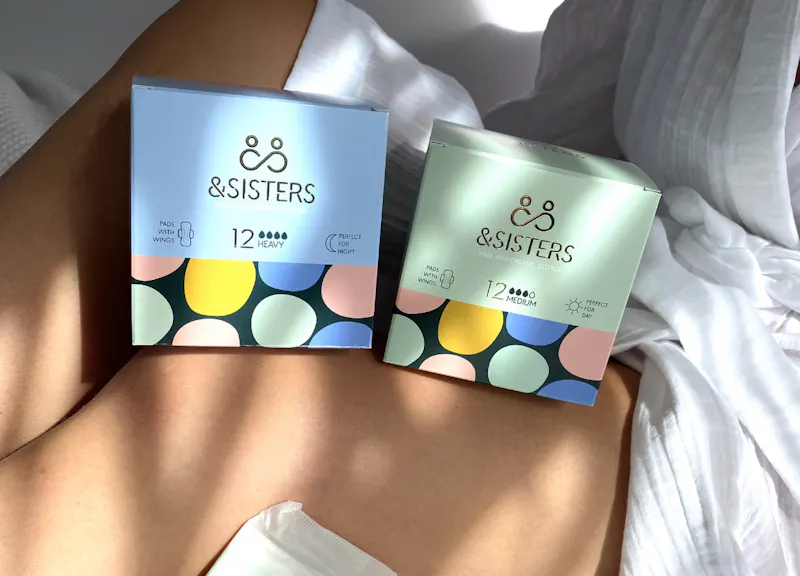
A UK-based, women-owned B Corp offering the highest ethical standard in menstrual care. This bulk 'Sisterhood' bundle features GOTS organic cotton tampons and pads with RSPO-segregated inputs, ensuring zero deforestation.
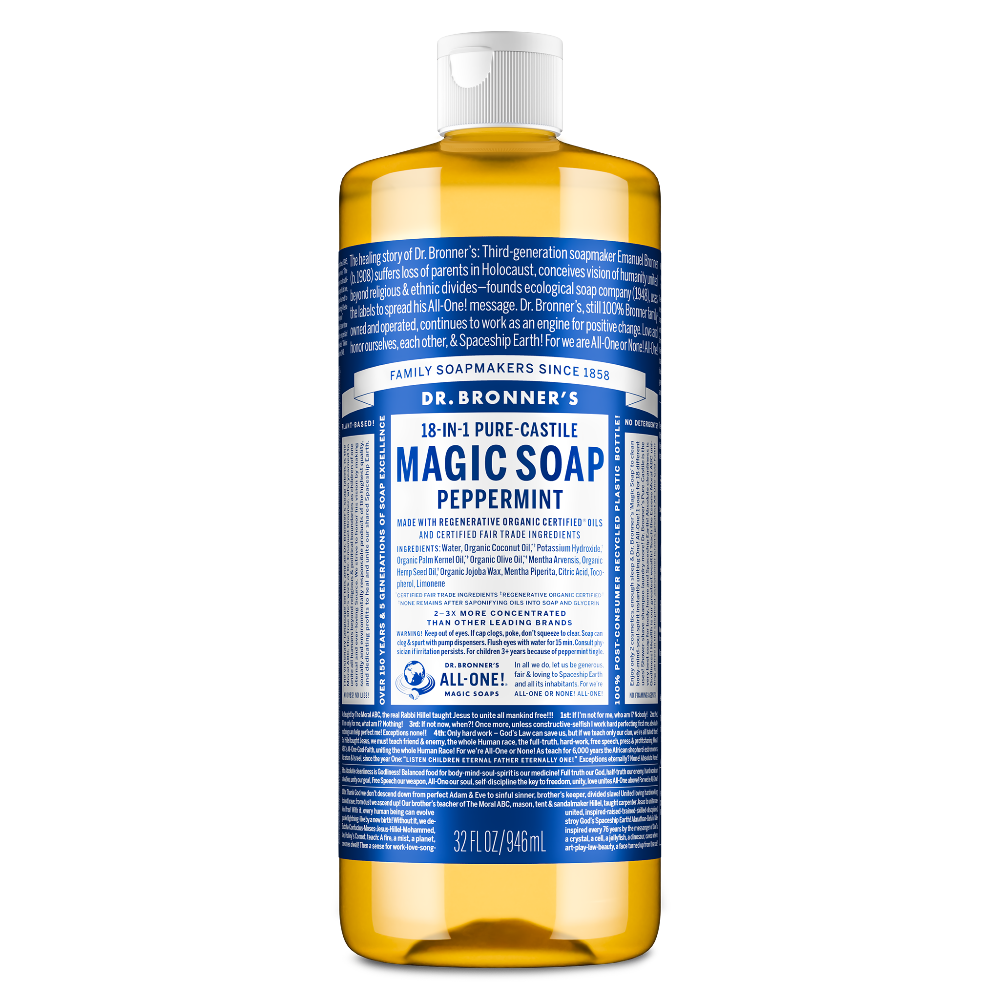
The gold standard of ethical cleaning. A highly concentrated, multi-surface liquid soap made from organic oils and fair trade ingredients in 100% PCR packaging.

The gold standard of ethical soaps, featuring regenerative organic palm oil and a legacy of fair-trade advocacy and radical transparency.
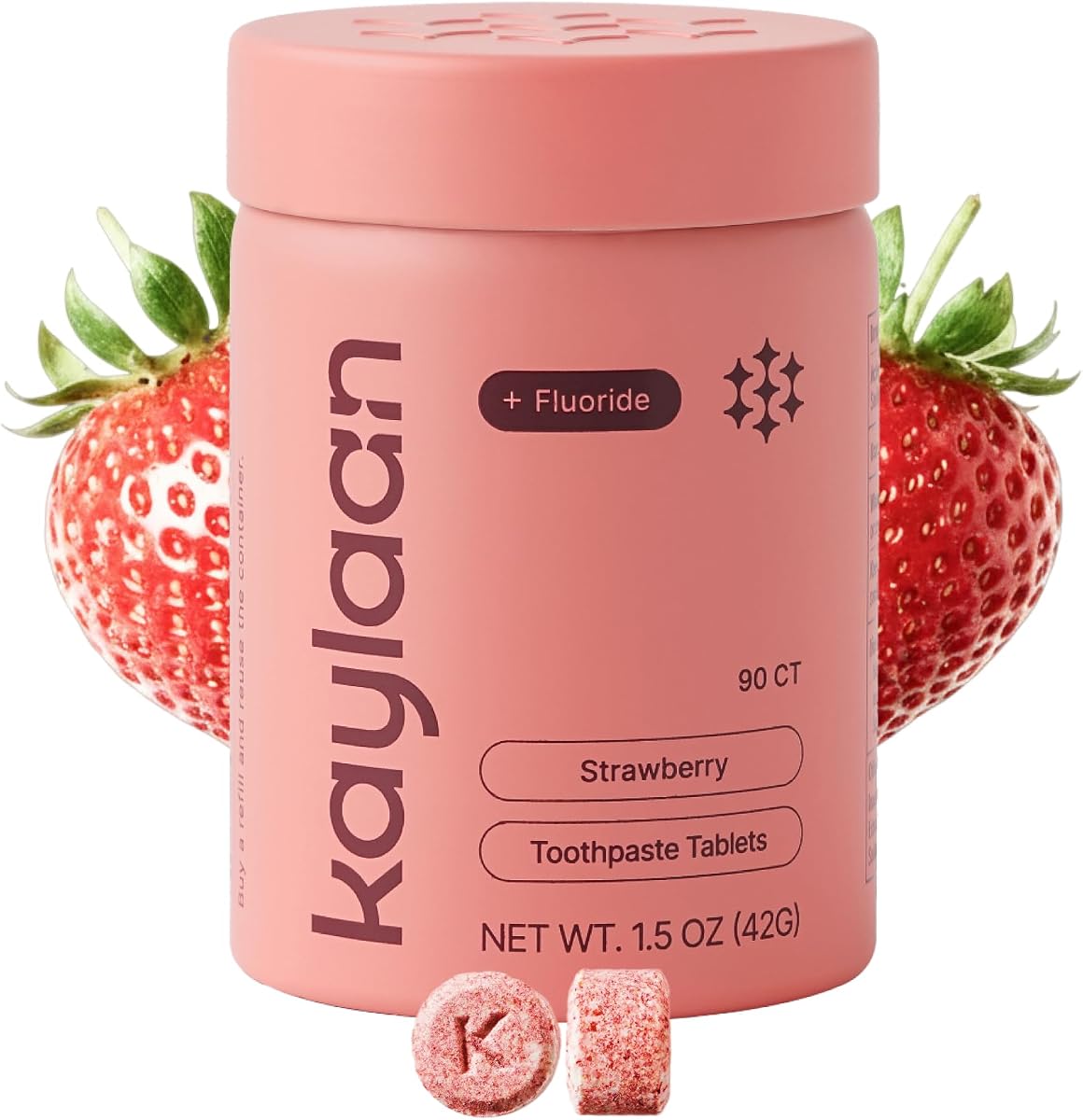
A zero-waste oral care system consisting of fluoride-free tablets in a refillable glass jar, featuring ingredients sourced from ethical Eastern European partners.

A high-potency, carbon-extracted rosehip oil designed specifically for sensitive skin, backed by rigorous B Corp standards and organic agricultural sourcing.
More on GlamGlow
Is GlamGlow ethical? FAQs
Is GlamGlow cruelty-free?+
GlamGlow states it does not test on animals, but parent company Estée Lauder distributes in China where government-mandated animal testing is required for imported cosmetics.
Does GlamGlow have vegan products?+
Some formulas are vegan-friendly, but no separate vegan line or third-party certification.
Does GlamGlow sell in mainland China?+
Selling through mainland Chinese retail has historically triggered post-market animal testing.
What is GlamGlow's ethics score?+
We don't score any GlamGlow products yet, so there is no ethics score. The signals above come from the brand profile and the sources listed on this page.
What are the best alternatives to GlamGlow?+
Higher-scoring alternatives include Dr. Bronner's 18-in-1 Pure-Castile Soap (Travel Size) by Dr. Bronner's, RSPO-Segregated Organic Intimate Care & Menstrual Set by &SISTERS, Dr. Bronner's Pure-Castile Liquid Soap (Peppermint) by Dr. Bronner's.