Is Gold Medal ethical and cruelty-free?
Largely yes — we don't stock Gold Medal, but 2 of 4 ethics signals we track are verified in its favour, based on its published policies and third-party certifications.
Gold Medal is a U.S.-based flour and baking products brand owned by Ardent Mills, known for its heritage in milling since 1880. It lacks prominent third-party ethical certifications and has no major controversies, but its sustainability and ethical sourcing commitments are limited compared to industry leaders.
The evidence, signal by signal
Cruelty-freeverified
No animal testing policy publicly disclosed; as a food product, animal testing is not applicable for flour and baking mixes.
Vegan optionsunverified
Most standard Gold Medal flours and mixes are plant-based and suitable for vegans, but products are not labeled as vegan and some specialty mixes may contain dairy or eggs.
Sells in mainland Chinaverified
The brand does not sell through channels that require mainland China post-market testing.
Third-party certifiedunverified
We don't track any of this brand's products yet, so product-level certifications are unchecked.
Public pledges: Parent company Ardent Mills has corporate targets to reduce GHG emissions by 30% by 2030 and source 100% of wheat from regenerative agriculture by 2030, but Gold Medal brand-specific commitments are not publicly detailed.
Scored with our public methodology. Profile last updated 2026-10-13.
How we reached this verdict on Gold Medal
Each signal is built from the product records and certifications we hold for Gold Medal, its brand profile and the sources that profile lists. Scores are AI-assisted catalogue assessments, not audits, so check the named certificate or policy before relying on it. Where a claim cannot be confirmed from those records, the signal is marked unclear rather than assumed positive.
How to read this page
Four questions decide most ethical-shopping decisions about a brand like Gold Medal. Work through them in order.
- 1Testing: is there third-party cruelty-free certification, and does the brand sell in markets where animal testing can still be required?
- 2Ingredients and materials: vegan formulation is a separate question from cruelty-free, and a brand can be one without the other.
- 3Ownership: a certified brand inside a group that still tests, or that is linked to documented controversies, is a different decision than an independent one.
- 4Packaging and transparency: refills, recycled content and published supplier data are where most brands quietly lose points.
Research notes on Gold Medal
Compiled from the brand's own statements and the public sources listed below, last reviewed 2026-10-13. We don't stock Gold Medal products, so nothing here is checked against product records.
Overview
Gold Medal is a brand of flour, baking mixes, and related products, owned by Ardent Mills, the largest grain-milling company in North America. Founded in 1880 and acquired by General Mills in 1929, the brand was spun off into the Ardent Mills joint venture in 2014, which is co-owned by Cargill, ConAgra, and CHS. Gold Medal products are widely available in U.S. grocery stores, particularly its all-purpose and bread flours. The brand has no major ethical controversies on record, but its ethical profile is modest: it does not carry third-party certifications for organic, Fair Trade, or non-GMO, and its sustainability and labor transparency are limited to Ardent Mills' corporate-level initiatives.
Certifications
Gold Medal products are not certified organic, Fair Trade, Rainforest Alliance, or non-GMO verified. The brand does not display the USDA Organic seal, Fair Trade Certified logo, or any similar independent certification on its packaging. Its parent company, Ardent Mills, does not disclose third-party certifications for conventional Gold Medal products, though Ardent Mills does offer a separate organic line under the brand 'Nexus' that is USDA Organic certified. For consumers prioritizing certified ethical products, Gold Medal’s conventional line lacks transparency in this area.
Animal testing & vegan range
Gold Medal flour and baking mixes are generally plant-based and suitable for vegan diets, as they contain no animal-derived ingredients (e.g., no milk, eggs, or honey) with the exception of certain specialty mixes that may contain milk or eggs. The brand does not conduct animal testing, nor is it required to under U.S. food regulations, and neither its parent company Ardent Mills nor its co-owner Cargill disclose a formal policy on animal testing for raw agricultural products. Given that flour is a non-tested commodity, Gold Medal can be considered vegan-friendly by default for most products, but the brand does not label products as 'vegan' or 'cruelty-free.'
Sustainability pledges
Gold Medal, as a brand, does not publish standalone sustainability pledges. However, its parent company Ardent Mills has corporate sustainability goals, including a commitment to reduce greenhouse gas emissions by 30% by 2030 (from a 2020 baseline) and to source 100% of its wheat from farmers using regenerative agriculture practices by 2030. These initiatives are part of Ardent Mills’ 'Sustainable Wheat Supply' program, which focuses on soil health and carbon sequestration. Additionally, Ardent Mills reports progress on water reduction and waste diversion. While these are positive steps, the specific impact on Gold Medal products is not clearly communicated, and the brand lacks a dedicated sustainability report or third-party verification (e.g., SBTi validation).
Sourcing & labor
Gold Medal sources wheat primarily from U.S. and Canadian farms. Ardent Mills states it works with a supply chain of ~400,000 acres of farmland and emphasizes farmer relationships, but it does not publicly disclose detailed labor practices or third-party audits of its suppliers. The brand has no known labor controversies, but its parent company Cargill has faced criticism globally regarding supply chain labor issues (e.g., in cacao and palm oil), though those are separate from the North American wheat supply. For Gold Medal, there is no public evidence of forced labor or child labor in its wheat sourcing, but the absence of independent certification (e.g., Fair Trade) leaves labor conditions unverified.
Controversies context
Gold Medal has no major controversies on record. The brand has not been publicly criticized for harmful practices, product recalls, or unethical marketing. Its parent company Ardent Mills has faced minor criticism over opaque supply chain transparency, but nothing that directly implicates Gold Medal products. This lack of negative attention is notable but should not be conflated with proactive ethical leadership; the brand simply operates with a low profile in ethical discussions.
Bottom line
Gold Medal offers an affordable, widely available baking product with no ethical scandals, but it lacks meaningful third-party certifications, clear vegan labeling, and robust sustainability or labor transparency. Consumers seeking ethically certified or high-transparency brands may prefer alternatives with USDA Organic, Fair Trade, or non-GMO Project Verified labels. For those simply buying conventional flour, Gold Medal is a neutral choice—neither exemplary nor problematic—but not one that aligns with strong ethical consumer values.
High-scoring food & nutrition picks to compare
Top-scoring products from other brands in the category Gold Medal sells in. A starting point for comparison, not proof that each one beats Gold Medal.

The gold standard for ethical food production, this coconut oil uses regenerative organic practices and fair trade labor to set a benchmark for corporate responsibility.
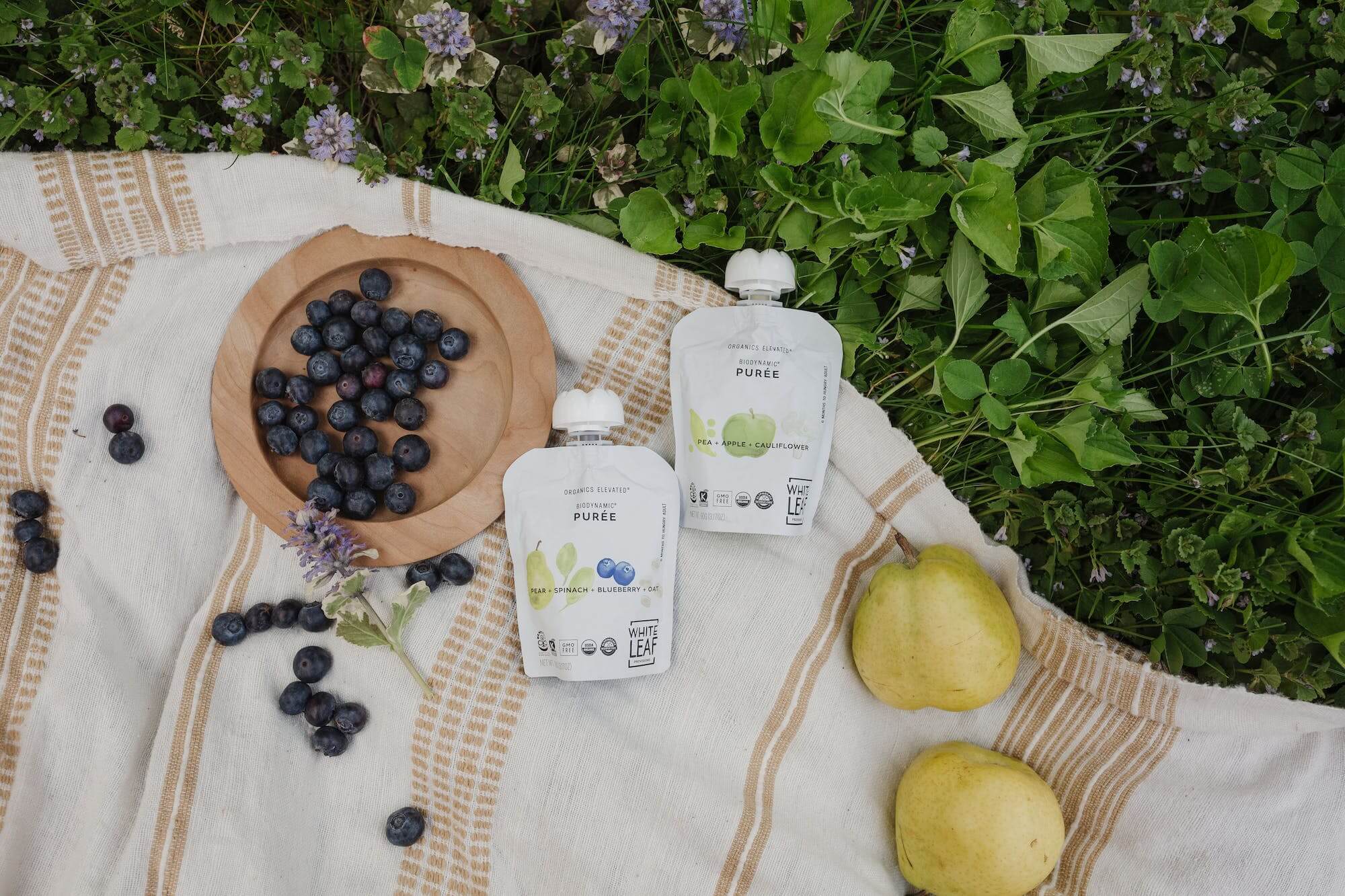
The gold standard in baby food, offering Demeter-certified biodynamic ingredients that exceed organic standards for soil health and purity.

Exquisite heirloom Malagasy cocoa produced entirely at the source in Madagascar. This professional-grade bulk trunk supports direct-trade and lemur habitat conservation.

A nutrient-dense heirloom grain sourced through fully transparent supply chains that support regenerative farming practices in the Peruvian Andes.

A women-owned B Corp that prioritizes equitable purchasing and environmental stewardship through long-term farmer partnerships.

The gold standard in European baby food, Holle's Demeter-certified porridges offer chemical-free nutrition for infants. A top-rated staple for health-conscious parents in urban environments.
More on Gold Medal
What the score looks at
Each 0–100 score is an AI-assisted catalogue assessment with five recorded dimensions, not a fixed-weight calculation or an audit. Brands cannot buy a position, and a missing disclosure limits what can be assessed rather than being assumed positive.
Animal welfare
Third-party cruelty-free and vegan certification, animal-derived inputs, testing policy in every market the brand sells in.
Materials & sourcing
Organic, recycled or regenerative inputs, traceability to farm or mill, deforestation and biodiversity risk.
Labour & human rights
Living-wage commitments, published supplier lists, audit results and remediation, Fair Trade certification.
Packaging & waste
Recycled content, plastic intensity, refill or take-back options, real end-of-life recyclability.
Transparency
Public reporting, verifiable claims, parent-company disclosure and how quickly the brand answers questions.
Reading the score
Leader
80–100
Multiple independent certifications, published supply chain, credible reductions.
Strong
65–79
Solid certified core with one weak pillar, usually packaging or labour disclosure.
Mixed
50–64
Real progress in places, significant gaps elsewhere — read the detail before buying.
Weak
0–49
Little verified evidence, or an ownership structure that contradicts the marketing.
Six checks for any ethical purchase
A ranking gets you to a shortlist; these checks tell you whether a specific product is right for your household. Work through them in order — the first two rule out most greenwashing on their own.
Buying checklist
- Check the certification, not the adjective: a logo from Leaping Bunny, Vegan Society, GOTS, Fair Trade or B Corp is auditable; the words "natural" and "clean" are not.
- Look up the parent company — a certified brand owned by a group that still tests where the law requires it is a different decision than an independent one.
- Read the full ingredient or material list, not the front-of-pack claim; a single animal-derived or high-impact input can undo the rest.
- Prefer refills, concentrates and take-back schemes: packaging is usually the fastest win in this category.
- Compare cost per use rather than shelf price, including dose, refill costs and how long you will actually use the item.
- Buy the thing you will actually finish or wear a hundred times; the lowest-impact purchase is still the one you do not replace.
Is Gold Medal ethical? FAQs
Is Gold Medal cruelty-free?+
No animal testing policy publicly disclosed; as a food product, animal testing is not applicable for flour and baking mixes.
Does Gold Medal have vegan products?+
Most standard Gold Medal flours and mixes are plant-based and suitable for vegans, but products are not labeled as vegan and some specialty mixes may contain dairy or eggs.
Does Gold Medal sell in mainland China?+
The brand does not sell through channels that require mainland China post-market testing.
What is Gold Medal's ethics score?+
We don't score any Gold Medal products yet, so there is no ethics score. The signals above come from the brand profile and the sources listed on this page.
What are the best alternatives to Gold Medal?+
High-scoring food & nutrition products to compare include Dr. Bronner’s Whole Kernel Virgin Coconut Oil by Dr. Bronner's, Biodynamic Veggie & Grain Pouch Variety Pack (24-Pack) by White Leaf Provisions, Luxury Single-Origin Dark Chocolate Professional Collection - 20kg Chef's Trunk by Beyond Good.