Is Grove Collaborative ethical and cruelty-free?
Largely yes — we don't stock Grove Collaborative, but 1 of 4 ethics signals we track are verified in its favour, based on its published policies and third-party certifications.
Grove Collaborative is a US-based digital-first retailer and brand that curates and manufactures eco-friendly household and personal care products, with strong commitments to plastic neutrality, cruelty-free standards, and sustainable sourcing. It operates as a B Corporation and holds numerous third-party certifications but does not sell in China.
The evidence, signal by signal
Cruelty-freeunverified
Grove Collaborative does not test on animals and bans animal testing across all brands on its platform.
Vegan optionsunverified
Grove's own-brand products are vegan; third-party brands may vary but are filterable on the site.
Sells in mainland Chinaverified
The brand does not sell through channels that require mainland China post-market testing.
Third-party certifiedunverified
We don't track any of this brand's products yet, so product-level certifications are unchecked.
Public pledges: Plastic neutral annually, 100% reusable/recyclable/compostable packaging by 2025, net-zero carbon by 2040, and 100% renewable electricity in US operations.
Scored with our public methodology. Profile last updated 2026-10-10.
How we reached this verdict on Grove Collaborative
Each signal is built from the product records and certifications we hold for Grove Collaborative, its brand profile and the sources that profile lists. Scores are AI-assisted catalogue assessments, not audits, so check the named certificate or policy before relying on it. Where a claim cannot be confirmed from those records, the signal is marked unclear rather than assumed positive.
How to read this page
Four questions decide most ethical-shopping decisions about a brand like Grove Collaborative. Work through them in order.
- 1Testing: is there third-party cruelty-free certification, and does the brand sell in markets where animal testing can still be required?
- 2Ingredients and materials: vegan formulation is a separate question from cruelty-free, and a brand can be one without the other.
- 3Ownership: a certified brand inside a group that still tests, or that is linked to documented controversies, is a different decision than an independent one.
- 4Packaging and transparency: refills, recycled content and published supplier data are where most brands quietly lose points.
Research notes on Grove Collaborative
Compiled from the brand's own statements and the public sources listed below, last reviewed 2026-10-10. We don't stock Grove Collaborative products, so nothing here is checked against product records.
Overview
Grove Collaborative, founded in 2016 in San Francisco, is a Public Benefit Corporation and certified B Corp that operates an online marketplace for sustainable home, cleaning, and personal care products. The company develops its own brand (e.g., Grove Co.) alongside vetting third-party brands for environmental and ethical criteria. Its mission focuses on eliminating single-use plastics, reducing carbon emissions, and supporting regenerative agriculture. Grove Collaborative went public in 2022 via a SPAC merger and has since expanded its product lines to include baby care, beauty, and wellness items. The company does not test on animals and maintains a strict no-animal-testing policy for all products sold on its platform.
Certifications
Grove Collaborative is a Certified B Corporation (score: 77.7 as of 2023) and a Public Benefit Corporation in Delaware. Its own brand products carry multiple third-party certifications, including EPA Safer Choice, Leaping Bunny (cruelty-free), Cradle to Cradle Certified (Silver or Gold), and Forest Stewardship Council (FSC) for paper-based packaging. Many products are also USDA Certified Biobased and bear the Ocean Wise seal for reef-safe ingredients. Grove maintains a rigorous Plastic Neutral certification through a partnership with rePurpose Global, verifying that it offsets more plastic than it uses.
Animal Testing & Vegan Range
Grove Collaborative has a cruelty-free policy: it does not test finished products or ingredients on animals, and it requires all brand partners on its platform to be Leaping Bunny, PETA Beauty Without Bunnies, or similarly certified. The company does not sell products in mainland China (where post-market animal testing may be required), and confirms on its website that it will not enter markets that mandate such testing. Grove’s own-brand products (e.g., Grove Co. dish soap, laundry detergent) are vegan and free of animal-derived ingredients; however, some third-party brands on the marketplace (e.g., those containing beeswax or lanolin) may not be fully vegan. The company provides clear filters on its site for customers to identify vegan-only items.
Sustainability Pledges
Grove Collaborative has pledged to be plastic neutral by 2025 (already achieved annually since 2021 through plastic offset projects) and aims for 100% reusable, recyclable, or compostable packaging for its own brand by 2025. It is a founding member of the Plastic Pollution Coalition and reports carbon emissions under the Science Based Targets initiative (SBTi). The company uses 100% renewable electricity in its US operations and has committed to net-zero carbon emissions by 2040. Grove also supports regenerative agriculture projects through its Grove Seedling fund and offers a “Plastic Free” product line with over 100 items.
Sourcing & Labor
Grove Collaborative states that it audits its supply chain for labor practices, including adherence to the ILO Core Conventions, and requires suppliers to sign a Code of Conduct covering fair wages, safe working conditions, and prohibition of child or forced labor. The company publishes a Supplier Responsibility Policy and conducts third-party audits via the Sedex platform. For its own-brand products, it sources ingredients (e.g., coconut oil, plant-based surfactants) from certified organic farms where possible. While the company does not disclose full factory lists, it provides a transparency report on its website detailing supplier locations and audit findings.
Controversies Context
No major controversies are on record for Grove Collaborative. Some critics have noted that the company’s delivery model relies on plastic tape and bubble wrap in some shipments (though it uses recycled and paper-based materials where feasible). A 2022 Forbes article raised questions about the efficacy of plastic offsets versus actual reduction, but Grove has since increased its internal recycling and refill initiatives. No labor scandals, greenwashing lawsuits, or animal-testing violations have been publicly reported. The company’s B Corp certification remains current, with no significant downgrade in its rating.
Bottom Line
Grove Collaborative is a strong choice for consumers seeking a one-stop shop for certified cruelty-free, eco-friendly household products. Its plastic-neutral pledge, robust certification portfolio, and transparent supply chain policies make it a leader among digital ethical retailers. However, buyers should verify individual third-party brand certifications for vegan status and actively check that products meet their specific environmental criteria. Overall, Grove represents a high-integrity option for ethical purchasing.
High-scoring beauty & personal care picks to compare
Top-scoring products from other brands in the category Grove Collaborative sells in. A starting point for comparison, not proof that each one beats Grove Collaborative.
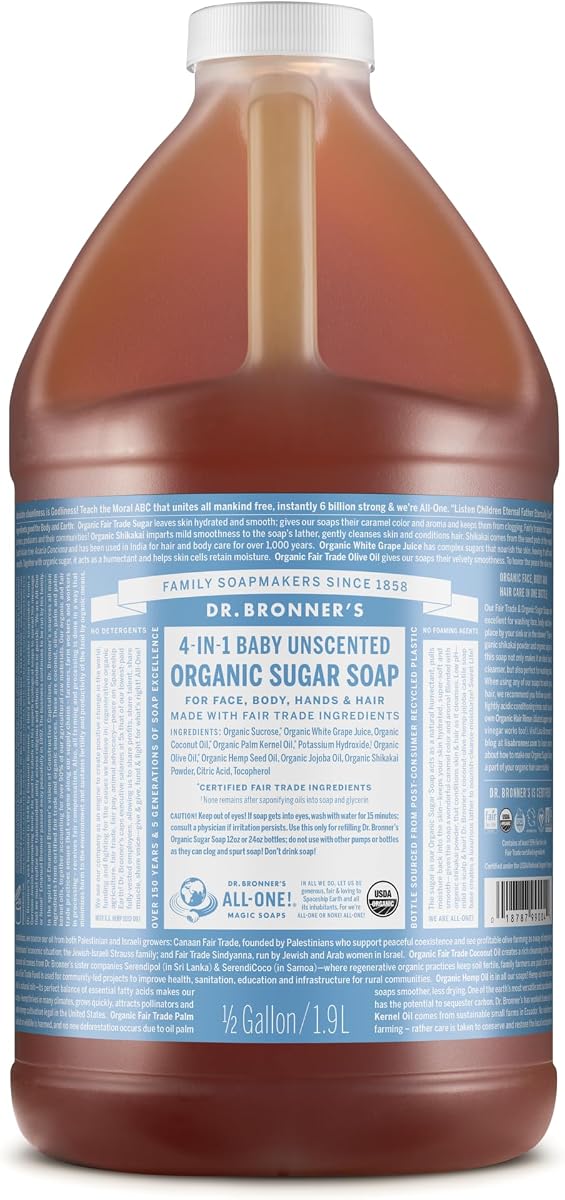
A multi-use, fair-trade organic soap that is gentle enough for pets yet effective at removing grime and odors.
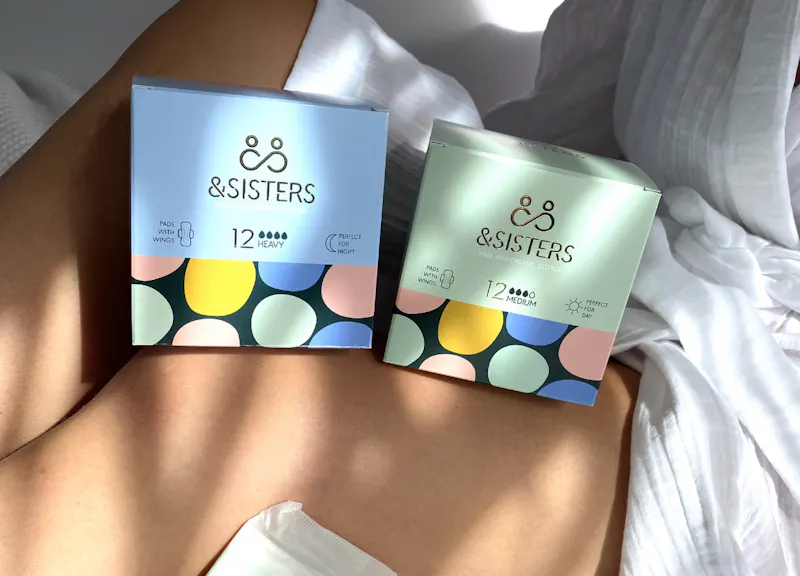
A UK-based, women-owned B Corp offering the highest ethical standard in menstrual care. This bulk 'Sisterhood' bundle features GOTS organic cotton tampons and pads with RSPO-segregated inputs, ensuring zero deforestation.
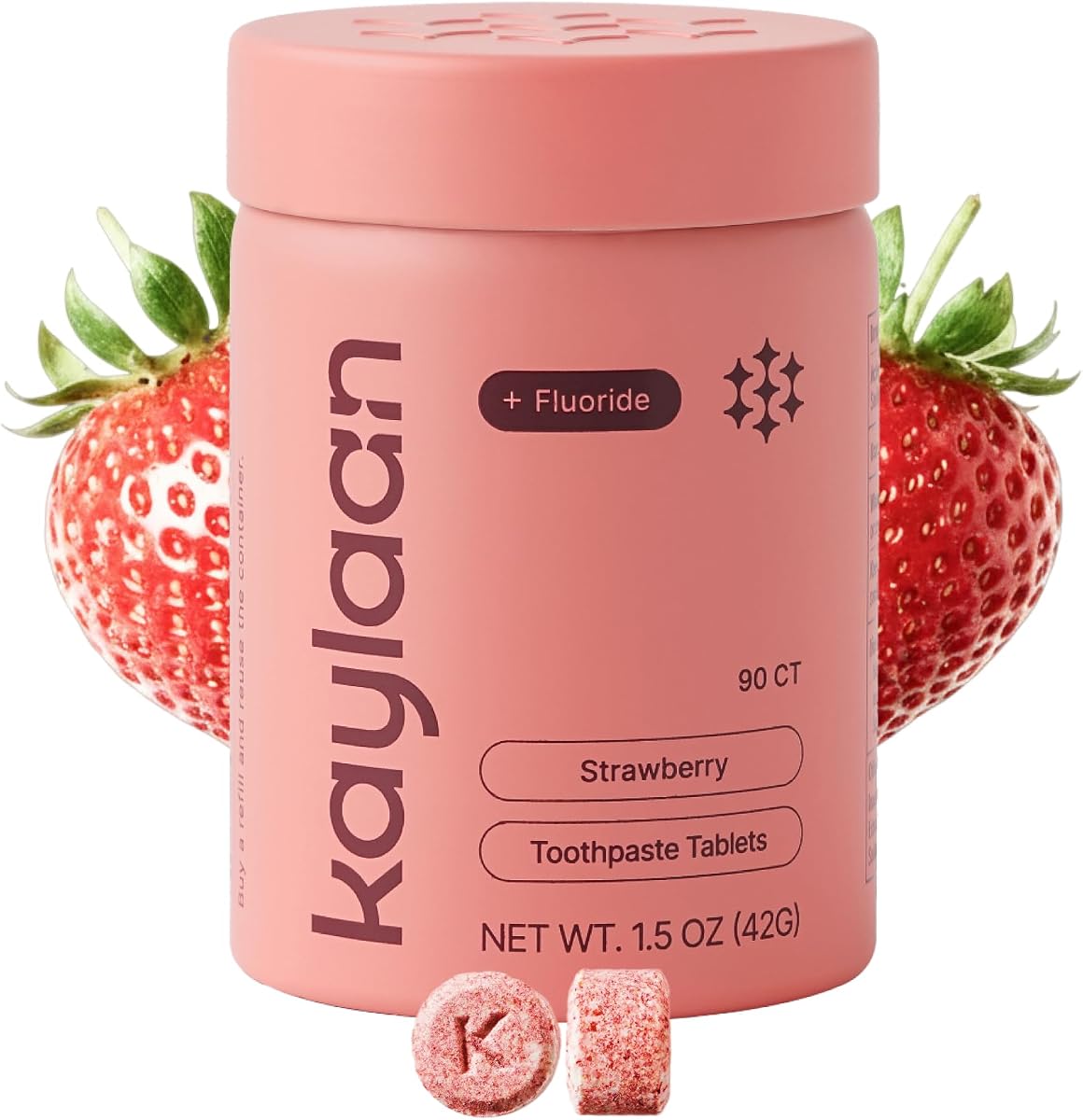
A zero-waste oral care system consisting of fluoride-free tablets in a refillable glass jar, featuring ingredients sourced from ethical Eastern European partners.

A high-potency, carbon-extracted rosehip oil designed specifically for sensitive skin, backed by rigorous B Corp standards and organic agricultural sourcing.
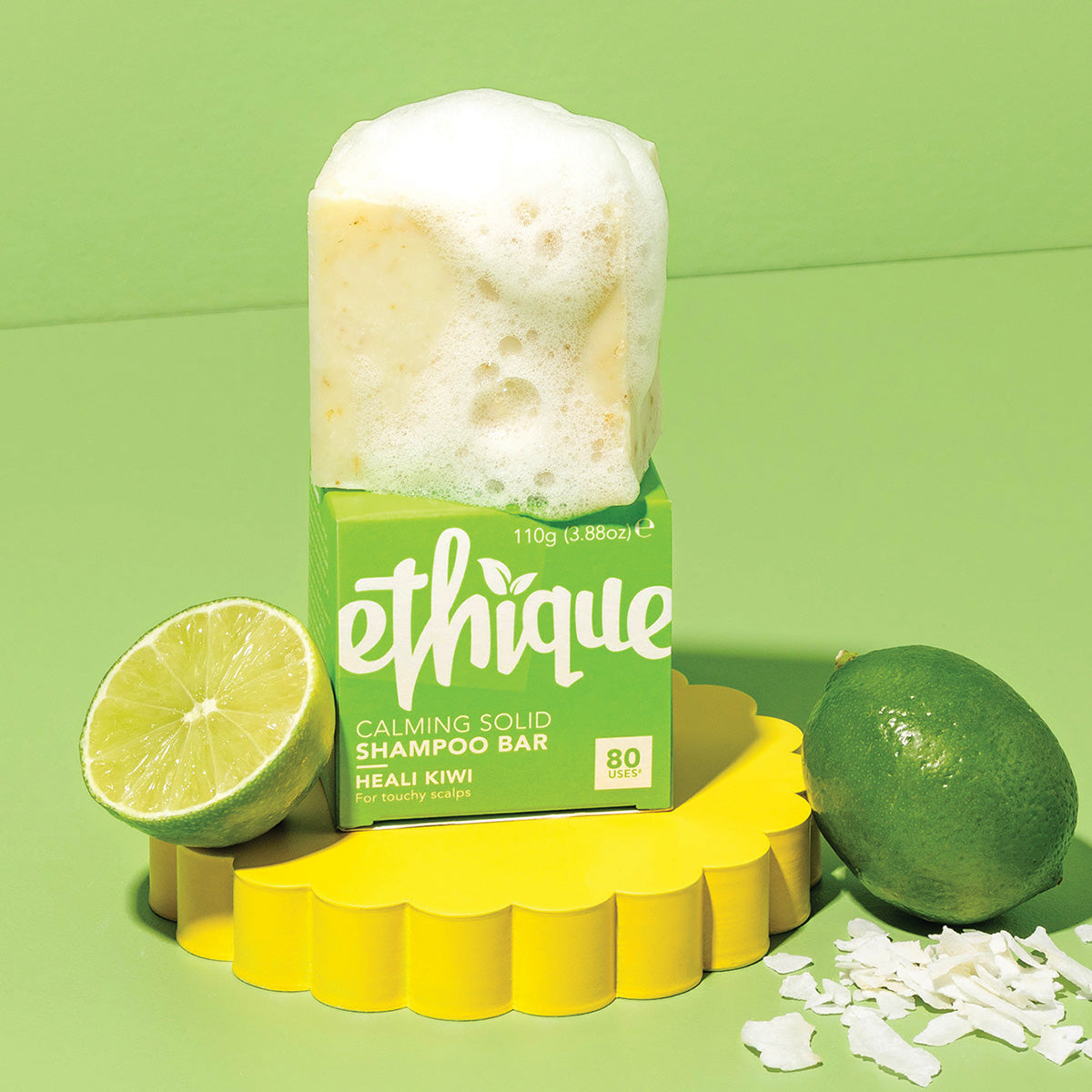
A plastic-free, highly concentrated shampoo bar that replaces three plastic bottles, featuring fair-trade ingredients and carbon-neutral shipping.

A moisturizing, sulfate-free bubble bath featuring handcrafted fair-trade shea butter and calming lavender oil.
More on Grove Collaborative
What the score looks at
Each 0–100 score is an AI-assisted catalogue assessment with five recorded dimensions, not a fixed-weight calculation or an audit. Brands cannot buy a position, and a missing disclosure limits what can be assessed rather than being assumed positive.
Animal welfare
Third-party cruelty-free and vegan certification, animal-derived inputs, testing policy in every market the brand sells in.
Materials & sourcing
Organic, recycled or regenerative inputs, traceability to farm or mill, deforestation and biodiversity risk.
Labour & human rights
Living-wage commitments, published supplier lists, audit results and remediation, Fair Trade certification.
Packaging & waste
Recycled content, plastic intensity, refill or take-back options, real end-of-life recyclability.
Transparency
Public reporting, verifiable claims, parent-company disclosure and how quickly the brand answers questions.
Reading the score
Leader
80–100
Multiple independent certifications, published supply chain, credible reductions.
Strong
65–79
Solid certified core with one weak pillar, usually packaging or labour disclosure.
Mixed
50–64
Real progress in places, significant gaps elsewhere — read the detail before buying.
Weak
0–49
Little verified evidence, or an ownership structure that contradicts the marketing.
Six checks for any ethical purchase
A ranking gets you to a shortlist; these checks tell you whether a specific product is right for your household. Work through them in order — the first two rule out most greenwashing on their own.
Buying checklist
- Check the certification, not the adjective: a logo from Leaping Bunny, Vegan Society, GOTS, Fair Trade or B Corp is auditable; the words "natural" and "clean" are not.
- Look up the parent company — a certified brand owned by a group that still tests where the law requires it is a different decision than an independent one.
- Read the full ingredient or material list, not the front-of-pack claim; a single animal-derived or high-impact input can undo the rest.
- Prefer refills, concentrates and take-back schemes: packaging is usually the fastest win in this category.
- Compare cost per use rather than shelf price, including dose, refill costs and how long you will actually use the item.
- Buy the thing you will actually finish or wear a hundred times; the lowest-impact purchase is still the one you do not replace.
Is Grove Collaborative ethical? FAQs
Is Grove Collaborative cruelty-free?+
Grove Collaborative does not test on animals and bans animal testing across all brands on its platform.
Does Grove Collaborative have vegan products?+
Grove's own-brand products are vegan; third-party brands may vary but are filterable on the site.
Does Grove Collaborative sell in mainland China?+
The brand does not sell through channels that require mainland China post-market testing.
What is Grove Collaborative's ethics score?+
We don't score any Grove Collaborative products yet, so there is no ethics score. The signals above come from the brand profile and the sources listed on this page.
What are the best alternatives to Grove Collaborative?+
High-scoring beauty & personal care products to compare include Dr. Bronner’s 4-in-1 Organic Sugar Soap by Dr. Bronner's, RSPO-Segregated Organic Intimate Care & Menstrual Set by &SISTERS, Natural Whitening Toothpaste Tablets Set by Kaylaan.