Is Guerlain ethical and cruelty-free?
Not really — Guerlain fails 2 of the 4 ethics signals we track, including its animal-testing position, and holds no third-party certification we can verify.
Guerlain, a prestige French perfumery and cosmetics house owned by LVMH, demonstrates a mixed ethical profile with strong sustainability initiatives in biodiversity and refillable packaging, but lacks full transparency on ingredient sourcing and maintains retail presence in China without a comprehensive animal-testing policy update.
The evidence, signal by signal
Cruelty-freeflagged
Guerlain does not conduct animal testing internally but cannot guarantee complete avoidance due to regulatory requirements in mainland China.
Vegan optionsunverified
No official vegan line; some products may be free of animal ingredients, but no certification.
Sells in mainland Chinaflagged
Selling through mainland Chinese retail has historically triggered post-market animal testing.
Third-party certifiedunverified
We don't track any of this brand's products yet, so product-level certifications are unchecked.
Public pledges: 100% refillable packaging by 2028; reduction of virgin plastic by 50% by 2028; carbon neutrality for owned operations by 2030.
Scored with our public methodology. Profile last updated 2026-09-23.
Research notes on Guerlain
Compiled from the brand's own statements and the public sources listed below, last reviewed 2026-09-23. We don't stock Guerlain products, so nothing here is checked against product records.
Overview
Founded in 1828 in Paris, Guerlain is a historic luxury brand renowned for fragrances, skincare, and makeup. As a subsidiary of LVMH Moët Hennessy Louis Vuitton (the world's largest luxury conglomerate), Guerlain operates in over 100 countries. The brand has invested significantly in biodiversity conservation, notably through its partnership with the UNESCO Man and the Biosphere Programme and the creation of bee sanctuaries. However, its ethical stance is nuanced by its presence in China, where animal testing is mandated for imported cosmetics, and its limited formal vegan product range. Guerlain does not carry major controversies but faces scrutiny typical of luxury brands regarding supply chain transparency and labor ethics in raw material sourcing.
Certifications
Guerlain holds no widely recognized third-party certifications such as B Corp, Leaping Bunny, or Cruelty Free International. The brand is not certified vegan or organic by major accrediting bodies (e.g., ECOCERT, COSMOS). LVMH's biodiversity commitments (Life 2025 program) cover Guerlain but are not independently audited for specific product lines. Guerlain has a 'Bee Respect' traceability program for key ingredients like honey, but this is an internal certification with limited public verification.
Animal Testing & Vegan Range
Guerlain does not have a blanket cruelty-free policy. While the brand states it does not test finished products or ingredients on animals in its own facilities, it sells products in mainland China where regulatory post-market animal testing is legally required for imported cosmetics. This places Guerlain in the category of brands that cannot be considered fully cruelty-free according to international standards (e.g., Leaping Bunny). Guerlain offers a small number of products without animal-derived ingredients, but there is no official vegan line or third-party vegan certification. Most iconic products contain beeswax, honey, or other animal derivatives.
Sustainability Pledges
Guerlain's sustainability strategy centers on biodiversity protection and circular economy. The brand has pledged to make 100% of its skincare packaging refillable by 2028, reduce virgin plastic by 50% by 2028, and achieve carbon neutrality across its owned operations by 2030. It sources key ingredients like black bee honey from its own Bee Garden in Ouessant, France, and supports reforestation projects. However, LVMH's overall environmental targets for Guerlain lack granular public reporting on water usage, chemical waste, and full supply chain emissions. The brand's 'Bee Respect' traceability platform covers only 20% of its raw materials, leaving significant gaps in accountability.
Sourcing & Labor
Guerlain's parent LVMH publishes a general Code of Conduct and sustainability reports, but specific supply chain labor audits for Guerlain are not publicly detailed. The brand relies on ingredients such as vanilla from Madagascar and rose from Bulgaria; fair trade certification (e.g., Fairtrade, Fair for Life) is not applied to its sourcing. LVMH has faced past allegations regarding labor conditions in its Italian and French manufacturing, but no direct scandal links to Guerlain. The brand's 'Biodiversity in Perfumery' program promotes some agroforestry, but independent assessments of worker rights are absent.
Controversies Context
As noted in your brief, no major controversies are on record for Guerlain. The brand does not attract the level of scrutiny faced by some peers (e.g., regarding 'clean beauty' labeling, greenwashing accusations, or labor strikes). However, industry critics argue that LVMH's overall lobbying against stricter environmental legislation in Europe and Guerlain's sales in China without a clear 'cruelty-free' distinction represent a systemic ethical trade-off. No boycotts or legal actions have been widely reported.
Bottom Line
Guerlain represents a 'luxury paradox': strong, laudable environmental initiatives (biodiversity, refillables) but limited transparency in ingredient sourcing, labor practices, and no certification for animal testing freedom due to China market access. For consumers prioritizing strict cruelty-free, vegan, or fully traceable supply chains, Guerlain falls short. For those valuing heritage, biodiversity commitments, and gradual circular economy progress, it offers a credible choice among luxury brands. A middle-of-the-road ethical profile with high aspirations but significant gaps in verification.
Better-scoring alternatives to Guerlain
Same categories, higher ethics scores, verified certifications.

The ultimate multi-tasker for minimalist hosts; one bottle can wash hands, body, hair, and even dishes.
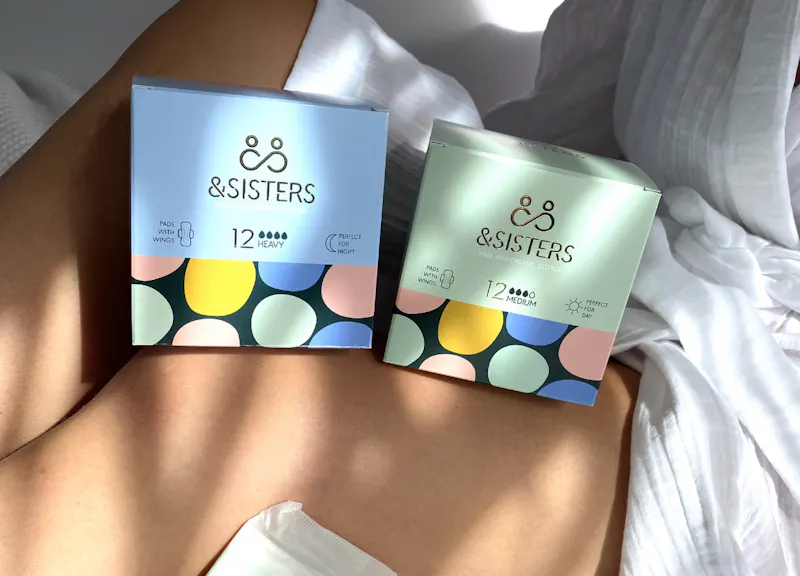
A UK-based, women-owned B Corp offering the highest ethical standard in menstrual care. This bulk 'Sisterhood' bundle features GOTS organic cotton tampons and pads with RSPO-segregated inputs, ensuring zero deforestation.
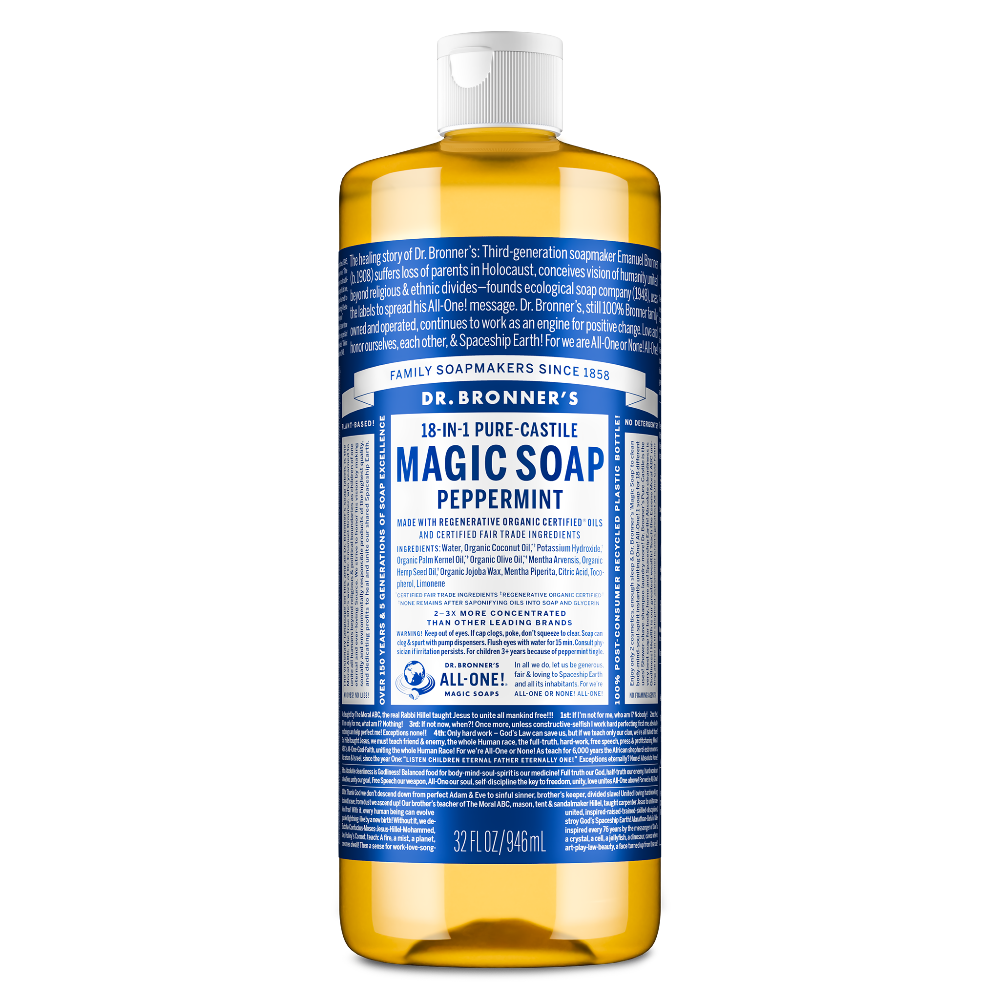
The gold standard of ethical cleaning. A highly concentrated, multi-surface liquid soap made from organic oils and fair trade ingredients in 100% PCR packaging.

The gold standard of ethical soaps, featuring regenerative organic palm oil and a legacy of fair-trade advocacy and radical transparency.
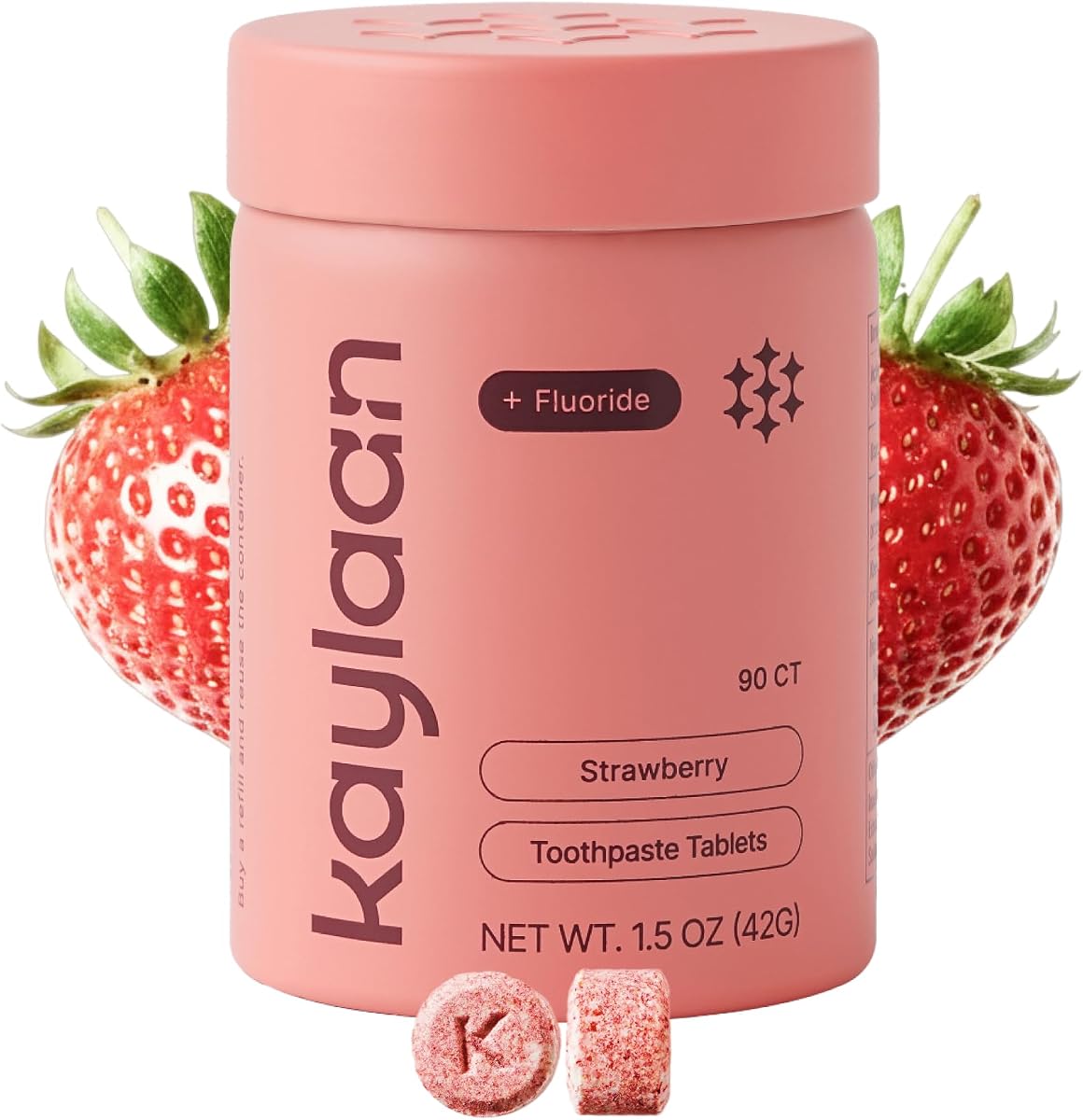
A zero-waste oral care system consisting of fluoride-free tablets in a refillable glass jar, featuring ingredients sourced from ethical Eastern European partners.

A high-potency, carbon-extracted rosehip oil designed specifically for sensitive skin, backed by rigorous B Corp standards and organic agricultural sourcing.
More on Guerlain
Is Guerlain ethical? FAQs
Is Guerlain cruelty-free?+
Guerlain does not conduct animal testing internally but cannot guarantee complete avoidance due to regulatory requirements in mainland China.
Does Guerlain have vegan products?+
No official vegan line; some products may be free of animal ingredients, but no certification.
Does Guerlain sell in mainland China?+
Selling through mainland Chinese retail has historically triggered post-market animal testing.
What is Guerlain's ethics score?+
We don't score any Guerlain products yet, so there is no ethics score. The signals above come from the brand profile and the sources listed on this page.
What are the best alternatives to Guerlain?+
Higher-scoring alternatives include Dr. Bronner's 18-in-1 Pure-Castile Soap (Travel Size) by Dr. Bronner's, RSPO-Segregated Organic Intimate Care & Menstrual Set by &SISTERS, Dr. Bronner's Pure-Castile Liquid Soap (Peppermint) by Dr. Bronner's.