Is Helena Rubinstein ethical and cruelty-free?
Not really — Helena Rubinstein fails 2 of the 4 ethics signals we track, including its animal-testing position, and holds no third-party certification we can verify.
Helena Rubinstein is a prestige cosmetics brand owned by L'Oréal Group. Despite its high-end positioning, the brand lacks independent ethical certifications, tests on animals where required by law (including China), and has limited public sustainability commitments, making it a poor choice for ethically conscious consumers.
The evidence, signal by signal
Cruelty-freeflagged
Helena Rubinstein permits animal testing where legally required, including for products sold in China.
Vegan optionsunverified
Helena Rubinstein does not offer a designated vegan range; many products contain animal-derived ingredients.
Sells in mainland Chinaflagged
Selling through mainland Chinese retail has historically triggered post-market animal testing.
Third-party certifiedunverified
We don't track any of this brand's products yet, so product-level certifications are unchecked.
Public pledges: Helena Rubinstein has no public brand-specific sustainability targets, relying on L'Oréal's general corporate program.
Scored with our public methodology. Profile last updated 2026-09-20.
Research notes on Helena Rubinstein
Compiled from the brand's own statements and the public sources listed below, last reviewed 2026-09-20. We don't stock Helena Rubinstein products, so nothing here is checked against product records.
Overview
Helena Rubinstein is a luxury skincare and cosmetics brand founded in 1902 by Helena Rubinstein. Now owned by the French conglomerate L'Oréal Group, the brand is known for premium anti-aging products and high-fashion makeup collaborations. However, its ethical standing is compromised by its parent company's policies on animal testing, limited sustainability reporting, and absence of broad ethical certifications.
Certifications
Helena Rubinstein does not hold any widely recognized ethical certifications such as Leaping Bunny, Cruelty Free International, Vegan Society, or B Corp. The brand is not listed on popular cruelty-free databases like PETA's Beauty Without Bunnies. While L'Oréal Group has some third-party environmental certifications for certain facilities, these do not extend to the Rubinstein product line, and no independent verification is available for the brand itself.
Animal testing & vegan range
Helena Rubinstein, through L'Oréal, conducts animal testing where required by law—most notably for products sold in mainland China, which mandates pre-market testing for imported cosmetics. The brand is not certified cruelty-free by any major organization. L'Oréal claims to have replaced animal testing with alternative methods where possible, but still complies with local regulations. Helena Rubinstein does not offer a dedicated vegan product range, and many products contain animal-derived ingredients such as beeswax, lanolin, or collagen.
Sustainability pledges
Helena Rubinstein has no public, brand-specific sustainability targets. Through L'Oréal Group's "Sharing Beauty With All" program, the parent company has committed to reducing carbon emissions, water usage, and waste. However, the brand has not disclosed any recycled content in packaging, ingredient sourcing policies, or concrete renewable energy commitments for its products. The absence of third-party audits or transparency reports makes it difficult to verify corporate claims.
Sourcing & labor
L'Oréal Group has a Supplier Code of Conduct and conducts audits, but no specific details are available for Helena Rubinstein's supply chain. The brand does not publish a list of suppliers, ingredient sourcing locations, or fair-trade certifications. Given the high price point of Rubinstein products, there is no evidence that premiums are passed down to raw material producers. Labor practices within the supply chain remain opaque, with no independent monitoring panels or worker feedback mechanisms made public.
Controversies context
Helena Rubinstein has not been the subject of major standalone controversies. However, the brand is implicated in L'Oréal's broader ethical challenges, including animal testing in China, greenwashing criticisms, and historic tax practices. In 2017, L'Oréal faced a class-action lawsuit over allegedly misleading "natural" claims (settled, no admission of wrongdoing). While not directly a Rubinstein scandal, it reflects the parent company's marketing practices that may affect consumer trust.
Bottom line
Ethically conscious consumers are strongly advised to avoid Helena Rubinstein. The brand's reliance on animal testing for Chinese market access, lack of cruelty-free or vegan certifications, and vague sustainability commitments place it well behind competitors like Aveda, Dr. Hauschka, or RMS Beauty. If you seek luxury skincare with integrity, explore brands that prioritize transparency, third-party certification, and animal-free practices.
Better-scoring alternatives to Helena Rubinstein
Same categories, higher ethics scores, verified certifications.

The ultimate multi-tasker for minimalist hosts; one bottle can wash hands, body, hair, and even dishes.
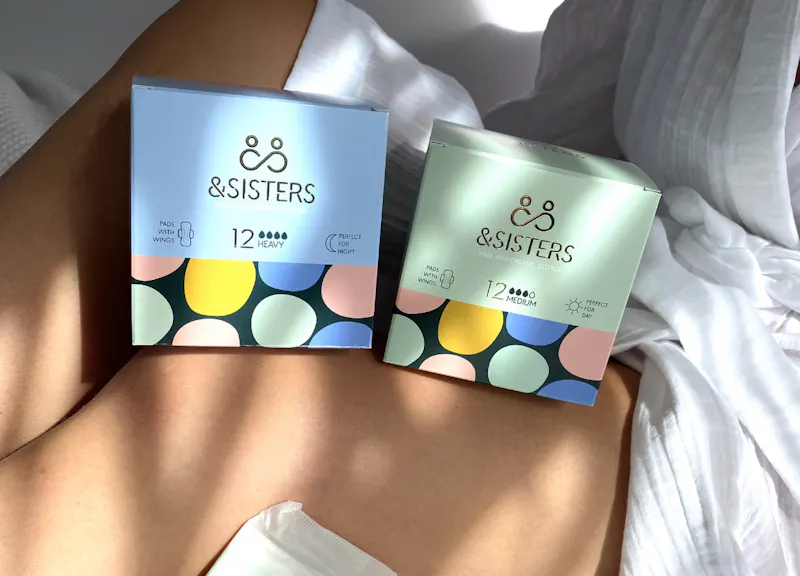
A UK-based, women-owned B Corp offering the highest ethical standard in menstrual care. This bulk 'Sisterhood' bundle features GOTS organic cotton tampons and pads with RSPO-segregated inputs, ensuring zero deforestation.
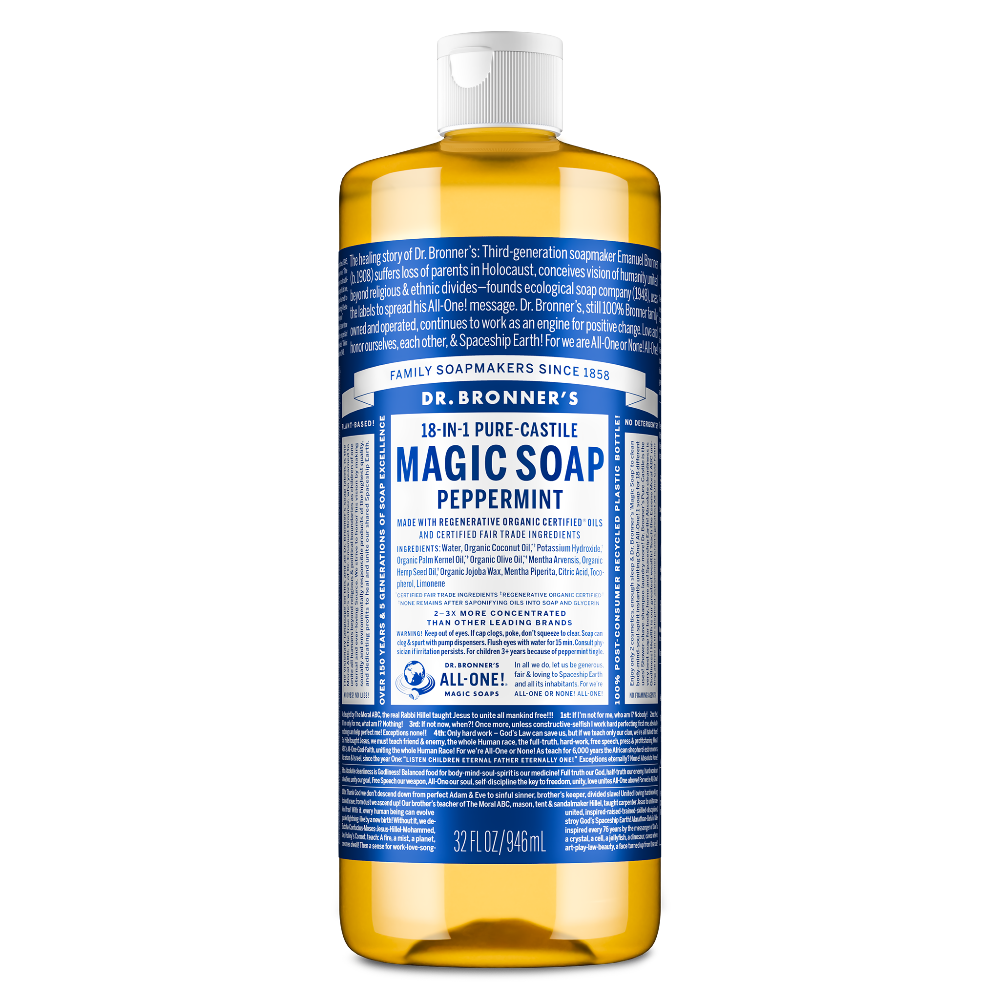
The gold standard of ethical cleaning. A highly concentrated, multi-surface liquid soap made from organic oils and fair trade ingredients in 100% PCR packaging.

The gold standard of ethical soaps, featuring regenerative organic palm oil and a legacy of fair-trade advocacy and radical transparency.
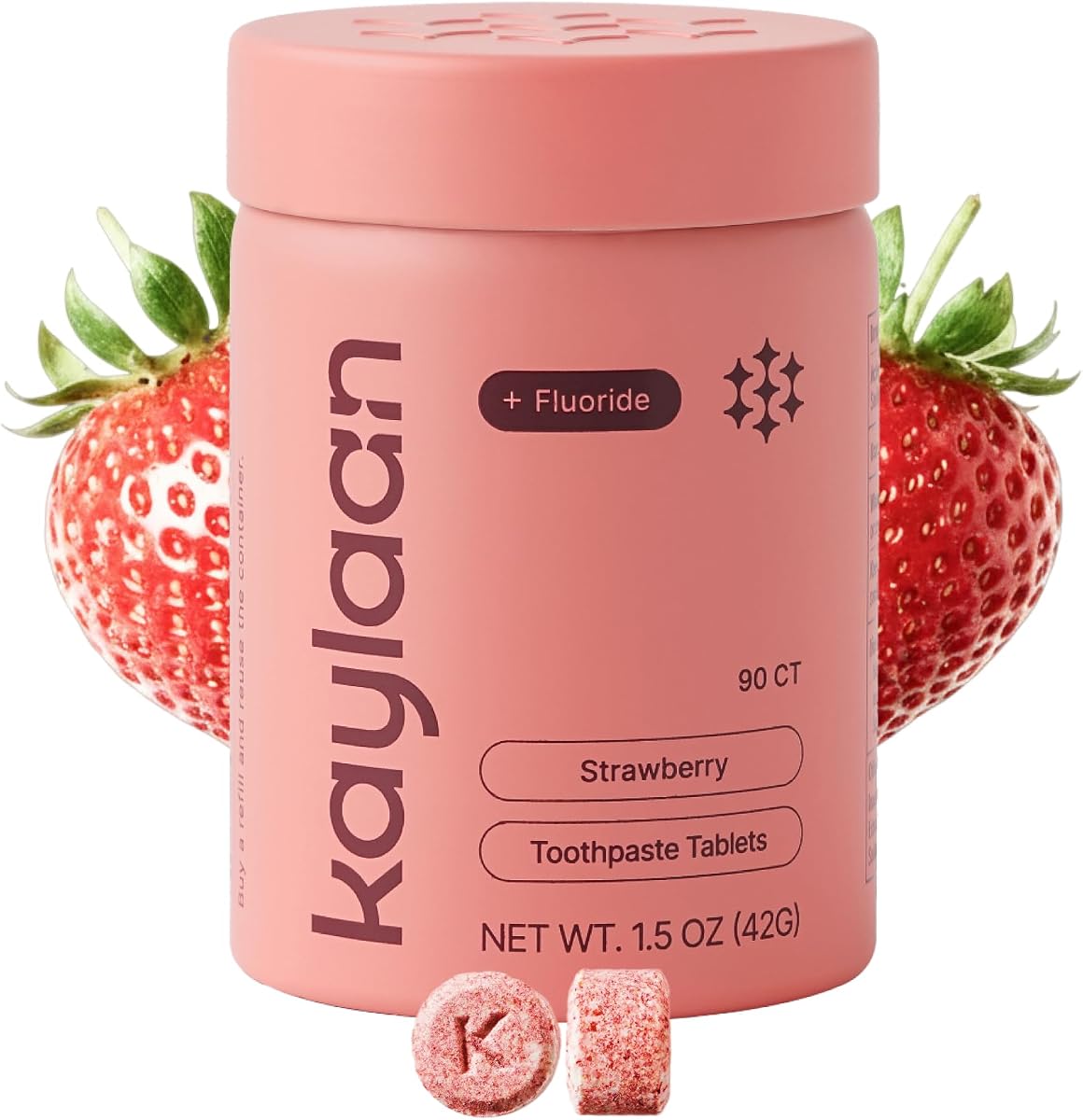
A zero-waste oral care system consisting of fluoride-free tablets in a refillable glass jar, featuring ingredients sourced from ethical Eastern European partners.

A high-potency, carbon-extracted rosehip oil designed specifically for sensitive skin, backed by rigorous B Corp standards and organic agricultural sourcing.
More on Helena Rubinstein
Is Helena Rubinstein ethical? FAQs
Is Helena Rubinstein cruelty-free?+
Helena Rubinstein permits animal testing where legally required, including for products sold in China.
Does Helena Rubinstein have vegan products?+
Helena Rubinstein does not offer a designated vegan range; many products contain animal-derived ingredients.
Does Helena Rubinstein sell in mainland China?+
Selling through mainland Chinese retail has historically triggered post-market animal testing.
What is Helena Rubinstein's ethics score?+
We don't score any Helena Rubinstein products yet, so there is no ethics score. The signals above come from the brand profile and the sources listed on this page.
What are the best alternatives to Helena Rubinstein?+
Higher-scoring alternatives include Dr. Bronner's 18-in-1 Pure-Castile Soap (Travel Size) by Dr. Bronner's, RSPO-Segregated Organic Intimate Care & Menstrual Set by &SISTERS, Dr. Bronner's Pure-Castile Liquid Soap (Peppermint) by Dr. Bronner's.