Is Holle sustainable?
Broadly yes — Holle averages 96/100 on EthiCompare, and its packaging, sourcing and certification record hold up better than most brands we track. Its stated commitments, per the brand profile we hold: Climate Neutral Certified, 100% Demeter biodynamic sourcing, recyclable paper packaging, and a pledge to eliminate plastic by 2030.
We read sustainability as verifiable practice, not marketing: third-party certification, packaging design, sourcing disclosure and published, dated targets. Claims without evidence score as unverified.
The evidence behind the answer
Cruelty-freenot independently verified
Holle does not test on animals at any stage of production.
Third-party certifiedverified
We record 3 distinct certifications across this brand's products.
Scored with our public methodology.
What Holle's products show
Of the 1 Holle product we score, 1 holds at least one sustainability or labour certification on file, and the ethics score is 96/100.
| Product | Organic | Fair labour | Recyclable / compostable | Plastic-free packaging | Relevant certifications | Score |
|---|---|---|---|---|---|---|
| Demeter Bio-Dynamic Baby Porridge Variety Bundle | Yes | Unverified | Unverified | Unverified | USDA Organic, Climate Neutral | 96 |
"Yes" means a matching certification, label or material note is recorded for that product; "Unverified" means we hold no evidence either way, not that the answer is no.
How to check this yourself
Sustainability claims are only as good as the evidence behind them. Before you buy:
- Prefer independent certifications with a public register (B Corp, Fair Trade, FSC, GOTS, USDA Organic) over self-declared badges.
- Check whether the claim covers the whole product or one ingredient, and whether packaging is genuinely recyclable where you live.
- Look for dated, measurable targets and progress reports rather than open-ended pledges.
More on Holle
Better-scoring alternatives to Holle

The gold standard for ethical food production, this coconut oil uses regenerative organic practices and fair trade labor to set a benchmark for corporate responsibility.
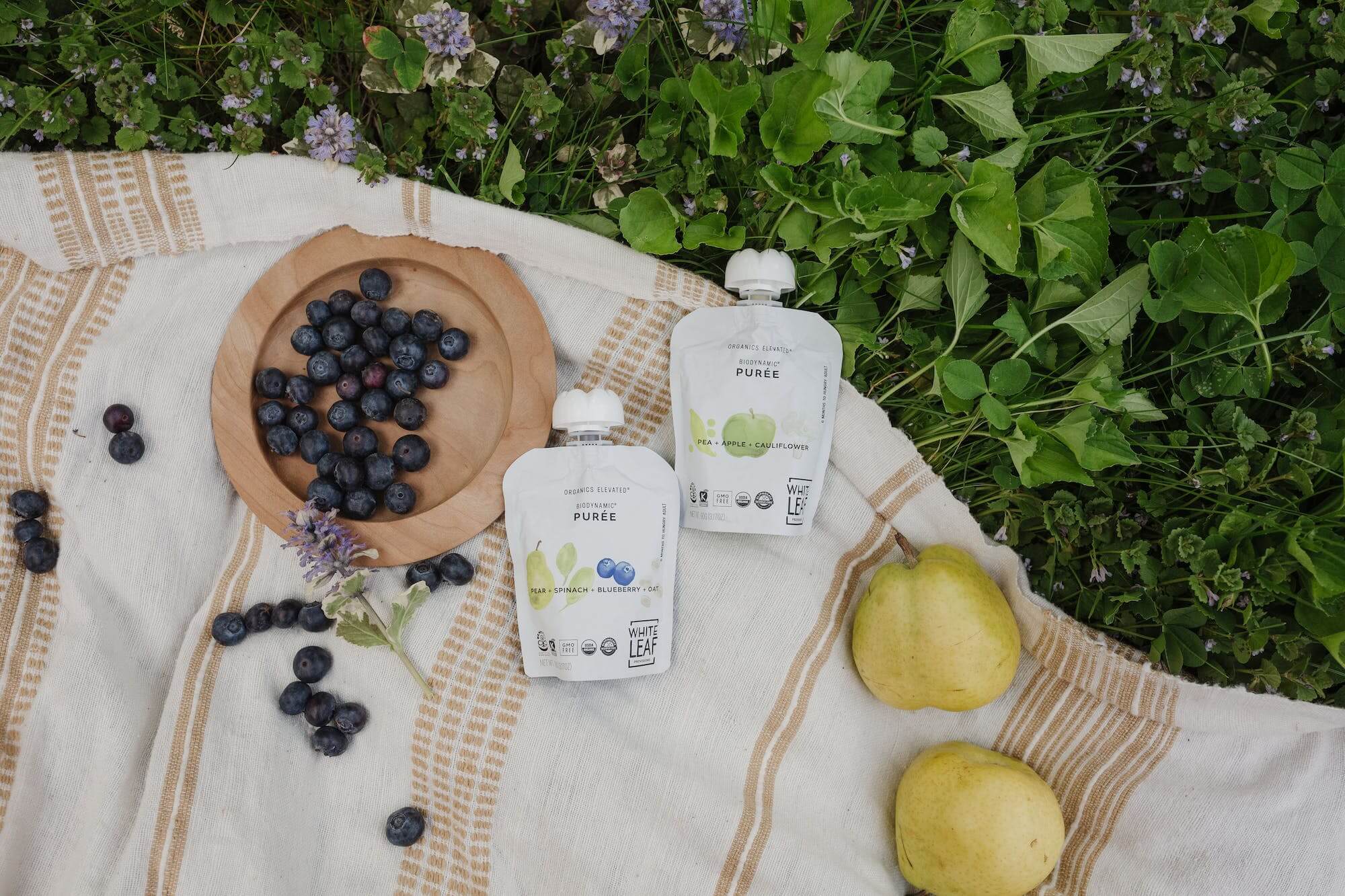
The gold standard in baby food, offering Demeter-certified biodynamic ingredients that exceed organic standards for soil health and purity.

A gold standard in ethical confectionery, combining fair-pay labor practices with regenerative cocoa farming that restores biodiversity in the Ivory Coast and Ghana.
A gold standard in ethical confectionery, using regenerative farming to combat climate change while ensuring living wages for cocoa farmers.

Exquisite heirloom Malagasy cocoa produced entirely at the source in Madagascar. This professional-grade bulk trunk supports direct-trade and lemur habitat conservation.

A nutrient-dense heirloom grain sourced through fully transparent supply chains that support regenerative farming practices in the Peruvian Andes.
Holle: frequently asked
Is Holle sustainable?+
Broadly yes — Holle averages 96/100 on EthiCompare, and its packaging, sourcing and certification record hold up better than most brands we track. Its stated commitments, per the brand profile we hold: Climate Neutral Certified, 100% Demeter biodynamic sourcing, recyclable paper packaging, and a pledge to eliminate plastic by 2030. Of the 1 Holle product we score, 1 holds at least one sustainability or labour certification on file, and the ethics score is 96/100.
Holle: Cruelty-free?+
Holle does not test on animals at any stage of production.
Holle: Vegan options?+
Holle offers a limited vegan range of Demeter porridge varieties (e.g., millet, spelt, oat) but most milk formulas and cream-based products contain dairy.
Holle: Third-party certified?+
We record 3 distinct certifications across this brand's products.
What is Holle's ethics score?+
Holle averages 96/100 across 1 product we score on certifications, sourcing, labour, packaging and transparency.