Is Hopaal sustainable?
Broadly yes — Hopaal averages 96/100 on EthiCompare, and its packaging, sourcing and certification record hold up better than most brands we track. Its stated commitments, per the brand profile we hold: Hopaal commits to carbon neutrality by 2030, offers free garment repairs, uses plastic-free packaging, and sources low-impact eucalyptus fibre via a closed-loop process.
We read sustainability as verifiable practice, not marketing: third-party certification, packaging design, sourcing disclosure and published, dated targets. Claims without evidence score as unverified.
The evidence behind the answer
Cruelty-freeverified
Hopaal does not test on animals nor does it commission animal testing, as confirmed by their PETA Approved certification.
Third-party certifiedverified
We record 4 distinct certifications across this brand's products.
Scored with our public methodology.
What Hopaal's products show
Of the 1 Hopaal product we score, 1 holds at least one sustainability or labour certification on file, and the ethics score is 96/100.
| Product | Organic | Fair labour | Recyclable / compostable | Plastic-free packaging | Relevant certifications | Score |
|---|---|---|---|---|---|---|
| The 24-Hour Travel Tee (Eucalyptus Fibre) | Unverified | Unverified | Unverified | Unverified | 1% for the Planet, Global Recycled Standard, OEKO-TEX | 96 |
"Yes" means a matching certification, label or material note is recorded for that product; "Unverified" means we hold no evidence either way, not that the answer is no.
How to check this yourself
Sustainability claims are only as good as the evidence behind them. Before you buy:
- Prefer independent certifications with a public register (B Corp, Fair Trade, FSC, GOTS, USDA Organic) over self-declared badges.
- Check whether the claim covers the whole product or one ingredient, and whether packaging is genuinely recyclable where you live.
- Look for dated, measurable targets and progress reports rather than open-ended pledges.
More on Hopaal
Better-scoring alternatives to Hopaal

An exquisite, one-of-a-kind quilted jacket handmade by a women's cooperative in West Bengal, utilizing 100% upcycled silk and cotton vintage saris.
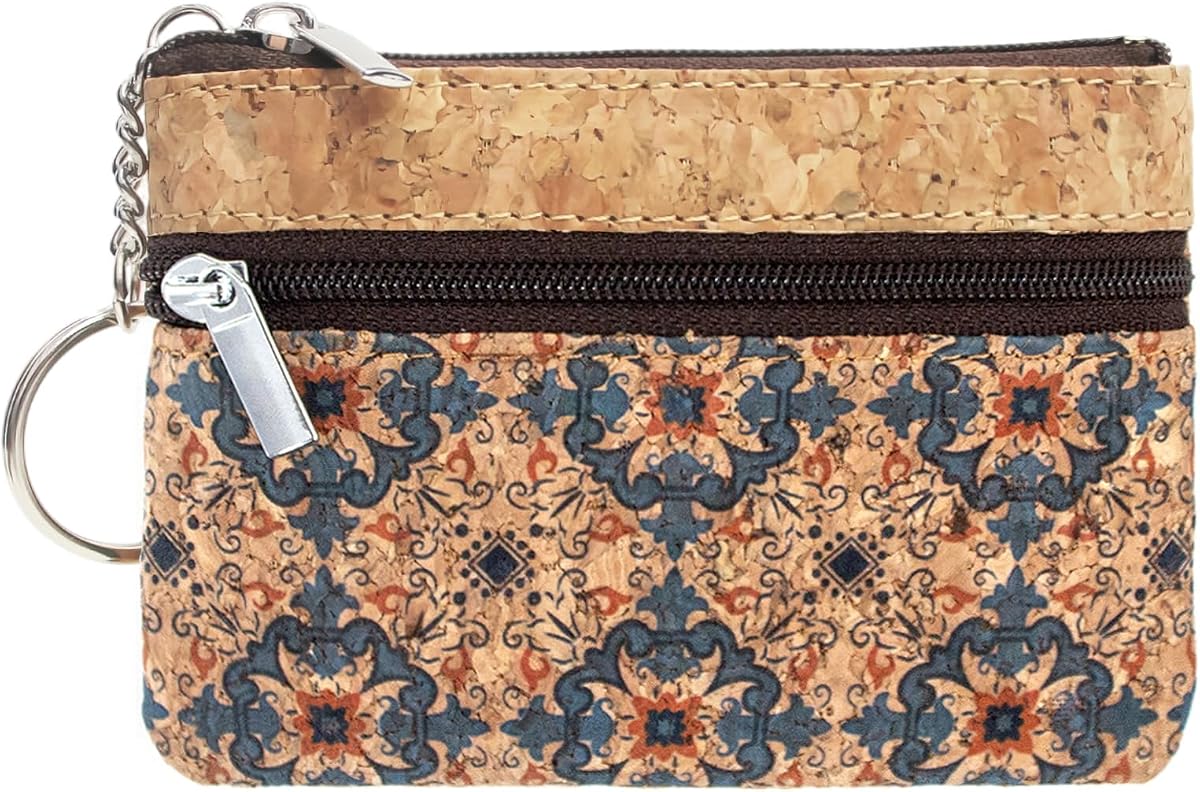
A handcrafted, water-resistant coin pouch made from sustainably harvested Portuguese cork—a farm-to-fashion staple.
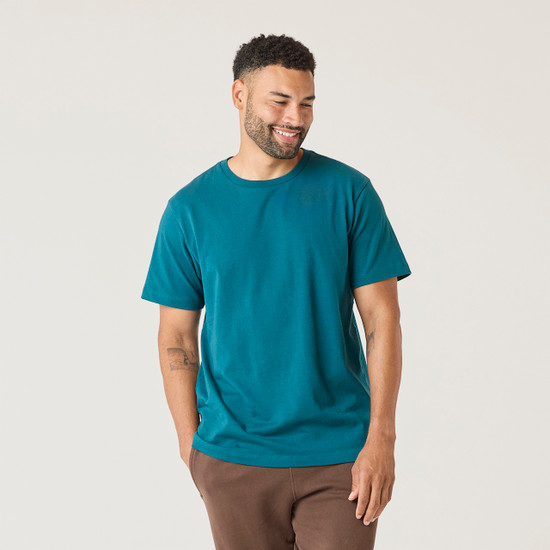
A gold-standard ethical staple. This tee is crafted from GOTS-certified organic cotton through a transparent supply chain that supports small-scale farmers in Peru.

A premium, ethically sourced Pima cotton t-shirt that supports fair wages and education in Peru. Highly durable and fully biodegradable.
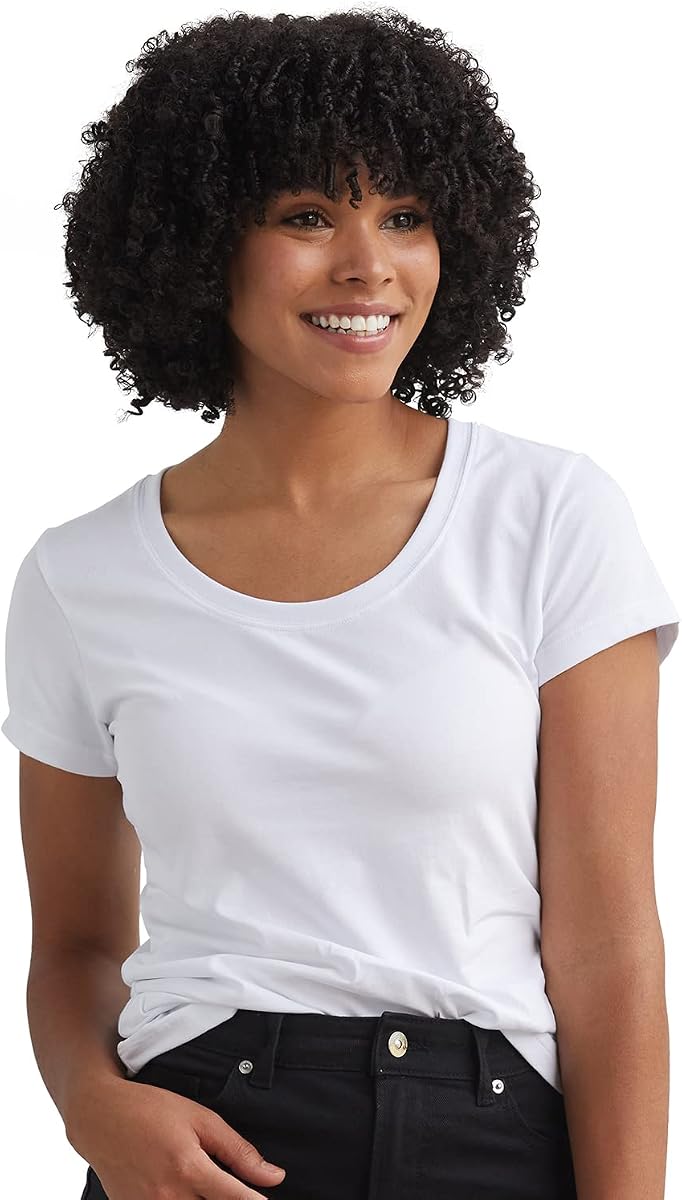
A premium, long-staple organic cotton tee produced in fair trade environments in Peru. Known for its 'forever' durability and ultra-soft hand feel.

A zero-waste, farm-to-pocket handkerchief crafted in a family-run Tuscan workshop using surplus GOTS-certified organic cotton.
Hopaal: frequently asked
Is Hopaal sustainable?+
Broadly yes — Hopaal averages 96/100 on EthiCompare, and its packaging, sourcing and certification record hold up better than most brands we track. Its stated commitments, per the brand profile we hold: Hopaal commits to carbon neutrality by 2030, offers free garment repairs, uses plastic-free packaging, and sources low-impact eucalyptus fibre via a closed-loop process. Of the 1 Hopaal product we score, 1 holds at least one sustainability or labour certification on file, and the ethics score is 96/100.
Hopaal: Cruelty-free?+
Hopaal does not test on animals nor does it commission animal testing, as confirmed by their PETA Approved certification.
Hopaal: Vegan options?+
All Hopaal products are fully vegan; no separate vegan range is needed.
Hopaal: Third-party certified?+
We record 4 distinct certifications across this brand's products.
What is Hopaal's ethics score?+
Hopaal averages 96/100 across 1 product we score on certifications, sourcing, labour, packaging and transparency.