Is Hugo Boss ethical and cruelty-free?
Not really — Hugo Boss fails 2 of the 4 ethics signals we track, including its animal-testing position, and holds no third-party certification we can verify.
Hugo Boss, a German luxury fashion house, demonstrates a moderate commitment to sustainability through certified materials and climate goals, but faces challenges in labor transparency and lacks a fully vegan product line, resulting in a mixed ethical profile.
The evidence, signal by signal
Cruelty-freeflagged
Hugo Boss does not test on animals except where required by law (e.g., China); products sold in China may be subject to mandatory post-market animal testing.
Vegan optionsunverified
No dedicated vegan product line; some items use synthetic materials but are not labeled as vegan.
Sells in mainland Chinaflagged
Selling through mainland Chinese retail has historically triggered post-market animal testing.
Third-party certifiedunverified
We don't track any of this brand's products yet, so product-level certifications are unchecked.
Public pledges: Aims for climate neutrality by 2050, 100% sustainable cotton by 2025, and 30% emissions reduction by 2030.
Scored with our public methodology. Profile last updated 2026-09-22.
Research notes on Hugo Boss
Compiled from the brand's own statements and the public sources listed below, last reviewed 2026-09-22. We don't stock Hugo Boss products, so nothing here is checked against product records.
Overview
Hugo Boss AG is a globally recognized German fashion brand founded in 1924, offering premium apparel, accessories, and fragrances for men and women. The company operates through two main brands: BOSS and HUGO. While the brand has made notable strides in sustainable material sourcing and climate action, its reliance on complex global supply chains, limited animal welfare policies, and absence from major ethical certifications place it in a middle tier for conscious consumers. Hugo Boss is publicly traded and headquartered in Metzingen, Germany.
Certifications
Hugo Boss holds several third-party certifications. It is a member of the Fair Wear Foundation (FWF), which audits labor practices, though its overall FWF performance rating remains 'Needs Improvement' due to gaps in wage and working hours transparency. The brand uses Global Organic Textile Standard (GOTS) certified organic cotton for select collections and bluesign® approved materials for some products. Its leather and down are not certified by animal welfare standards like Leather Working Group or Responsible Down Standard (RDS).
Animal Testing & Vegan Range
Hugo Boss states that it does not test finished products on animals, except where required by local law (e.g., China). However, because the brand sells products in mainland China through retail stores and e-commerce, its products may be subject to mandatory post-market animal testing under Chinese cosmetics regulations. The company does not offer a clearly defined vegan product line; many of its leather goods and wool items use animal-derived materials. Some synthetic and plant-based alternatives exist in the collection, but they are not marketed as vegan.
Sustainability Pledges
Hugo Boss has committed to climate neutrality by 2050 and aims to reduce absolute greenhouse gas emissions by 30% by 2030 (Scope 1 and 2) and 15% (Scope 3) from a 2019 baseline. It pledges to use 100% sustainable cotton (organic, recycled, or Better Cotton Initiative) by 2025, and has increased its use of recycled polyester. The brand also introduced a 'Circular Fashion' initiative, including a resale program in select markets and a take-back scheme for old garments.
Sourcing & Labor
Hugo Boss sources from suppliers in over 40 countries, with a significant portion in Eastern Europe, Asia, and Turkey. The company publishes a supplier list and has a Code of Conduct aligned with International Labour Organization (ILO) standards. However, independent audits by FWF have identified issues with excessive overtime, low wages, and restricted freedom of association in some factories. The brand has not yet implemented a living wage program. Its animal-derived materials (leather, wool, down) are sourced from suppliers with animal welfare policies, but no third-party certifications verify these claims.
Controversies Context
While Hugo Boss has avoided major recent scandals, its historical ties to the Nazi regime (producing uniforms for the SS and Wehrmacht) remain a matter of public record. The company has apologized and actively supports Holocaust education. In the last decade, controversies have been limited to occasional labor violation reports from its supply chain, typical for large fashion houses.
Bottom Line
Hugo Boss is a brand making incremental progress in sustainability, but it is not a leader in ethical practices. Its lack of a vegan line, unresolved animal testing risks in China, and ongoing labor issues prevent it from earning a strong ethical recommendation. Consumers seeking luxury fashion with higher ethical standards may prefer brands with certifications like B Corp or Leaping Bunny.
Better-scoring alternatives to Hugo Boss
Same categories, higher ethics scores, verified certifications.

The ultimate multi-tasker for minimalist hosts; one bottle can wash hands, body, hair, and even dishes.
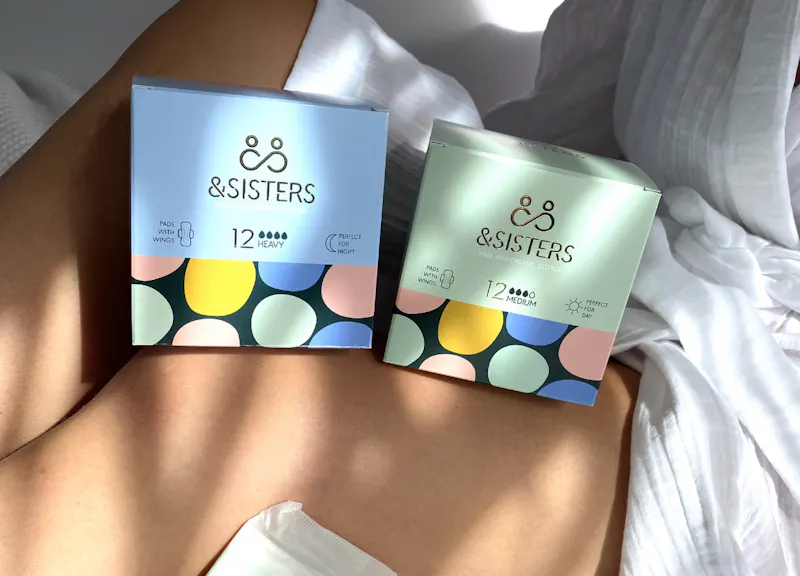
A UK-based, women-owned B Corp offering the highest ethical standard in menstrual care. This bulk 'Sisterhood' bundle features GOTS organic cotton tampons and pads with RSPO-segregated inputs, ensuring zero deforestation.
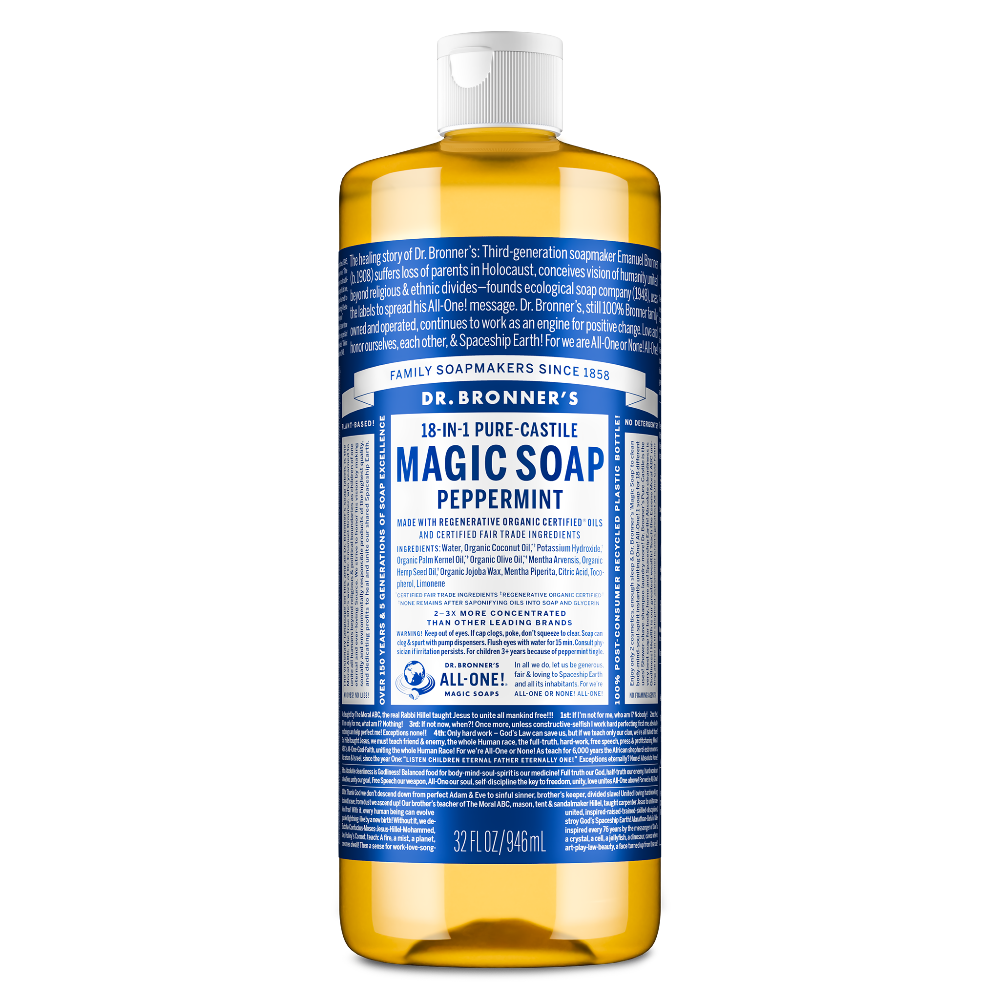
The gold standard of ethical cleaning. A highly concentrated, multi-surface liquid soap made from organic oils and fair trade ingredients in 100% PCR packaging.

The gold standard of ethical soaps, featuring regenerative organic palm oil and a legacy of fair-trade advocacy and radical transparency.
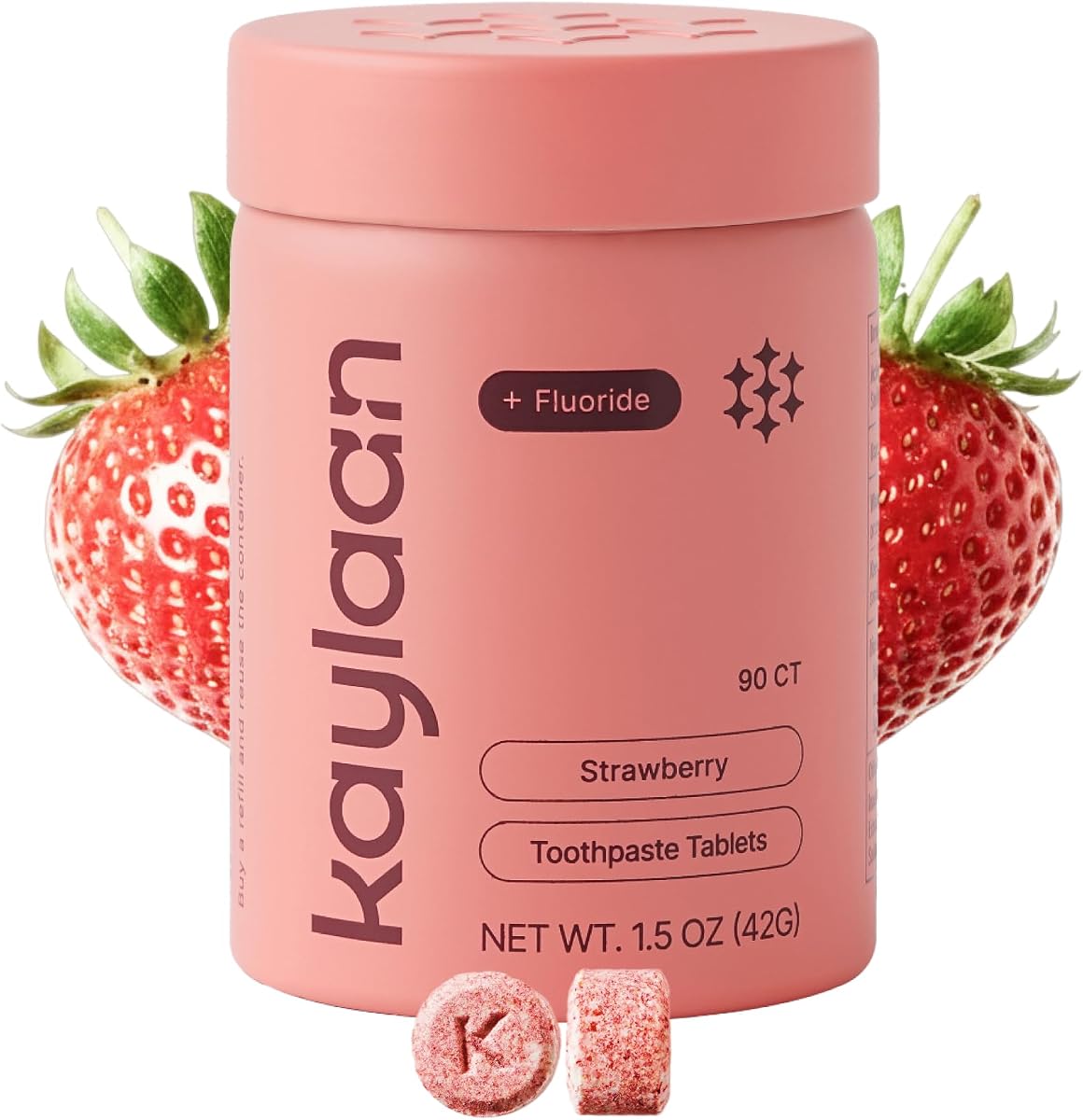
A zero-waste oral care system consisting of fluoride-free tablets in a refillable glass jar, featuring ingredients sourced from ethical Eastern European partners.

A high-potency, carbon-extracted rosehip oil designed specifically for sensitive skin, backed by rigorous B Corp standards and organic agricultural sourcing.
More on Hugo Boss
Is Hugo Boss ethical? FAQs
Is Hugo Boss cruelty-free?+
Hugo Boss does not test on animals except where required by law (e.g., China); products sold in China may be subject to mandatory post-market animal testing.
Does Hugo Boss have vegan products?+
No dedicated vegan product line; some items use synthetic materials but are not labeled as vegan.
Does Hugo Boss sell in mainland China?+
Selling through mainland Chinese retail has historically triggered post-market animal testing.
What is Hugo Boss' ethics score?+
We don't score any Hugo Boss products yet, so there is no ethics score. The signals above come from the brand profile and the sources listed on this page.
What are the best alternatives to Hugo Boss?+
Higher-scoring alternatives include Dr. Bronner's 18-in-1 Pure-Castile Soap (Travel Size) by Dr. Bronner's, RSPO-Segregated Organic Intimate Care & Menstrual Set by &SISTERS, Dr. Bronner's Pure-Castile Liquid Soap (Peppermint) by Dr. Bronner's.