Is i-did sustainable?
Broadly yes — i-did averages 94/100 on EthiCompare, and its packaging, sourcing and certification record hold up better than most brands we track. Its stated commitments, per the brand profile we hold: Zero-waste manufacturing, 100% recycled or waste-derived materials target by 2025, local supply chains to minimize carbon footprint.
We read sustainability as verifiable practice, not marketing: third-party certification, packaging design, sourcing disclosure and published, dated targets. Claims without evidence score as unverified.
The evidence behind the answer
Cruelty-freeverified
No animal testing conducted on any products or ingredients.
Third-party certifiedverified
We record 2 distinct certifications across this brand's products.
Scored with our public methodology.
What i-did's products show
Of the 1 i-did product we score, 1 holds at least one sustainability or labour certification on file, and the ethics score is 94/100.
| Product | Organic | Fair labour | Recyclable / compostable | Plastic-free packaging | Relevant certifications | Score |
|---|---|---|---|---|---|---|
| Social Impact Dinner Plate Set (4-Pack) | Unverified | Unverified | Yes | Yes | B Corp, Global Recycled Standard | 94 |
"Yes" means a matching certification, label or material note is recorded for that product; "Unverified" means we hold no evidence either way, not that the answer is no.
How to check this yourself
Sustainability claims are only as good as the evidence behind them. Before you buy:
- Prefer independent certifications with a public register (B Corp, Fair Trade, FSC, GOTS, USDA Organic) over self-declared badges.
- Check whether the claim covers the whole product or one ingredient, and whether packaging is genuinely recyclable where you live.
- Look for dated, measurable targets and progress reports rather than open-ended pledges.
More on i-did
Better-scoring alternatives to i-did
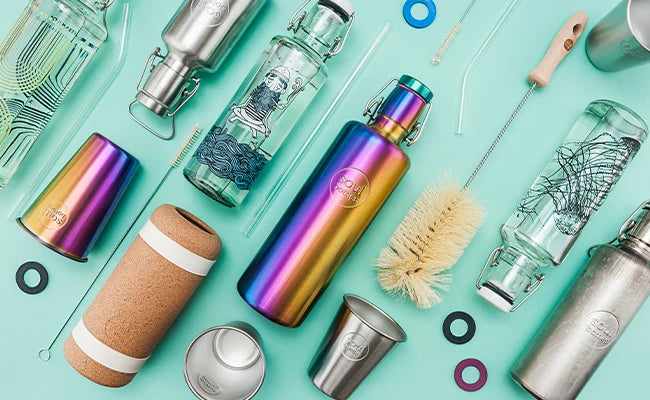
A 100% plastic-free, carbon-neutral glass bottle made in Germany, featuring stunning artist-designed motifs and a swing-top closure.

Exquisite, handcrafted serving utensils made by artisans in Kenya. Each set supports fair wages and preserves traditional woodworking techniques using sustainably harvested olive wood.

Exquisite hand-woven table linens designed by a Brooklyn-based Ethiopian-American designer and crafted by artisans in Ethiopia using GOTS-certified organic cotton.

A high-quality, reusable alternative to disposable paper towels, handmade in Oregon from sustainable materials to drastically reduce household waste.

Premium, artisan-made kitchen linens that support indigenous weaving techniques and provide stable fair-trade income to cooperatives in Mexico and Guatemala.

Hand-spun and hand-woven Ethiopian cotton napkins produced by a women-led collective committed to slow fashion and fair wages.
i-did: frequently asked
Is i-did sustainable?+
Broadly yes — i-did averages 94/100 on EthiCompare, and its packaging, sourcing and certification record hold up better than most brands we track. Its stated commitments, per the brand profile we hold: Zero-waste manufacturing, 100% recycled or waste-derived materials target by 2025, local supply chains to minimize carbon footprint. Of the 1 i-did product we score, 1 holds at least one sustainability or labour certification on file, and the ethics score is 94/100.
i-did: Cruelty-free?+
No animal testing conducted on any products or ingredients.
i-did: Vegan options?+
All products are vegan-friendly, made from recycled textiles and non-animal materials.
i-did: Third-party certified?+
We record 2 distinct certifications across this brand's products.
What is i-did's ethics score?+
i-did averages 94/100 across 1 product we score on certifications, sourcing, labour, packaging and transparency.