Is Ice Breakers ethical and cruelty-free?
Not really — Ice Breakers fails 1 of the 3 ethics signals we track, including its animal-testing position, and holds no third-party certification we can verify.
Ice Breakers, owned by The Hershey Company, is a popular mint and gum brand that lacks foundational ethical certifications, relies on parent-company policies for animal testing and sustainability, and has no major controversies but significant gaps in transparency for conscientious consumers.
The evidence, signal by signal
Cruelty-freeflagged
Hershey does not conduct animal testing on products or ingredients unless required by law, but holds no cruelty-free certification.
Vegan optionsunverified
Most Ice Breakers mints/gums are likely vegan as they contain no animal-derived ingredients, but the brand does not label products as vegan or seek third-party verification.
Third-party certifiedunverified
We don't track any of this brand's products yet, so product-level certifications are unchecked.
Public pledges: Hershey aims for net-zero emissions by 2050 and 100% recyclable packaging by 2030, but product-level data for Ice Breakers is not provided.
Scored with our public methodology. Profile last updated 2026-10-05.
Research notes on Ice Breakers
Compiled from the brand's own statements and the public sources listed below, last reviewed 2026-10-05. We don't stock Ice Breakers products, so nothing here is checked against product records.
Overview
Ice Breakers is a brand of sugar-free mints, gums, and breath fresheners owned by The Hershey Company (NYSE: HSY). Launched in the 1990s, the brand is best known for its Ice Cubes, Frost, and Duo varieties. As a subsidiary of a large multinational confectionery corporation, Ice Breakers does not operate as a standalone ethical entity. Its ethical profile is largely defined by Hershey’s corporate policies, which have made some progress in cocoa sourcing and environmental targets but still lack third-party certifications for cruelty-free or vegan standards. No major controversies have been reported in the public domain, but the brand’s lack of independent certifications and reliance on parent-company reporting limits its appeal to ethically rigorous consumers.
Certifications
Ice Breakers products do not carry third-party ethical certifications such as Fair Trade, Rainforest Alliance, B Corp, Leaping Bunny, or Vegan Society logos. Hershey has its own “Shared Goodness” program for cocoa sourcing, but this is not equivalent to independent certification. The brand also lacks Non-GMO Project or organic certifications for its core products. For consumers seeking verified ethical claims, Ice Breakers offers no readily visible certifications on its packaging or website.
Animal Testing & Vegan Range
Hershey states that it does not conduct animal testing on its products or ingredients unless required by law. However, the company does not hold a Leaping Bunny or PETA certification. Ice Breakers mints and gums are generally considered suitable for vegans as they contain no animal-derived ingredients (e.g., gelatin, milk, or honey), but the brand does not label products as vegan. The lack of third-party verification means consumers cannot be 100% certain about supply chain cross-contamination. Hershey has faced past scrutiny over palm oil sourcing related to deforestation, which indirectly impacts animal habitats, though not direct testing.
Sustainability Pledges
Hershey has committed to reducing greenhouse gas emissions by 50% by 2030 (from a 2018 baseline) and achieving net-zero by 2050. The company also targets 100% deforestation-free palm oil by 2025, with progress reports published annually. For packaging, Hershey aims for 100% recyclable, reusable, or compostable packaging by 2030. However, Ice Breakers’ individual products are not singled out in these pledges. The brand’s small packaging (plastic bottles and aluminum tins) poses recycling challenges, and the company has not released product-specific sustainability data.
Sourcing & Labor
Hershey’s cocoa supply chain engages third-party auditors to monitor labor practices in West Africa, aiming to eliminate child labor. The company reported reaching 56% of its cocoa volume through traceable sources in 2022. However, Ice Breakers’ sugar and mint ingredients are not high-risk commodities, and the brand has not disclosed specific supplier audits. Hershey has a Supplier Code of Conduct requiring fair wages and safe conditions, but enforcement across the entire supply chain remains a concern for advocacy groups. No labor controversies directly linked to Ice Breakers have been reported.
Controversies Context
There are no major controversies on record specific to Ice Breakers. Hershey has faced class-action lawsuits over misleading labeling (e.g., ‘no artificial preservatives’ claims) and criticism for slow progress on child labor in cocoa, but Ice Breakers has not been a focal point. The brand’s relative obscurity in ethical debates is a double-edged sword: it avoids negative headlines but also lacks positive differentiation. Overall, Ice Breakers maintains a clean reputation in the public eye, albeit without strong ethical advocacy.
Bottom Line
Ice Breakers is a low-controversy mainstream brand but fails to offer robust ethical credentials. For consumers prioritizing verified cruelty-free, vegan, or third-party certified products, Ice Breakers should be avoided in favor of certified alternatives. For occasional mint or gum use, the brand carries minimal ethical risk, but its parent company’s history and lack of transparency prevent it from being recommended as an ethical choice.
High-scoring food & nutrition picks to compare
Top-scoring products from other brands in the category Ice Breakers sells in. A starting point for comparison, not proof that each one beats Ice Breakers.

The gold standard for ethical food production, this coconut oil uses regenerative organic practices and fair trade labor to set a benchmark for corporate responsibility.
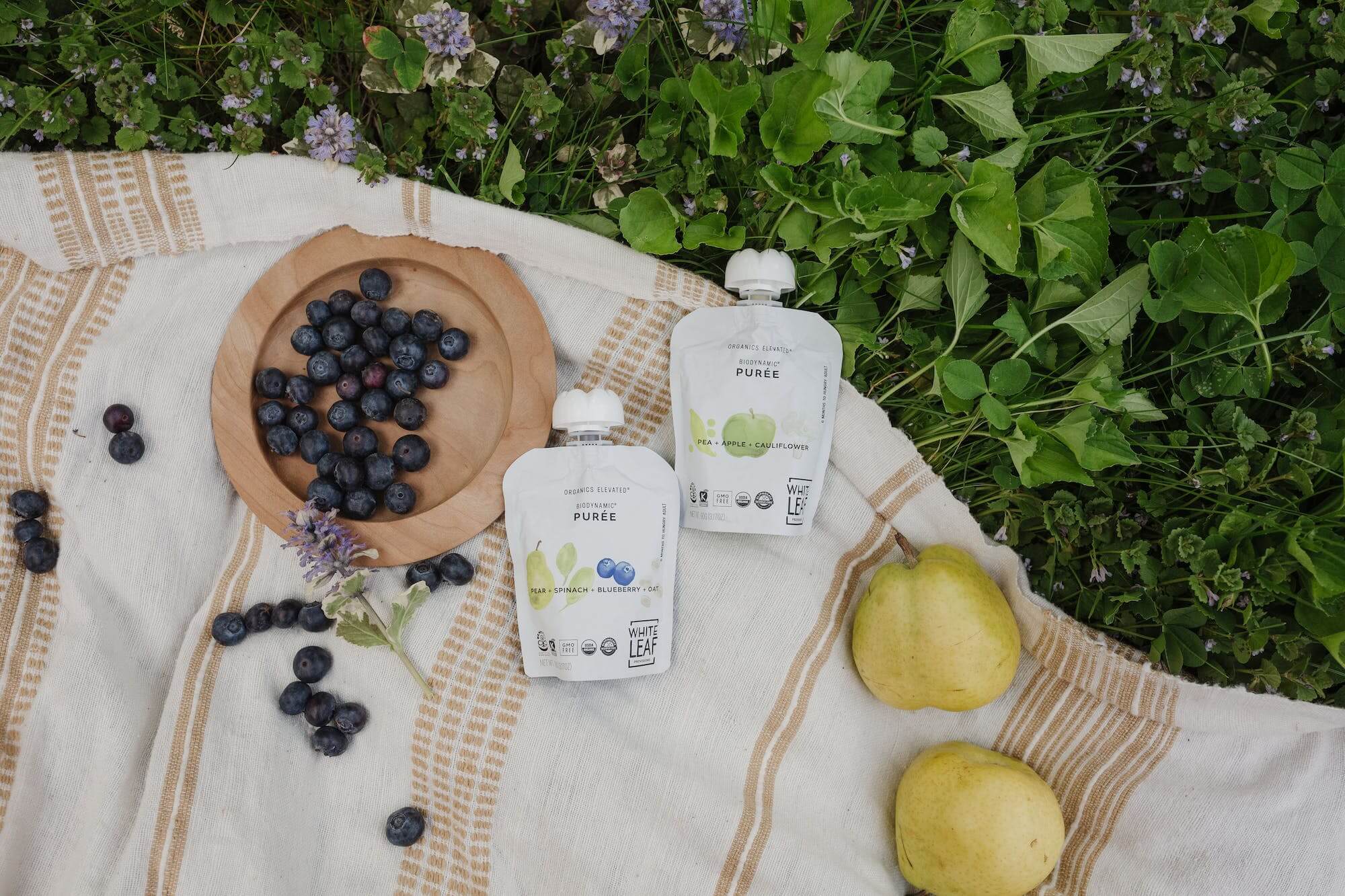
The gold standard in baby food, offering Demeter-certified biodynamic ingredients that exceed organic standards for soil health and purity.

Exquisite heirloom Malagasy cocoa produced entirely at the source in Madagascar. This professional-grade bulk trunk supports direct-trade and lemur habitat conservation.

A nutrient-dense heirloom grain sourced through fully transparent supply chains that support regenerative farming practices in the Peruvian Andes.

A women-owned B Corp that prioritizes equitable purchasing and environmental stewardship through long-term farmer partnerships.

The gold standard in European baby food, Holle's Demeter-certified porridges offer chemical-free nutrition for infants. A top-rated staple for health-conscious parents in urban environments.
More on Ice Breakers
Is Ice Breakers ethical? FAQs
Is Ice Breakers cruelty-free?+
Hershey does not conduct animal testing on products or ingredients unless required by law, but holds no cruelty-free certification.
Does Ice Breakers have vegan products?+
Most Ice Breakers mints/gums are likely vegan as they contain no animal-derived ingredients, but the brand does not label products as vegan or seek third-party verification.
What is Ice Breakers' ethics score?+
We don't score any Ice Breakers products yet, so there is no ethics score. The signals above come from the brand profile and the sources listed on this page.
What are the best alternatives to Ice Breakers?+
High-scoring food & nutrition products to compare include Dr. Bronner’s Whole Kernel Virgin Coconut Oil by Dr. Bronner's, Biodynamic Veggie & Grain Pouch Variety Pack (24-Pack) by White Leaf Provisions, Luxury Single-Origin Dark Chocolate Professional Collection - 20kg Chef's Trunk by Beyond Good.